ch12 - eukaryotic members of the microbial world
 Call Kai
 Learn
Learn Practice Test
 Spaced Repetition
 Match
Match Flashcards
 Knowt Play
1/15

There's no tags or description
Looks like no tags are added yet.
Name | Mastery | Learn | Test | Matching | Spaced | Call with Kai | Chat |
|---|
No analytics yet
Send a link to your students to track their progress
16 Terms
the microbial world
all living things classified in one of three groups (domains)
three domains: bacteria, archaea, eucarya

domain eucarya
all members are
eukaryotic
contain membrane-bound organelles
nucleus (houses dna), mitochondria, endoplasmic reticulum, etc.
more complex
single cell or multicellular
asexual or sexual reproduction
includes
fungi
algae
protozoa
helminths
fungi
diverse
single-celled = yeast
multicellular = molds, mushrooms
cell wall consists of chitin
major decomposers
excrete enzymes to degrade larger molecules
break down organic matter into smaller nutrients that can be absorbed and used by other organisms as a food source
exist in many places
mostly terrestrial
some are pathogenic

yeasts
single celled fungi
spherical, oval or cylindrical
reproduction through binary fission or budding
budding: a small bud forms on the parent cell, grows larger, and eventually detaches to become a new yeast cell

fungi - molds and dimorphic fungi
molds
produce single-celled reproductive spore → germinates and develops into hyphae
filamentous fungi contain hyphae → a collection of hyphae is called a mycelium
moldy and fuzzy place
dimorphic fungi
can have more than one shape, several different forms
can grow as a yeast or mold depending on the environment
many are pathogenic
many cause disease in plants
only a few cause disease in humans

fungal diseases in humans
immunocompromised - more susceptible
weakened immune system
fungi cause disease in 3 ways
allergic reaction
result from inhaling fungal spores
may lead to inflammation and other forms of disease
reaction to fungal toxin
many fungal toxins have hallucinogenic properties
Ergot: caused by Claviceps fungi; historically eating moldy grain or bread could cause ergot poisoning, which can include hallucinations
certain species produces aflatoxin implicated in cancer
Aspergillus flavus
mycoses
fungi grow on or in the body → disease
some fungal infections can affect the lungs and cause pneumonia, especially in immunocompromised people.
candida albicans - yeast, part of normal flora
overgrowth can cause disease
overgrowth due to change in pH or antibiotic therapy
dermatitis (ulceration of skin)
blisters, ulceration, very severe diaper rash
yeast infections (vaginal, oral - thrush)
vaginal: overgrowth of Candida albicans
if the normal acidic vaginal pH, environment/microbiota with Lactobacillus bacteria producing lactic acid is disrupted, such as after antibiotic therapy, Candida can overgrow
can cause itching, irritation, and abnormal discharge
thrush: usually seen in immunocompromised people, Candida overgrowth
fungi - economic impact
negative economic impact of fungi
destruction of human good supply causing starvation
spoilage of food and crops
Irish potato famine (1845-1847)
water mold decimated crop
an estimated 1.5 million people died
25% of the population of Ireland
toxins production
aflatoxins produced by Aspergillus flavus species; found in grains, peanuts; carcinogenic
can be difficult for the body to eliminate completely, and repeated exposure can cause harmful effects over time
rye mold Claviceps purpurea (ergot) produces hallucinogenic toxin → ergotism
positive economic importance of fungi
commercially important
production of beer, wine, bread, cheese, antimicrobial agents
genetic and biotechnology applications
yeast genetically engineered to produce human products (human insulin, hepatitis B vaccine)
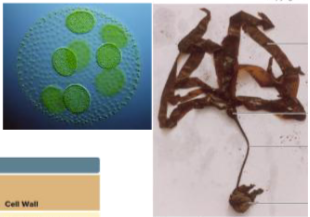
algae
diverse group
unicellular (microscopic)
multicellular (macroscopic)
found in both fresh and salt water, and soil
have rigid cell wall of cellulose
contain chlorophyll → photosynthetic
use sunlight to make organic compounds (such as sugars) from CO2 and water
release oxygen as a byproduct
do not cause disease regularly
toxins poisonous to humans → disease
seasonal algal bloom (“red tide”)
dinoflagellates
eaten by shellfish and produce neurotoxins
affect neurons in the brain
humans eat shellfish and suffer paralytic shellfish poisoning (respiratory failure)
may die from this unless immediate help is received

protozoa
microscopic, single-celled
found in water, on land, as parasites
more complex, larger than prokaryote
do not have cell wall
have complex life cycle
most are motile via
cilia, flagella, or pseudopodia (like in amoeba that put out pseudopods)
cilia like the ones on the perimysium

protozoa - many cause disease
Giardia lamblia - giardiasis; spread via fecal contaminated water
causes foaminating diarrhea → dehydration
very persistent - can stay with person for a long time (30 years)
Trichomonas - STD
seen mostly in females (vaginitis) - causes irritation
no long-term effects
fewer outward symptoms in males
identify by wet mounts

protozoa - plasmodium
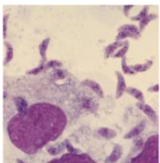
causes malaria
intracellular pathogen that infects red blood cells
transmitted by mosquitoes
number one cause of death of pregnant women in world (in US → domestic violence)
infect ~219 million/year; ~660,000 deaths
identify by blood smear

protozoa - toxoplasma
causes toxoplasmosis
associated with cats → litter box
affects pregnant women → pass to fetus
this pathogen can cross the placenta and infect the fetus in the womb
affects immunocompromised individuals (eating undercooked beef)
affects brain (causes hemolytic process → bleeding and dementia); identify by brain biopsy
multicellular parasites: helminths
multicellular, parasitic worms
free-living and parasitic worms
round worms (nematodes)
flat worms (tapeworms/cestodes)
trematodes (flukes)
obtain from water, soil
common in children all over the world in developing countries

multicellular parasites: helminths - nematodes
round worms
invade GI tract and blood stream
pinworms - ingested in food
anal itching (deposition of eggs in perianal skin)
ascaris - ingested in fish
lives in GI tract, robs host of nutrients
causes children not to thrive
blockage of GI tract
can enter bloodstream → can cause infection in the lungs
Trichinella - ingested in animal flesh
disease is trichinosis by eating wild pork, pig etc.
reproduced in GI tract
female will birth a lot of larvae which will travel to and encyst in muscles
have to kill the larvae so humans don’t get infected

multicellular parasites: helminths - cestodes, trematodes
helminths - parasitic worms
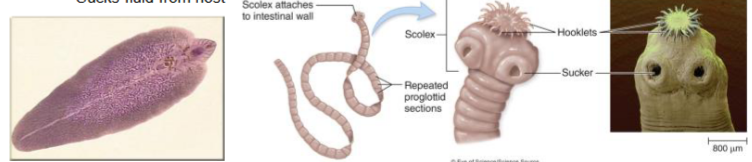
cestodes - flatworms
tapeworms (beef and pork)
remain in GI tract and rob host of nutrients or migrate to muscles and encysts
hooklets attach to intestinal wall
trematodes - flukes
found in lakes and ponds
transmitted through undercooked crayfish
sucks fluid from host
multicellular parasites: arthropods
serve as vectors of transmission
include
insects
mosquitoes - transmission of malaria, dengue fever, WNV
fleas - transmit plague (Yersinia pestis)
ticks
transmission of Rocky Mountain Spotted fever and Lyme disease
lice
body lice - transmission of typhus and other fevers
arachnids - mites
trigger asthma
causes intense itching
