Unit Ops 3 Exam 2 - Lecture 7
 Call Kai
 Learn
 Practice Test
 Spaced Repetition
 Match
 Flashcards
 Knowt Play
1/31

Earn XP
Description and Tags
Job Offers and Finances for Engineers
32 Terms
Starting salary mean, 25th percentile, and 75th percentile
Mean - $74,990
25th - $70k
75th - $80k
How many hours in a standard work year?
2,000 hours
As a salaried employee, expect to work more
Benefits to expect
10-15 vacation days per year (~another 5 every 5 years of employment)
Health insurance, vision, dental
401k retirement plan with 100% matching up to ~4-6%
Annual bonus ~5-20% of salary (based on your and company performance)
Signing bonus / relocation
Relocation may only be offered if you are moving a long distance. Typically $4000+
Signing bonuses are not very common. If they are offered, typically $5000
Both will have to be paid back if you stay for less than a specified time
Cost of living
Some places (like Houston) have a comparable cost of living to Columbus
If moving to other places (like Portland), should expect/need a higher salary for the same living situations
Negotiating a job offer
Everything is negotiable
Always talk about salary first
vacation, relocation, signing bonus
You don’t HAVE to negotiate
You should have a good reason for asking
There is probably a salary range to negotiate within, just be reasonable
Desired salary?
do not say a hard number if possible
If you have to enter a number, but in $1 so that they HAVE to talk to you and you have the option to negotiate
Reneging?
Backing out of a job offer
Do it if it’s better for you - you have to watch out for yourself because a company won’t
Give them a good reason why you’re going elsewhere - let them down easy
Don’t accept an offer and then actively keep searching
Exploding offers are a strategy to lock in hires before their competitors change, these are typically expected to be reneged more often - expect some people to change their minds
Might get blacklisted
Financial decisions
The decisions you make are more important than how much money you make
What % of your gross pay do you take home?
60-70%
Income tax is…
Progressive - people who make more money pay a higher percentage
Does not mean that earning a higher salary is worse
Taxable income range and rates taxed
How much tax refund to expect?
None!
If you file correctly, your withholding should exactly match your tax liability
Determined by the information you enter on the W-4 (can be updated whenever)
Insurance
Home/renters, auto, life, health
a losing bet
generally, you should buy the MINIMUM amount of insurance possible that will protect you from catastrophic losses
Medical / health insurance
Expensive (over 1000peryearforoneperson)</p><p>Keepsyoufromrackingupatonofmedicaldebtifyouhaveamajorillnessoraccident</p><p>Ifyouareyoungandhealthy,considerbuyingthecheapestplan</p><p>Outofpocketmaximum(/yr)
Medical / health insurance open enrollment
Towards the end of every year, you will choose the coverage you want for the following year
You cannot change your elections unless you have a qualifying “change of life” event - marriage, addition to the family, death in the family, spouse loses job, etc.
HSA / FSA
Health savings accounts (HSA) and flexible spending accounts (FSA) are ways to spend PRE-TAX money on deductibles, co-pays, prescriptions, and other qualified medical expenses
HSAs are only available if you have a high deductible healthcare plan (lower level, less expensive plan)
FSA is “use it or lose it” each year / administered by your company’s healthcare plan
HSA money rolls over
HSAs are administered independently from your company, so portable / not contingent on your employment
401k
**Absolute minimum: amount your employer will match (otherwise losing out on free money)
Employer-provided retirement accounts
You choose your contribution level, employer typically matches up to some maximum (4-8%)
Money is pre-tax, so you won’t pay income tax on that portion of your salary
You cannot withdraw any money from the account until you reach retirement age (without paying tax and a hefty penalty)
Because of the time-value of money, it’s important to contribute when you are young - first few years are most critical

Other retirement options
Traditional IRA (contributions pre-tax, distributions taxed)
Roth IRA (contributions post-tax, distributions not taxed)
Both have annual contribution limits
no employer match
set it and forget it
do NOT watch your retirement accounts
they will go up and down - you are in it for the long haul
the worst thing you can do is sell when the value is dropping
goes up long term
4% safe withdrawal rate
a rule of thumb is that you can withdraw 4% of your retirement savings annually and not run out of money before you die
Social security
government retirement plan
right now, people can expect ~$20,000 per year
Could help supplement withdrawals, but not guaranteed to still be around when we retire
Dr. Maxson’s controversial retirement savings opinion
The problem for most people who can’t retire at retirement age is the cost of housing / mortgage payments
Consider prioritizing paying off your mortgage over other investments
Financial advisors do not recommend because of the opportunity cost
Efficient market hypothesis
all of the available information about an investment is reflected in the price
There should be no bargains to be found in the market
Insider trading is illegal!
Calculating the cost or value of interest
FV = PV(1 + APR/100)^N
FV = future value, PV is present value, APR is annual percentage rate, N is the number of years
Take APR, divide by 100, add 1, multiple by current value - perform this for each year
Rule of 72
If you divide 72 by the annual percentage rate, you get the approximate number of years required for doubling
the market grows at ~7% per year, so investments are expected to double in ~10 years
Conventional wisdom may not apply
retirement age may change
social security may not exist
cost of living could be far higher (or lower)
lifespans may be longer
Budgeting
Live below your means
Do not let your budget grow to match your income
35% housing, 5-10% savings, 15-20% transportation, 10-20% food, 5-15% debts, etc.
Savings upsides
no risk
emergency fund
house down payment
avoid paying interest on financing
upsides > downsides
Savings downsides
inflation loss
opportunity cost
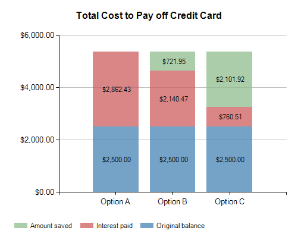
Credit cards
don’t spend money you don’t have
pay off every month - there is usually no cost to use a credit card if you pay the whole thing off
power of compound interest works against you
Cars / auto loans (and sweet spot)
Do not buy a new car!
Buying used cars costs less
Buying used also means you don’t have to finance the vehicle, saving the cost of interest
The best car you own is usually the one you already have
invest the money you saved!
Sweet spot is 9-14 years
Average cost per year goes down until maintenance increases it

Renting vs. Buying
Rule of thumb: if you will stay for at least 5 years, buy (real estate will increase in value typically)
Real estate is an investment
closing fees
cost of maintenance / property tax
improvement