#909 Elements, Compounds, Mixtures

0.0(0)
Studied by 0 people
call kaiCall Kai
learnLearn
examPractice Test
spaced repetitionSpaced Repetition
heart puzzleMatch
flashcardsFlashcards
Card Sorting

1/16

encourage image

There's no tags or description

Looks like no tags are added yet.

17 Terms

1
New cards
<p>atoms</p>

atoms

basic particle from which all elements are made

<p>basic particle from which all elements are made</p>
2
New cards
<p>element</p>

element

-cannot be broken down into any other substance

- 1 or more of the same type of atoms chemically bonded

<p>-cannot be broken down into any other substance</p><p>- 1 or more of the same type of atoms chemically bonded</p>
3
New cards
<p>molecule</p>

molecule

2 or more atoms bonded (same or different)

<p>2 or more atoms bonded (same or different)</p>
4
New cards
<p>compound</p>

compound

2 or more different atoms bonded together in a set ratio

<p>2 or more different atoms bonded together in a set ratio</p>
5
New cards
<p>mixture</p>

mixture

2 or more substances mixed together but NOT chemically bonded

<p>2 or more substances mixed together but NOT chemically bonded</p>
6
New cards
<p>homgeneous mixture</p>

homgeneous mixture

mixture in which substances are evenly distributed (you cannot see the different parts)
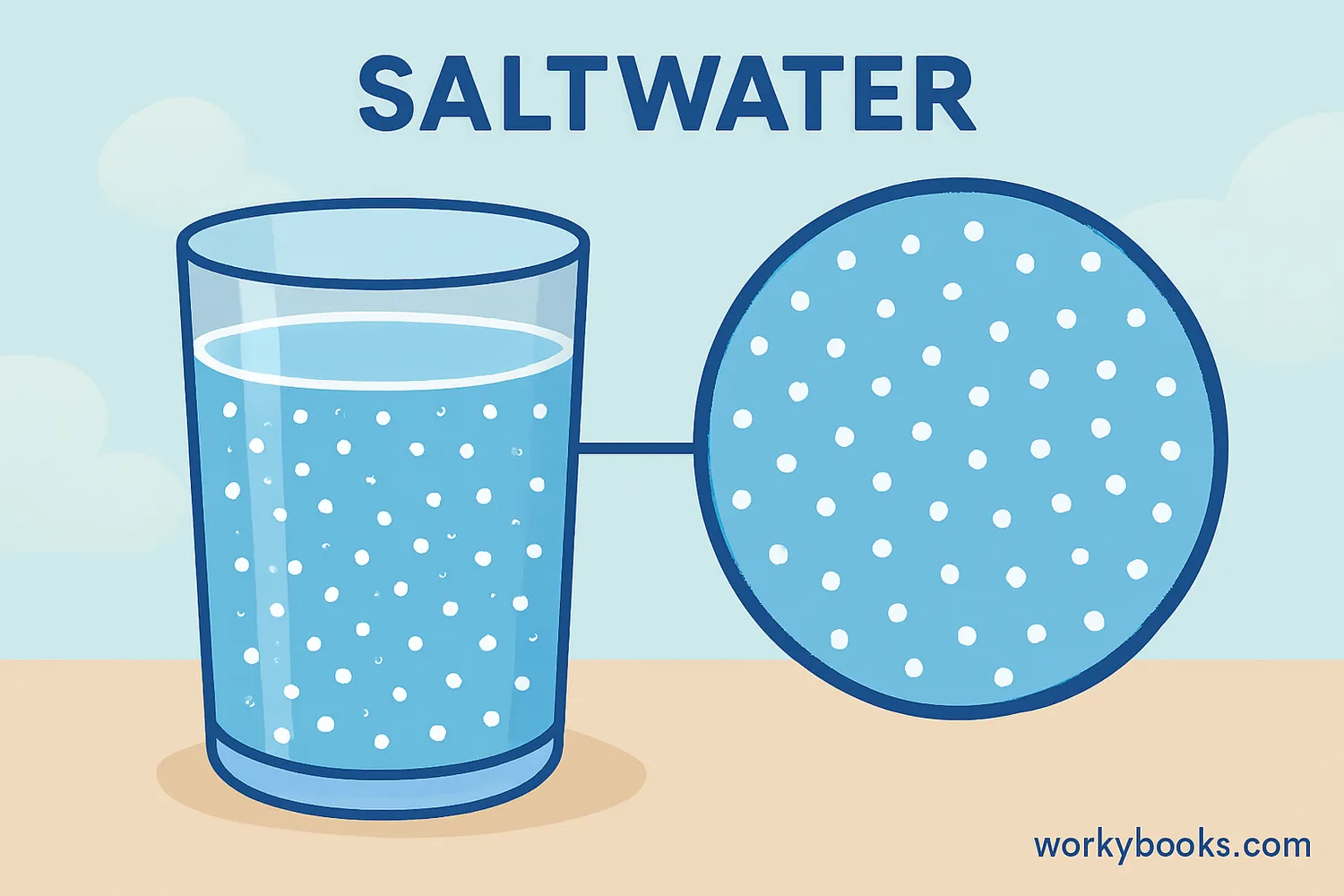
<p>mixture in which substances are evenly distributed (you cannot see the different parts)</p>
7
New cards
<p>heterogeneous mixture</p>

heterogeneous mixture

mixture in which you can see the different parts

<p>mixture in which you can see the different parts</p>
8
New cards
<p>chemical formula</p>

chemical formula

shows the elements of a compound in the set ratio of the atoms
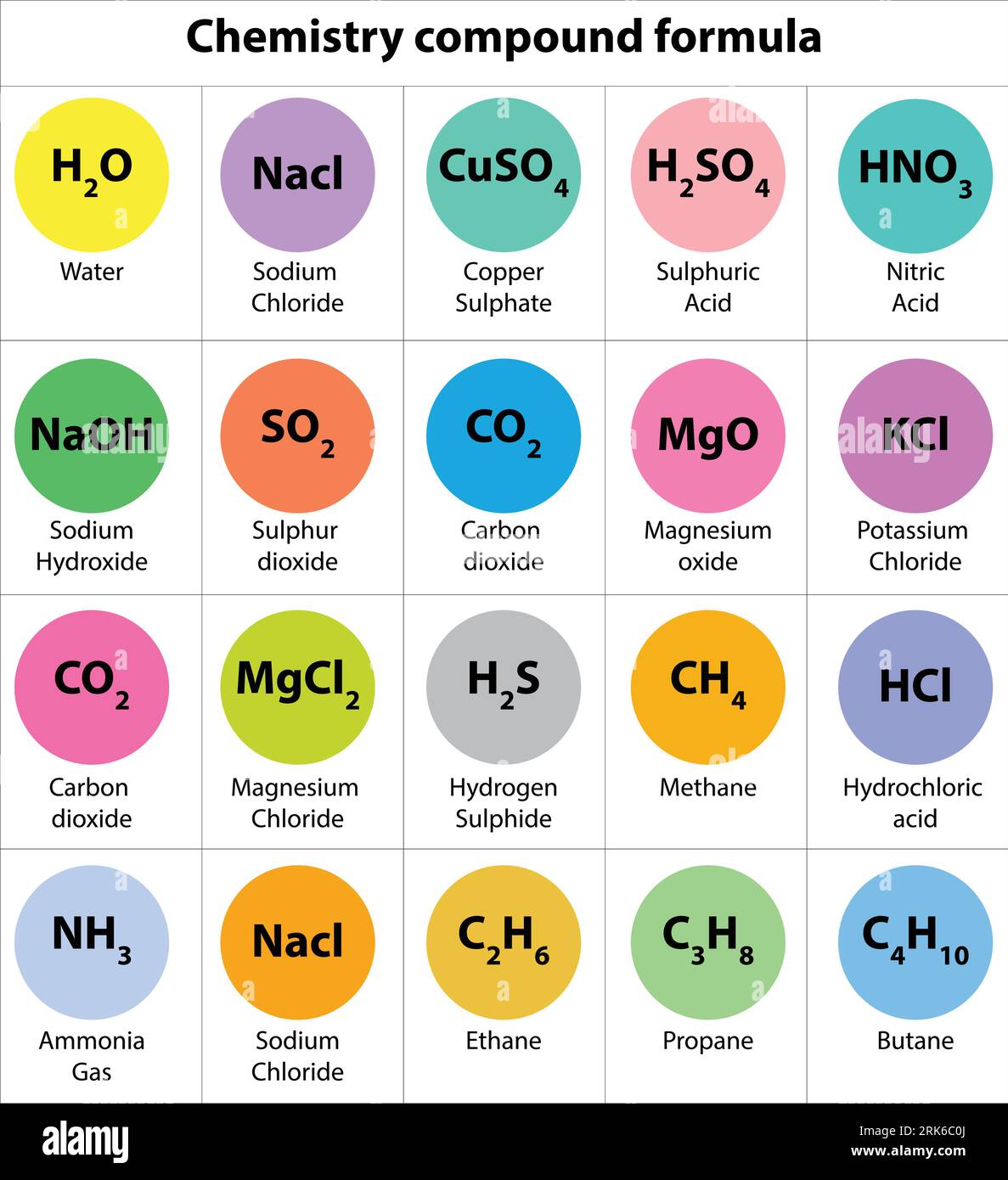
<p>shows the elements of a compound in the set ratio of the atoms</p>
9
New cards
<p>subscript</p>

subscript

number written below chemical symbol that tells how many atoms of that element is in the molecule or compound

<p>number written below chemical symbol that tells how many atoms of that element is in the molecule or compound</p>
10
New cards
<p>matter</p>

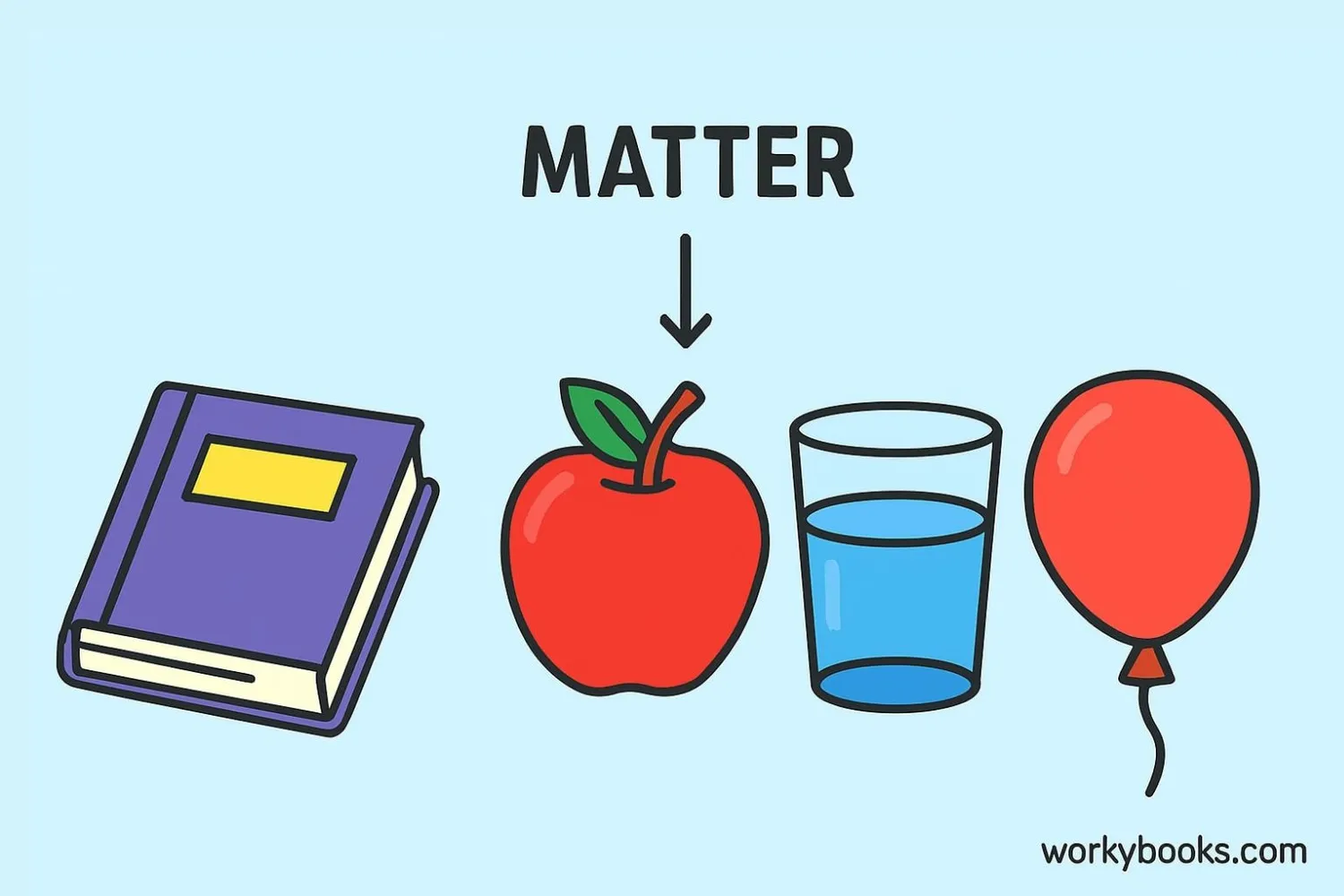
matter

anything that has mass and takes up space (volume)

<p>anything that has mass and takes up space (volume)</p>
11
New cards
<p>coeefficient</p>

coeefficient

a number placed in front of an element symbol or chemical formula in an equation; it tells you how many molecules of that substance are in the equation

<p>a number placed in front of an element symbol or chemical formula in an equation; it tells you how many molecules of that substance are in the equation</p>
12
New cards
<p>solution</p>

solution

a homogeneous mixture of two or more substances where the component particles are completely and uniformly distributed

<p>a homogeneous mixture of two or more substances where the component particles are completely and uniformly distributed</p>
13
New cards
<p>solvent</p>

solvent

The substance present in the greatest amount that does the dissolving in a solution.

<p>The substance present in the greatest amount that does the dissolving in a solution. </p>
14
New cards
<p>Colloid</p>

Colloid

a mixture where tiny, insoluble particles of one substance are suspended throughout another substance

<p>a mixture where tiny, insoluble particles of one substance are suspended throughout another substance</p>
15
New cards
<p>Magnets</p>

Magnets

A method of separation that uses magnetic properties to attract magnetic materials away from non-magnetic ones.

<p>A method of separation that uses magnetic properties to attract magnetic materials away from non-magnetic ones. </p>
16
New cards
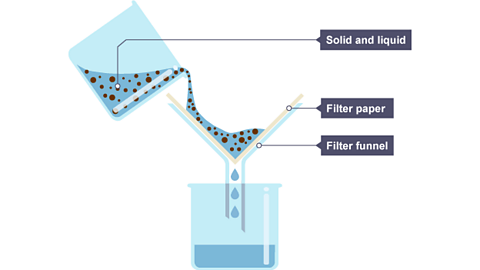
<p>Filtering</p>

Filtering

A physical separation process that uses a barrier to remove solid particles from a liquid or gas.

<p>A physical separation process that uses a barrier to remove solid particles from a liquid or gas. </p>
17
New cards
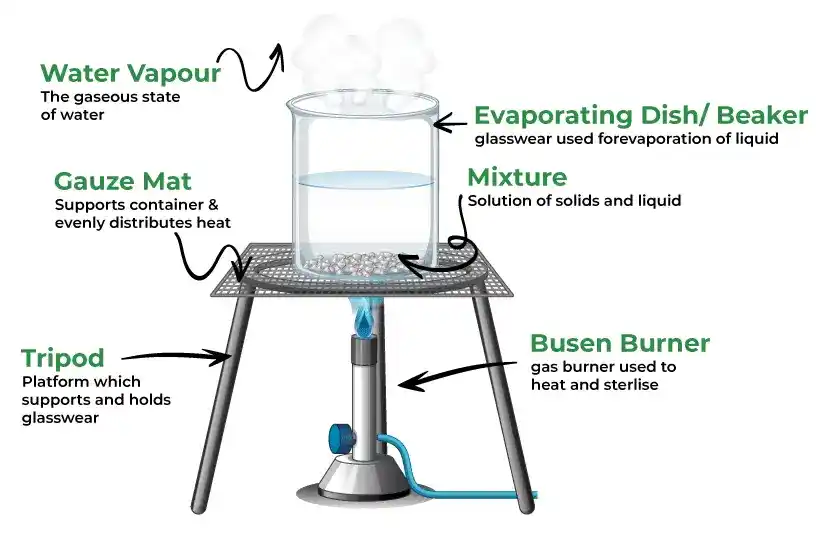
<p>Evaporation or boiling</p>

Evaporation or boiling

A separation process that involves heating a liquid to create vapor, which can then be condensed back into a liquid, separating the solid particles dissolved.

<p>A separation process that involves heating a liquid to create vapor, which can then be condensed back into a liquid, separating the solid particles dissolved.</p>