Chapter 5: A survey of eukaryotic cells and microorganisms
 Call Kai
 Learn
Learn Practice Test
 Spaced Repetition
 Match
Match Flashcards
 Knowt Play
1/50

There's no tags or description
Looks like no tags are added yet.
Name | Mastery | Learn | Test | Matching | Spaced | Call with Kai | Chat |
|---|
No analytics yet
Send a link to your students to track their progress
51 Terms
How did eukaryotes evolve?
-these cells evolved from prokaryotic organisms by a process called *symbiosis.
-first the smaller prokaryotic cell similar to purple bacteria that can use oxygen
-a larger prokaryote engulfs the smaller one; smaller one survives and remains surrounded by the vacuolar membrane
-smaller bacterium becomes a permanent resident of its hosts cytoplasm; it multiplies and is passed on during cell division. it utilizes aerobic metabolism and increases energy availability for the host.
-ancestral eukaryotic cell develops additional membrane pouches that became the endoplasmic reticulum and Golgi apparatus
-photosynthetic bacteria (similar to cyanobacteria) are also engulfed, they develop into chloroplasts.

What eukaryotic cells are always unicellular?
Protozoa
Which eukaryotic cells may be unicellular or multicellular?
Fungi
algae
Which eukaryotes are multicellular except during reproductive stage?
helminths (animals with unicellular egg or larval forms)
What is the general structure of eukaryotic microbial cells
cytoplasmic membrane, nucleus, mitochondria, endoplasmic reticulum, Golgi apparatus, vacuoles, cytoskeleton, and Glycocalyx.
*a cell wall, locomotor appendages and chloroplasts are only found in some groups.
What are two locomotor appendages found on some eukaryotic cells
1. Cilia and flagella
Which bacterial cells have Cilia?
found only in protozoa and animal cells.
Where is flagella found?
common in protozoa, algae, and a few fungal and animal cells.
Eukaryotic flagellum
-thick and covered by an extension of the cell membrane.
-long, sheathed cylinder containing regularly spaced hollow tubules-microtubules that extend its entire length.
- 9 are linked and anchored to the pair in the center
- whips back and forth and is able to walk

Eukaryotic cilia
-similar to structure of flagella but shorter and more numerous
-only found in certain protozoa and animal cells.
-beat back and forth in ciliated protozoa
- provide rapid motility

The nucleus
-Compact sphere that is most prominent organelle of eukaryotic cells.
-separated by cell envelope from cytoplasm.
-cell envelope is composed of two membranes separated by a narrow space-has pores at sites where two membranes unite.
-pores serve as selective passageways for molecules to migrate between the nucleus and cytoplasm.

what does the nucleus consist of?
-matrix called nucleoplasm
-a granular mass called the nucleolus.
Nucleolus
-found in nucleus
-the site for ribosomal RNA synthesis
-collection area for ribosomal subunits
-the subunits are transported through the nuclear pores into the cytoplasm for final assembly into ribosomes.

Chromatin
a network of dark fibers and a prominent feature of the nucleoplasm
compromises chromosomes.

chromosomes
large units of genetic information in the cell
-chromosomes in the nucleus of non-dividing cells are not readily visible because they are long, linear DNA molecules bound to histone proteins.
-

endoplasmic reticulum (ER)
is a microscopic series of tunnels used to transport synthesis and storage.
2 types: rough ER and smooth ER

RER
RER: contains spaces, or cisternae, to serve as a passageway from the nucleus to the cytoplasm and ultimately to cells exterior.
-appears rough because of large numbers of ribosomes attached to its membrane surface that synthesize proteins and transport them into the cavity of the reticulum.

SER
-functions in synthesis, storage, and transport, but mainly of non-protein molecules such as lipids.
-detoxification of a variety of metabolic products.

Golgi apparatus (Golgi complex)
-site in the cell in which proteins are collected and packaged for transport to their final destinations.
- pick up transport vesicles ( membrane bound of protein)
-proteins are modified by the addition of polysaccharides and lipids.
-pinch off finished condensing vesicles.
-proteins are packaged into vesicles

lysosome
one type of vesicle originating from the Golgi apparatus that contains enzymes.
- intracellular digestion of food.

Vacuoles
-other types of vesicles
-membrane bounds of sacs containing fluids or solid particles to be digested, excreted, or stored.

Mitochondria
-power house or generate energy
-plant, animal and fungal mitochondria have lamellar cristae folded into shell like layers.
-algae and protozoa are tubular, fingerlike projections or flattered discs.

Chloroplasts
organelles found in algae nd plant cells.
-capable of converting energy from sunlight into chemical energy through photosynthesis.

cytoplasmic matrix
surrounds nucleus
-houses organelles
-sustains major metabolic and synthetic activities.
-contains framework of molecules called cytoskeleton

cytoskeleton
framework of molecules functioned for support of cell

microfilaments
thin strands composed of the protein actin that attach to the cell membrane and form a network through the cytoplasm.

Microtubules
are long, hallow tubes that maintain the shape of eukaryotic cells such as protozoa that lack cell walls.

What are the two types of fungi?
- macroscopic fungi ( mushrooms, puff balls, gill fungi)
- microscopic fungi (molds, yeasts)

morphological types of microscopic fungi
-Hyphae- long threadlike cells that make up the bodies of filamentous fungi, or molds.
-yeasts- a cell distinguished by its round to oval shape and by its mode of asexual reproduction

Fungal nutrition
-all fungi are heterotrophic
-they acquire nutrients from a variety of organic sources or substrates
-most fungi are saprobes-they obtain these substrates from the remnants of dead plants and animals in soil or aquatic habitats.
-can also be parasites on the bodies of living animals or plants.
Fungi where they can be found
-are often found in nutritionally poor or adverse environments.
Yeasts microscopic fungi
single cells that form buds and pseudohyphae.

Hyphae microscopic fungi
-are long, tubular filaments that can be separate or non-separate and grow in a network called mycelium
-are characteristic of molds

Reproduction of fungi
reproduce through spores formed on special reproductive hyphae.
*asexual reproduction-spores are formed through budding, partitioning of a hypha, or in special sporogenous structures.
ex. conidia and sporangiospores.
*sexual reproduction- spores are formed following fusion of male and female strains and the formation of a sexual structure.
major groups of phyla among the terrestrial fungi
****
1. zygomycota(zygospores) *
2. Ascomycota (ascopores) *
3. Baisidiomycota (basidiospores) *
4. Chytridiomycota (motile zoo spores) *

Fungi Importance ****
-essential decomposers of plant and animal detritis in the environment.
-economically beneficial as sources of antibiotics
-used in making foods and in genetic studies.
adverse effects
-decomposition of fruits and vegetables
-human infections
-mycoses*
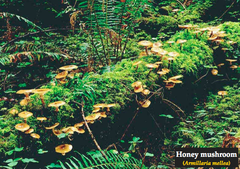
Algae
group that includes single-celled and colonial eukaryotic microbes that lack organization into tissues.
algae morphology
unicellular
colonial
filamentous
larger forms such as seaweed
nutritional mode of algae
photosynthetic
freshwater and marine water habitats
is the main component of plankton
importance of algae
-provide the basis of food web in most aquatic habitats.
-certain algae produce neurotoxins that are harmful to humans and animals
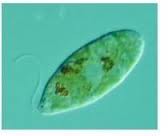
Protozoa
include large single-celled organisms; a few are pathogens

morphology of protozoa ***
-most are unicellular
-lack a cell wall
-cytoplasm is divided into ectoplasm
-many convert to a resistant, dormant stage called a cyst*
nutritional mode of protozoa
-all are heterotrophic
-most are free living in a moist habitat (water, soil)
feed by engulfing other microorganisms and organic -matter.
Protozoa reproduction
-asexual by binary fission and mitosis, budding
-sexual- by fusion of free swimming gametes, conjugation.

Major groups of Protozoa ***
are subdivided into four groups:
*mastigophora-the flagellates, motile by flagella
*Sarcodina- the amoebas, motile by pseudopods
*Ciliophora- the ciliates, motile by cilia
*Ampicomplexa- motility not well developed: produce unique reproductive structures
Importance of protozoa ***
-ecologically important in food webs
-decomposing organic matter
-medical significance: hundreds of millions of people are affected with one of the many protozoan infections ( malaria, trypansomoiasis, amoebiasis).
can be spread from host to host by insect *vectors
The parasitic helminths
includes roundworms, tapeworms, and flukes

helminths morphology
animal cells
multicellular
individual organs specialized for reproduction, digestion, movement, protection.

reproductive mode of helminths
-includes embryo, larval, and adult stages
- majority reproduce sexually
- sexes may be hermaphroditic
epidemiology of helminths
- developing countries in the tropics are hardest hit by helminth infections, transmitted via ingestion, vectors, and direct contact with infectious stages
-affect billions of people.
major comparisons between
fungi
algae
protozoa
helminths
have flagella and cilia:
protozoa only
have a cell wall:
algae and fungi and helminths; protozoa does not