0.1 The Scientific Attitude, Critical Thinking, and Psychological Perspectives

0.0(0)
Studied by 0 people
call kaiCall Kai
learnLearn
examPractice Test
spaced repetitionSpaced Repetition
heart puzzleMatch
flashcardsFlashcards
GameKnowt Play
Card Sorting

1/16

encourage image

There's no tags or description

Looks like no tags are added yet.

17 Terms

1
New cards

Psychology

The scientific study of behavior and mental processes.

2
New cards

Scientific approach

Ā Using careful observation and testing to develop psychological findings.

3
New cards

Scientific attitude

An approach based on curiosity, skepticism, and humility.

4
New cards

Curiosity

Asking whether an idea works and whether its predictions can be confirmed through testing.

5
New cards

Skepticism

Asking how we know something is true without doubting or believing everything automatically.

6
New cards

Humility

Being willing to be surprised and accept new ideas when things do not work as expected.

7
New cards

Critical thinking

Examining assumptions, evaluating sources and evidence, identifying hidden biases, and assessing conclusions rather than automatically accepting them.

8
New cards

Critical inquiry

Checking popular assumptions and intuitive beliefs against scientific evidence.

9
New cards

Four AP Psychology science practices

Concept application — Applying psychological concepts to examples.

Research methods and design — Understanding how psychological research is conducted.

Data interpretation — Interpreting research data.

Argumentation — Using scientific evidence to support or challenge claims.


10
New cards

Psychodynamic perspective

Focuses on unconscious motives, internal conflicts, and early childhood experiences.

  • Key person: Sigmund Freud.

  • Psychoanalytic theory: The original name associated with Freud's approach.

  • Free association: Allowing one word, image, or idea to trigger other thoughts, which can help explore unconscious feelings and memories.

  • Example: Exploring how unresolved childhood experiences may affect adult personality.


<p><span style="background-color: transparent;">Focuses on unconscious motives, internal conflicts, and early childhood experiences.</span></p><ul><li><p><span style="background-color: transparent;"><strong>Key person</strong>: Sigmund Freud.</span></p></li><li><p><span style="background-color: transparent;"><strong>Psychoanalytic theory:</strong> The original name associated with Freud's approach.</span></p></li><li><p><span><strong>Free association:</strong></span><span style="background-color: transparent;"><strong> </strong>Allowing one word, image, or idea to trigger other thoughts, which can help explore unconscious feelings and memories.</span></p></li></ul><ul><li><p><span style="background-color: transparent;"><strong><em>Example</em></strong><em>: Exploring how unresolved childhood experiences may affect adult personality.</em></span></p></li></ul><p></p><p></p>
11
New cards

Behavioral perspective

Focuses on observable behavior and how the environment shapes it through reinforcement, punishment, conditioning, and modeling.

  • Key people: John B. Watson, Ivan Pavlov, and B. F. Skinner.

  • Example: Using reinforcement to encourage desired behavior.
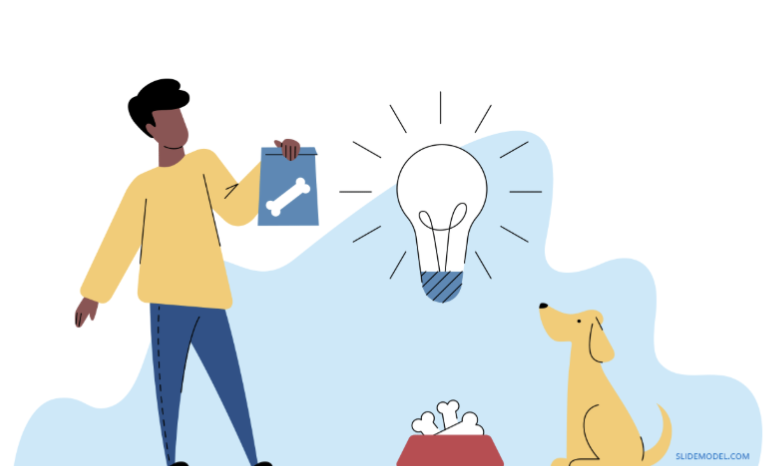

<p><span style="background-color: transparent;">Focuses on observable behavior and how the environment shapes it through reinforcement, punishment, conditioning, and modeling.</span></p><ul><li><p><span style="background-color: transparent;"><strong>Key people:</strong> John B. Watson, Ivan Pavlov, and B. F. Skinner.</span></p></li></ul><ul><li><p><span style="background-color: transparent;"><strong><em>Example:</em></strong><em> Using reinforcement to encourage desired behavior.</em></span></p></li></ul><p></p>
12
New cards

Sociocultural perspective

Focuses on how culture, social expectations, and interactions with others influence behavior.

  • Ā Example: Examining how cultural norms influence people's behavior within a group.


<p><span style="background-color: transparent;">Focuses on how culture, social expectations, and interactions with others influence behavior.</span></p><ul><li><p><span style="background-color: transparent;"><em>&nbsp;</em><strong><em>Example:</em></strong><em> Examining how cultural norms influence people's behavior within a group.</em></span></p></li></ul><p></p>
13
New cards

Humanistic perspective

Emphasizes free will, personal growth, and the potential to reach one's full potential.

  • Key people: Carl Rogers and Abraham Maslow.

  • Self-actualization: Striving to reach one's full potential.

  • Example: Helping someone develop self-esteem and work toward personal growth.


<p><span style="background-color: transparent;">Emphasizes free will, personal growth, and the potential to reach one's full potential.</span></p><ul><li><p><span style="background-color: transparent;"><strong>Key people</strong>: Carl Rogers and Abraham Maslow.</span></p></li><li><p><span><strong>Self-actualization:</strong></span><span style="background-color: transparent;"> Striving to reach one's full potential.</span></p></li></ul><ul><li><p><span style="background-color: transparent;"><strong><em>Example:</em></strong><em> Helping someone develop self-esteem and work toward personal growth.</em></span></p></li></ul><p></p>
14
New cards

Cognitive perspective

Focuses on how people interpret, process, and remember information.

  • Ā Example: Examining how thoughts and interpretations influence behavior.


<p><span style="background-color: transparent;">Focuses on how people interpret, process, and remember information.</span></p><ul><li><p><span style="background-color: transparent;"><strong><em>&nbsp;Example:</em></strong><em> Examining how thoughts and interpretations influence behavior.</em></span></p></li></ul><p></p>
15
New cards

Biological perspective

Focuses on how the brain, neurotransmitters, hormones, genetics, and nervous system influence thoughts and behavior.

  • Example: Studying how the nervous system affects behavior.


16
New cards

Biopsychosocial perspective

Examines how biological, psychological, and social factors interact to influence behavior and mental processes.

<p><span style="background-color: transparent;">Examines how biological, psychological, and social factors interact to influence behavior and mental processes.</span></p>
17
New cards

Evolutionary perspective

Examines how natural selection and adaptation influence behavior.

  • Key person: Charles Darwin.

  • Example: Studying how fear responses may have developed through natural selection.
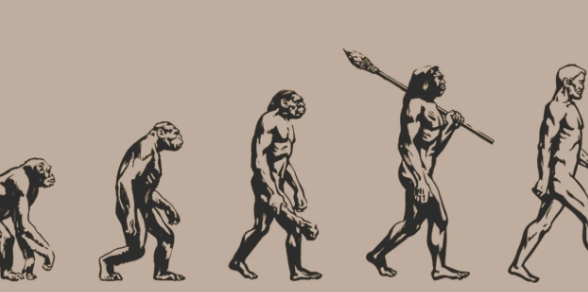

<p><span style="background-color: transparent;">Examines how natural selection and adaptation influence behavior.</span></p><ul><li><p><span style="background-color: transparent;"><strong>Key person:</strong> Charles Darwin.</span></p></li></ul><ul><li><p><span style="background-color: transparent;"><strong><em>Example:</em></strong><em> Studying how fear responses may have developed through natural selection.</em></span></p></li></ul><p></p>



