Ecosystems and Biodiversity Definitions

0.0(0)
Studied by 0 people
call kaiCall Kai
learnLearn
examPractice Test
spaced repetitionSpaced Repetition
heart puzzleMatch
flashcardsFlashcards
GameKnowt Play
Card Sorting

1/16

flashcard set

Earn XP

Description and Tags

17 Terms

1
New cards

Species

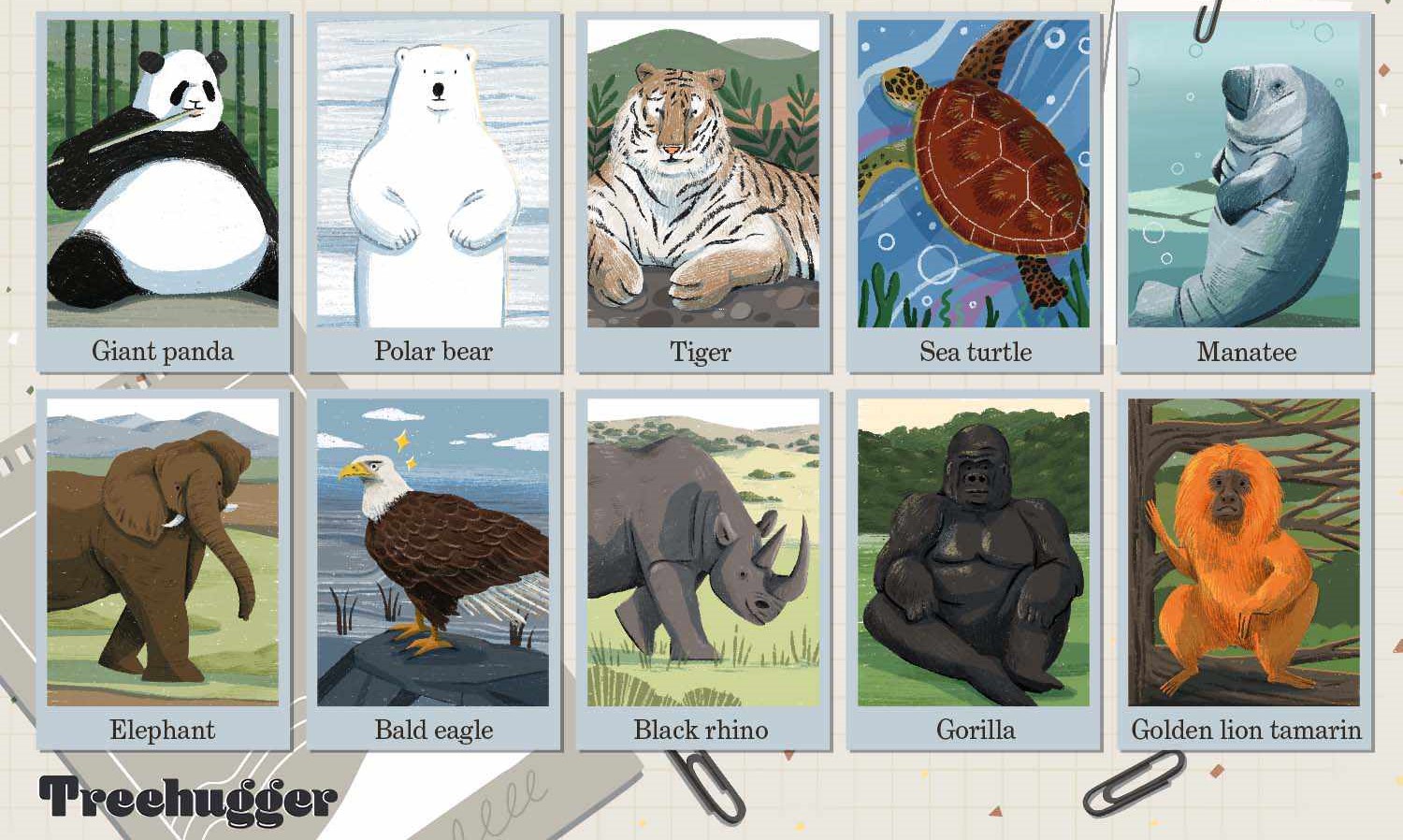
Any group of individuals that are capable of interbreeding with each other to produce fertile offspring (animals)
<p><span>Any group of individuals that are capable of interbreeding with each other to produce fertile offspring (animals)</span></p>
2
New cards

Population

A group of living organisms of the same species living in the same location at the same time

<table style="minWidth: 25px"><colgroup><col></colgroup><tbody><tr><td colspan="1" rowspan="1"><p><span>A group of living organisms of the same species living in the same location at the same time</span></p></td></tr></tbody></table>
3
New cards

Communities

A group of populations that live and interact in the same ecosystem

<table style="minWidth: 25px"><colgroup><col></colgroup><tbody><tr><td colspan="1" rowspan="1"><p><span>A group of populations that live and interact in the same ecosystem</span></p></td></tr></tbody></table>
4
New cards

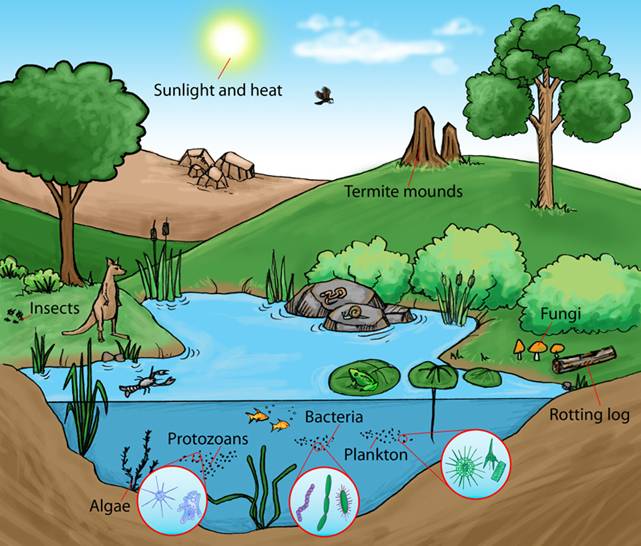
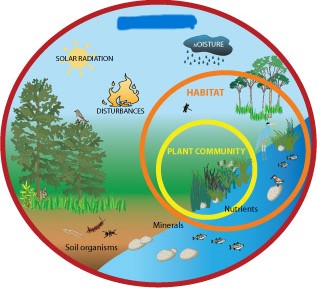
Ecosystem

A community of interacting organisms and their physical environment

<table style="minWidth: 25px"><colgroup><col></colgroup><tbody><tr><td colspan="1" rowspan="1"><p><span>A community of interacting organisms and their physical environment</span></p></td></tr></tbody></table>
5
New cards

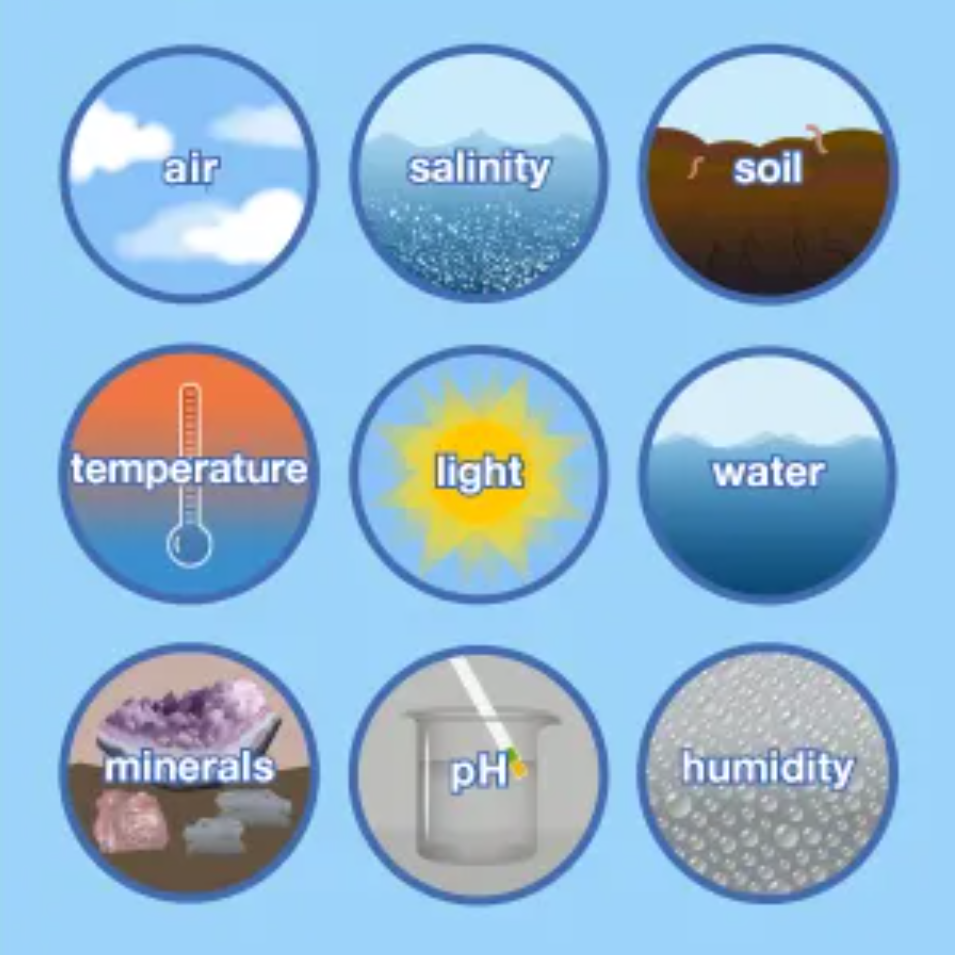
Abiotic Factor

The non-living components of an ecosystem

<table style="minWidth: 25px"><colgroup><col></colgroup><tbody><tr><td colspan="1" rowspan="1"><p><span>The non-living components of an ecosystem</span></p></td></tr></tbody></table>
6
New cards

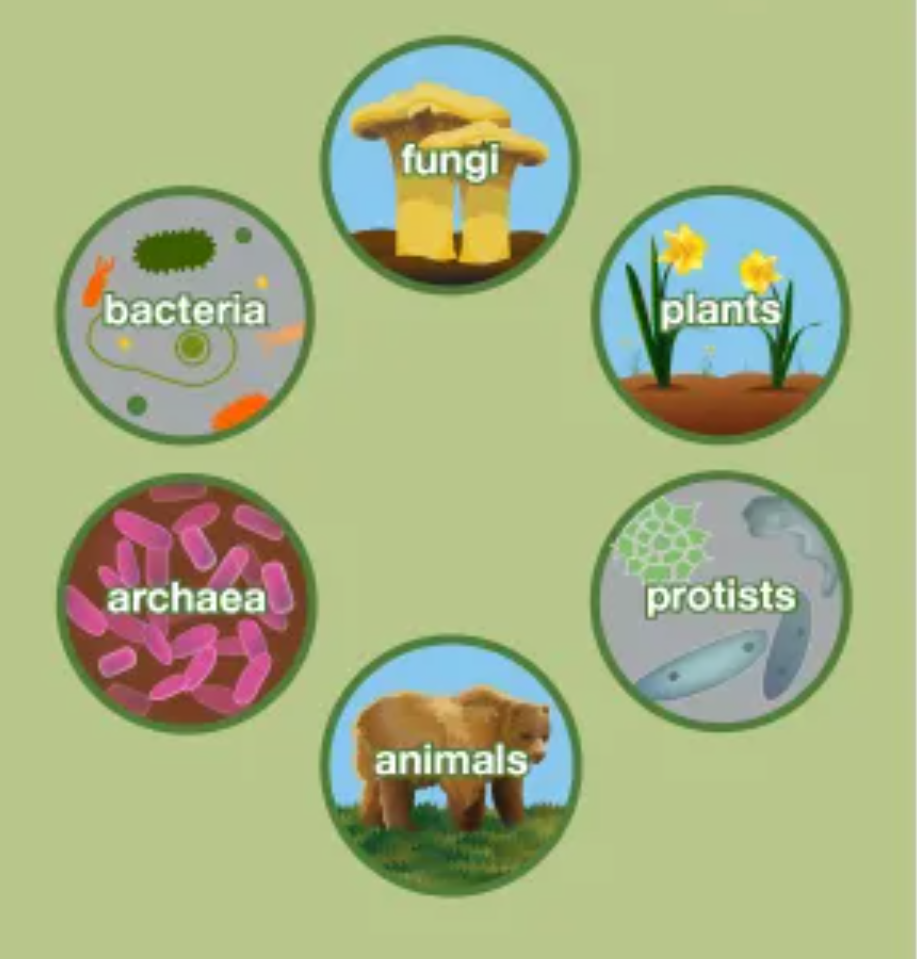
Biotic Factor

The living components of an ecosystem

<table style="minWidth: 25px"><colgroup><col></colgroup><tbody><tr><td colspan="1" rowspan="1"><p><span>The living components of an ecosystem</span></p></td></tr></tbody></table>
7
New cards

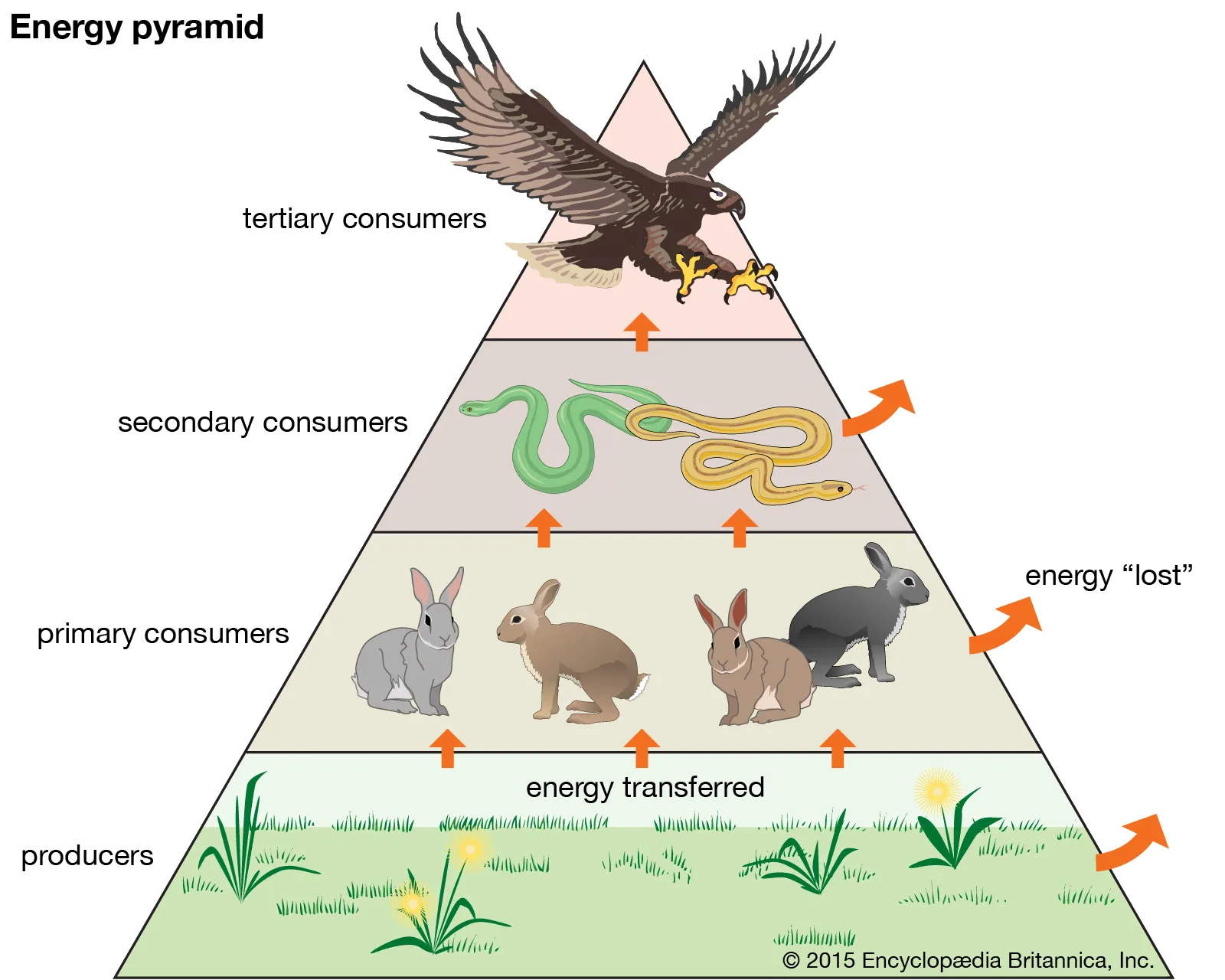
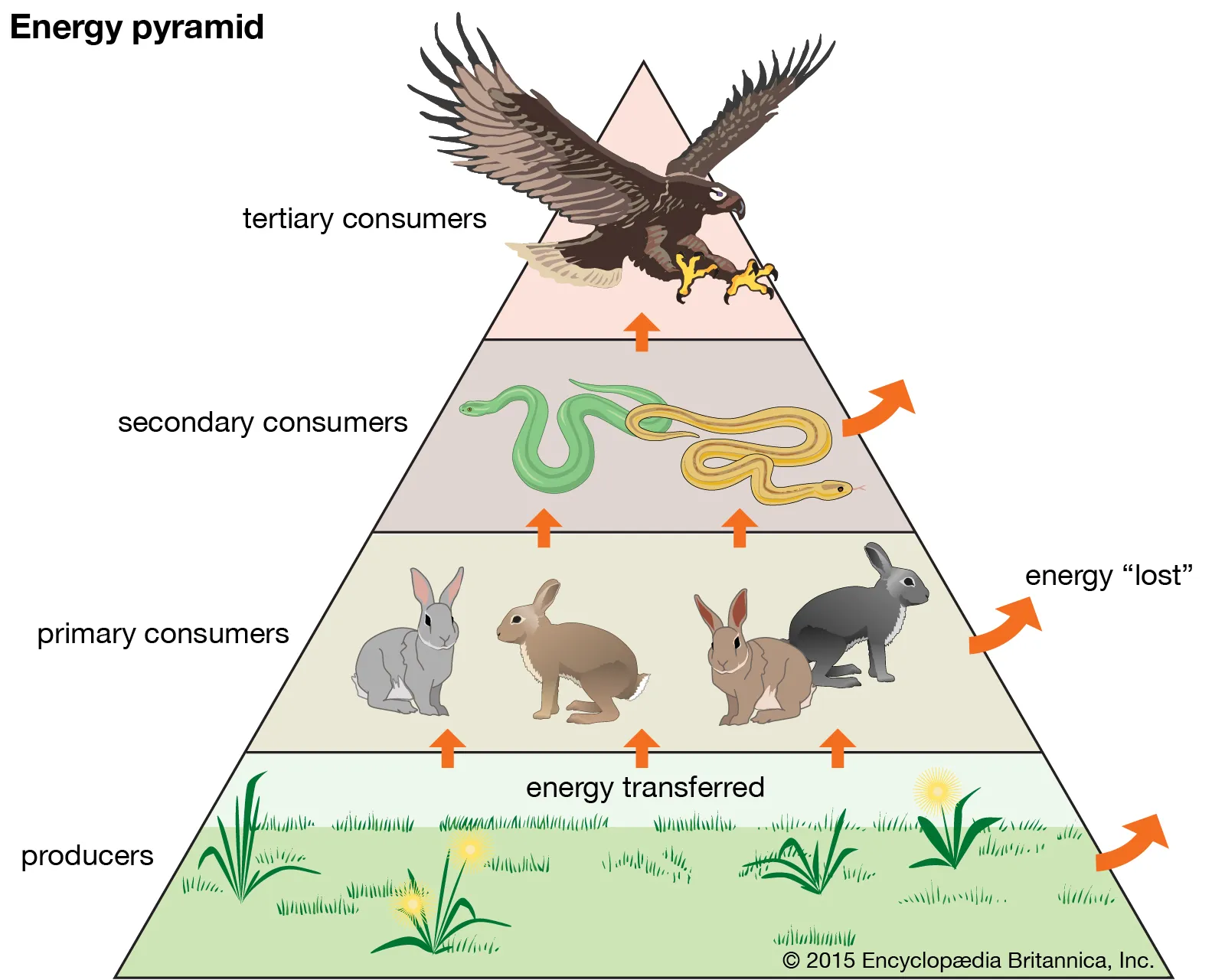
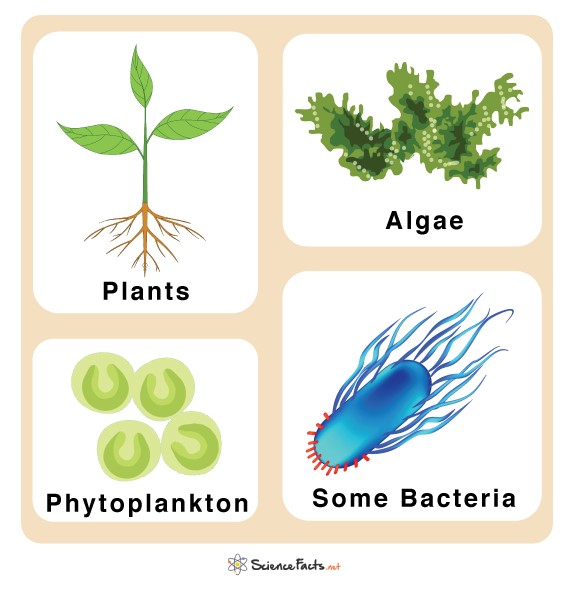
Producer

Autotrophs that synthesise organic matter from inorganic materials such as carbon dioxide and water (photosynthesis)

<table style="minWidth: 25px"><colgroup><col></colgroup><tbody><tr><td colspan="1" rowspan="1"><p><span>Autotrophs that synthesise organic matter from inorganic materials such as carbon dioxide and water (photosynthesis)</span></p></td></tr></tbody></table>
8
New cards

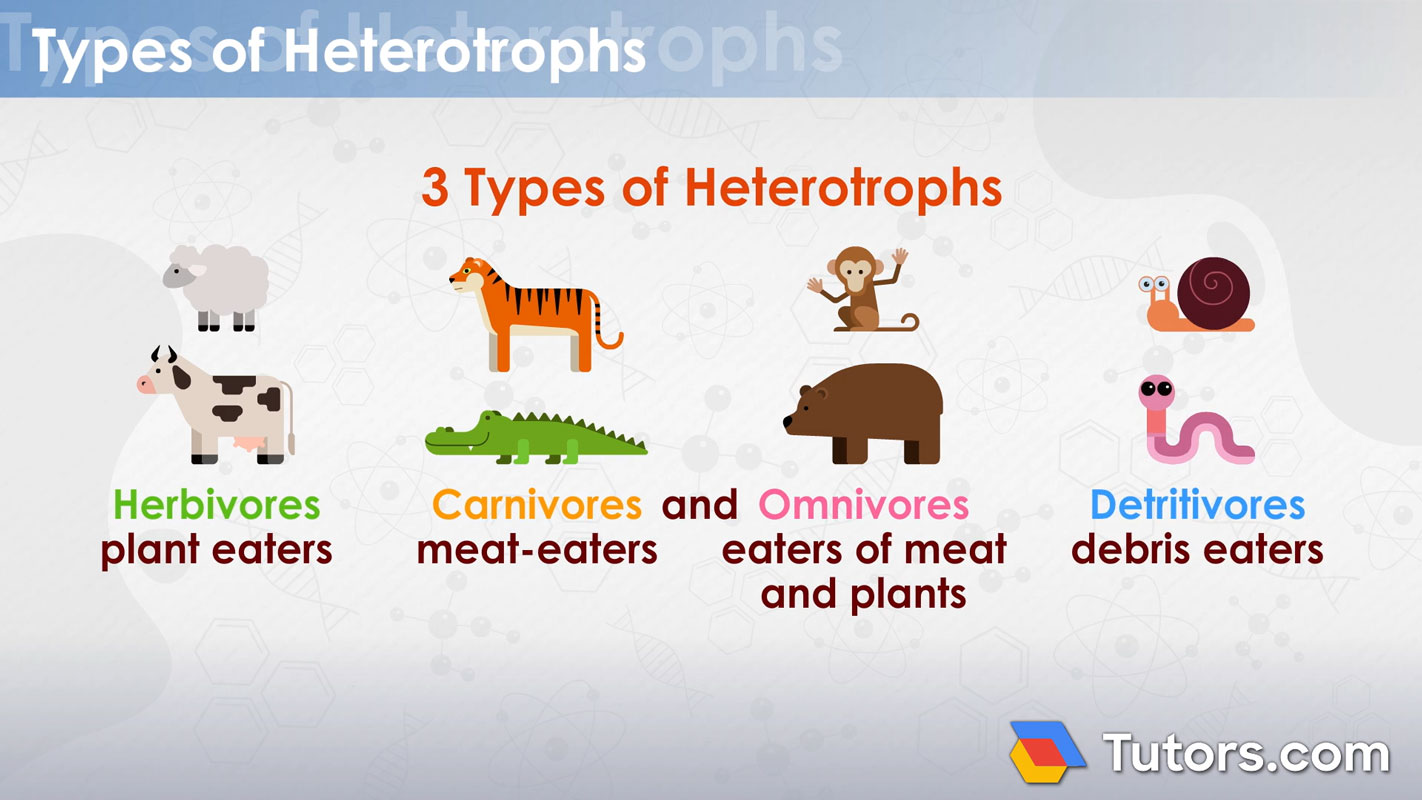
Consumer

Heterotrophs that obtain organic matter by consuming plants and other animals

<table style="minWidth: 25px"><colgroup><col></colgroup><tbody><tr><td colspan="1" rowspan="1"><p><span>Heterotrophs that obtain organic matter by consuming plants and other animals</span></p></td></tr></tbody></table>
9
New cards

Autotroph

An organism which produces its own energy

<table style="minWidth: 25px"><colgroup><col></colgroup><tbody><tr><td colspan="1" rowspan="1"><p><span>An organism which produces its own energy</span></p></td></tr></tbody></table>
10
New cards

Heterotroph

An organism that consumes other organisms to obtain energy

<table style="minWidth: 25px"><colgroup><col></colgroup><tbody><tr><td colspan="1" rowspan="1"><p><span>An organism that consumes other organisms to obtain energy</span></p></td></tr></tbody></table>
11
New cards

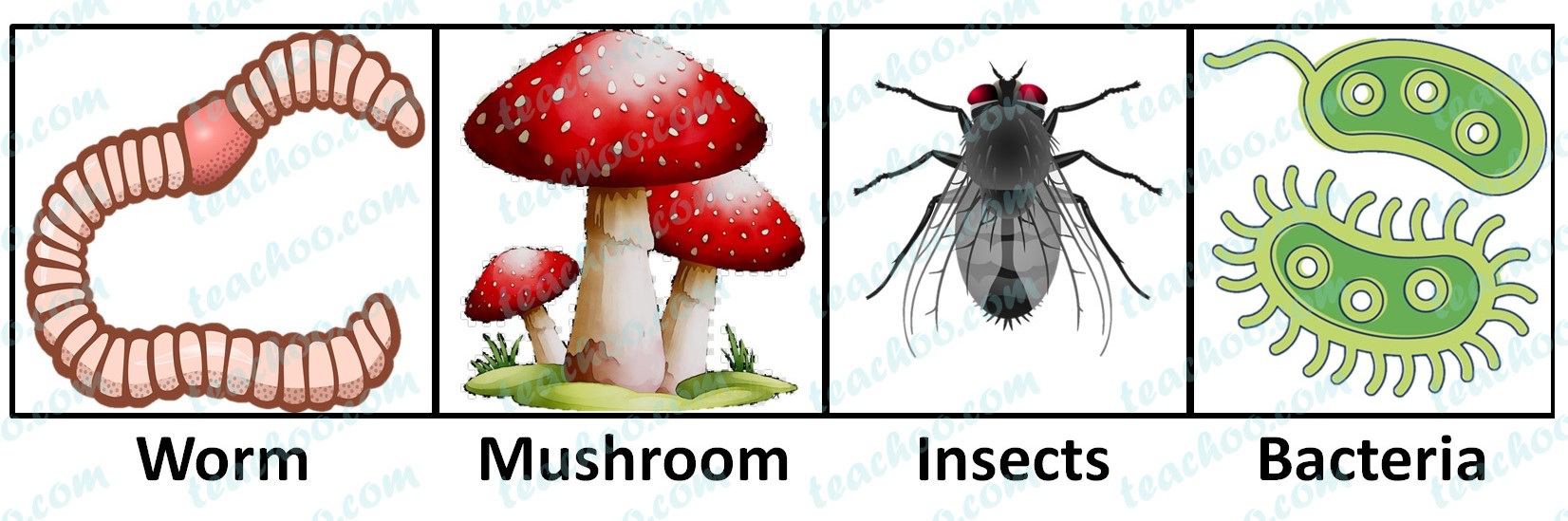
Decomposer

An organism that feeds on the dead remains and wastes of other organisms, thus recycling nutrients in the process

<table style="minWidth: 25px"><colgroup><col></colgroup><tbody><tr><td colspan="1" rowspan="1"><p><span>An organism that feeds on the dead remains and wastes of other organisms, thus recycling nutrients in the process</span></p></td></tr></tbody></table>
12
New cards

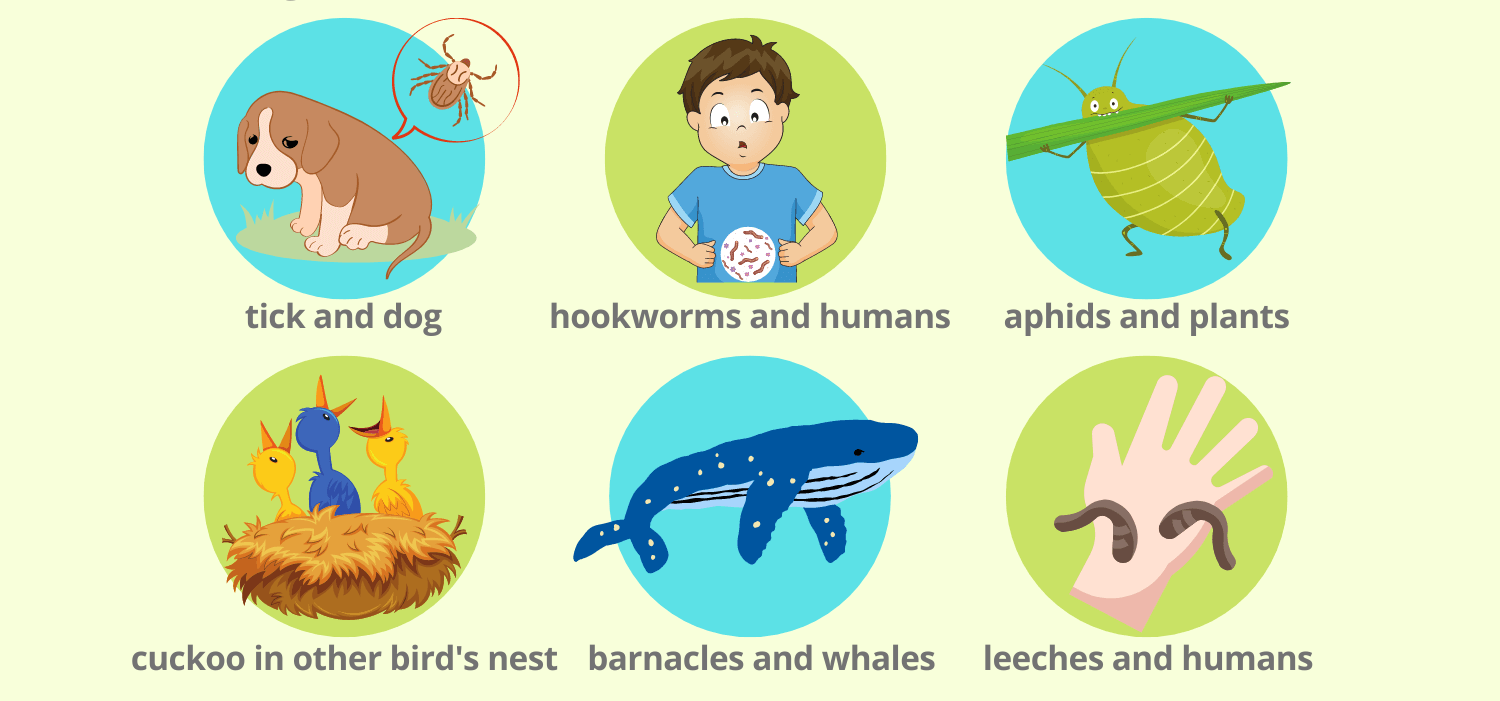
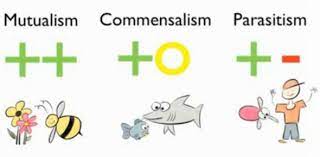
Parasite

An organism of one species that lives in or on another organism (it’s host, deriving nutrients at the expense of the other. One species benefits, one species is harmed

<table style="minWidth: 25px"><colgroup><col></colgroup><tbody><tr><td colspan="1" rowspan="1"><p><span>An organism of one species that lives in or on another organism (it’s host, deriving nutrients at the expense of the other. One species benefits, one species is harmed</span></p></td></tr></tbody></table>
13
New cards

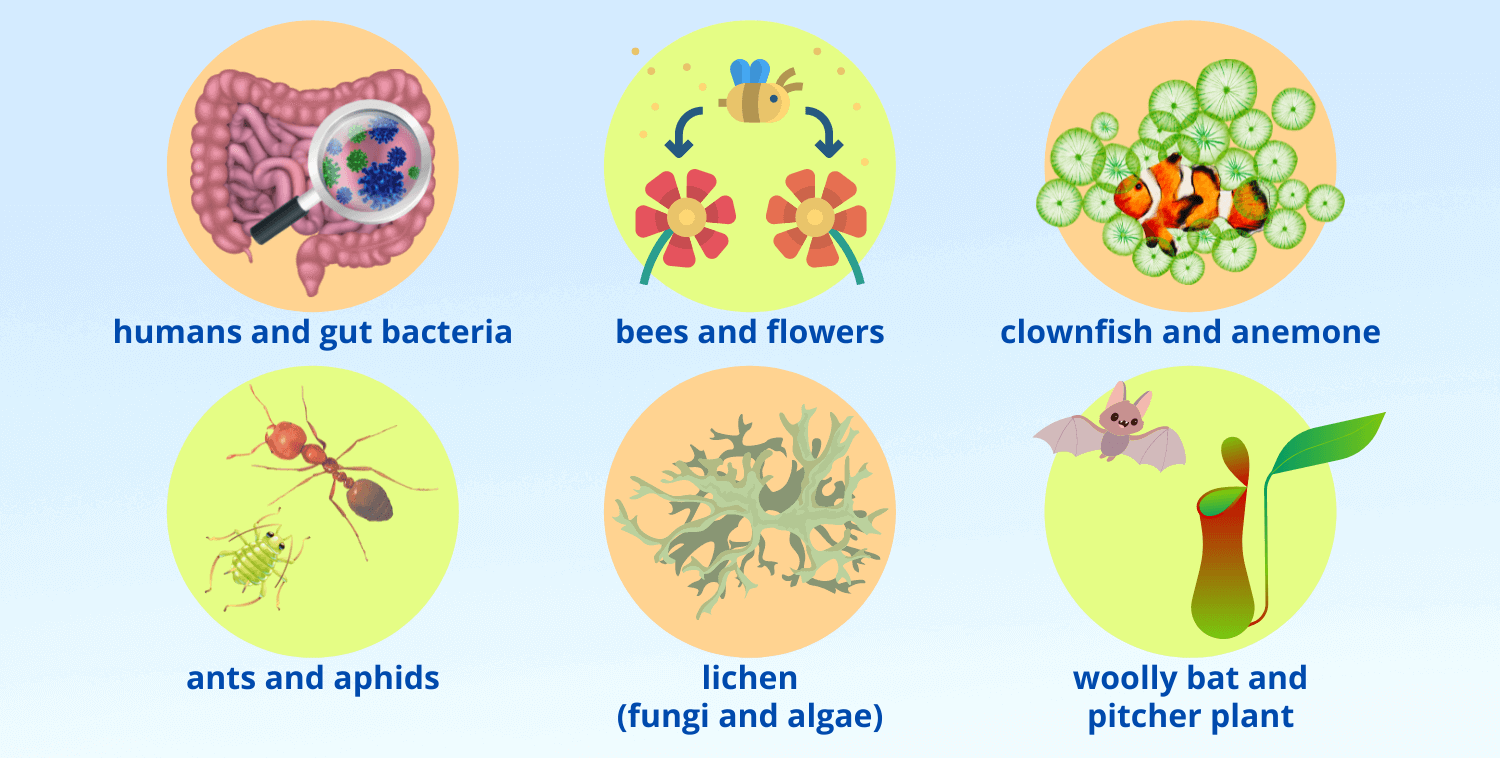
Mutualism

Describes an interaction between species where both species benefit

<table style="minWidth: 25px"><colgroup><col></colgroup><tbody><tr><td colspan="1" rowspan="1"><p><span>Describes an interaction between species where both species benefit</span></p></td></tr></tbody></table>
14
New cards

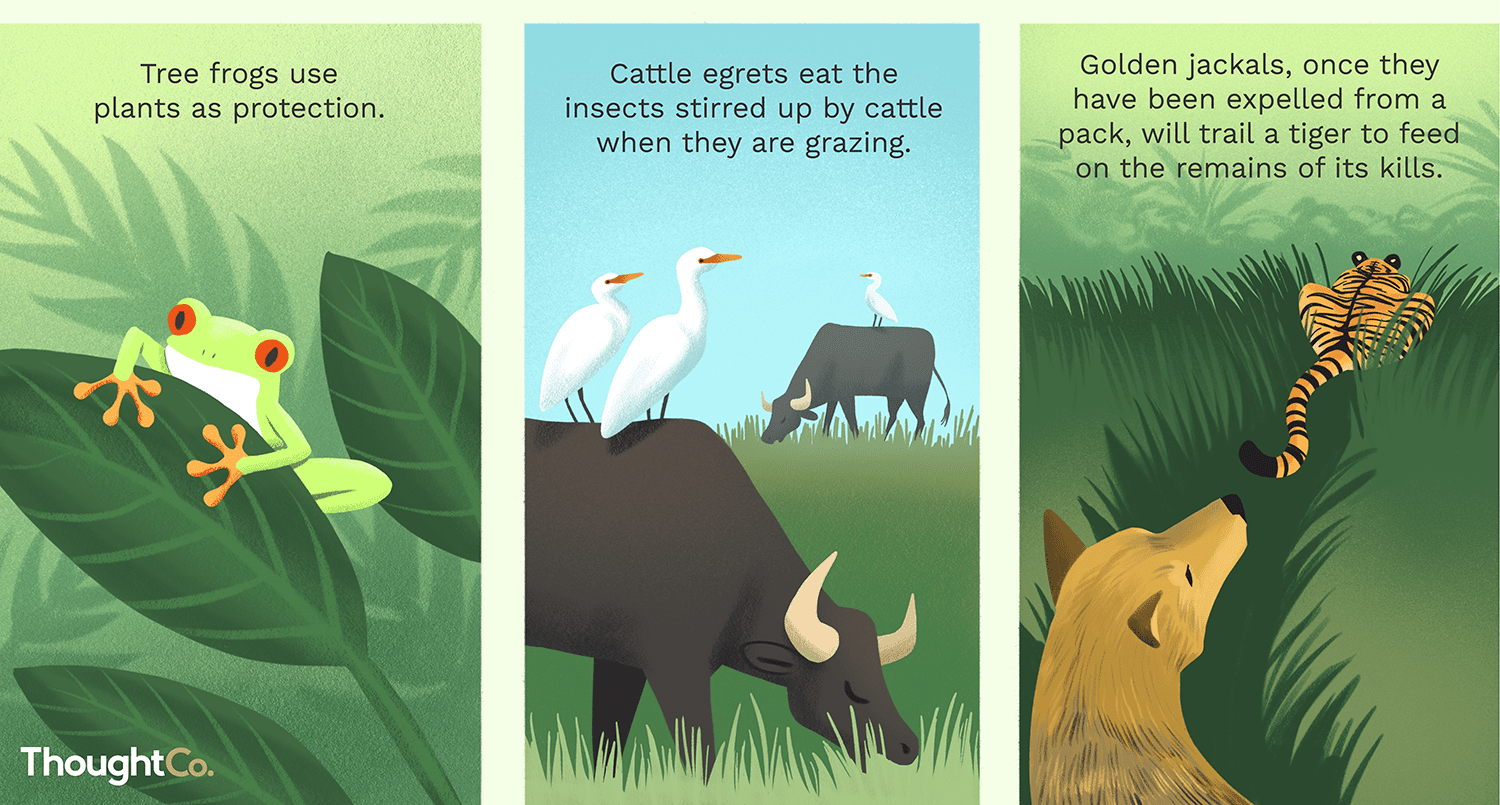
Communalism

An interaction between species where one species benefits and the other is unaffected

<table style="minWidth: 25px"><colgroup><col></colgroup><tbody><tr><td colspan="1" rowspan="1"><p><span>An interaction between species where one species benefits and the other is unaffected</span></p></td></tr></tbody></table>
15
New cards

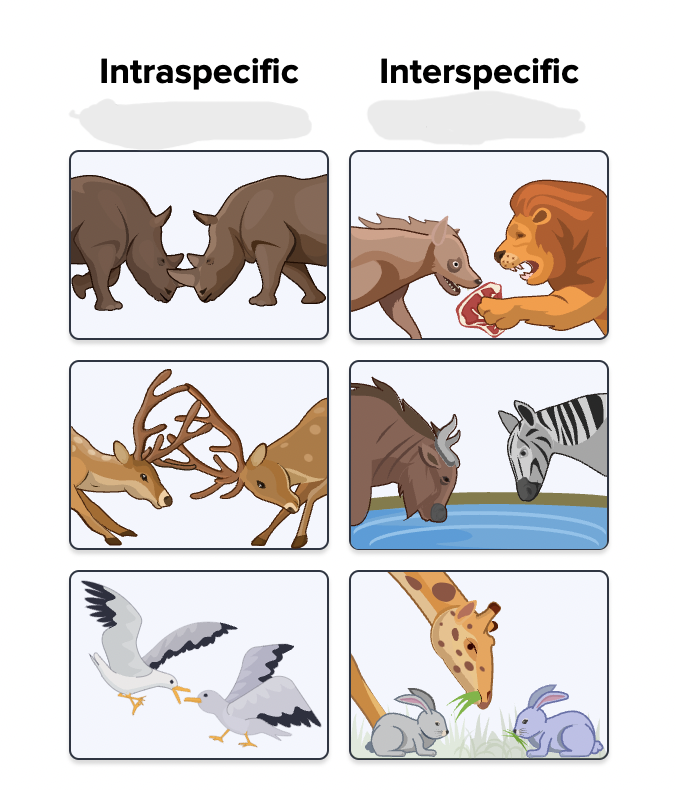
Competition

Interactions where one species benefits while the other is harmed

<table style="minWidth: 25px"><colgroup><col></colgroup><tbody><tr><td colspan="1" rowspan="1"><p><span>Interactions where one species benefits while the other is harmed</span></p></td></tr></tbody></table>
16
New cards

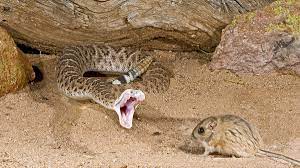
Predation

A type of interaction in which two species each have a harmful influence on the other. This can also occur within a species

<table style="minWidth: 25px"><colgroup><col></colgroup><tbody><tr><td colspan="1" rowspan="1"><p><span>A type of interaction in which two species each have a harmful influence on the other. This can also occur within a species</span></p></td></tr></tbody></table>
17
New cards

Symbiotic Relationship

A relationship between two species where at least one species benefits

<table style="minWidth: 25px"><colgroup><col></colgroup><tbody><tr><td colspan="1" rowspan="1"><p><span>A relationship between two species where at least one species benefits</span></p></td></tr></tbody></table>