APUSH Period 5 (1844–1877): Historical Figures
 Call Kai
 Learn
 Practice Test
 Spaced Repetition
 Match
 Flashcards
1/46

There's no tags or description
Looks like no tags are added yet.
47 Terms
James K. Polk
Election of 1844, Manifest Destiny, Texas annexation, Oregon Treaty (1846), Mexican-American War, Mexican Cession, Treaty of Guadalupe Hidalgo, expansion to the Pacific Ocean
John L. O'Sullivan
Manifest Destiny, popularization of the term in 1845, Texas annexation, westward expansion, American territorial expansion
John C. Frémont
western exploration, mapping of the West, Bear Flag Revolt, California conquest, first Republican presidential candidate (1856)
Winfield Scott
Mexican-American War, Veracruz campaign, capture of Mexico City, Anaconda Plan, Union military strategy
Zachary Taylor
Mexican-American War, Battle of Buena Vista, Election of 1848, 12th president, opposition to extending slavery into California and New Mexico
Antonio López de Santa Anna
Mexican-American War, Mexican military leadership, Battle of Buena Vista, defense of Mexico City, Gadsden Purchase (1853)
Brigham Young
Mormon migration, settlement of Salt Lake Valley (1847), Utah Territory, westward religious migration

Henry Clay
Compromise of 1850, Great Compromiser, California statehood, popular sovereignty in Utah and New Mexico territories, Fugitive Slave Act as part of compromise, sectional tensions
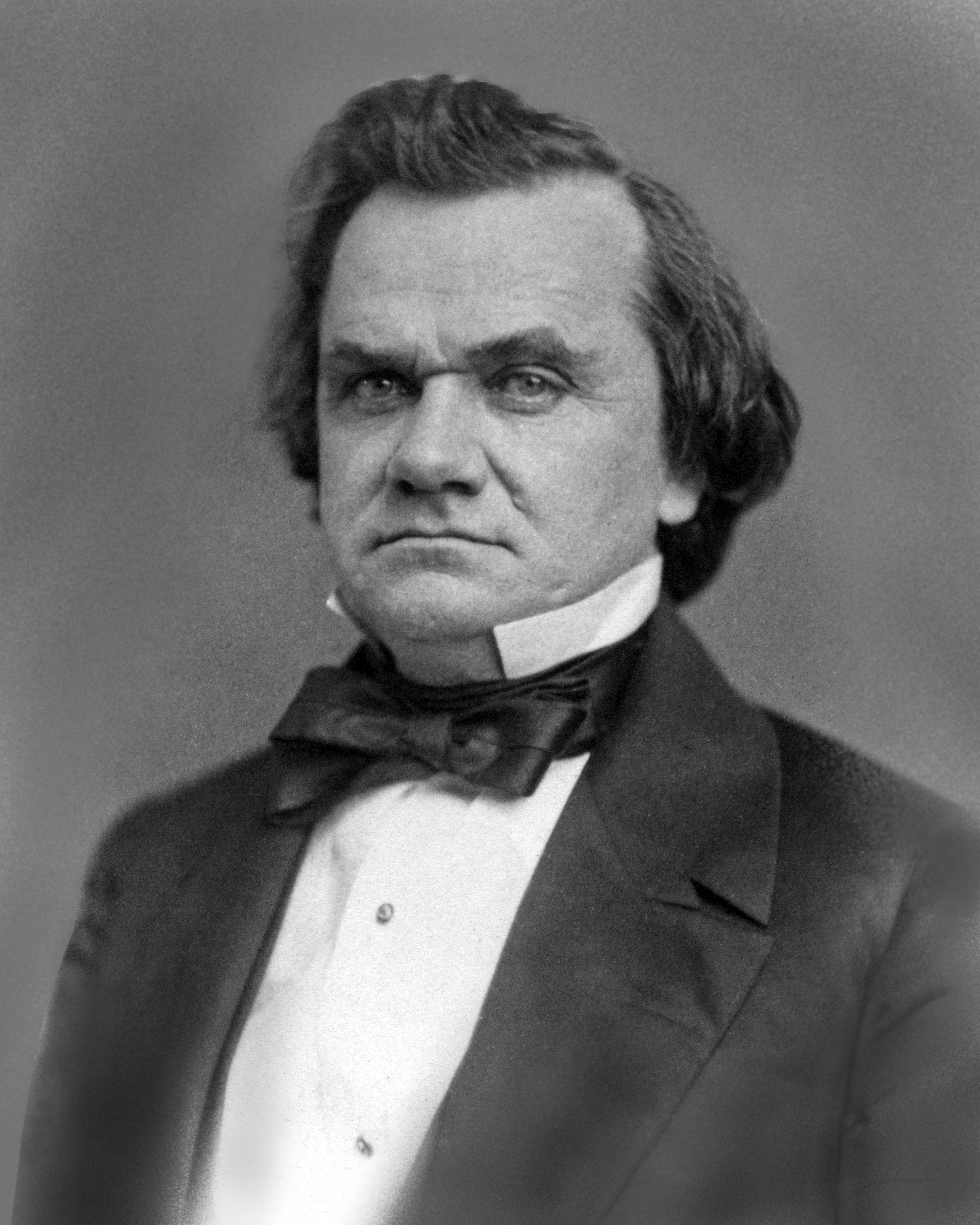
Stephen A. Douglas
Compromise of 1850, popular sovereignty, Kansas-Nebraska Act (1854), repeal of Missouri Compromise restriction, Bleeding Kansas, Lincoln-Douglas Debates (1858), Freeport Doctrine, Election of 1860

John C. Calhoun
Southern sectionalism, states' rights, defense of slavery, opposition to Compromise of 1850, protection of slaveholders' rights in western territories

Daniel Webster
Compromise of 1850, preservation of Union, support for stronger Fugitive Slave Act enforcement
Millard Fillmore
13th president, Compromise of 1850, Fugitive Slave Act (1850), sectional compromise
Franklin Pierce
14th president, Kansas-Nebraska Act, Gadsden Purchase, Ostend Manifesto, expansion of slavery controversy
James Buchanan
15th president, Dred Scott decision, Lecompton Constitution, Bleeding Kansas, secession crisis, failure to prevent Southern secession
Charles Sumner
antislavery Republican senator, Crime Against Kansas speech, caning by Preston Brooks (1856), Radical Republicans, civil rights legislation
Preston Brooks
caning of Charles Sumner, Southern defense of slavery, sectional violence in Congress
David Wilmot
Wilmot Proviso (1846), proposal to prohibit slavery in territory acquired from Mexico, Free Soil movement, sectional conflict
John Bell
Constitutional Union Party, Election of 1860, preservation of Union through constitutional compromise
John J. Crittenden
Crittenden Compromise (1860), attempt to prevent secession, proposed constitutional protections for slavery
Roger B. Taney
chief justice, Dred Scott v. Sandford (1857), denial of Black national citizenship, ruling against congressional prohibition of slavery in federal territories
Dred Scott
enslaved man who sued for freedom, Dred Scott v. Sandford (1857), Supreme Court slavery decision, sectional conflict

Hinton Helper
The Impending Crisis of the South (1857), criticism of slavery's economic effects on non-slaveholding whites, Southern sectional tensions


Frederick Douglass
Narrative of the Life of Frederick Douglass (1845), The North Star (1847), abolitionism, What to the Slave Is the Fourth of July? speech (1852), support for Black enlistment in Union Army, emancipation, Black citizenship and suffrage
Harriet Tubman
escape from slavery (1849), Underground Railroad, rescue missions, abolitionism, Union spy and scout, Combahee River Raid (1863), emancipation
Harriet Beecher Stowe
Uncle Tom's Cabin (1852), abolitionist literature, opposition to Fugitive Slave Act, growth of Northern antislavery sentiment, sectional tensions

John Brown
militant abolitionism, Pottawatomie killings (1856), Bleeding Kansas, raid on Harpers Ferry (1859), attempted slave uprising, execution, intensified sectional conflict
William Lloyd Garrison
The Liberator, immediate abolitionism, American Anti-Slavery Society, moral suasion, opposition to slavery, emancipation
Sojourner Truth
abolitionism, women's rights, Ain't I a Woman? speech (1851), support for Union war effort, formerly enslaved activist
Elizabeth Cady Stanton
Seneca Falls Convention (1848), Declaration of Sentiments, women's suffrage, National Woman Suffrage Association (1869), opposition to 15th Amendment without women's suffrage
Lucretia Mott
Seneca Falls Convention, abolitionism, women's rights, equal rights activism, American Equal Rights Association
Lucy Stone
women's suffrage, abolitionism, American Woman Suffrage Association (1869), support for 15th Amendment, Woman's Journal (1870)
Abraham Lincoln
Election of 1860, Republican Party, preservation of Union, Civil War, Emancipation Proclamation (1863), Gettysburg Address (1863), suspension of habeas corpus, reelection in 1864, Second Inaugural Address, 13th Amendment, assassination (1865)
Jefferson Davis
president of Confederate States, Southern secession, Confederate war effort, states' rights contradictions, Confederate nationalism, defeat of Confederacy
Ulysses S. Grant
Union general, Fort Donelson, Battle of Shiloh, Vicksburg Campaign, Union victory, Appomattox surrender, Election of 1868, 18th president, Enforcement Acts, suppression of Ku Klux Klan, Reconstruction
Robert E. Lee
Confederate general, Army of Northern Virginia, Seven Days Battles, Battle of Antietam, Battle of Gettysburg, surrender at Appomattox Court House (1865)
William Tecumseh Sherman
Union general, Atlanta Campaign, March to the Sea (1864), total war strategy, destruction of Confederate infrastructure, Union victory
Thomas “Stonewall” Jackson
Confederate general, First Battle of Bull Run, Shenandoah Valley Campaign, Battle of Chancellorsville, Confederate military leadership
George B. McClellan
Union general, Army of the Potomac, Peninsula Campaign, Battle of Antietam, cautious military leadership, Democratic presidential candidate (1864)

Clara Barton
Civil War battlefield nursing, humanitarian relief, Missing Soldiers Office, founder of American Red Cross (1881)
Andrew Johnson
17th president, Presidential Reconstruction, lenient restoration of Southern states, pardons to former Confederates, opposition to Freedmen's Bureau legislation, veto of Civil Rights Act of 1866, conflict with Radical Republicans, Tenure of Office Act, impeachment (1868), acquittal by one vote

Thaddeus Stevens
Radical Republicans, Congressional Reconstruction, civil rights for formerly enslaved people, 14th Amendment, Reconstruction Acts (1867), impeachment of Andrew Johnson, proposals for land redistribution
Rutherford B. Hayes
disputed Election of 1876, Compromise of 1877, withdrawal of remaining federal troops from Southern statehouses, end of Reconstruction, return of Southern Democratic political control
Edwin Stanton
Lincoln's secretary of war, Union war administration, conflict with Andrew Johnson, Tenure of Office Act, Johnson impeachment
Hiram Revels
first African American U.S. senator (1870), Mississippi, Reconstruction, Black political participation, expansion of citizenship and voting rights
Blanche K. Bruce
U.S. senator from Mississippi, first African American elected to serve a full Senate term, Reconstruction politics, African American political leadership

Nathan Bedford Forrest
Confederate cavalry general, Fort Pillow Massacre, early Ku Klux Klan leadership, white supremacist violence, resistance to Reconstruction
Samuel J. Tilden
Democratic presidential candidate (1876), disputed election, Compromise of 1877, end of Reconstruction