ENVR 164 Slide Show Exam
 Call Kai
 Learn
 Practice Test
 Spaced Repetition
 Match
 Flashcards
 Knowt Play
1/70

There's no tags or description
Looks like no tags are added yet.
71 Terms

What is this? Describe it’s characteristics
Mor
Cool/moist climates
Thick LFH layer
Little/no insect activity
Matted fungal mycelia in F
Abrupt transition between LFH layers

What is this? Describe it’s characteristics
Moder
Moderate climates
Found under both coniferous and deciduous forests
Fungal mycelia (loose not matted) and insect activity are common
Gradual transition between LFH layers
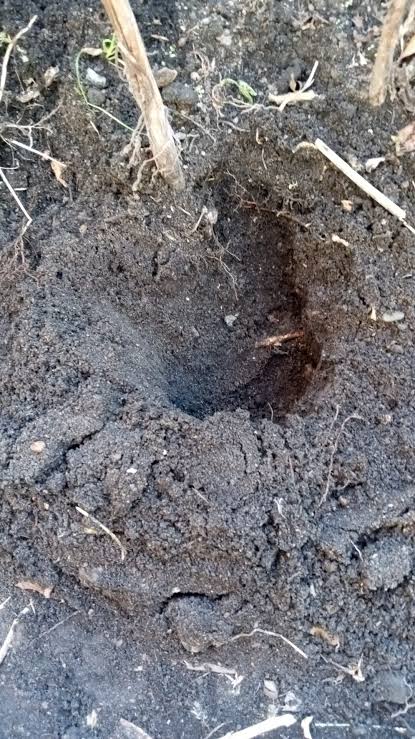
What is this? Describe it’s characteristics
Mull
Warmer/dry climates
Very dry forests/grasslands
Quick decomposition
No fungal mycelium, but insect activity is common
L and F layers are very thin (<5cm), often no H layer
Ah layer present

What soil order is this? Describe characteristics
Brunisol
Weakly developed/young soils
Little or no A horizon
Key horizon is Bm
Common in British Columbia

What soil order is this? Describe characteristics
Chernozem
Dry, arid regions - Grasslands
Thick Ah horizon (grey)
Mull or no humus form
Rapid decomposition of roots
Key horizon is a thick Ah

What soil order is this? Describe characteristics
Podzol
Coastal or in the mountains
Rapid leaching
Ae horizon often present (light grey horizon - leaching)
Sandy parent material
Key horizon is Bf

What soil order is this? Describe characteristics
Gleysol
Waterlogged soil
Seasonal water table
Key horizon is Bg (mottling/gleying)
Reduction and oxidation of iron
Parent material is clay → impermeable, water can’t drain
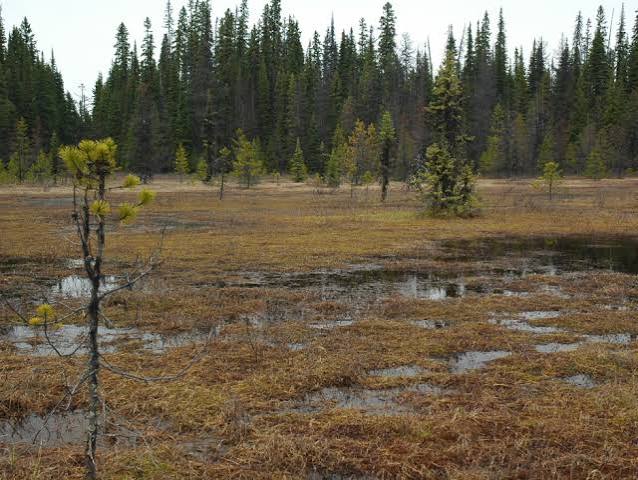
What soil order is this? Describe characteristics
Organic
Organic material >40cm
Wetlands

What kind of rock is this? Why?
Granite (Felsic)
Igneous intrusive
Magma cooled slowly in Earth’s crust
Time for crystals to develop
High silica content - light coloured minerals

What kind of rock is this? Why?
Metamorphic
Foliation caused by heat and pressure

What kind of rock is this? Why?
Limestone
Deposited layers
Made up of calcium carbonate
Fossils often present

What kind of rock is this? Why?
Obsidian (Mafic)
Igneous extrusive
Cooled quickly on the surface - no time for crystals to develop
Low silica content - dark coloured minerals

What is this?
Dikes
Magma is injected into fractures/cracks in the rock
“Wall-like” structures

What is this?
Sill
Magma intrusion between sedimentary rock layers
Horizontal

What is this?
Batholith
Pluton of magma 100 sq. km +
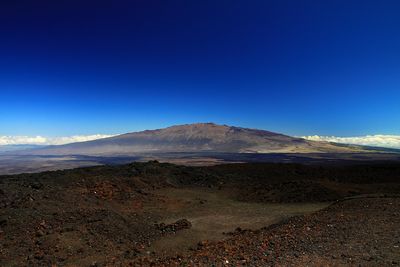
What kind of volcano?
Shield volcano
Largest volcanoes
Gently sloping (mafic lava)
Mafic lava flows more slowly = gentle
e.g., Hawaii

What kind of volcano?
Composite
Steep (felsic lava), layers of ash, blocks and pumice
Felsic lava flows more quickly = steep
e.g., Garibaldi, Mount Rainer, Mount Fuji

What kind of volcano?
Dome
Bulbous around vent
Felsic lava
e.g., little volcano inside crater of Mount St. Helen

What kind of volcano?
Cinder cone
Little volcanoes
Walnut-sized fragments that harden in flight

What kind of volcano?
Caldera
Magma chamber empties quickly and support is lost = structure collapses
e.g. Crater Lake

What is this?
Fissure eruptions
Lava extrudes from narrow fissures in the crust
Basalt (mafic) lava cools in hexagonal columns

What is this?
Anticline
A-shaped fold
Caused by plate collisions

What is this?
Syncline
U-shaped fold
Caused by plate collisions

What is this?
Jointing
Fracture where no movement has occurred

What is this?
Thrust fault
Fracture where movement has occurred

What is this?
Strike-slip fault
Fault where lateral movement occurred
e.g. San Andreas Fault

What is this?
Talus
Colluvial deposit

What is this?
Exfoliation
Mechanical weathering
Caused by pressure release

What is this?
Chemical weathering of limestone

What is this? What causes it?
Terracettes (soil creep)
Caused by gravity on slopes >5 degrees
Small step-like creep when soil is saturated, animals increase effect
Slow mass movement

What is this? What causes it?
Pistol butt
Trees in anchored in creeping soil
Slow mass movement

What is this? What causes it?
Solifluction
Top layer of permafrost thaws in Spring and sludges downslope over frozen layer
Slow mass movement

What is this? What causes it?
Rock glaciers
Mix of rock debris (talus) and ice
Moves slower than an ice glacier
Slow mass movement

What is this? What causes it?
Rotational slump
Unstable blocks rotate as they slump
Caused by undercutting and saturation
Rapid mass movement

What is this? What causes it?
Rock fall
Unstable rocks break lose - creates talus
Water is often involved
Rapid mass movement

What is this? What causes it?
Debris torrent
Saturated layers of soil/rocks that run like water - long distances
Rapid mass movement

What is this? What causes it?
Snow avalanche
Weakness in snowpack
Rapid mass movement

What kind of surficial material is this?
Colluvial
Deposited by gravity (talus)
Source of material is obvious
Jagged, sharp, angular, high % CF
“x” (angular) is often used as terrain texture code
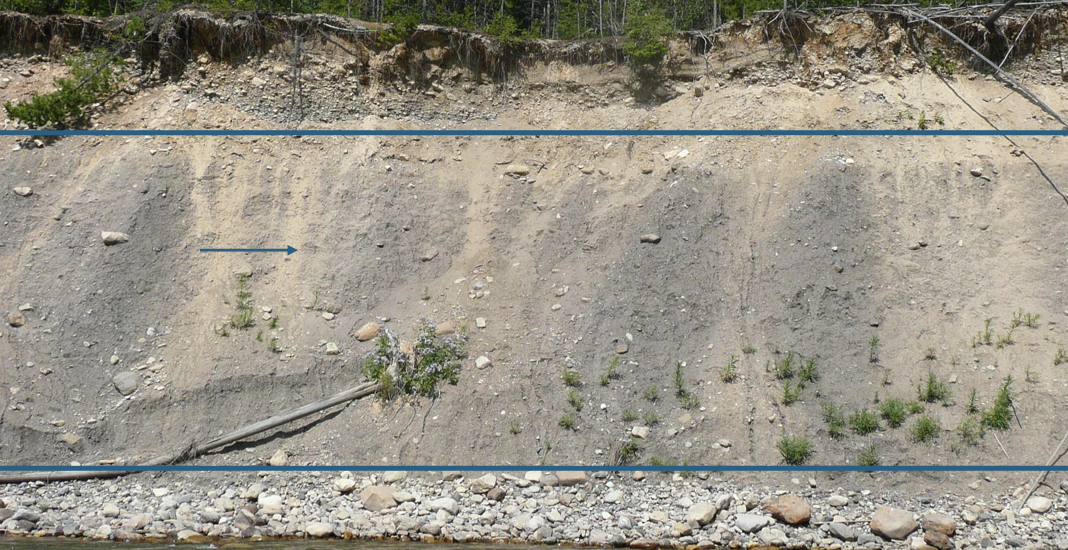
What kind of surficial material is this?
Morainal (Till)
Deposited by glaciers
No moving water involved
Not sorted/random (everything that was on the glacier - sand, silt, rocks)
“d” (mixed fragments) is often used as terrain texture code
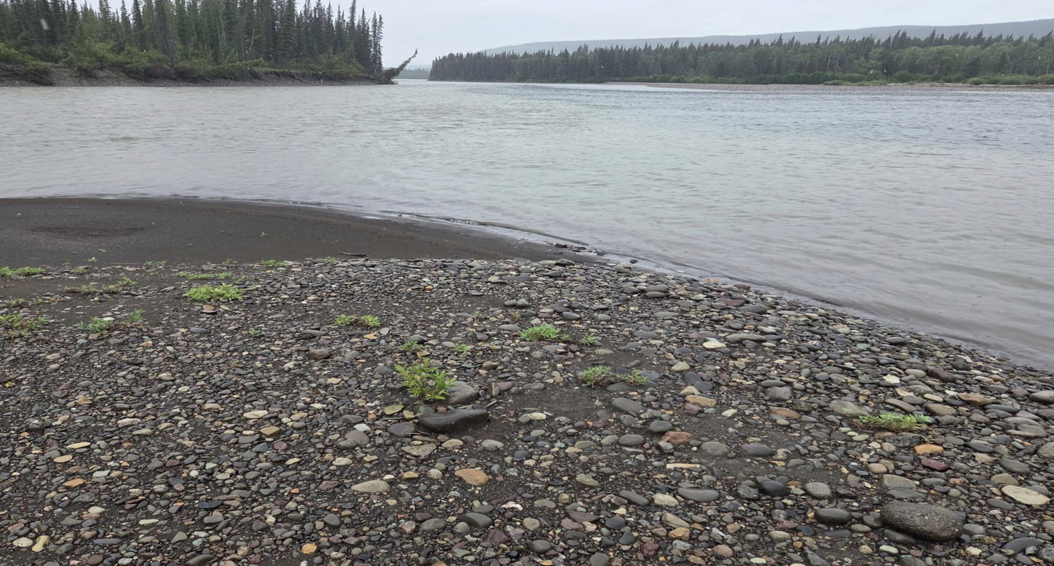
What kind of surficial material is this?
Fluvial
Deposited by moving water
Sorted - larger rocks closer to headwaters
No silt or clay - washed out
FAp common (active fluvial plain –or flood plain)

What kind of surficial material is this?
Glacial fluvial
River deposited associated with glacier melt (not moved by current river alone)
Sorted: often sandy, smaller rocks closer to mouth, larger rocks further upstream
Sub-rounded

What kind of surficial material is this?
Lacustrine
Current lake sediments
Silt and clay
No CF

What kind of surficial material is this?
Glacial lacustrine
Lake sediment associated with glacier melt
Not deposited by current lake
Silt and clay
No rocks
Glacial lacustrine (LG) is used

What kind of surficial material is this?
Weathered bedrock
In situ decomposing rock
Not gravity
Chemical (acidic rainwater) and physical weathering (frost)
Exfoliation
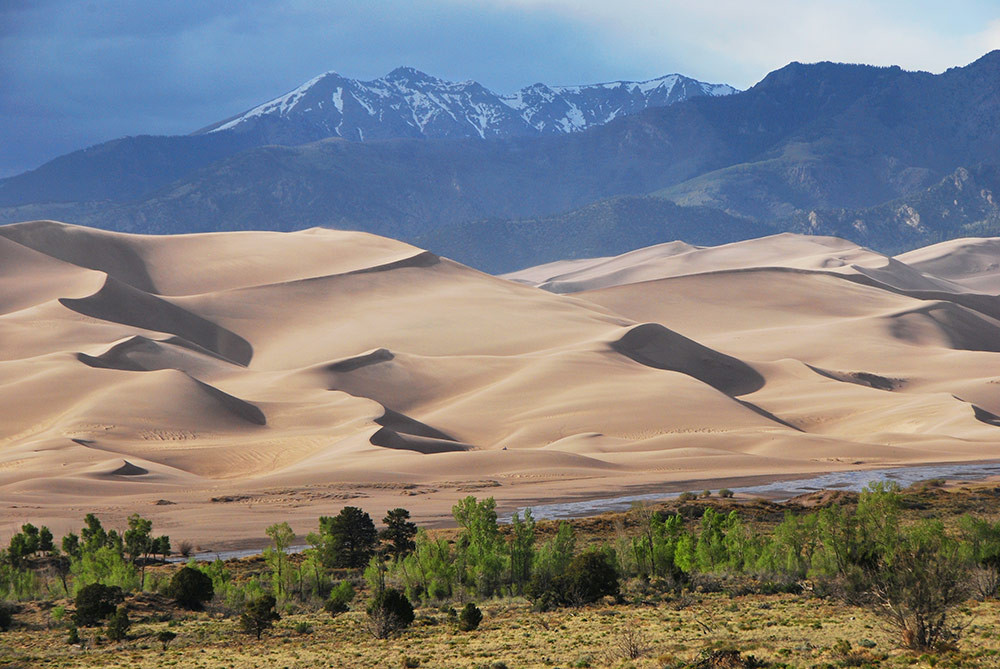
What kind of surficial material is this?
Eolian
Deposited by wind
Fines sands and silt are common
No CF

What is this feature?
Levee

What is this feature?
Fluvial fan (Ff)

What is this feature?
Paired terraces
After glaciation, veg stabilized material = decreased load being carried
Downcutting occurs

What is this feature?
Roche mountonnee
Formed by glaciers eroding bedrock
Ice “plucks” away material as it comes over

What is this feature?
Bergschrund
Marks the line where the moving glacier ice separates from stagnant ice (deep crevasse)

What is this feature?
Firn line
Line where ice and snow meet in the summertime
Marks boundary between the upper accumulation zone and the lower melting zone at the end of the melt season

What is this feature?
Lateral moraine
Deposited on the side of the glacier (by the glacier)

What is this feature?
Medial moraine
When two lateral moraines meet

What is this feature?
Terminal moraine
Deposited at the base of the glacier

What is this feature?
Arete
Sharp ridge between 2 glaciers
Caused by 2 glaciers eroding away and frost action

What is this feature?
Cirque
Bowl-shaped depression carved by glacial erosion
Shaped by small glaciers at the headwaters/top of valleys
Creates small lakes: Tarn Lakes

What is this feature?
Horn
Formed by 3 or more glaciers eroding
Sharpened by frost action

What is this feature?
Col/Pass
Lowest point on a mountain ridge between two peaks
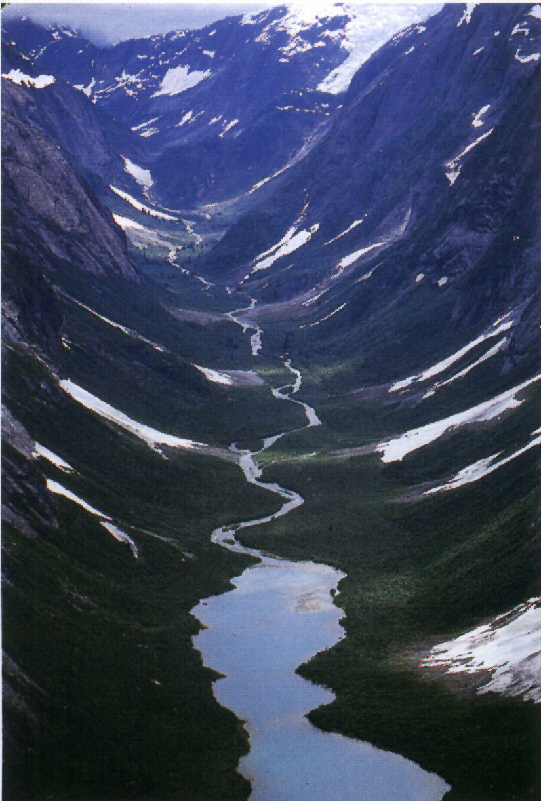
What is this feature?
U-shaped valley
Formed at lower reaches

What is this feature?
V-shaped valley
Formed at upper reaches

What is this feature?
Hanging valley
Created by a smaller tributary glacier that erodes its valley less deeply than a larger, more powerful main glacier
Deep cutting so that the sides of the valley are cut off
Cliff-like feature: Truncated spur

What is this feature?
Finger Lakes
Formed when U-shaped valleys are dammed by terminal moraines = series of lakes

What is this feature?
Fiord
Formed by glacial valleys that fill with sea water as oceans rise from melting of glaciers
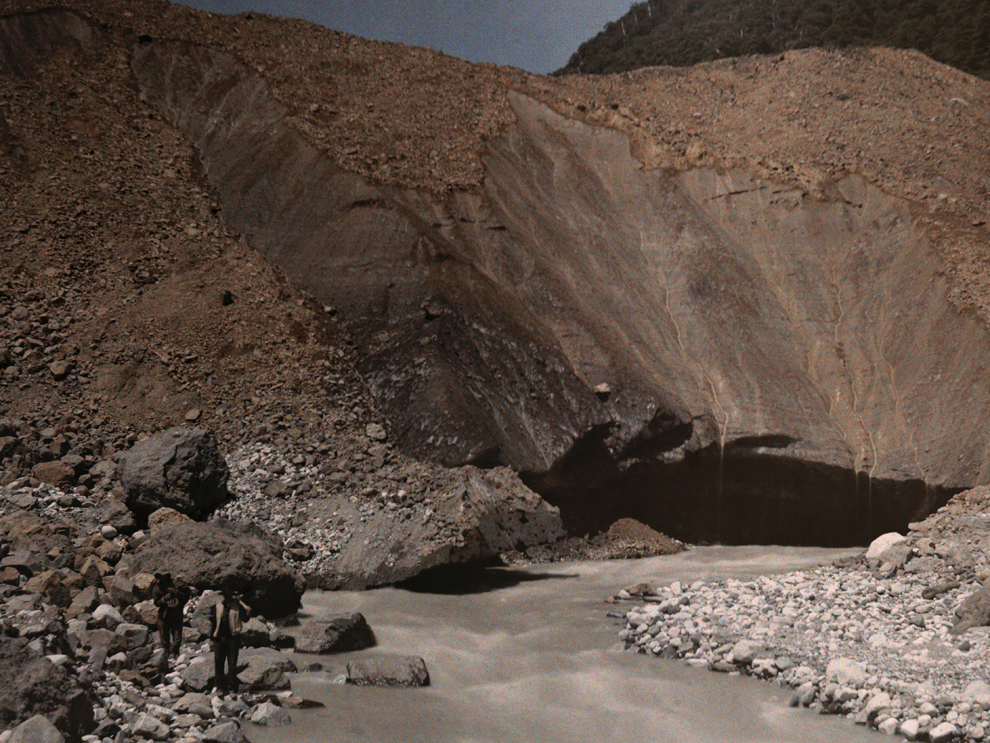
What is this feature?
Moraine
The load left behind after a glacier recedes (till)

What is this feature?
Drumlins
Hills that tapper off (teardrop), indicate the direction of glacial flow
Often in groups

What is this feature?
Erratics
Large boulders transported far away by glaciers and deposited
Look random

What is this feature?
Outwash plain
Braided streams that emerge directly from the terminus of a glacier
Very braided due to high bedload (lots of material, not enough water)

What is this feature?
Esker
Snake shape
Creek running underneath a glacier creates a cavity which fills up with glaciofluvial material = piles up and plugs cavity

What is this feature?
True kames
Irregular hill or mounds of sand, gravel, and till deposited by melting glaciers
Material collects into crevasses in a heap, when glacier melts the heap is left behind

What is this feature?
Kame terraces
Formed from material that is washed down the sides of a valley and deposited next to a glacier
Similar to river terraces, but more undulating surface

What is this feature?
Kettle holes
Depressions in kame terraces, outwash plains, and till plains
Formed when an ice block is buried by glacial till and then melts