AP Environmental Science Unit 1 (Module 1 &2)
 Call Kai
 Learn
Learn Practice Test
 Spaced Repetition
 Match
Match Flashcards
 Knowt Play
1/56

There's no tags or description
Looks like no tags are added yet.
Name | Mastery | Learn | Test | Matching | Spaced | Call with Kai | Chat |
|---|
No analytics yet
Send a link to your students to track their progress
57 Terms
Ecosystem
non-lving and living elements
Gross primary productivity
the rate of photosynthesis in an ecosystem, representing the total amount of organic matter produced by plants.
Non-living elements
include abiotic conditions, such as the range of temp, humidity, rainfall, and nutrients that are present in different regions of the world

Living
Biotic
Non-living
Abiotic
Community Ecology
the study of interactions among species
Symbiosis
two species living in a close and long-term association with one another in an ecosystem

Ecosystem Boundaries
biotic and abiotic components or defined by humans that interact with one another
Characteristics of ecosystems are based on what?
are highly dependent on the climate that exists in that location on Earth and the physical environment
How do you identify a ecosystems boundaries?
Observing the interactions among biotic and abiotic components, including climate, topography, and human-defined limits that influence the structure and function of the ecosystem.
How do ecosystems interact with surrounding ecosystems?
energy flow and nutrient cycling, affecting each other's biodiversity, resilience, & stability. Can include predation, competition, & symbiosis, influencing the overall health of interconnected environments.
Biosphere
The region of our planet where life resides

Competition
the struggle of individuals, either within or between species, to obtain a shared limiting resources

Competitive Exclusion
The principle stating that two species competing for the same limiting resources cannot coexist

What is a result of competitive exclusion?
One species will be driven to extinction or will adapt to utilize different resources.
Resource Partitioning
when two species evolve to divide a resource based on differences in their behavior or morphology (distance themselves)

What happens if the competition reduces?
Species may coexist and utilize similar resources more effectively, leading to increased biodiversity.
Nature Reduce Overlap
by allowing species to exploit different resources or habitats, thus minimizing direct competition.
Temporal Resource Partitioning
a process where two species utilize the same resource at different times, thereby reducing competition
Exhibiting Spatial Resource Partitioning
two species reduce competition by using different habitats
Morphological Resource Partitioning
erudition of differences in the body or size or shape
Predation
an interaction in which one animal typically kills & consumes another animal for food

Parasitoid
A specialized type of predator that lays eggs inside other organisms - referred to as it host, ex. botflies

Parasitism
an interaction in which one organism lives on or in another organism, referred to as it host

Pathogen
A parasite that causes disease in it host
What do Pathogens use to cause a disease for their host?
use bacteria, fungi, protists, & worm like organisms called helminths
Herbivores
An interaction in which an animal consumes plants or algae

Mutualism
An interaction between two species that increases the chance or survival or reproduction for both species.

Photosynthesis
The process by which plants and algae use solar energy to convert carbon dioxide and water into glucose and oxygen
Commensalism
An interaction between two species in which one benefits and the other species is neither harmed nor helped
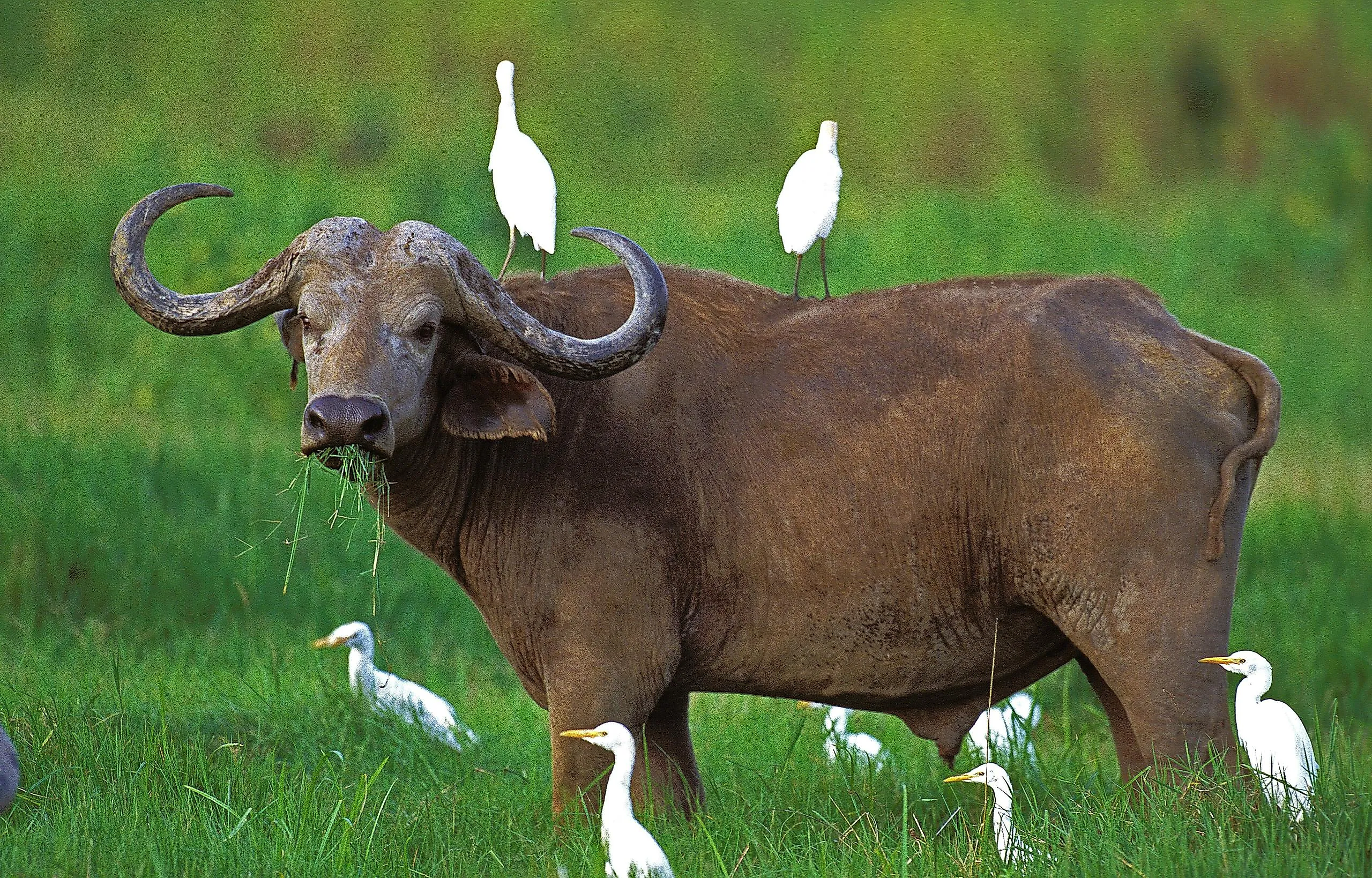
Invasive species
Represent novel species interactions due to a lack of evolutionary history

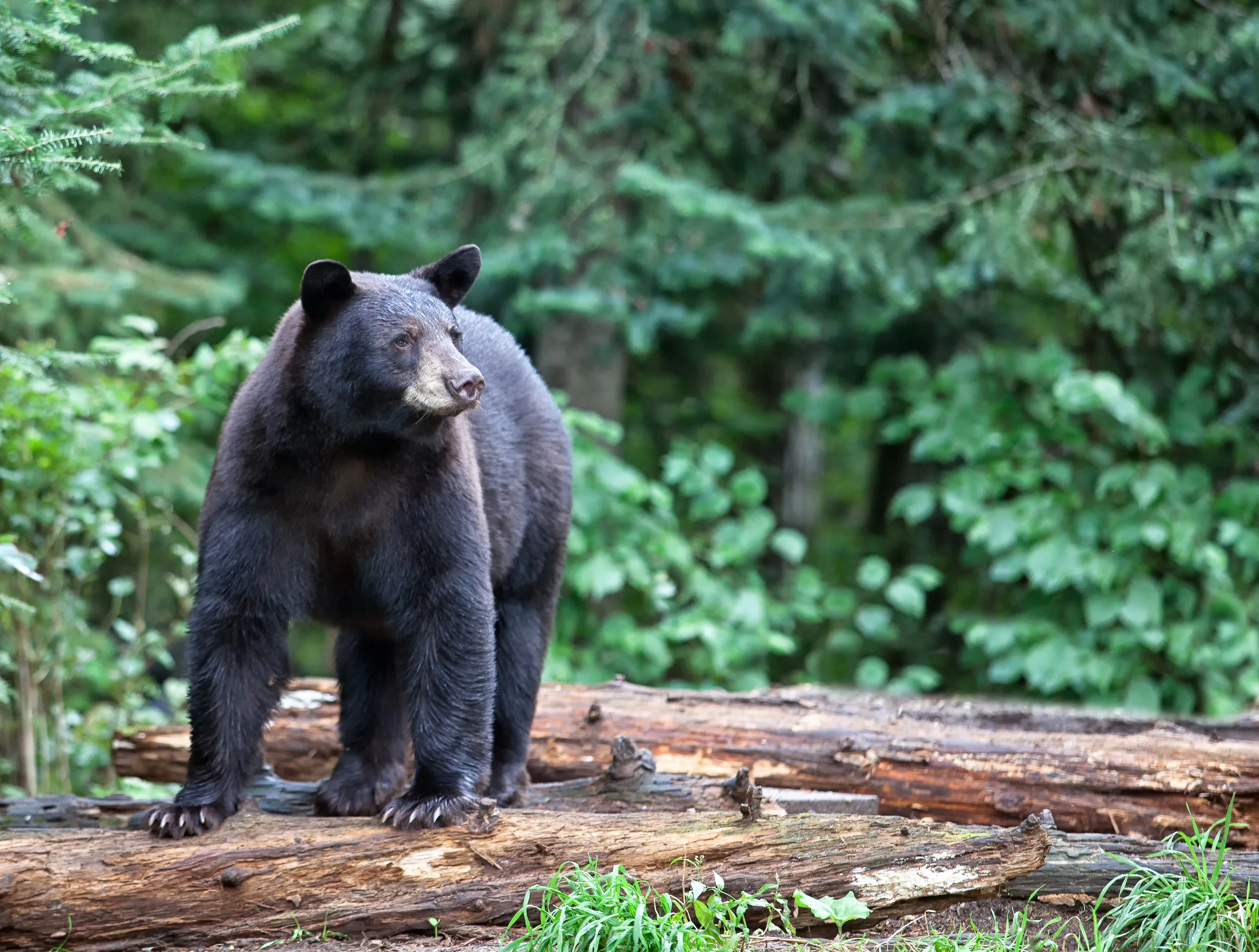
Native species
A species that lives in its historical range typically where it had lived for thousands of years
Exotic species
A species living outside its historical range (also known as alien species)

Biome
The plants and animals that are found in a particular region of the world

What are major factors of species living in a biome?
Survive, reproduce in a particular terrestrial region, depends on the annual patterns of temp and precipitation
Terrestrial biomes
A geographic region of land categorized by a particular combination of avg annual temp annual precipitation, and distinctive plant growth forms
Aquatic biomes
An aquatic region characterized by a particular combination of salinity, depth, and water flow
Habitat
An area where a particular species lives in nature. Requires organisms in an area to live in biome. ( a habitat is a subset of a biome)
Tundra
A cold and treeless biome with low growing vegetation
Permafrost
An impermeable, permanently frozen layer of soil. That prevents water from draining the roots from penetrating. Usually in a tundra
Taiga biome
A forest made up primarily of coniferous evergreen trees that can tolerate cold winters and short growing seasons ( also known as boreal forest)
Temperature Rainforest
A coastal biome typified by moderate temperatures and high precipitation
Temperate Seasonal Forest
A biome with warm summers and cold winters with over 1 m (39 inches) of annual precipitation
Shrubland
A biome characterized by hot, dry summers and mild rainy winters. Also known as woodland
Temperate Grassland
A biome characterized by cold, harsh winters, dry summers. Also known as cold desert
Tropical Rainforest
A warm and wet biome found between 20 N and 20 S of the equator, with little seasonal temperature variation and high precipitation

Savanna
A biome marked by warm temperature and distinct wet and dry seasons. Also known as tropical seasonal forest

Warm temp of savanna biome promotes what?
Decomposition and nutrient cycling in the soil.
Hot Desert
A biome characterized by very low precipitation, high temperatures during the day, and significant temperature drops at night, often featuring sparse vegetation.

n
10 -9
k
10 3
T
10 12
u
10 -6
M
10 6
m
10 -3
G
10 9
What is a major factor in determining a biome?
biomes are primarily defined by climate (temp. and precipitation), which strongly determined by latitude (distance from the equator)