UNI STU H30A - Midterm #2
 Call Kai
 Learn
 Practice Test
 Spaced Repetition
 Match
 Flashcards
 Knowt Play
1/19

There's no tags or description
Looks like no tags are added yet.
20 Terms
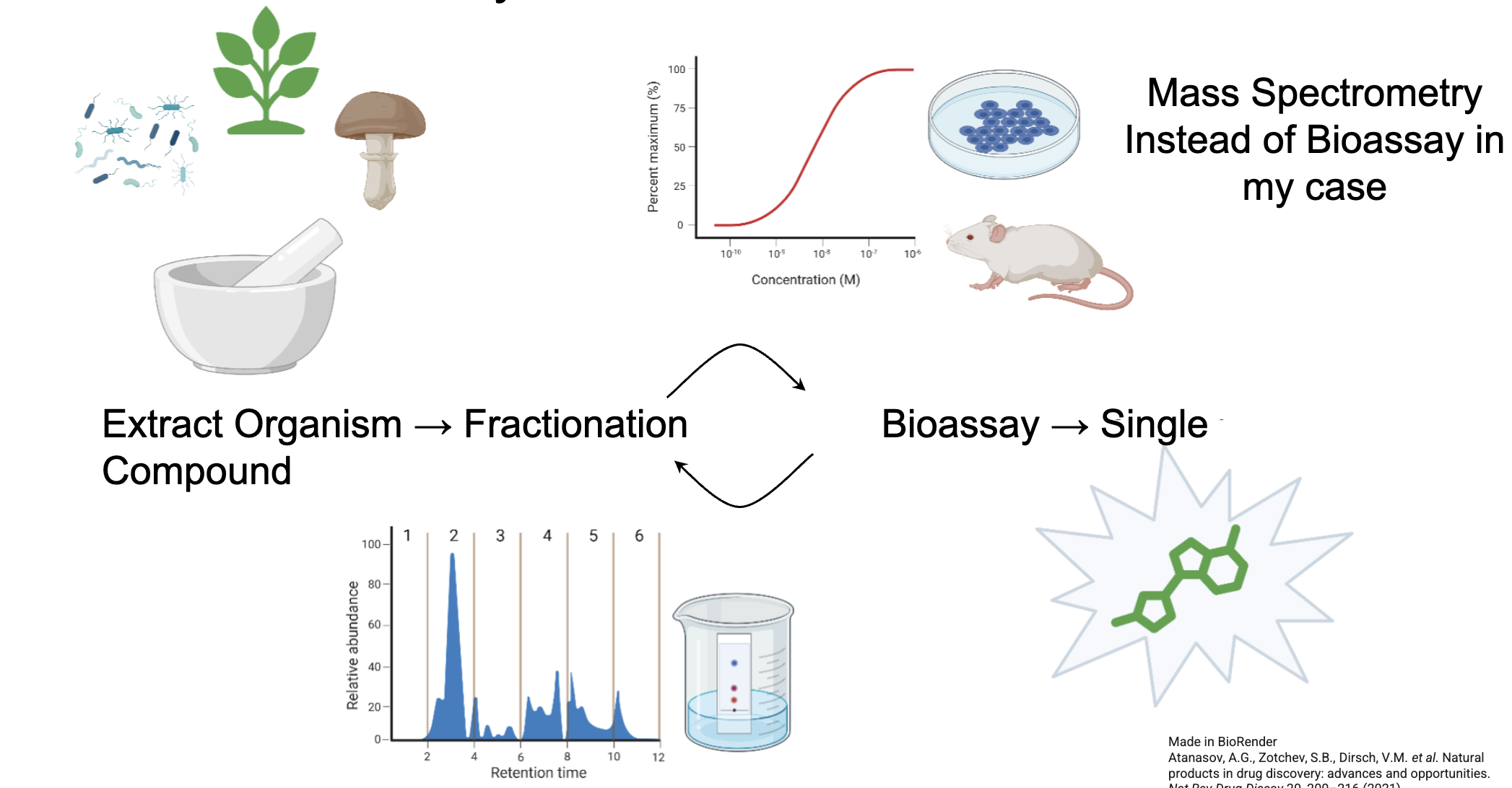
bioassay-guided fractionation (drug discovery)
extracts a natural source, separates it into fractions (eg: HPLC), tests biological activity, and isolates active molecules
high-throughput screenings (drug discovery)
tests large compound libraries
preclinical studies
animal, ex vivo, and in vitro models assess toxicity, target affinity/selectivity, pharmacokinetics/pharmacodynamics, stability, solubility, formulation, and synthesis
FDA
evaluates whether drugs are effective and sufficiently safe; drug development was described as averaging roughly 12 years and $1.3 billion—repurposing investigates new uses for existing drugs
nervous system
neurons communicate through neurotransmitters at synapses
ligand (neurotransmitter) binds a receptor
agonist
binds to cellular receptors and activates biological responses
antagonist
binds to the receptor but does not activate; inhibits activation by agonists
information flow through neuron

ADME
absorption (entry)
distribution (movement)
metabolism (chemical alteration)
excretion (removal)
drug concentration changes over time as these processes occur
therapeutic window
drug concentrations between the minimum effective concentration (MEC) and levels associated with unacceptable toxicity; repeat doses can overlap with drug remaining from an earlier dose
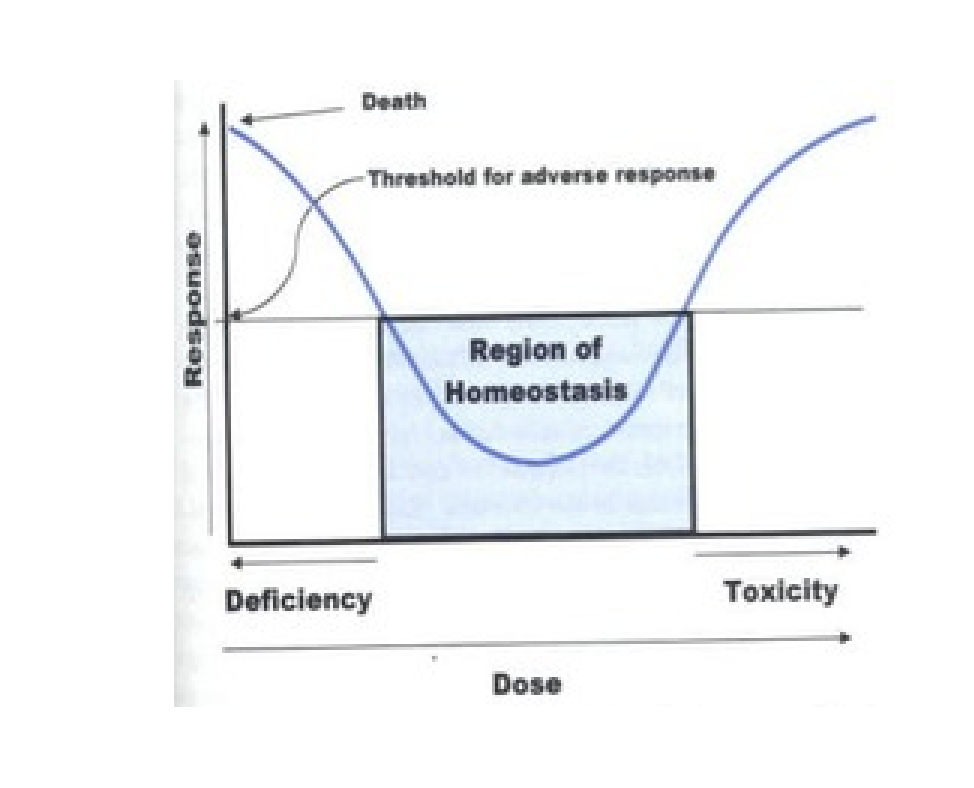
dose-response
increasing dose can increase response until a maximum; some responses are U-shaped (ie: vitamins, hormones)
affinity
how strongly a drug bonds
potency
amount needed for a response
efficacy
maximum response achievable
dose-response curve
leftward shift = greater potency
higher plateau = greater efficacy

drug
any substance (other than food) intended to affect the structure or any function of the body
factors that affect solubility
Temperature (higher temp = better solubility)
Polarity
pH (acidic or basic)
Pressure
chromatography
a laboratory technique used to separate, identify, purify, and quantify the components of a mixture based on how differently they distribute between a moving fluid (mobile phase) and a fixed material (stationary phase)
mass spectrometry
an analytical technique that measures the mass-to-charge ratio (m/z) of gas-phase ions to identify compounds, calculate molecular weights, quantify analytes, and deduce molecular structures
bioassay-guided fractionation