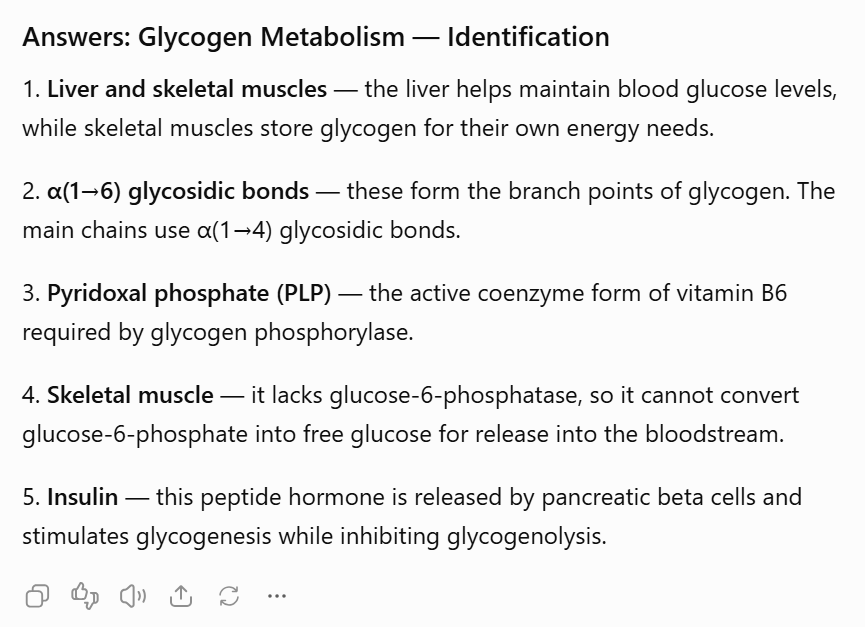
18 - Glycogen Metabolism
 Call Kai
 Learn
 Practice Test
 Spaced Repetition
 Match
 Flashcards
 Knowt Play
1/38

There's no tags or description
Looks like no tags are added yet.
39 Terms
α-D-glucose
α-1,4
α-1,6


GLYCOGEN STRUCTURE
a homopolymer of ____________
linkage: _____
branching: ______ (at about every 8-10 residues)
osmotic stress

WHY STORE GLUCOSE AS GLYCOGEN?
To minimize ______________
To store glucose at a concentration of that of typical glycogen stores, cells will be 0.4 M in glucose.
creates osmotic pressure; glucose leaks out of the cell
Storing glucose as glycogen reduces osmotic pressure and is less energetically costly for the cell.
blood glucose
sudden
GLYCOGEN AS A FUEL RESERVE
controlled breakdown of glycogen increases the amount of glucose that is available between meals
glycogen is mobilized to maintain _______________ levels in between meals
glucose from glycogen can provide energy whenever the requirement is _________ (as in during strenuous activity)
distribution; organs
blood glucose
energy production
MUSCLE AND LIVER GLYCOGEN
liver glycogen is degraded for
___________ to other __________ through the blood
maintaining proper __________ __________ levels
muscle glycogen is degraded for its use in __________ ____________
glycogen phosphorylase
ENZYMES INVOLVED
___________________ – catalyzes phosphorolysis (bond cleavage by substitution of phosphate group) forming glucose 1-P
glycogen phosphorylase
ENZYMES INVOLVED
______________
essential cofactor is pyridoxal phosphate
derived from Vitamin B6
oligo glucantransferase
ENZYMES INVOLVED
debranching enzyme [aka _____ (α-1,6 to α-1,4) __________________]
transferase
α-1,6 glucosidase
ENZYMES INVOLVED
debranching enzyme [aka oligo (α-1,6 to α-1,4) glucantransferase]
transfers the terminal 3 glucose residues (__________________ activity)
cleaves an α-1,6 glycosidic bond (________________________ activity)
phosphoglucomutase
ENZYMES INVOLVED
__________________ - converts glucose 1-P to glucose 6-P

non-reducing
STEPS IN GLYCOGENOLYSIS -
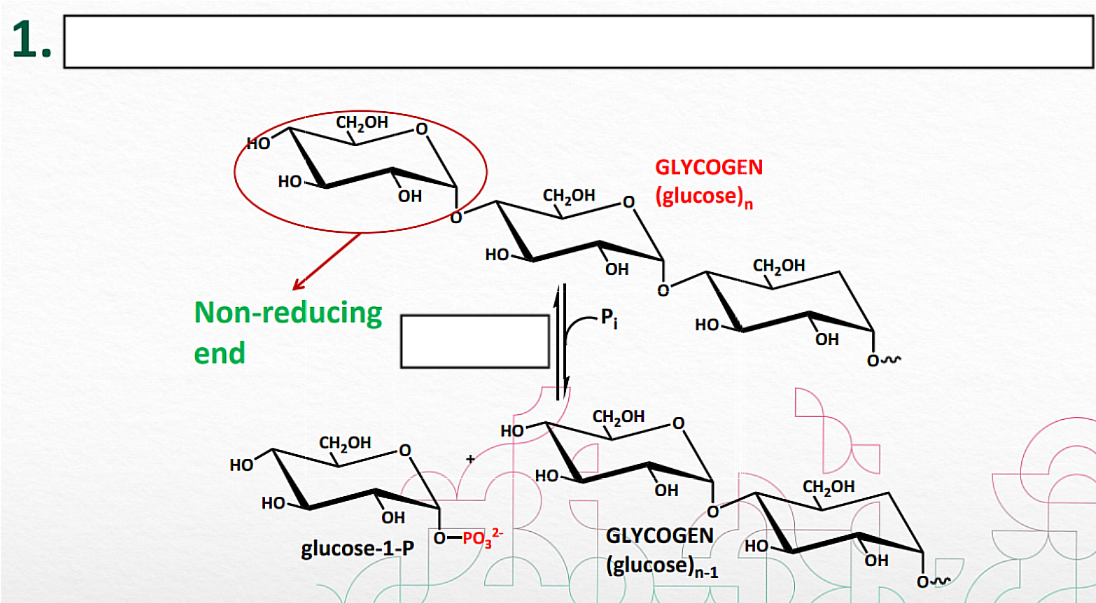
Glycogen phosphorylase can only attack and remove glucose units sequentially from the ____________ ends.
phosphorylated
glucose-1-P
glucose-6-P; phosphoglucomutase
STEPS IN GLYCOGENOLYSIS - Release of Glucose as Glucose 1-Phosphate
glucose released is already ______________ without consuming ATP
___________ cannot leave the cell and go to the bloodstream
it readily enters the glycolytic pathway once it’s converted to _____________ by ____________________
4

STEPS IN GLYCOGENOLYSIS -
action of glycogen phosphorylase continues until there are about _ residues left from the branch point

STEPS IN GLYCOGENOLYSIS - BIOENERGETICS OF THE PHOSPHOROLYSIS REACTION

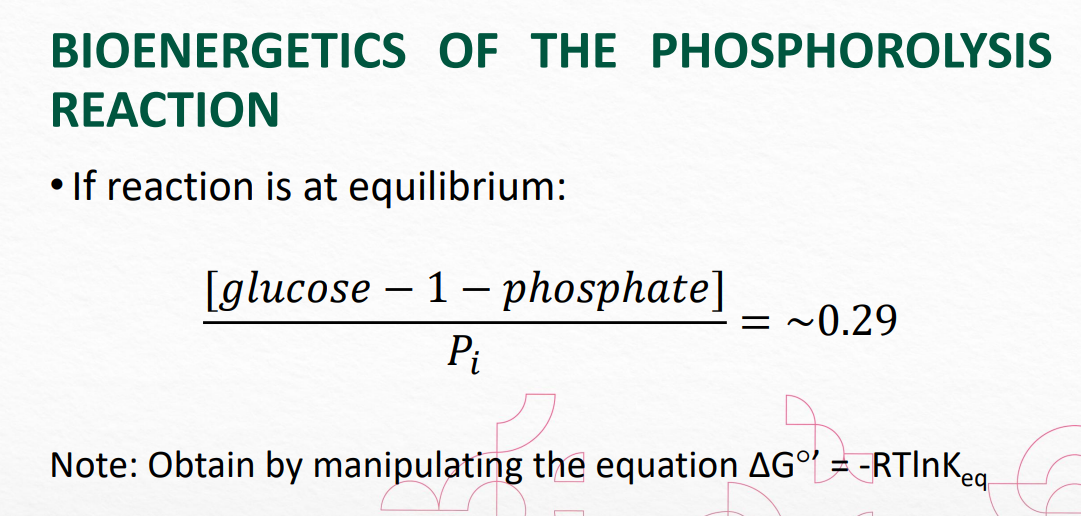
Larger concentration of Pi than G1P
What is tthe ration of G1P to Pi under normal cell conditions?
Whaat makes the reaction thermodynamically favorable?

STEPS IN GLYCOGENOLYSIS -


STEPS IN GLYCOGENOLYSIS -


STEPS IN GLYCOGENOLYSIS -
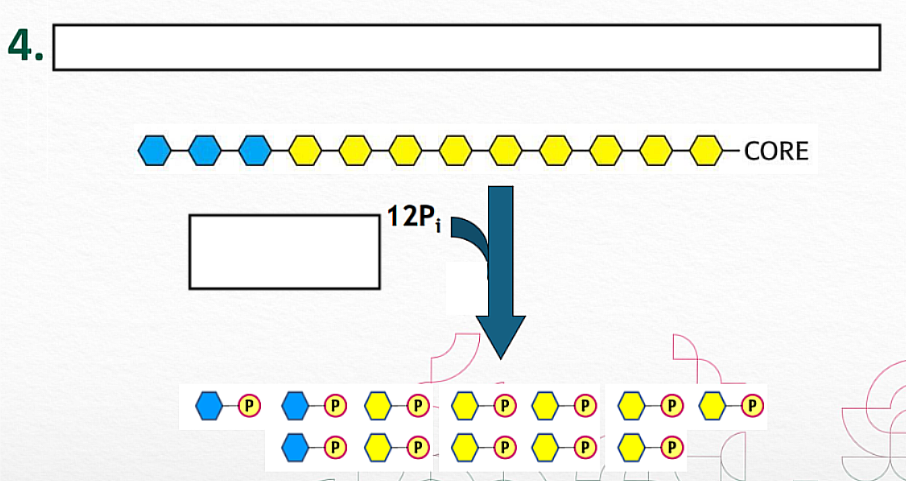
dephosphorylated
blood glucose
brain; muscles

Fate of Glucose 1-Phosphate in the Liver
glucose-1-P is ____________________
free glucose exits the hepatic cells and goes into the blood stream for:
maintaining proper ______________ levels in between meals
transport to other organs (______ and ___________)

glycolysis
glucose-6-phosphatase
Fate of Glucose 1-Phosphate in the Muscle
muscle cells degrade glycogen for its own need
Glucose-1-P → Glucose 6-P → ____________
Muscle cells lack __________________

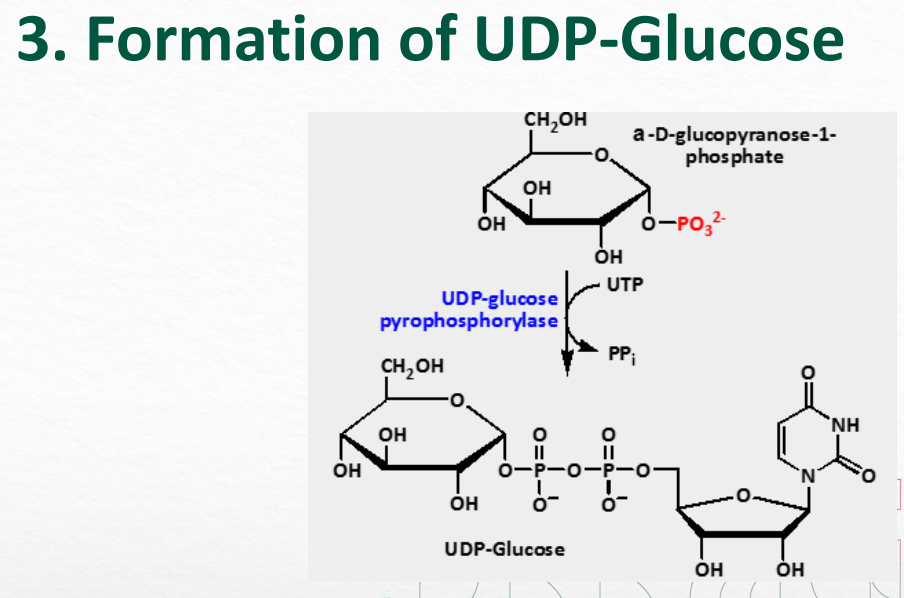
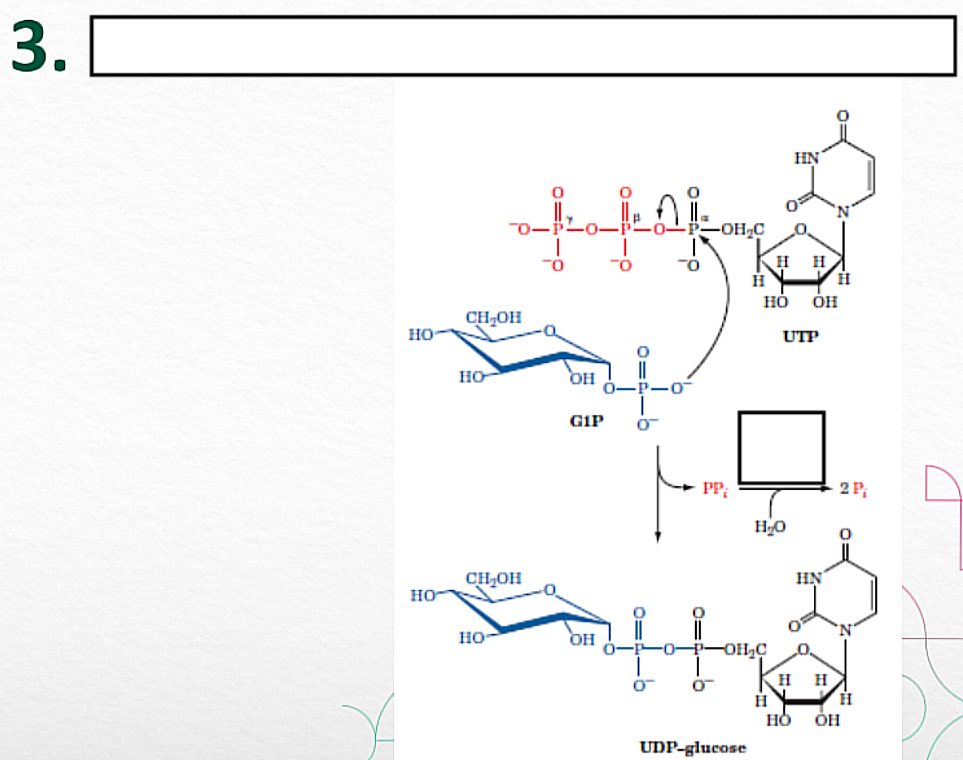
UDP-glucose pyrophosphorylase
glycogen synthase
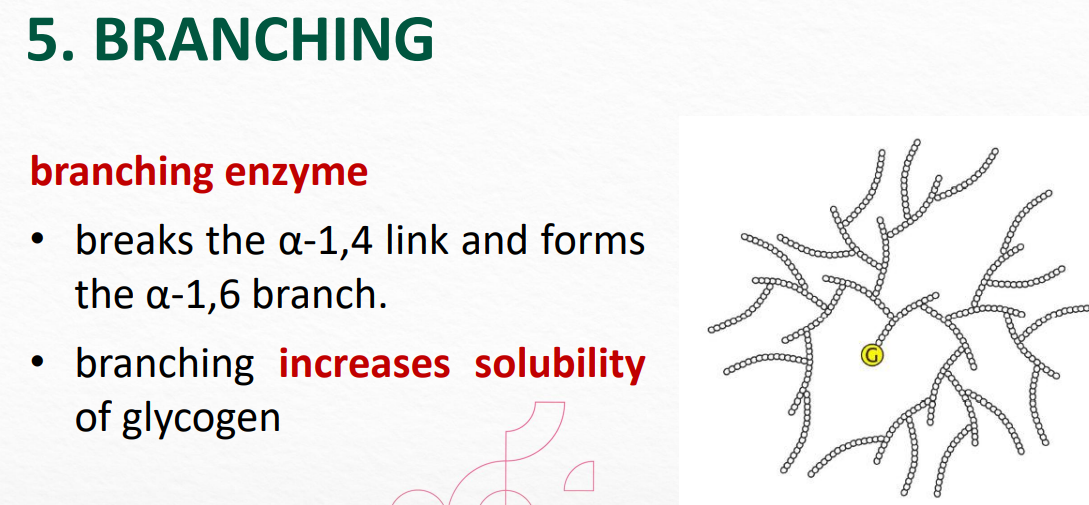
branching enzyme
GLYCOGENESIS - ENZYMES INVOLVED
______________________ – creates UDPglucose, an activated glucose molecule
_________________ – primary enzyme responsible for growing the glycogen structure
_________________ – creates new non-reducing ends in the glycogen structure
UDP-glucose; glycogen synthesis
uridine triphosphate

GLYCOGENESIS - OVERVIEW
_____________ is the activated form of glucose that serves as glucose donor for ________________
a sugar nucleotide
UTP – ________________

GLYCOGENESIS -


GLYCOGENESIS -



GLYCOGENESIS -



GLYCOGENESIS -


GLYCOGENESIS -


GLYCOGENESIS -


HORMONAL REGULATION OF GLYCOGEN METABOLISM -


HORMONAL REGULATION OF GLYCOGEN METABOLISM -

HORMONAL REGULATION OF GLYCOGEN METABOLISM -

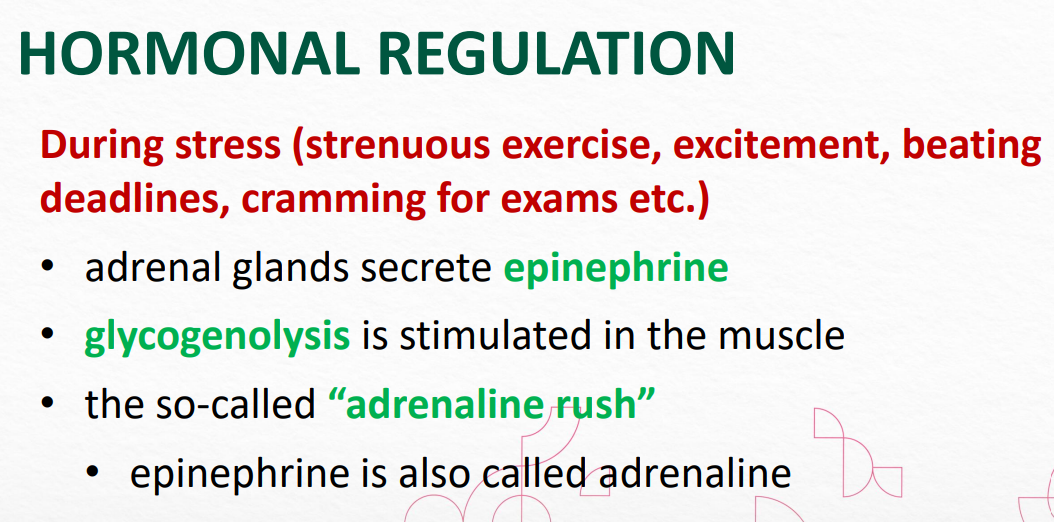
HORMONAL REGULATION OF GLYCOGEN METABOLISM -

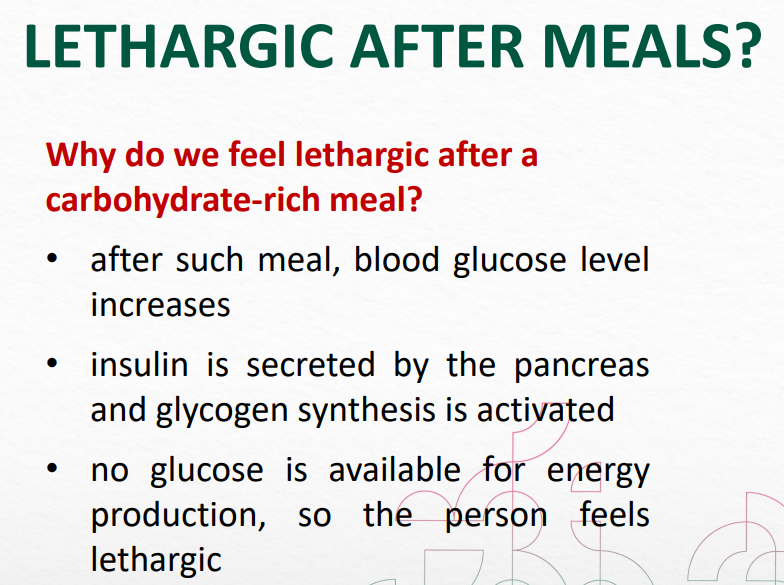
HORMONAL REGULATION OF GLYCOGEN METABOLISM -


HORMONAL REGULATION OF GLYCOGEN METABOLISM -
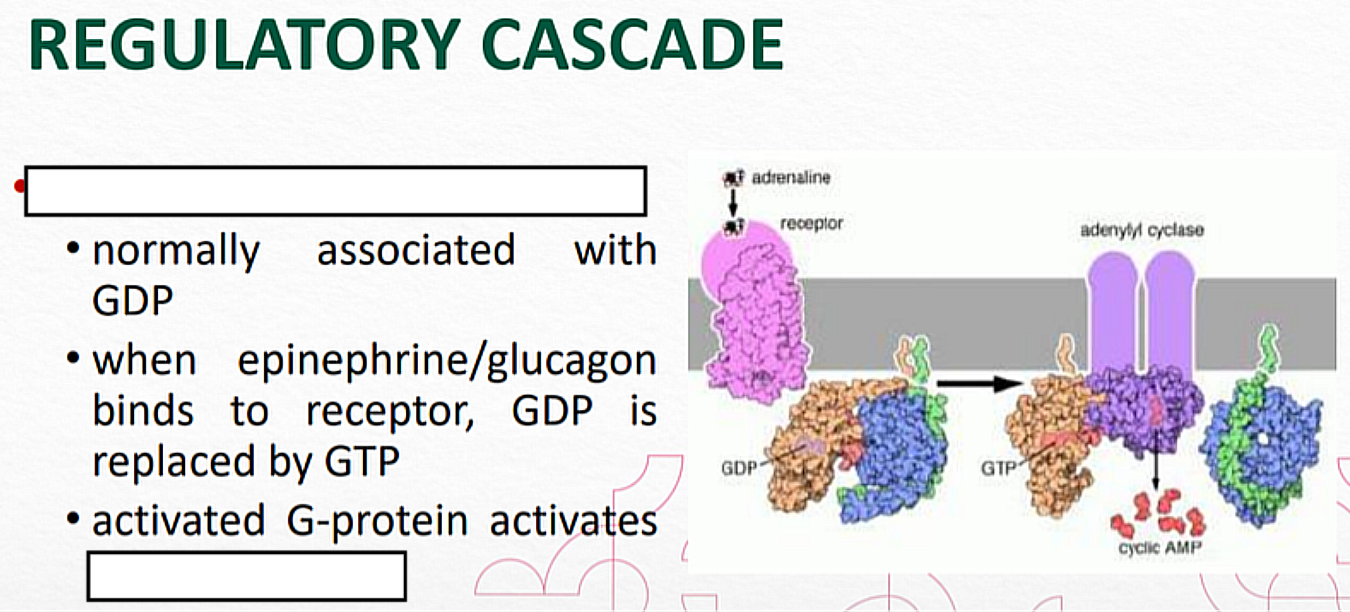

HORMONAL REGULATION OF GLYCOGEN METABOLISM -


HORMONAL REGULATION OF GLYCOGEN METABOLISM -


HORMONAL REGULATION OF GLYCOGEN METABOLISM -


HORMONAL REGULATION OF GLYCOGEN METABOLISM -

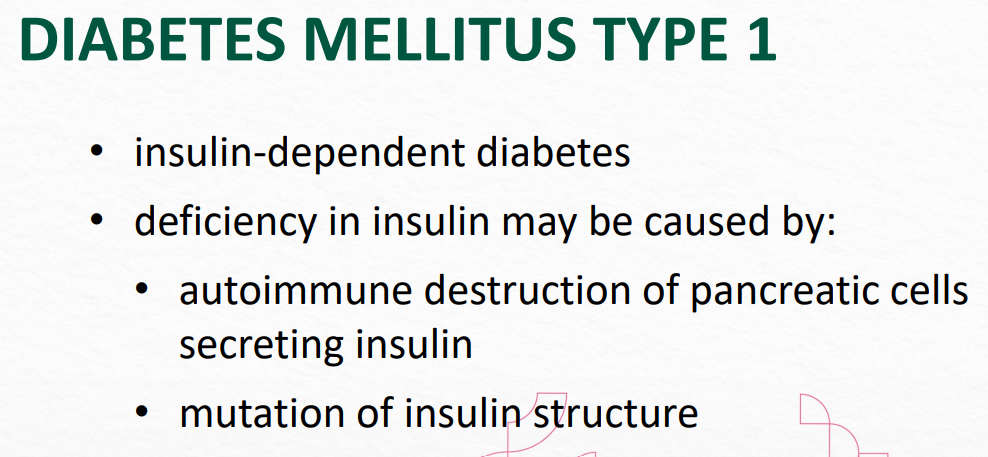
HORMONAL REGULATION OF GLYCOGEN METABOLISM -

HORMONAL REGULATION OF GLYCOGEN METABOLISM -