Psychology Units 1 & 2 Chapter 6 & 7
 Call Kai
 Learn
Learn Practice Test
 Spaced Repetition
 Match
Match Flashcards
 Knowt Play
1/74

Earn XP
Description and Tags
Social Cognition & Individual + Group Behaviour
Name | Mastery | Learn | Test | Matching | Spaced | Call with Kai | Chat |
|---|
No analytics yet
Send a link to your students to track their progress
75 Terms
Social Cognition
Involves how we perceive, think about and use information to understand and make judgements about ourselves and others in different social situations
Personal Perception
Refers to the mental process we use to think about and evaluate other people
Physical Cues
The way people look and the way they act

Halo Effect
To allow our overall positive impression of a person or specific quality to influence our beliefs and expectations about the person in other qualities.
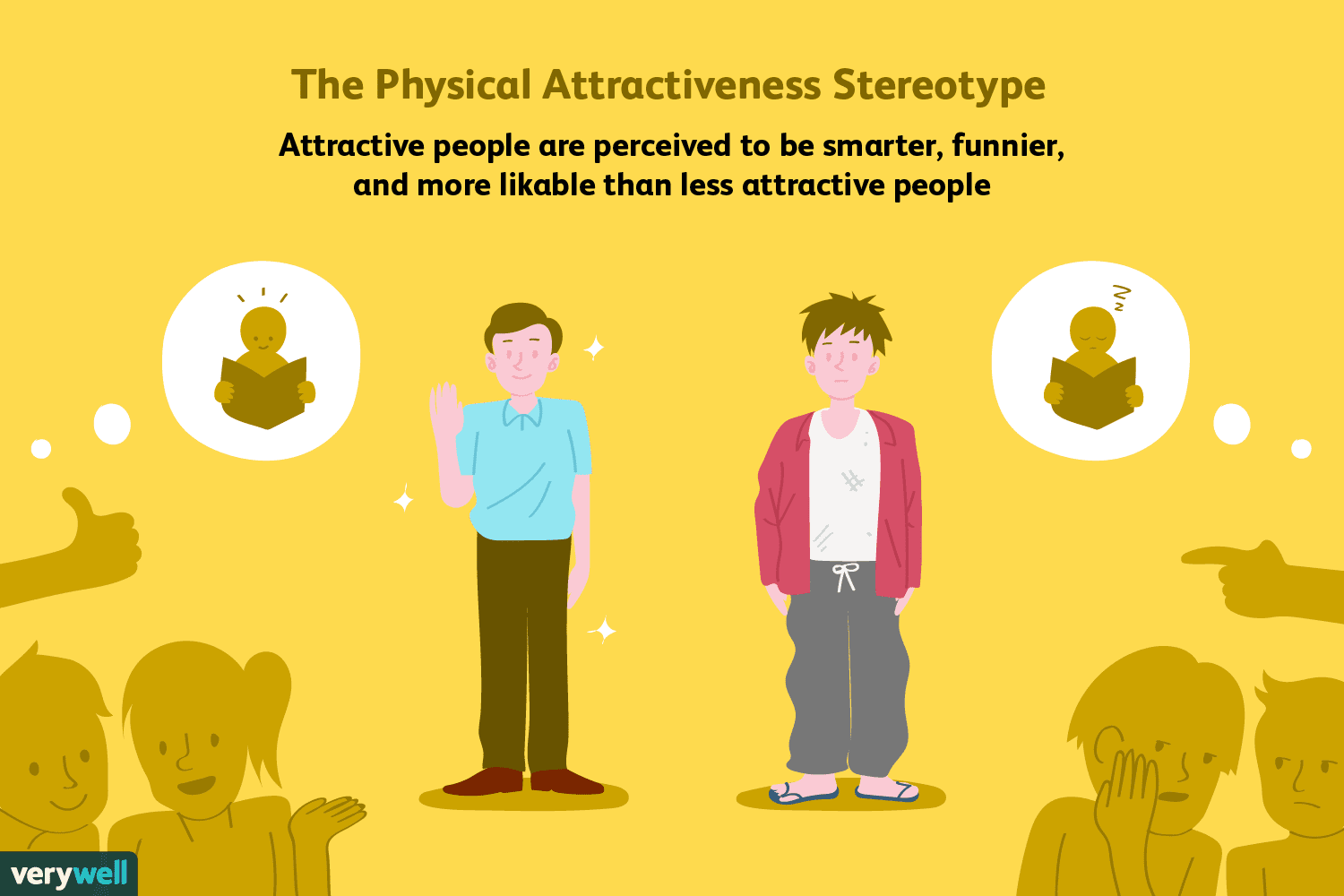
Salience
Any personal characteristic that is distinctive, prominent, or noticeable in its context and attracts attention
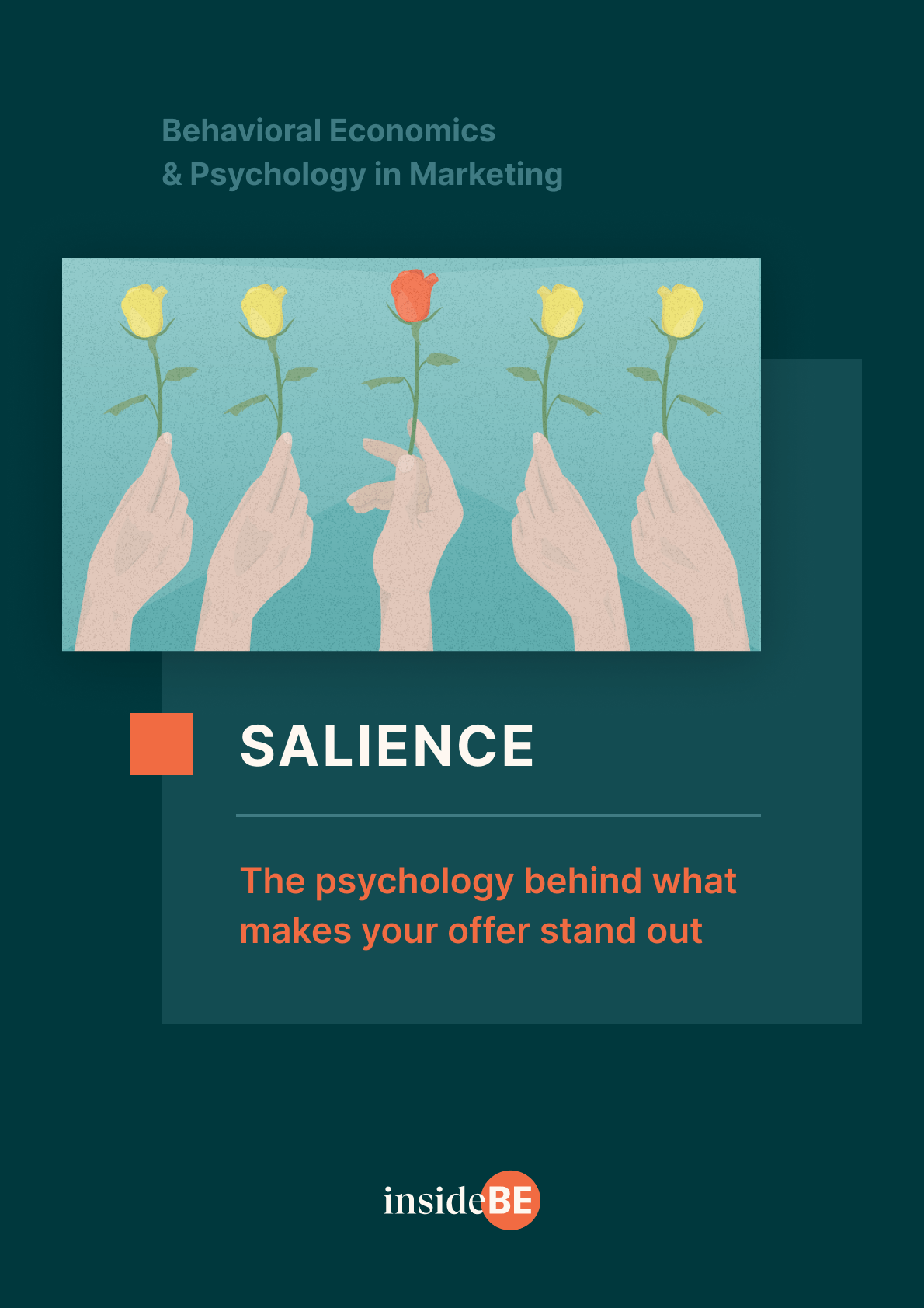
Social Categorisation
By classifying each other into different groups on the basis of common characteristics
In-groups
Any group that you belong to or identify with as an in-group

Out-groups
Any group that you do not belong to or identify with

Internal Attribution
When we judge behaviour being caused by something personal within an individual

External Attribution
When we determine the cause of a behaviour resulting from situational factors occurring outside the individual

Fundamental attribution error
Explaining other people’s behaviour from internal factors, while ignoring the external factors

Self-serving bias
Taking credit for our successes and denying responsibility for failure, which is blamed on external factors.

Actor-observer bias
Justifying our own behaviour to external factors, yet attribute other’s behaviour to internal factors

Tri-Component Model of Attitudes
Affective, Behavioural and Cognitive
Affective Component
Our emotional reactions or feelings towards something
Behavioural Component
How we express our attitude through actions
Cognitive Component
Our beliefs about something
Cognitive Dissonance
An unpleasant psychological state from people being aware of the inconsistency between their beliefs and actions towards an attitude

Cognitive bias
Is a systematic error of judgement and faulty decision-making
Anchoring bias
To heavily rely on the first piece of information recieved

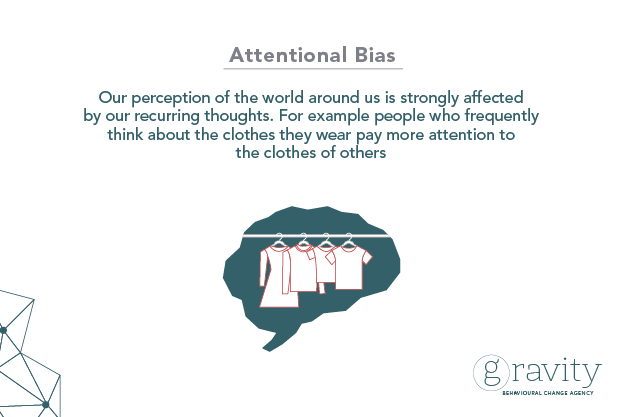
Attentional bias
To prioritise attention to certain information over other information
Confirmation bias
To seek or recall information in a way that confirms existing beliefs or expectations
False-consensus bias
To overestimate the extent to which other people are like them in terms of sharing beliefs, personal characteristics or behaviours

Hind-sight bias
Only after an event has occurred to overestimate the extent to which the outcome could have been foreseen

Misinformation effect
Information acquired after an event to influence the accuracy of the memory of the original event

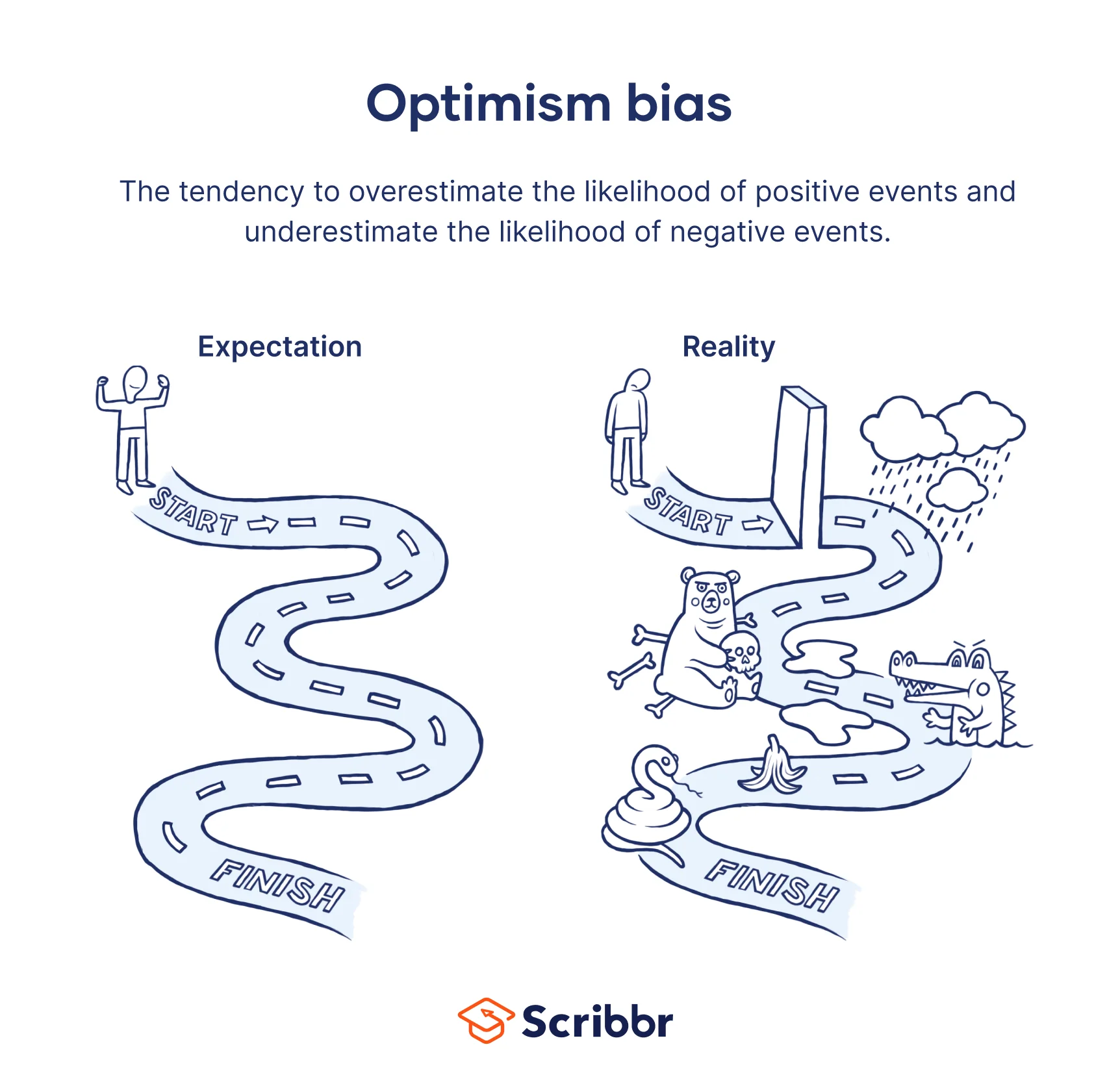
Optimism bias
To overestimate the likelihood of experiencing positive events and underestimate the likelihood of experiencing negative events
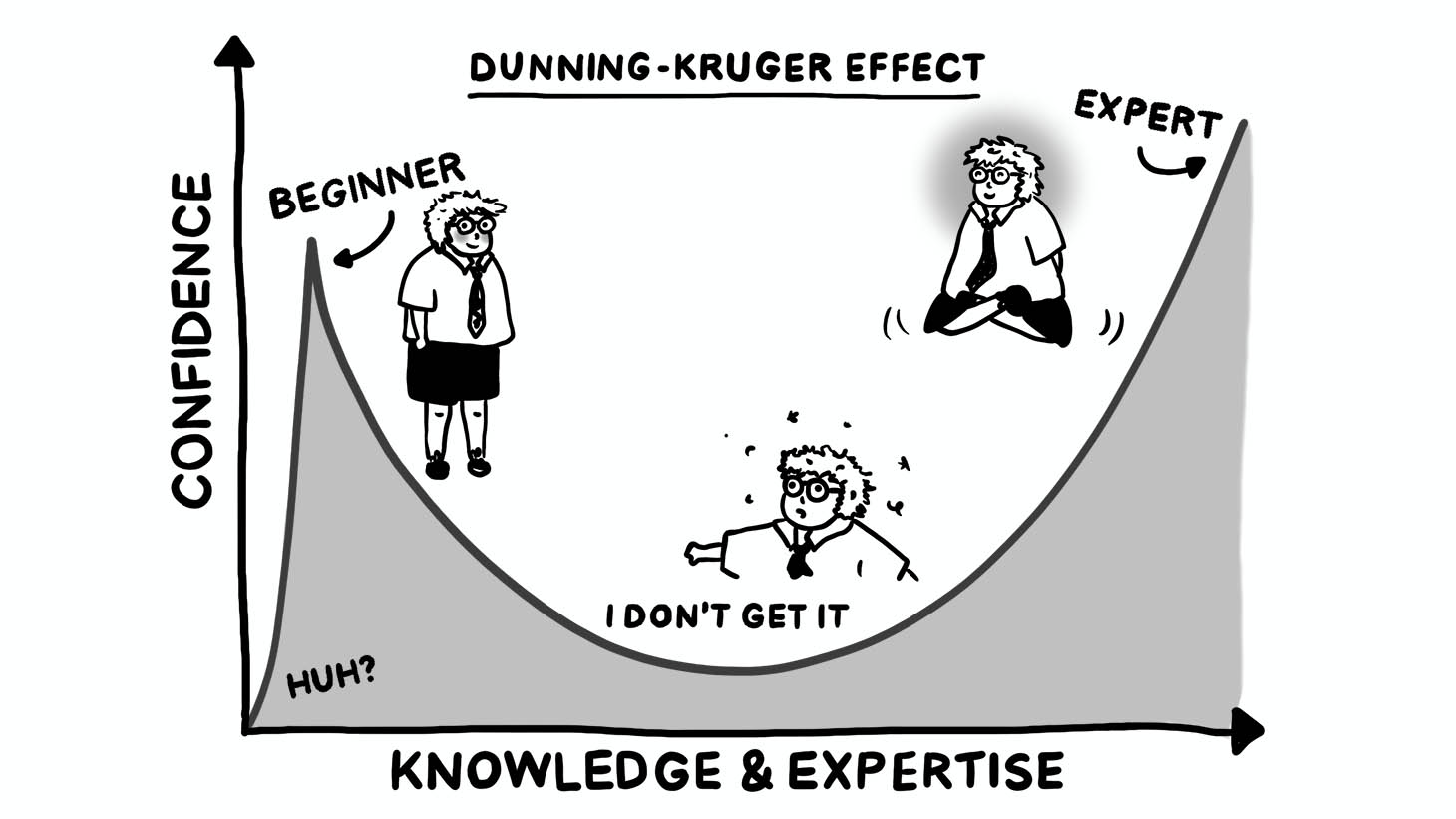
Dunning-Kruger effect
When people overestimate their knowledge or ability, particularly in areas with which they have little to no knowledge or experience
Heuristic
A strategy for solving a problem or making a decision based on experience with similar types of problems but cannot guarantee a correct outcome

Availability Heuristic
Involves making a decision based on how easy or difficult it is to bring specific examples to mind

Representativeness Heuristic
Involves categorising something by judging how closely it matches our idea of a typical member of category

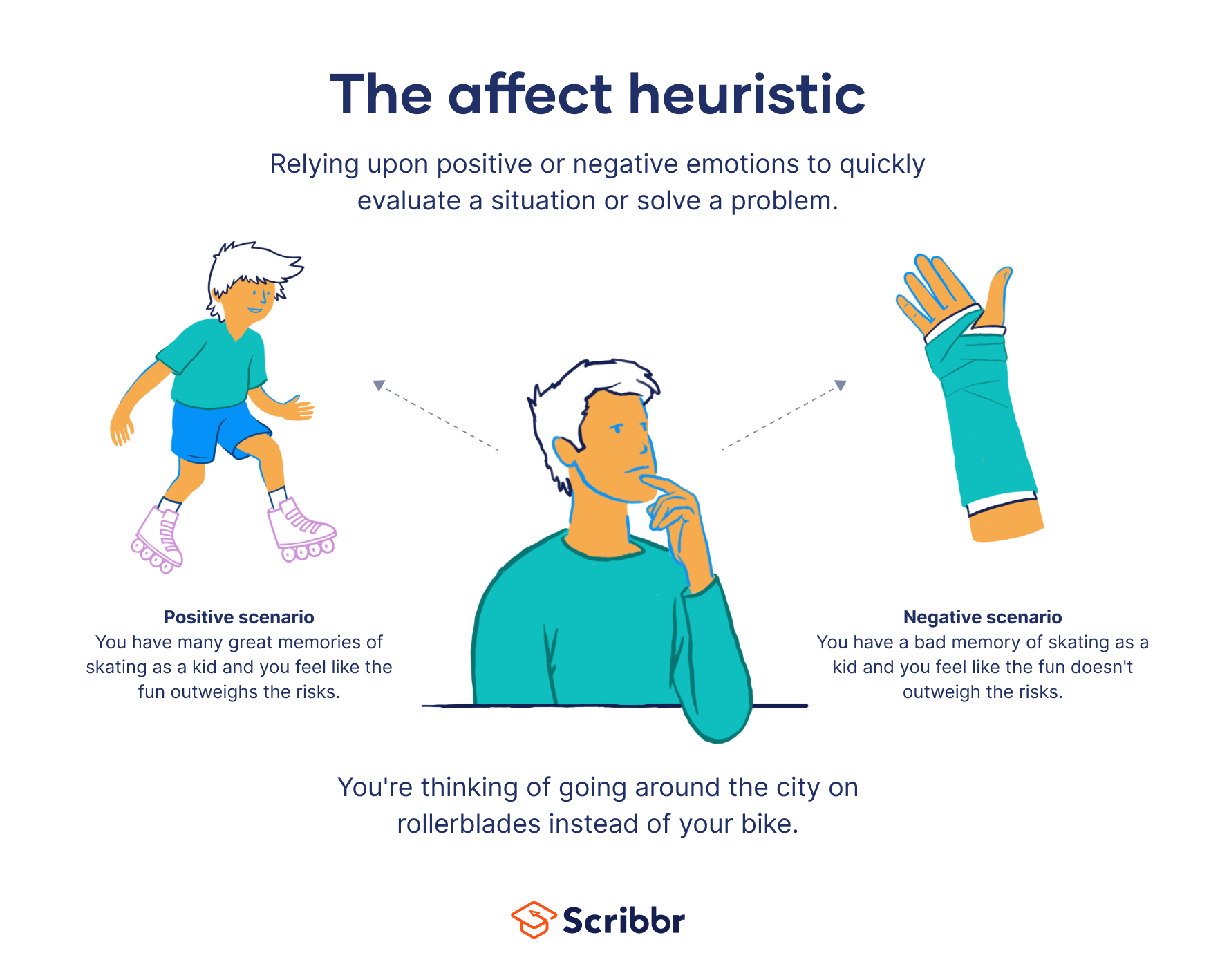
Affect Heuristic
Involves making a judgement that is influenced by the emotion being experienced at the time
Stereotype
A collection of beliefs that we have about the people who belong to a certain group based on their group membership

Prejudice
A negative attitude towards another person or social group, formed in advance of any experience with that person or group

Discrimmination
When a person or a social group is treated differently than others

Old fashioned prejudice
Members of majority group openly reject minority group; views towards minority group is obvious and recognisable to others

Modern prejudice
More subtle; hidden and expressed in ways more likely to be accepted within majority group

Explicit prejudice
Prejudice that is consciously held and usually deliberately thought about
Implicit prejudice
Prejudice that is typically unconsciously held; unaware of holding such prejudice
Intergroup Contact (Factors Reducing Prejudice)
Increasing direct contact between members of different groups
Contact Hypothesis (Factors Reducing Prejudice)
Direct interaction between members of different social groups
Mutual Interdependence (Factors Reducing Prejudice)
When people who are prejudice against one another must depend on one another
Superordinate Goal (Factors Reducing Prejudice)
A goal that cannot be achieved by any one group alone
Equality in Status (Factors Reducing Prejudice)
When all individuals are seen as equal in power, ability or value during interaction
Group criteria
Must be 2 or more members
Members must interact with each other
Members need to influence each other; thoughts or behaviour
Must be a common goal shared by the group members
Culture
The way of life of a particular community that sets it apart from other societies
Individualist Culture
Prioritise the needs and goals of individuals and value independence
Collectivist Culture
Prioritise the needs and goals of groups
Status
The importance of an individual’s position in the group perceived by members of that group

Power
The influence or control that an individual has over the thoughts, feelings and behaviours of another person

Reward Power
Ability to give positive consequences or remove negative consequences in response to specific behaviour
Coercive Power
Ability to give negative consequences or remove positive consequences in response to specific behaviour
Informational Power
Having access to resources or information that are relevant to a situation and are not available elsewhere
Legitimate Power
An individual’s status or position in a group gives them the authority to exercise power over those with a lower status
Expert Power
Having special knowledge and skills that are desirable or needed
Referent Power
Individuals are attracted to or want to be like or liked by this person
Groupthink
Individual members in a group seeking and maintaining agreement when decision-making rather than focusing on making the best decision

Group Polarisation
Individual member in a group shifting their original views to a more extreme position in the same general direction
Deindividuation
Reducing feelings of personal responsibility and inner restraint that can occur when in a group or crowd.
Anonymity in a Group/Crowd
In groups or crowds when people feel anonymous or ‘invisible’ and less accountable for their actions
Shift in Attention
People in a crowd unlikely to reflect on the appropriateness of their actions and give less thought to the consequences of their behaviour
Obedience
Occurs when we follow the commands of someone with authority, or the rules or laws of our society
Constructive Obedience
When complying with the orders of an authority that results in a positive outcome
Destructive Odedience
When complying with the orders of an authority that results in a negative outcome
Social Proximity (Factors Affecting Obedience)
The closeness between two or more people, including physical distance and closeness of their relationship
Legitimacy of Authority Figure (Factors Affecting Obedience)
The authority figure is perceived as being legitimate and having power
Group Pressure (Factors Affecting Obedience)
When there is little or no group support for resisting the authority figure.
Conformity
Is the tendency to adjust one’s thoughts, feelings or behaviour to become more consistent with other people’s or accepted standards about how a person should behave in certain situations
Group Size (Factors Influencing Conformity)
Maximum with three or four other individuals
Unanimity (Factors Influencing Conformity)
The agreement of all people
Normative Influence (Factors Influencing Conformity)
When a response in a group situation is guided by one or more social norms
Informational Influence (Factors Influencing Conformity)
When you want to provide a correct response but are not certain of your ability to do so, believing that others are more capable of making accurate judgements
Cultural Background (Factors Influencing Conformity)
Asian countries (Collectivists) are more likely to conform compared to Eastern countries (Individualists)
Social Loafing (Factors Influencing Conformity)
An individual reducing their effort when working in a group, compared with when they are working alone to avoid the effort involved in making a personal judgement
Anti-conformity
Deliberate refusal to comply with social norms or standards for thoughts, feelings and behaviours.
Reactance Theory
Refers to a motivational state of distress and resistance, caused by a desire to regain personal freedom after it has been removed or threatened by external sources