ch. 3 sept 25: chemical groups
 Call Kai
 Learn
Learn Practice Test
 Spaced Repetition
 Match
Match Flashcards
 Knowt Play
1/31

There's no tags or description
Looks like no tags are added yet.
Name | Mastery | Learn | Test | Matching | Spaced | Call with Kai | Chat |
|---|
No analytics yet
Send a link to your students to track their progress
32 Terms
properties of organic compounds are based on
size and shape of carbon skeleton
atoms attached to the skeleton
chemical group
Atoms that are attached to the carbon skeleton
can affect function

what chemical group is this, give an example
hydroxyl: H attached to O
eg. alcohols

what chemical group is this, give an example of where they are found
carbonyl: C attached by a double bond to an O atom
found in simple sugars

what chemical group is this, is it acidic or basic?
carboxyl: C double bonded to an O atom and OH
it donates H, making it acidic

what chemical group is this
amino group: nitrogen bonded to two H
pick up H form a solution
aka amines

what chemical group is this?
phosphate group: phosphorous atom bonded to four O atoms
often ionized bc O atoms are negative
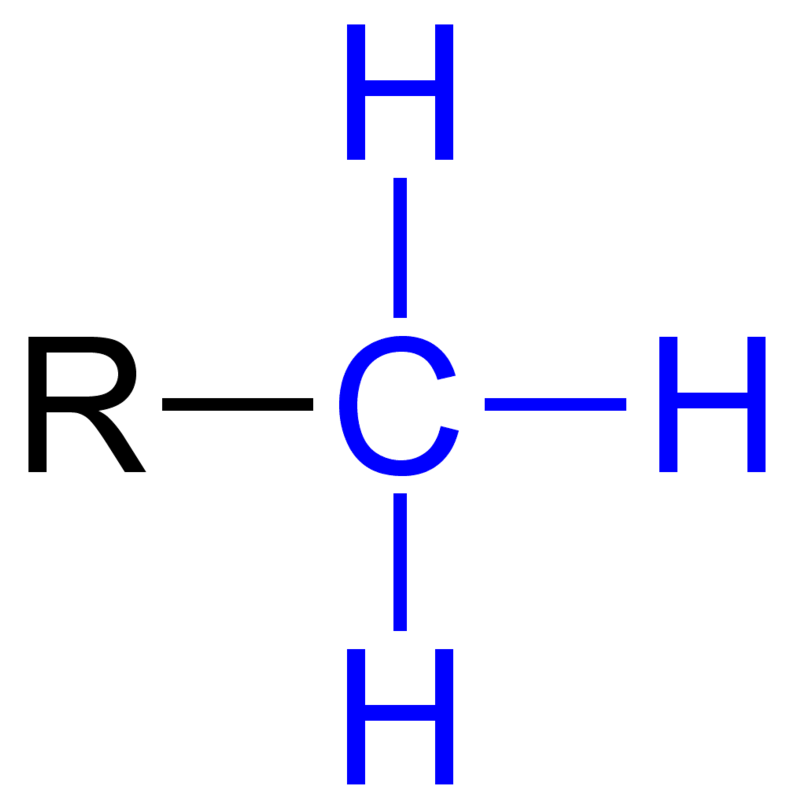
what chemical group is this, what does it affect?
methyl group: C bonded to three H atoms
affects gene expression
which chemical groups are polar?
hydroxl
carbonyl
carboxyl
amino
phosphate
what chemical groups are non polar, are they reactive
methyl group
not reactive
affects shape of molecule
4 main classes of molecules
carbs
lipids
proteins
nucleic acids
macromolecules
very large molecules
polymers
Small molecules joined together in large chains of similar building blocks
macromolecules are made of large polymers
great diversity based on arrangement of monomers
monomers
building blocks of polymers
what reaction makes a polymer?
dehydration reaction: removing water so 2 molecules bond
removing OH from one molecule, removing H from the other
what reaction breaks polymers, making them monomers?
hydrolysis: adding water to break polymer
OH attaches to one monomer and H attaches to the other
enzymes
specialized macromolecules that speed up chemical reactions in cells
carbohydrates
can be small or large
most are hydrophilic (many hydroxyl groups)
monosaccharides
carbohydrate
simplest of sugars, eg. glucose and fructose found in honey
CHO in 1:2:1 ratio
what chemical groups do sugars typically contain?
1 carbonyl
multiple hydroxyls
typically, what shape do monosaccharides with 3-7 carbons take?
rings
most are pentoses (5 carbons) and hexoses (6 carbons)
the names of enzymes that break sugars apart end in…
“ase”
why are monosaccharides the main fuel for cells?
energy is released when they are broken down
disaccharides
2 monosaccharides linked together
eg. maltose, sucrose
what is the function of polysaccharides, how are the monosaccharides linked together?
storage molecules and structural compounds
linked via dehydration synthesis
4 common types of polysaccharides
starch
glycogen
cellulose
chitin
starch
storage polysaccharide in plants (carbohydrate bank)
coil into helical shape that are either branched or unbranched
most animals have enzymes to break it down (amylase)
glycogen
glucose storage molecule in animals (mostly in liver and muscle cells)
highly branched
broken down by liver and muscle cells if needed
cellulose
polymer of glucose
most abundant organic compound on earth
cable-like microfibrils (layers of strings)
some microorganisms can break it down
chitin
structural polysaccharide used by insects and crustaceans
builds exoskeleton
also found in cell wall of fungi
how does water dissolve ionic compounds
attractions pull ions away from each other
how does water dissolve non ionic compounds
water surrounds compound, forming hydrogen bonds with the polar regions