Zoology Lab Pratical 3
 Call Kai
 Learn
 Practice Test
 Spaced Repetition
 Match
 Flashcards
 Knowt Play
1/12

There's no tags or description
Looks like no tags are added yet.
13 Terms

Sand Dollar
Phylum: Echinodermata
Class: Echinoidea
Test is equivalent to shell
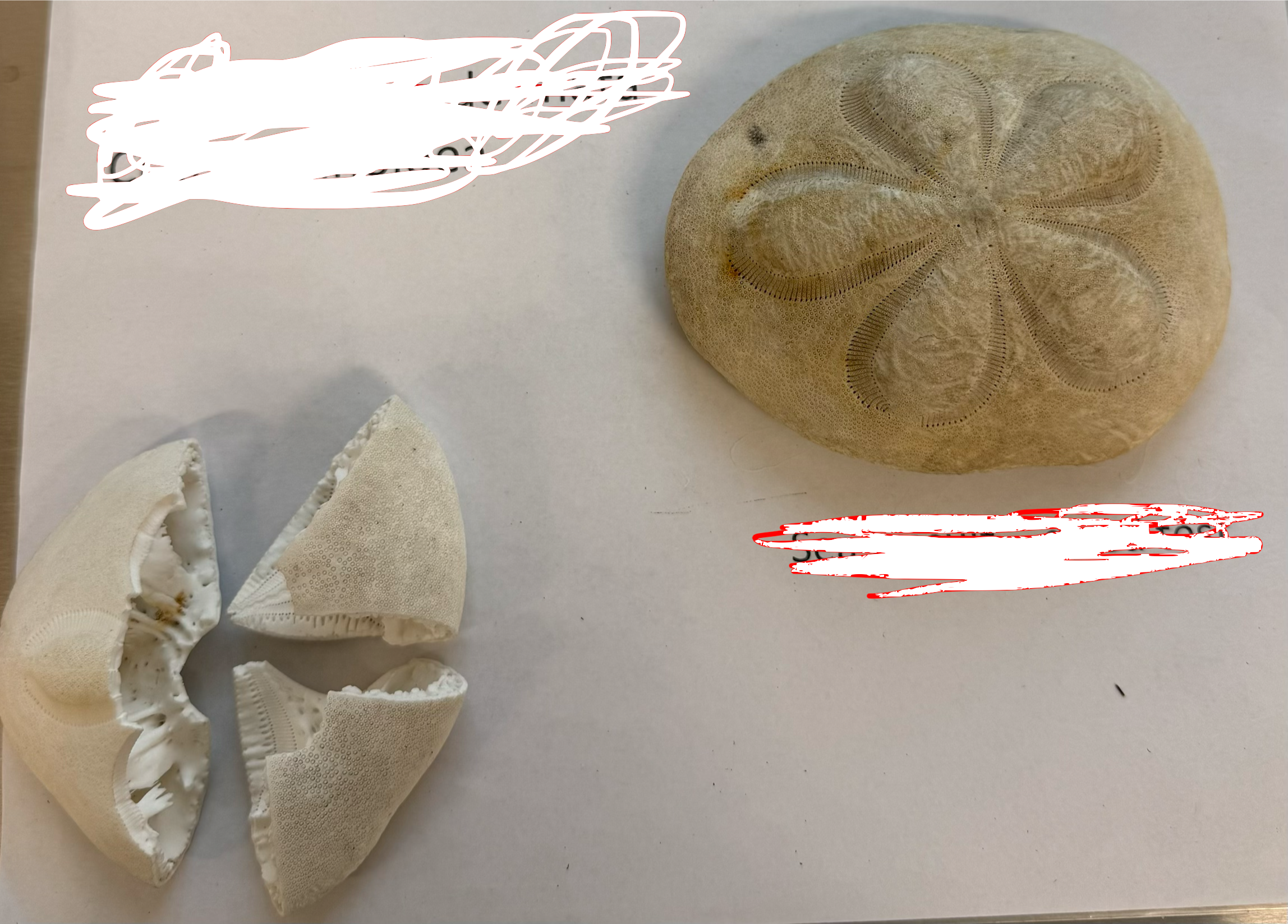
Sea Biscuit
Phylum: Echinodermata
Class: Echinoidea

Sea Cucumber-Thyone
Phylum: Echinodermata
Class: Holothuroidea
-can expel sticky threads or viscera from anus as self defense
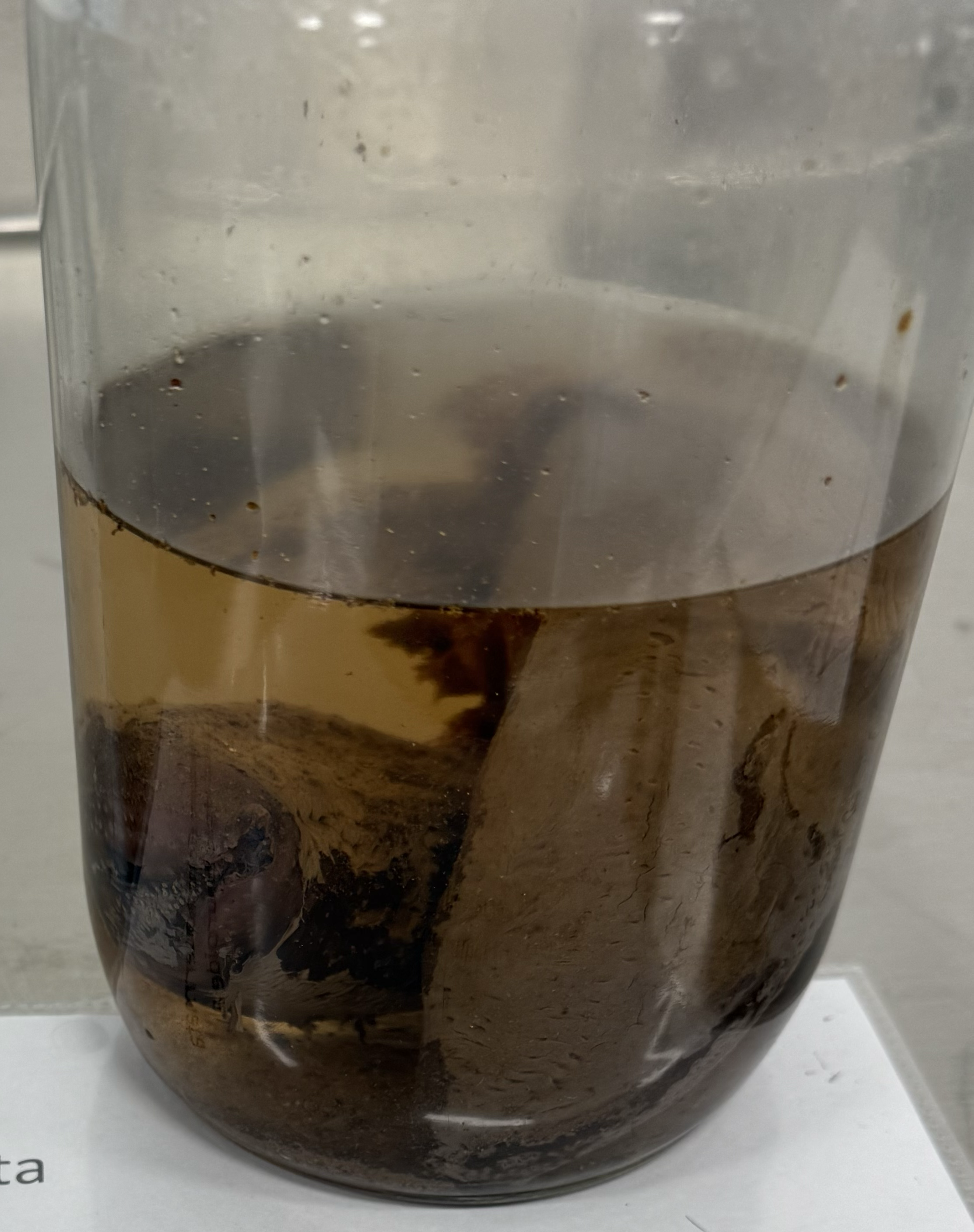
Sea Cucumber-Cucumaria
Phylum: Echinodermata
Class: Holothuroidea
Habitat: on the seafloor
It uses sticky tentacles to pick up food.
How and how much do these animals move? They use podia and move very slowly
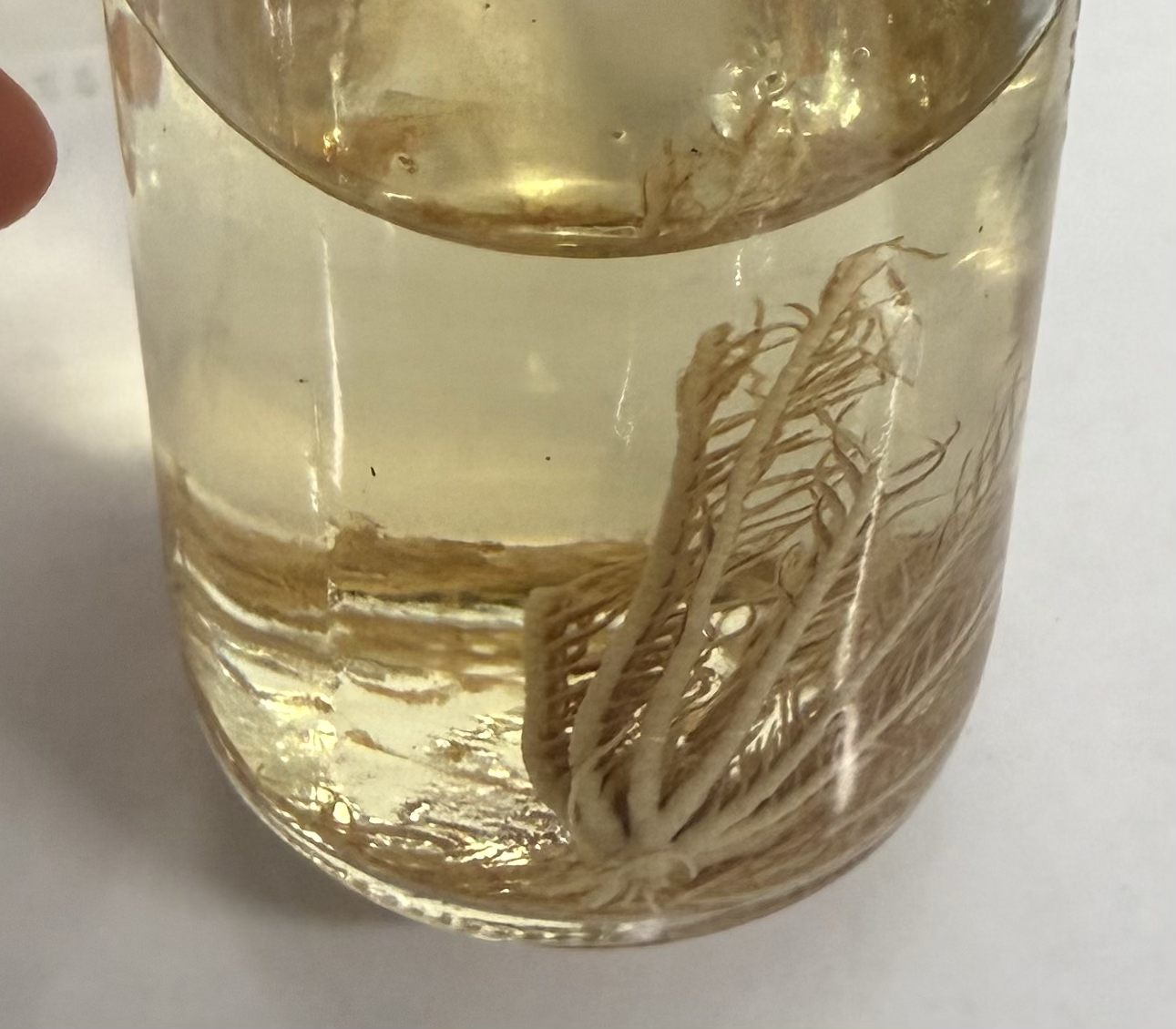
Feather Star-Antedon Rosacea
Phylum: Echiodermata
Class: crinoidea
Five rays branch into ten flexible arms each bearing many lateral branches.
The exoskeleton is made of calcium carbonate.
Tiny Tube feet are used for feeding.
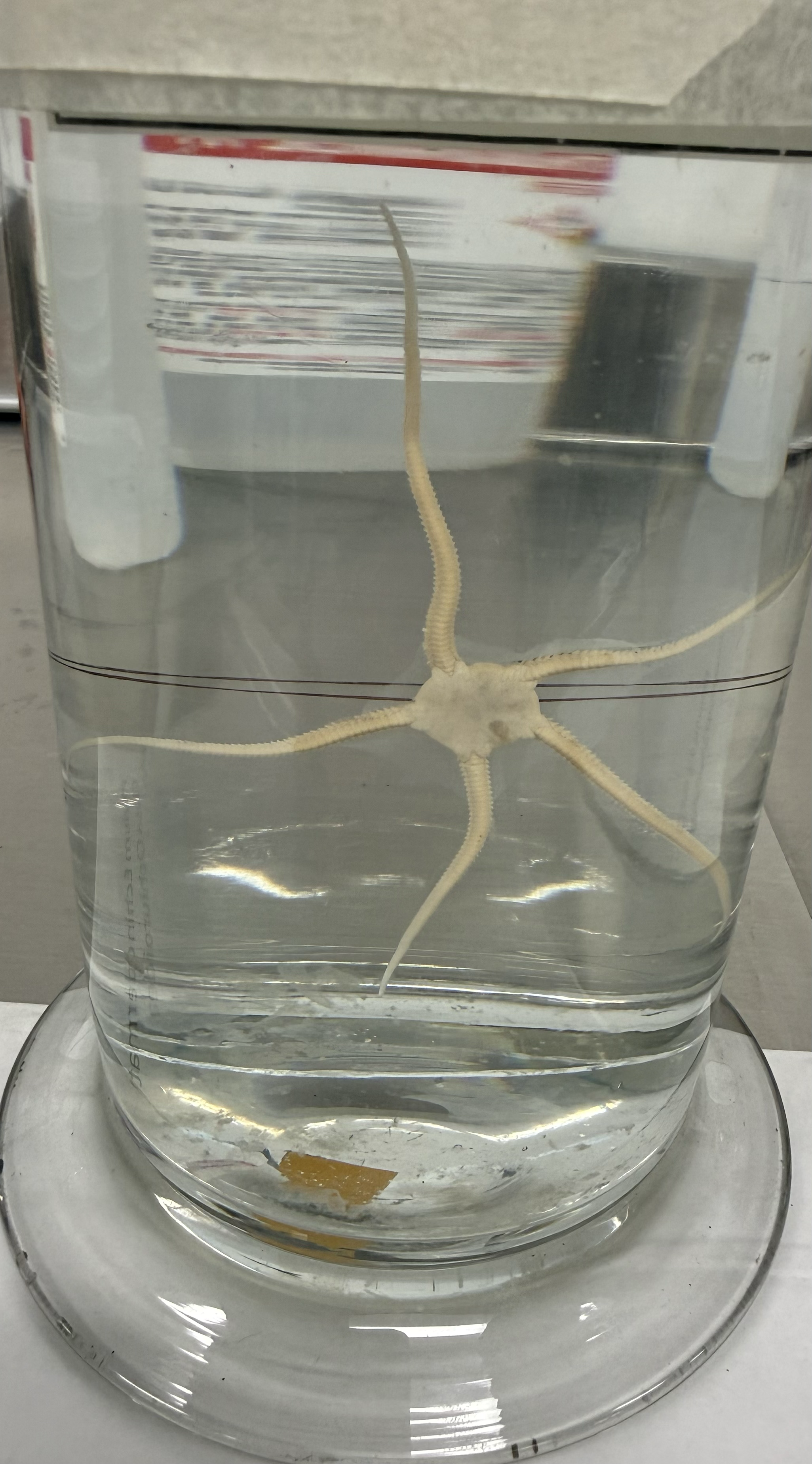
Serpent Star (Brittle Star)-Ophioderma
Phylum: Echinodermata
Class: Ophiuroidea
Missing an anus ( Incomplete digestive system)
Central disc and five slender rays
Movement: move with arm movements rather than suckers
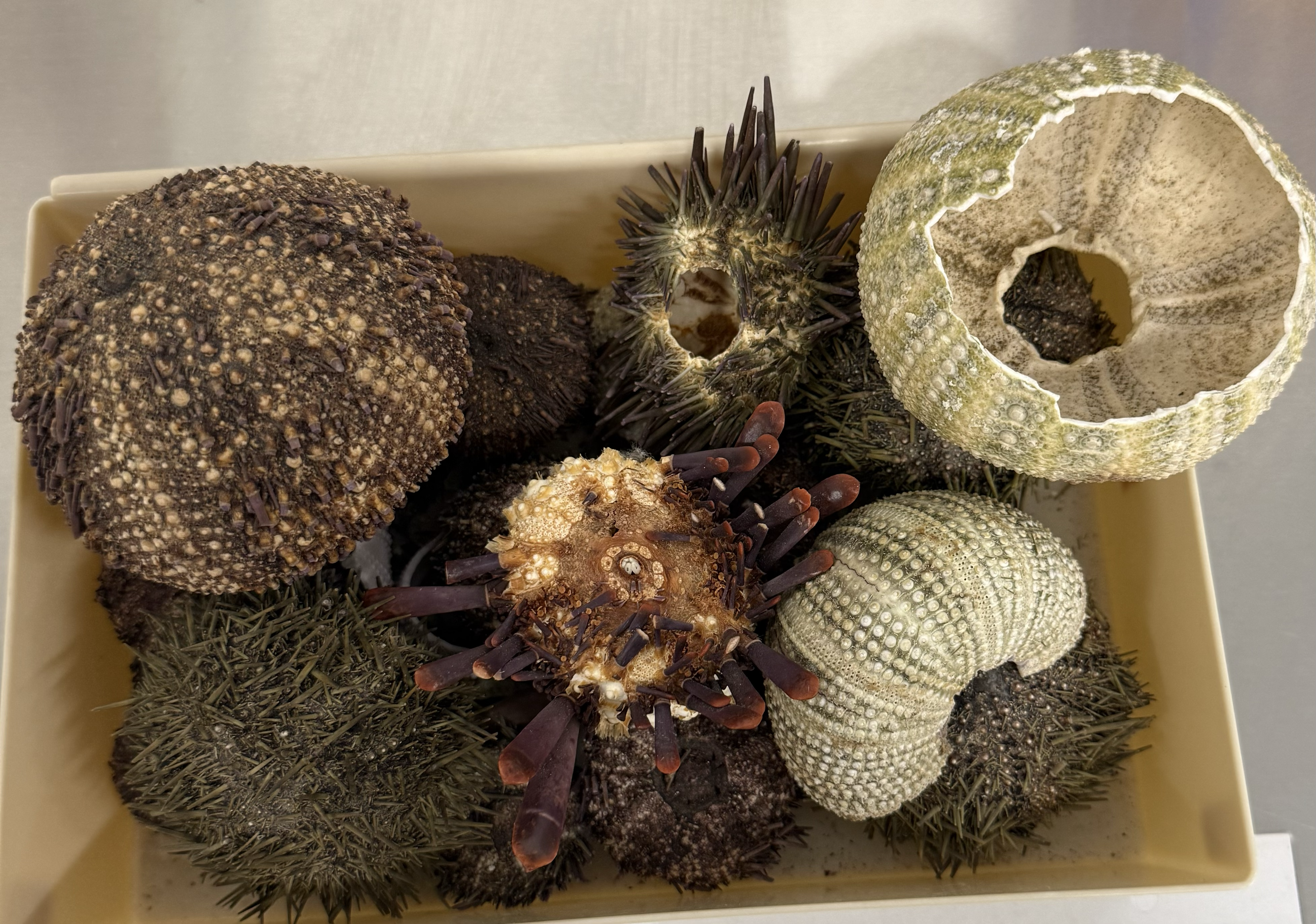
sea urchins
Phylum: Echinodermata
Class: Echinoidea
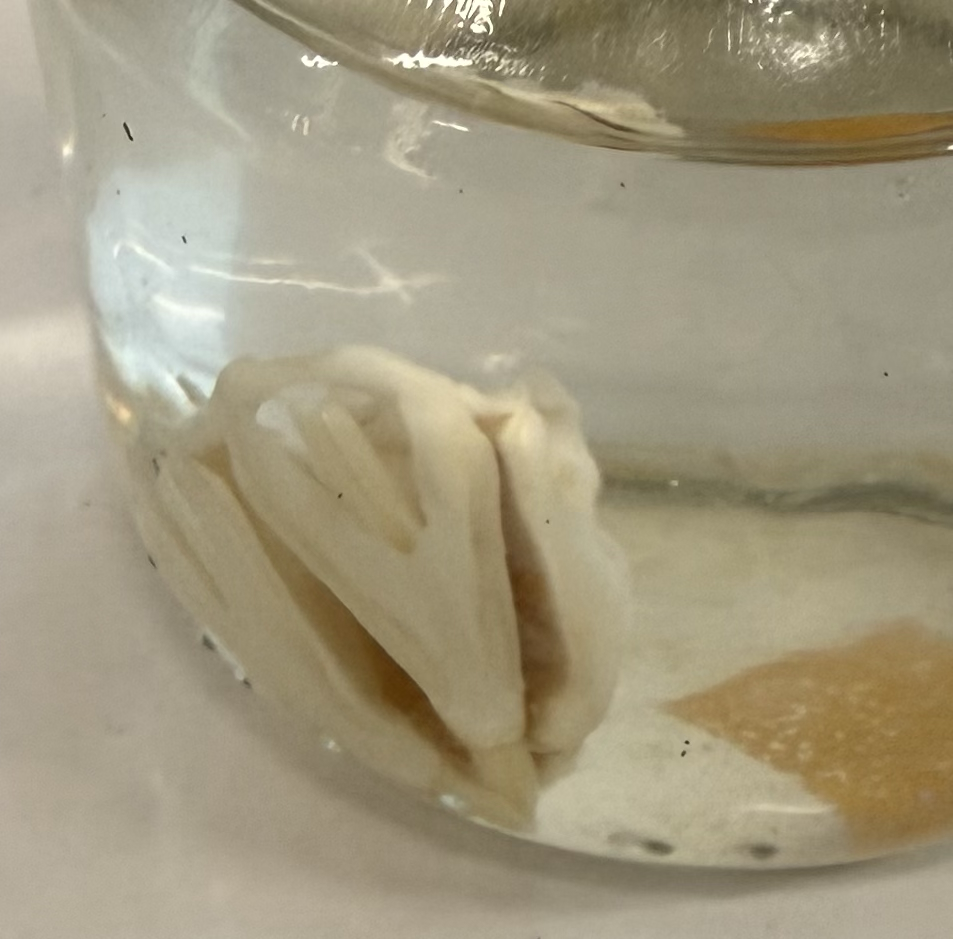
Aristotle’s Lantern
Phylum: Echinodermata
Class: Echinoidea
Tooth structure that sea urchins use to remove algae off of rocks. Composed of teeth and ossicles.

Sea Urchins
Phylum: Echinodermata
Class: Echinoidea
Aristotle’s lantern
Teeth
Shell (test)
tube feet
madreporite
anus
gonad
What are the tests made of? calcium carbonate

Cynthia
Phylum: Chordata
Subphylum: urochordata

Molgula-Common Atlantic coast tunicate or sea squirt
Phylum: Chordata
Subphylum: Urochordata
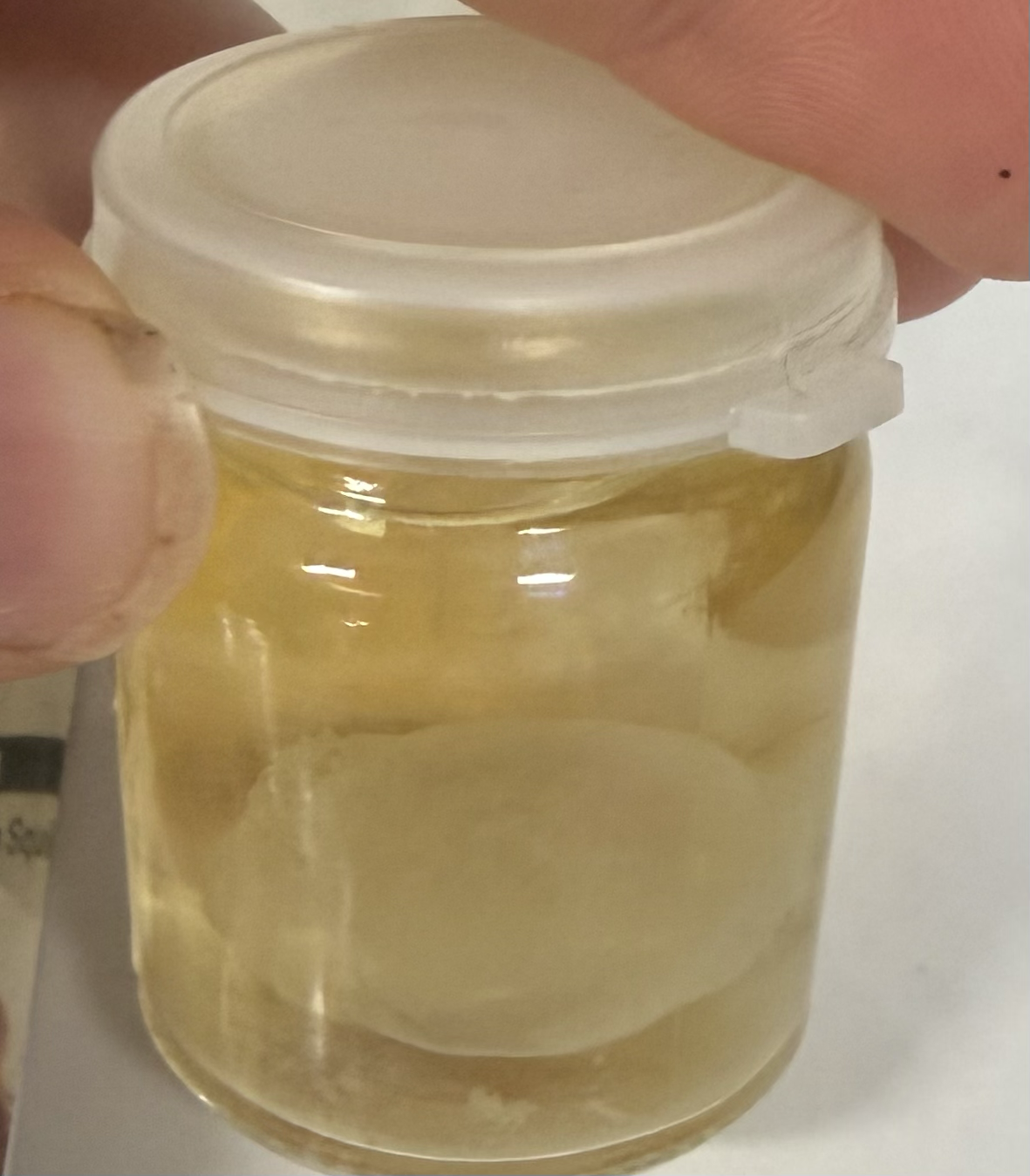
Molgula-Common Atlantic coast tunicate or sea squirt
Phylum: Chordata
Subphylum: Urochordata

Sea Squirt
Phylum: Chordata
Subphylum: Urochordata
Atrial siphon (excurrent siphon) | |
2 | Pharyngeal basket |
3 | Atrial cavity |
4 | Endostyle |
5 | Mantle (body wall) |
6 | Oral siphon (incurrent siphon) |
7 | Gill slits (stigmata) |
8 | Tunic |
9 | Holdfast / attachment base |