CDM 001 - intro to film analysis midterm 2026
 Call Kai
 Learn
 Practice Test
 Spaced Repetition
 Match
 Flashcards
 Knowt Play
1/107

There's no tags or description
Looks like no tags are added yet.
108 Terms
Extreme close up
A shot that presents only part of the face or an object.

Close-up
A shot that fills the screen with an object or figure of significance, typically the face, but the shot is also used for important objects such as a key, knife, or letter.
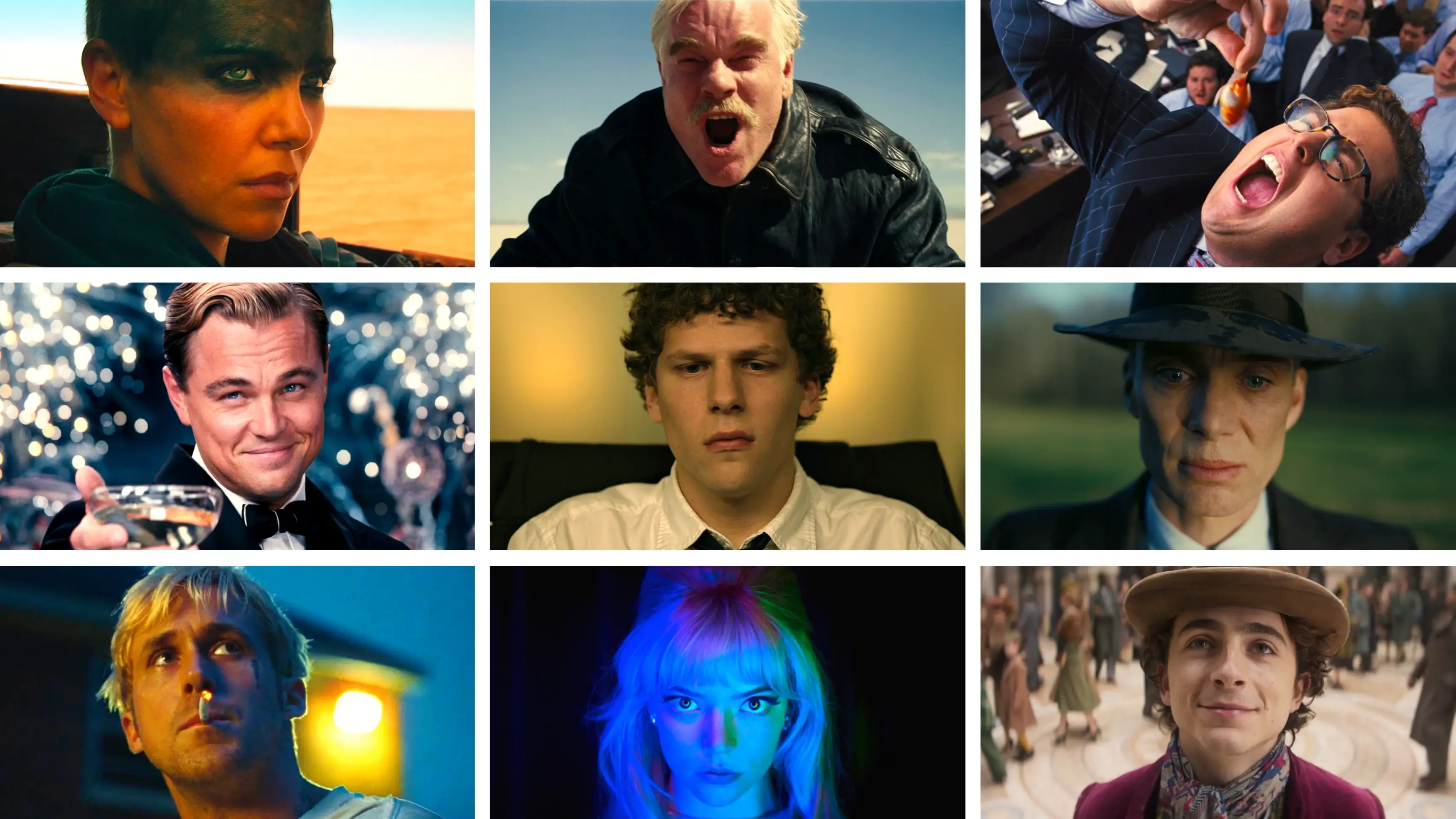
Medium close-up
A shot that captures the subject from the shoulders up.
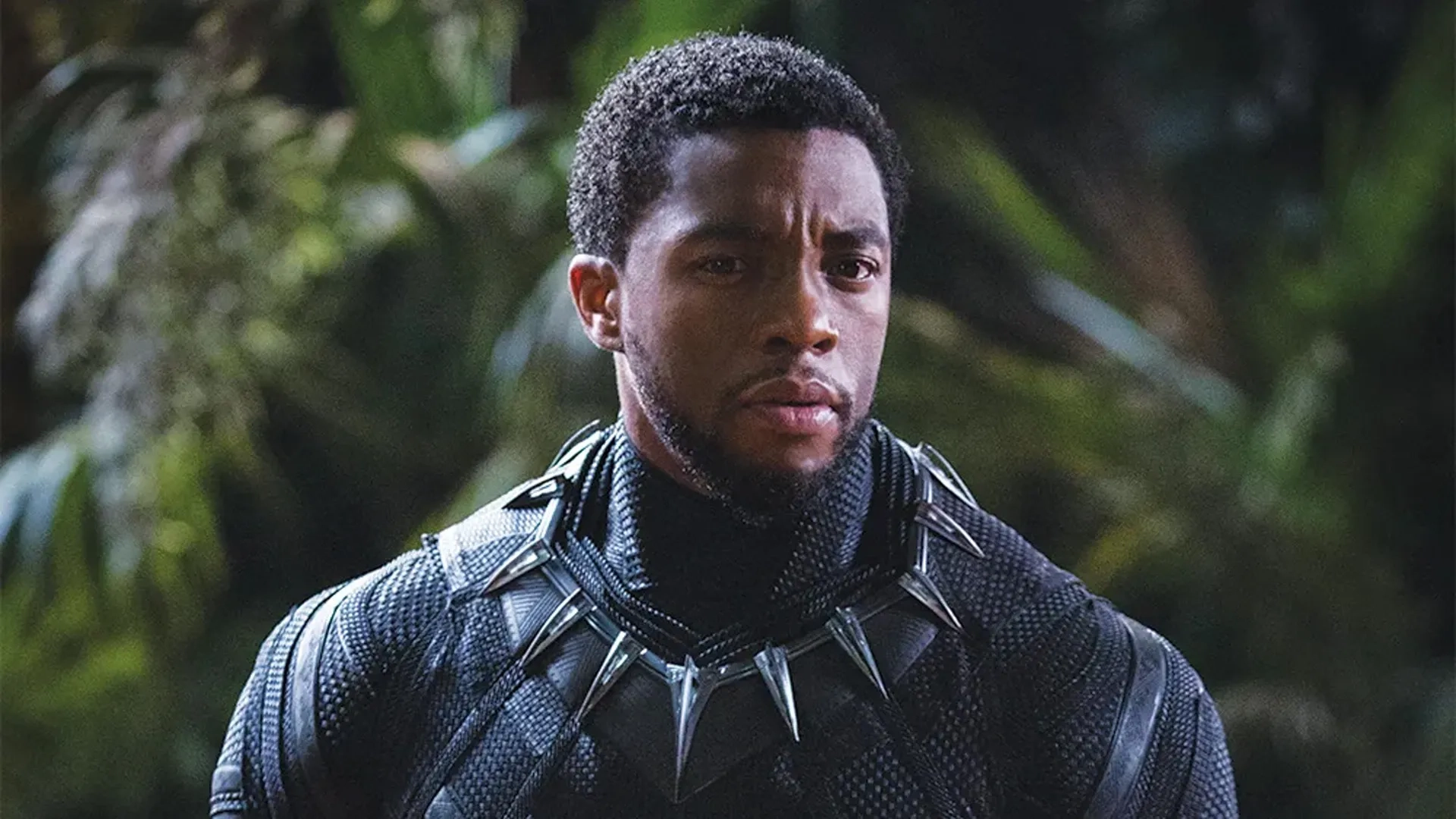
Medium long shot
Shot from knee to head

Long shot
Shot that shows full body from foot to head

Extreme long shot
people are small and are mostly in the background

Zoom
A shot that that changes the focal length of the zoom lens to make the subject look bigger or smaller rather than moving the camera.

Two shot
A camera framing that captures two subjects in the same frame

High angle
Camera is higher than subject

Low angle
Camera is lower than subject
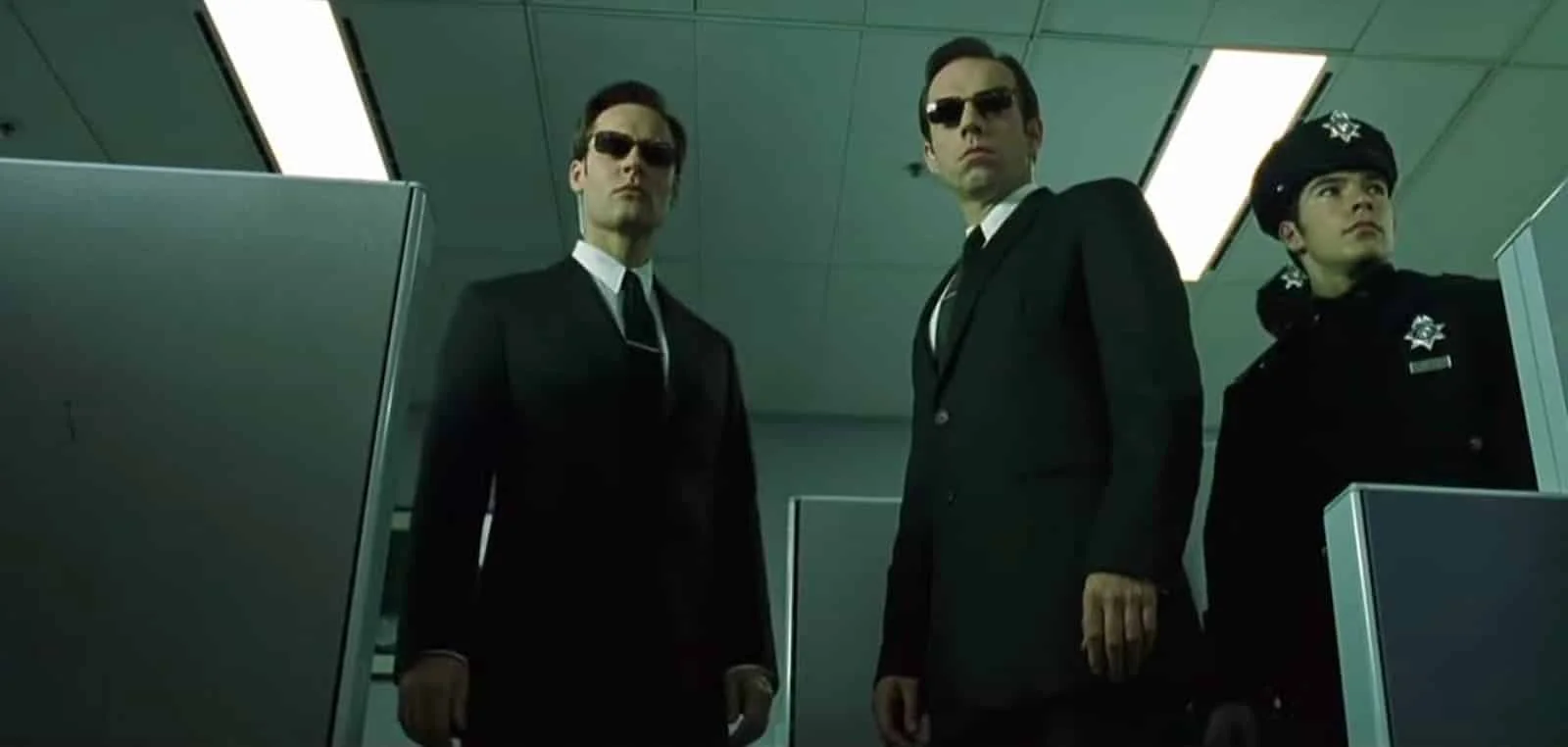
On level camera angle
Camera is aimed right at the character
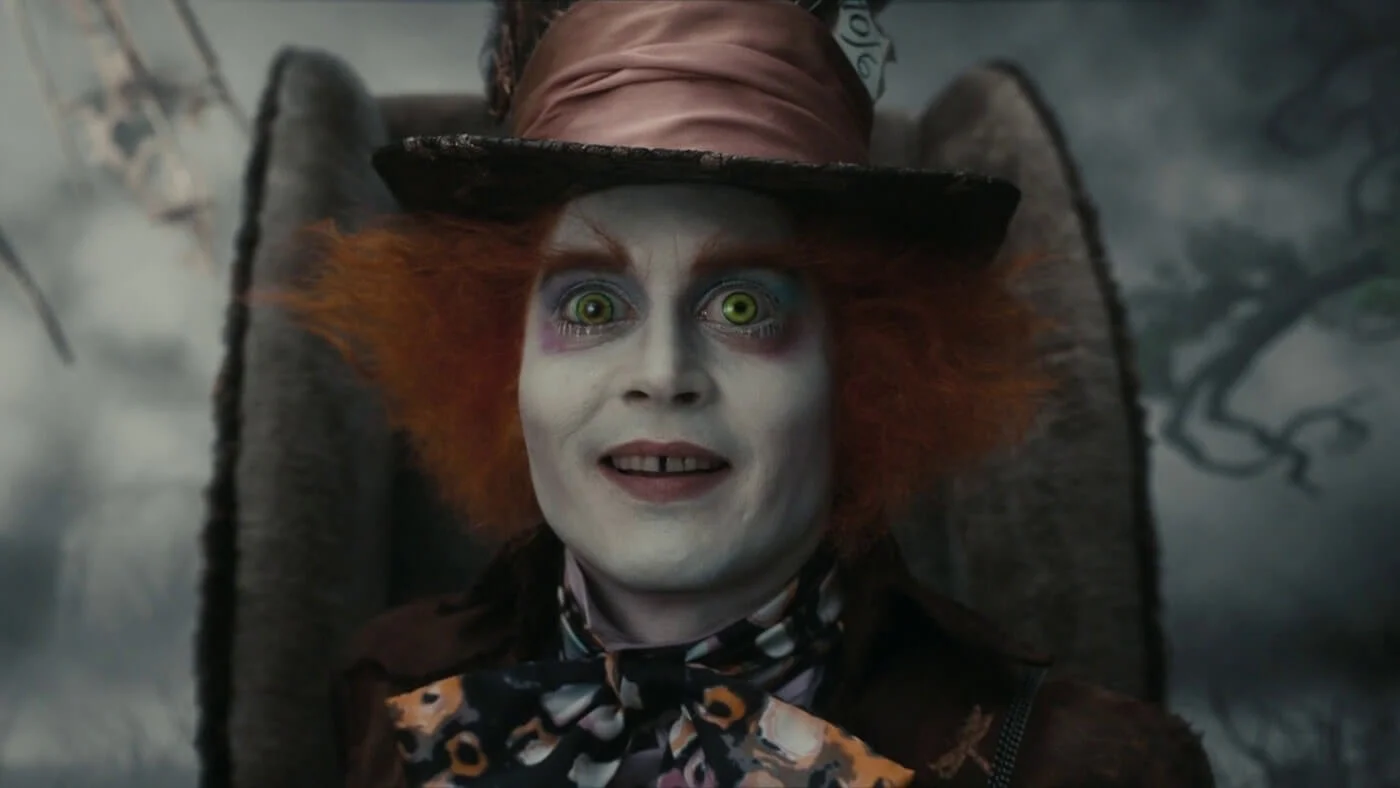
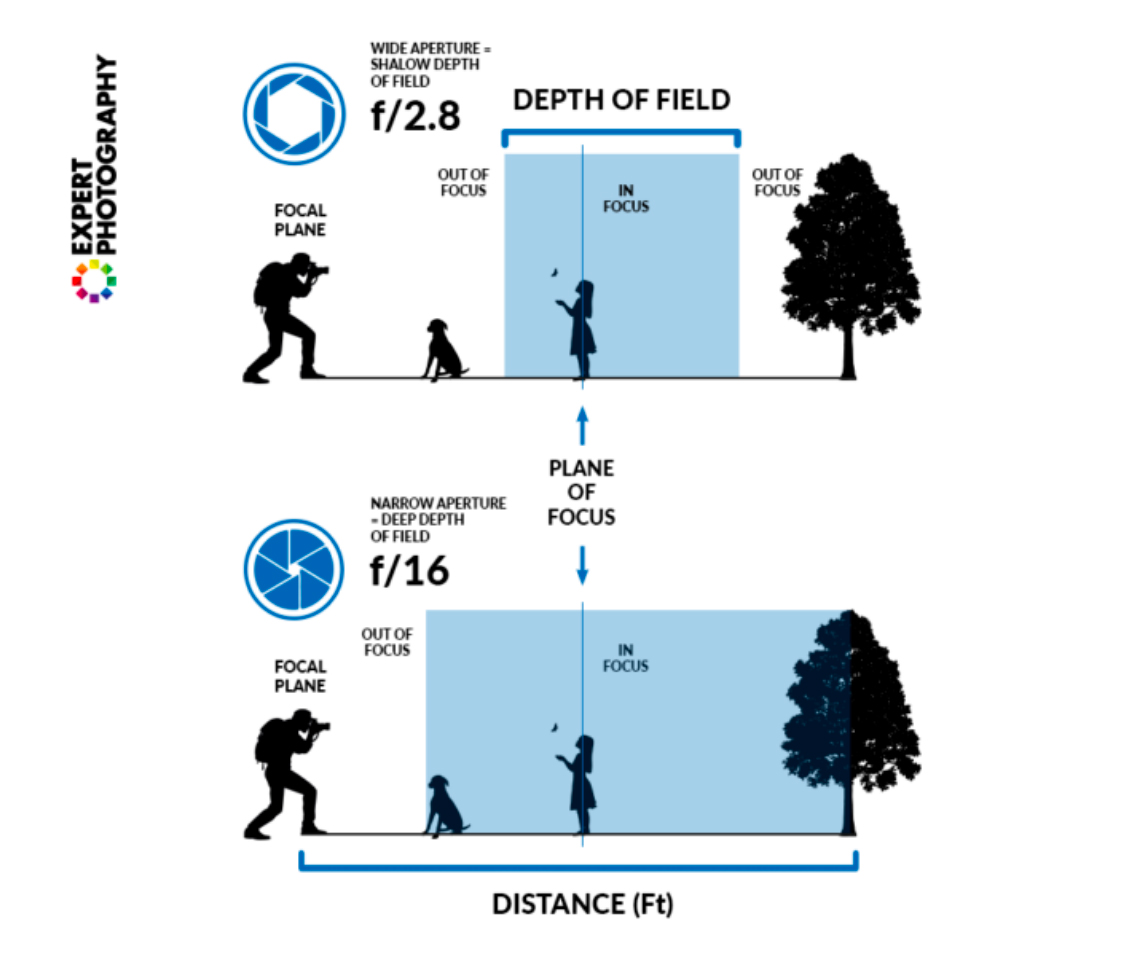
Deep focus
Everything including the background is in focus

Shallow focus
Subject is clear but background foreground or both is blurred

Canted camera angle
Camera is tilted to one side (typically shows craze)

Pan
Camera rotates horizontally from a fixed position

Tilt
Camera at a stationary angle moves up / down
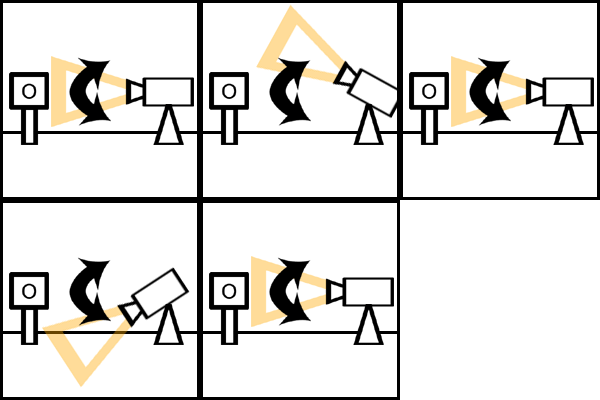
Cinematography
the art and technique of capturing moving images for film, television, and digital media
Tracking
Camera is moved from place to place filming continuously

Dolly
A wheeled platform that rolls the camera to a new location

Crane shot
A camera movement where the camera is mounted onto a mechanical arm that lifts, lowers or sweeps the camera through space

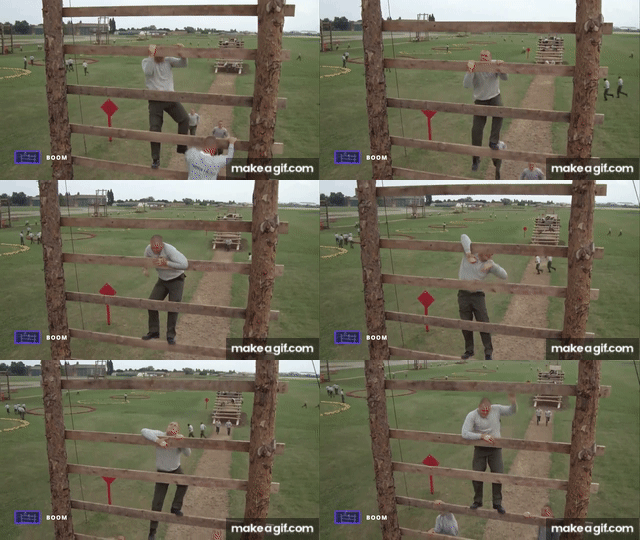
Boom shot
Camera is mounted on a mechanical arm crane or jib to move smoothly and continuously up or down
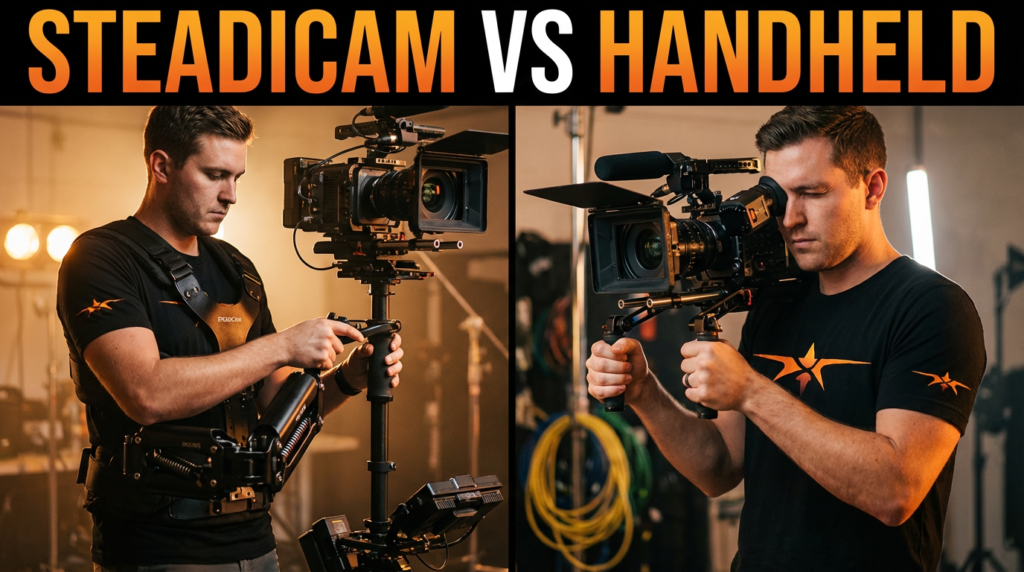
Steadicam vs. handheld
A steadicam uses an arm vest and counter weight system to keep the camera steady creating a smooth floating or gliding look whereas handheld shooting involves someone directly holding a camera which adds natural human motion making motion bounce and sway in ea h frame.
POV shots in rear window vs unmarked shots in roma
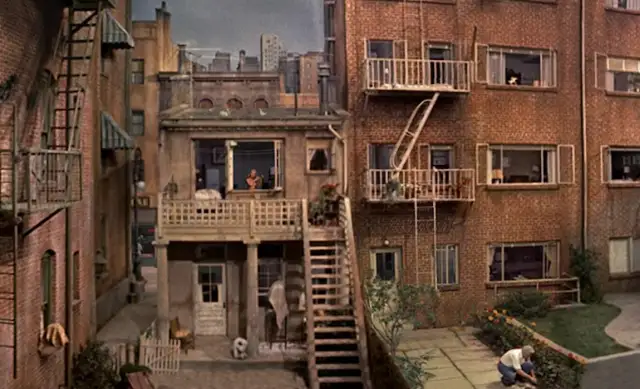
POV shots in rear window matches the characters literal line of sight ( like us seeing what jefferies sees as he spy’s on his neighbors).
Unmatched shots in Roma mimics the feeling of a look or observer but floats independently without being anchored to the characters physical eyes. ( like how it shows the events as a memory rather than through Cleo’s own eyes)

Depth of field
The distance between nearest and farthest objects in an image that still appears in sharp focus
Mise en scene
French term pulled from the theater which means “put into scene”. It is everything that appears in the frame of the shot.
What’s a part of miss en scene
Set design
Props
Costuming and makeup
Composition and space
Character blocking and performance
Lighting
Set design
the art of planning, building, and arranging the physical spaces, backdrops, and surroundings where a movie is shot

Props
Object made for use in film which reveals something about the diegeses (story/narrative)

Costuming and make up
the design, selection, and application of clothing, accessories, wigs, and cosmetic or prosthetic effects worn by actors to visually build a character and create worlds
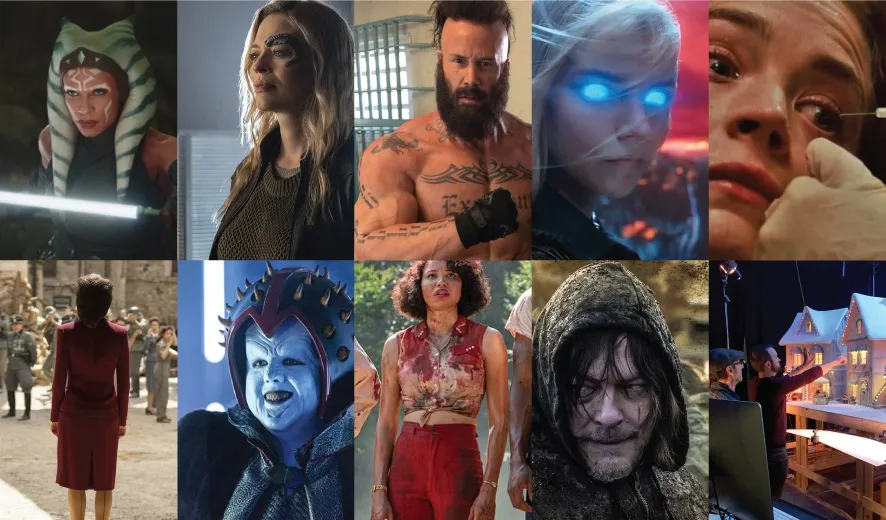
Composition and space
How the scene is composed and how the characters are blocked

Character blocking and performance
Character blocking is the precise physical positioning, movement, and choreography of actors within a film frame and space while Performance in film refers to how an actor embodies a character
3 point lighting
A Hollywood standard of lighting where back light, key light and fill light illuminate a subject, control shadows, and add depth to a scene.

Key light
Strongest light source often placed above or to the side to cast shadows
Fill light
A weaker light used to fill key shadows
Back light
Usually placed behind character to add an outline

Natural lighting
uses available environmental sources—primarily sunlight, moonlight, or ambient practical light

Fade in / out
film transitions that gradually reveal or conceal a picture on screen

Dissolve
editing transition where the end of one shot gradually fades out while the beginning of the next shot simultaneously fades in, briefly overlapping on screen

High key light
Light sources keep everything well lit

Low key light
Creates dynamic contrast and dark shadows sometimes disappearing characters into darkness

Wipe
transition where one shot replaces another by moving across the frame along a line, shape, or pattern

Mask
a cover over the cameras visual field

Iris
a circular or eye shaped mask showing desire
Iris in
black circular or eye shaped mask opens up to reveal a scene
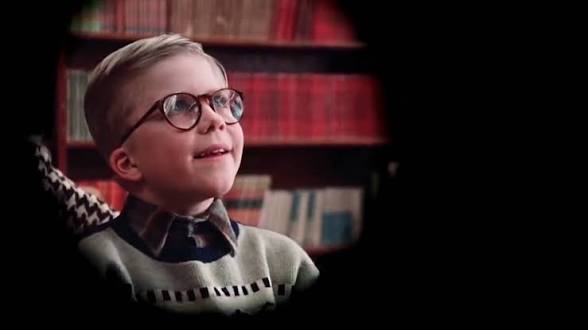
Iris out
black circular or eye shaped mask closes to end a scene
Jump cut
editing technique where a single, continuous shot is broken by removing middle footage, making the subject abruptly "jump" forward in time while the camera angle stays nearly the same

Shot duration
the actual amount of time a single, uninterrupted camera shot appears on screen
Establishing shot
a long or extreme-long shot at the beginning of a film scene that shows a space from a distance to orient the audience

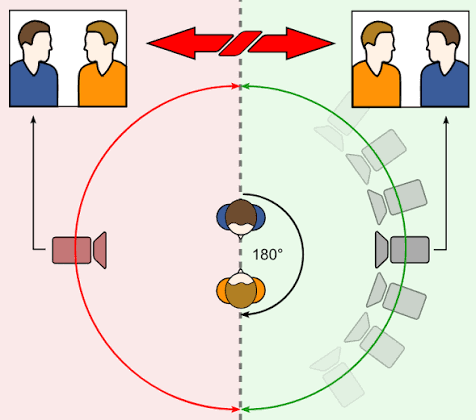
180 degree rule
a rule that can be violated saying the camera must stay on one side of an imaginary straight line drawn between two interacting subjects
Match on action
cuts from one shot to another while a character or object is in the middle of a physical movement

Eyeline match
One character looks into the direction of another even if the characters not in the shot

Graphic match
Tries to guide the viewer through through the transition from 1 shot to the next by making two shots in similar appearance

Shot/ reverse shot
one character is shown looking at another character off-screen, and then the second character is shown looking back from the opposite angle

Parallel editing
Film cuts back and forth between 2 different actions (fleeing / chasing)
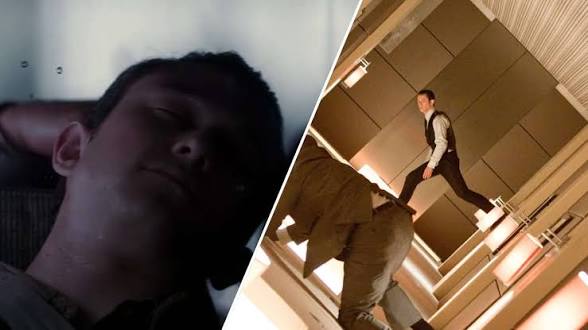
Discontinuity editing
Breaks up the film so you notice the cuts

Soviet constructivism
an avant-garde art and architectural movement in Russia that rejected traditional fine art in favor of functional, industrial design to serve the Communist state

graphic clash
occurs when two consecutive shots feature violently conflicting visual elements
Hitchcocks notion of pure cinema
the use of images placed together in a designed way to create moods narrative and themes

Hitchcocks use of a single set
Used to heighten suspense and force the audience to focus on the performance and spatial tension
Film v theater
basic unit of meaning - in theater meaning is built through the conscious while in film meaning is built through captured images and the transition between them
Primary medium -Theater is primarily language, body language voice and physical presence with some muse en scene while film is a projection of captured reality which allows for more control
audience focus - the audience chooses where to look while in film the camera dictates what you get to see
In theater actors determine the performance while in film the actors depend upon the director and editor

Narrative structures (rear window)
Merges suspense with voyerism isolation and relationships
Story v plot
Story is the events and themes that make up the entire world while plot is the specific sequence of events actually shown on screen
Diegetic v non diegetic
Diegetic visual and audible stuff within the story’s world (audience and characters can experience)
Non diegetic - visual and audible stuff only seen or heard by the viewers
Flashback vs forward
Flashback is a scene that interrupts the main story to show an event from the past. while a flash forward is A scene that temporarily jumps ahead to show an event from the future.
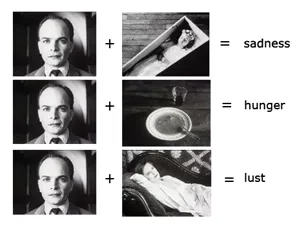
Kuleshov effect / experiment
a cognitive film editing phenomenon where viewers project meaning and emotion onto a neutral facial expression
Montage in the Hollywood system
the way a film is constructed and built - editing
Einsteins dialectical theory of montage
He made the 5 methods of montage - he believed film needed to create its own language and that art is conflict
Metric montage
Length of shots through editing controls the pulse of the audience
Rhythmic montage
Shot dependent on the movement with in frame (marching feet or spinning wheels matching the visual tempo)
Tonal montage
The atmosphere and mood the film is trying to create
associational (over tonal) montage
Builds on metric, rhythmic and tonal montage and combines them (overall mood/theme) used to get an reaction from the audience
Intellectual montage
Putting images together to get you to think about the meaning of something
Sequence shot (Roma)
A long continuous shot that reveals narrative and meaning in real time without using cuts - staying along side Cleo while she is in the oven trying to save the kids

Static shot v cybernetic camera
Static shot - the camera stays completely still with no panning tilting or zooming
Cybernetic camera - camera movement style where the camera moves robotically through space
Internal and external focalization & pov
Internal focalization - through pov and inside the digeses
External focalization - shot outside of the film world
Separates the narrator who speaks from who perceives
Biographical historical thematic anaylis of Roma
Shows the historical fight between authoritarianism and democracy and the racial divide in Mexico through the filter of his memory as a young boy
A ghost of the present visiting the past
Italian realism
Focuses on the little people and there day to day life - usually doesn’t have a real ending and forces us to stay in the world. It is imperfect and often uses people who aren’t experienced actors. Hollywood is more structured and perfect focused on escapism.
1st 2nd and 3rd cinema
1st - entertainment and main stream holly wood films
2nd - independent / experimental indie films
3rd- oposes something about the world - wants to raise political consciousness
Imperfect cinema
Rejects the perfect and polished cosmetically oriented film making - favors low budget and more accessible ways of making film (not elitest)
It’s an answer and a question
Non fiction film
Real documentation of people and actual events( not always true only shows an idea of what it would be like in some cases)
It’s focused on persuasion
Documentary
Telling stories with evidence and argument
Nichole’s 3 credible Cs
Credible - establish credibility of filmmaker
Compelling - form of of presentation for audience
Convincing - provides convincing arguments
Expository mode
Has voice over (voice of god) directly narrating what is happening
Poetic mode
Documentary is trying to give the impression of something rather that directly saying it
Observational mode
Fly on the wall approach camera does not interfere with action
Participatory mode
Fly in the soup - makes things happen that might not normally happen through interviews
Reflexive mode
Films that acknowledges how it’s created
Preformative mode
Works to change the world - something happens because it is being filmed like getting people to unionize
Ethnographic film relation to documentary
Uses camera to record and research - wants high indexicality (point directly back to te real world like a finger print points back to you)
Documentary modes of address
Who is speaking to who about who?
Film as a microcosm
a setting, character group, or specific situation that acts as a miniature, representative model of a much larger society, system, or human condition
Realism vs formalism in film
Realism wants to record the real world as accurately as possible while formalism wants to treat film as an art form to distort reality to covey emotional phycological or spiritual truths
Male gaze
Cinematically designed way of looking that aligns the cameras gaze with the view of a male protagonist reinforcing social systems of power in the process

Voyerism / scopopphilia
A private look that is never reaturned - there is a pleasure in remaining unseen

Fetishism
strong erotic attraction to objects (feet, hair, shoes, undergarments)
Fetishizing vs modeling desire
modeling desire is (healthy, narrative-driven exploration of attraction) and fetishizing is (reducing a character, culture, or body part to an object of sexual gratification) comes down to agency, perspective, and depth
Ideology
Way of thinking that comes from our surroundings (family, language, history)
Dominate ideology
Ideology you are surrounded with that is commonly agreed on
Hegemony
Ideology that is dominate through source
Not agreeing can and will lead to consequences
Neocolonialism v colonialism
Neocolonialism - Indirect form of control where country is sovereign on paper but nation is economically and culturally free
Colonialism- foreign power exerts direct control and rule over another nation