Study guide for Exam 2
 Call Kai
 Learn
 Practice Test
 Spaced Repetition
 Match
 Flashcards
 Knowt Play
1/46

There's no tags or description
Looks like no tags are added yet.
47 Terms
Subdivision Otocephala
clupeomorpha
aleptocephali
osteriophysi
Superorder Osteriophysi
cypriniformes
Characiformes
siluriformes
Gymnotiformes
Subdivision Euteleostei
Protacanthopterygii
Paracanthopterygii
Acanthopterygii
Osmeromorpha
Cyclosquamata
Ateleopodomorpha
Lamprimorpha
Scopelomorpha
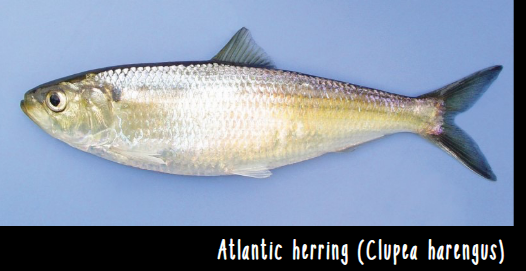
Superorder Clupeomorpha Synapomorphy
Extensions from the swim bladder into the skull that attach to the otoliths which enhance the fish’s ability to sense vibrations in the water. The bones are called
Superorder Ostariophysi Synapomorphies
Schrekstoff
Pheremones that signal near by fishes that there is danger and can insight 3 behaviors, flee, hide or clump together.
Webarian Apparatus
These are bones (called webarian ossicles) that connect the swim bladder and otoliths in the inner ear that greatly enhance the fishes ability to sense vibrations (similar to the clupeomorpha)

Order Cypriniformes
Contains the gold fish which can tolerate anoxia for great periods of time due to their ability to rely on a version of anaerobic respiration that makes them drunk as it produces ethanol as a by product. This adaptation allows them to live in anoxic waters where other fishes cannot inhabit.

Order Characiformes
First appearance of
Adipose fin
just a fatty lobe with no other purpose than for sexual selection
Ctenoid scales

Order Siluriformes
The catfishes
they all have chemosensory barbs

Gymnotiformes
The knife fishes that can generate weak electrical currents
long dorsal and or anal fins
obligate air breathers

Superorder Protacanthopterygii
Salmoniformes
Esociformes

Order Salmoniformes
Onchorynchus
this is the sockeye salmon, they are semelparous and feed in the Atlantic gyre for 2 years before returning to their birth river. it is important to note that each population (~150) is specifically adapted to their river conditions. When they make their migration their digestive systems break down to make more space for gonads and improve reproductive success. They are both ecologically and economically vital.

Superorder Osmeromorpha
Osmeriformes
Stomiiformes
Characteristics:
first instance
Physoclistous swim bladder
This swim bladder is not connected to the esophagus, it is the derived state. Most common in meso- and bathypelagic species where they do not visit the surface often.

Osmeriformes
Fishes
Capelin
Rainbow smelt
candlefish
these fishes are important to First Nations people. They lack a swim bladder, are anadromous and semelparous.

stomiiformes
These are deep sea fishes that often have bioluminescence
Bioluminescence types
Ancestral:
done by the fish itself through the use of luciferin
Derived
done by photogenic bacteria
purpose:
signaling
mimicry
conter illumination
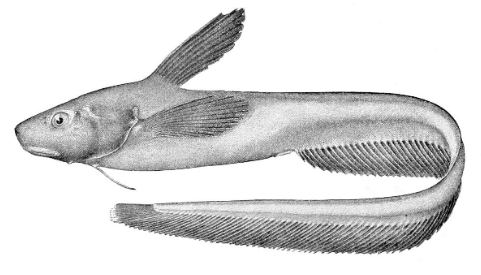
Ateleopodomorpha
ateleopodiformes
Pelvic fin is now a single ray and anterior to the pectoral fins.
jellynose fish

Cyclosquamata
Aulopiformes
bioluminescent and hermaphroditic
greeneye, lizardfish, tripodfish


Scopelomorpha
myctophiformes
lanternfishes, and blackchins
they can be bioluminescent too

Lamprimorpha
Lampriformes
Oar fish
Opah fish
limited whole body endothermy

Paracanthopterygii
4 orders
3 Marine
Gadiformes
1 FW
Percopsiformes
cave fish

Gadiformes
Family Gadidae
Atlantic cod, pollack and haddock
their pelvic fins are anterior to their pectoral fins
cycloid scales
physoclistous swim bladder
they are the only fishes with 3 dorsal fins and 2 anal fins
Superorder Acanthopterygii Characteristics
most have
ctenoid scales
soft and spiny fin rays on the same fish
what this means in terms of lepidotrichia
Many have bony fin rays which are soft
these are branched and segmented
many now have a new kind of spiny ray
these are not branched or segmented

Superorder Acanthopterygii
Beryciformes
includes the squirrelfish, are all marine
Trachichthyiformes
the slimehead/orange roughy which was almost hunted to extinction
Ophidiiformes
very deep sea, anterior pelvic fin
Gobiiformes
cichliformes
antheriniformes
beloniformes
the flying fish and the halfback
cyprinodotiformes
includes the desert pupfish that can survive extreme heat, flash flooding, and high salinities
Synbranchiformes
these are the swamp eels, the only fully freshwater hermaphrodites
Carangiformes
contains the mahi mahi, and remoras (the fishes that stick to sharks, they have modified dorsal fin)
Istiophoraformes
These are the barracuda, sailfishes, blue marlin and sword fishes
anabantiformes
these contain the siamese fighting fish and blue gourami
Pleuronectiformes
these are the flatfishes
syngathiformes
the seahorses, pipefish and trumpet fishes
Scombriformes
Tuna and mackerel
Labriformes
humphead, parrotfish, cunner, wrasse
Perciformes
most speciose
scorpaeniformes
rougheye , rockfishes, longspine, wolffish, stickleback, sea raven, sculpin, lumpfish
moroniformes
stripped bass
lophiiformes
anglerfish, batfish
tetraodontiformes
cowfish, triggerfish, porcupinefish, pufferfishes, sunfish

Gobiiformes
Family Gobiidae
second most speciose family
it includes the world’s smallest vertebrate (mature at just under a centimeter. They have modified pelvic fins so that they can stick to things
mud-skippers have an organ in their pharynx that helps them survive on land, they are able to retain an air bubble in their gills

Cichliformes
Family chichlidae
many underwent sympatric speciation
many are mouth brooders
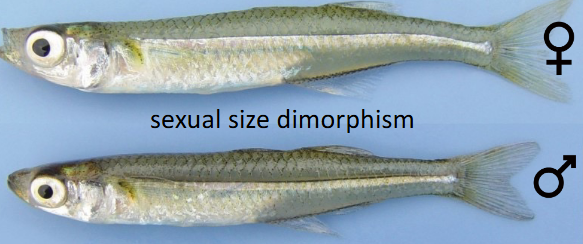
Antheriniformes
This has the Atlantic silverside fish
Higher temperature means higher cortisol, this results in a down regulation of aromatase which results in lower estrogen and higher testosterone. Therefore, in cooler springs, there will be more females produced and in higher temperatures, more males will be produced.

Cyprinidontiformes
lots of variation and impressive life histories
Austrofundulus myersi
an annual cyprinidont, Adults will spawn at the end of the rainy season so their eggs may enter diapause in the dry season to continue development in the rainy season once more.
they mature in 2-3 months
2 species kryptolebias can self fertilize
Colonial lineages and simultaneous hermaphroditism is common, however they have a remarkable ability to retain genetic diversity (females produce more eggs when males are around → an injection of heterozygosity)
Poeciliopsis monacha & P. lucida
2 ways of matrilineal inheritance
triploid egg: the sperm fertilizes a triploid egg but does not contribute to the nucleus, it is simply used to activate the egg
Haploid egg: The sperm restores diploidy but at least the phoenotypic sex characteristics are silenced if not all of them from the male genome

order synbranchiformes
Swamp eels
they are the only fully fw hermaphrodites
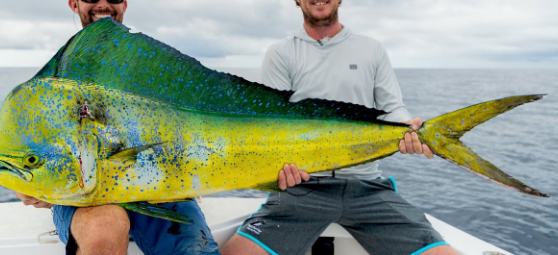
order Crangiformes
contains the mahi mahi and tahe remoras which ahs a modified dorsal fin to stick to bigger nimals like sharks
gobiidae have similar modifications to their pelvic fin

Order istiophoraformes
the sailfish
2 large pelvic fins that it can retract and protract when it wants to speed up and a very large dorsal fin
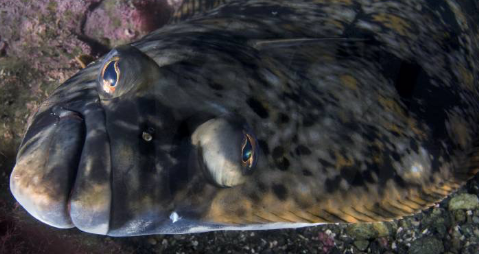
Order Pleuronectiformes
These are the flatfishes, they include the atlantic halibut
the larvae are bilaterally symmetrical, once metamorphosis occurs the fish can be either dextral (right sided) or sinistral (left sided)
during metamorphosis one of their eyes migrates to the other side, this occurs at around 1-3 months of age
they have a great ability for camoflauge, using chromatophores they can control using a neuro-hormal system

Order Syngnathiformes
These are the Seahorses
Paternal care is great → even male pregnancy and birth. the eggs are transferred from female to a male cavity where they are even nourished by the male. It is analogous to placental transfer of maternal nutrients to embryos
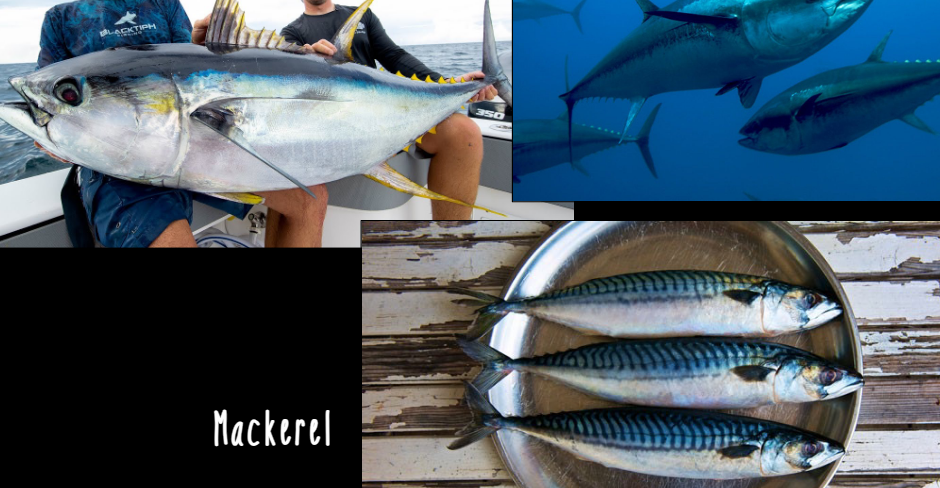
Order Scombriformes
Tuna and Mackerel

Labriformes
Cunner, wrasse, humphead and parrotfish
The corkwing wrasse is used to eat the parasites in salmon netpen AQ

Perciformes
the most speciose order; the number of species in this order is roughly equal to the number of bird species in the world
they contain the perches, the rainbow darter, groupers (the massive ones and are all marine)
Family Centrachidae
these are many of the basses, sunfishes, crappies and the bluegill
The Bluegill male reproductive strategy
The males have 2 reproductive strategies
Parental male
the parental male acts as a male who attracts other females in the area and plays fair to mate with them
The cuckolder male
The cuckolder males mature much earlier than the parental males which allows them to be smaller and hide in places that the parental males will not see, then once the female has layed her eggs they will go and ejaculate near the eggs then swim away to get a chance to fertilize some of the eggs. When they get older and bigger, they will start to look more like females and act as ‘satelite’ males who will trick the parental male into letting the satellite male stay and again get a chance to fertilize the real females eggs.

Perciformes
Home to the archer fish who shows evidence of tool use

Scorpaeniformes
Home to the rougheye, rockfish, stickleback, sculpin, sea raven, wolffish, lumpfish etc.
this order has the greatest variability in life span within a single genus, the sebastes genus. the Rougheye can live for over 205 ears while the calico can live only 12 years.
Along with the cod, the acadian redfish were fished to the brink of extinction in the 90s but since a moratorium on the fishery began they have had a comeback

Moroniformes
Home to the striped bass

Lophiiformes
These include the anglerfishes and the red lipped batfish (modified pelvic fins to allow it to move like a tetrapod underwater)
characteristics
many of species will have an illicium (which is the rod and line) and an esca (which acts as the bait) to help with prey attraction and capture.
sexual dimorphism is great in these fishes, the male is much smaller than the female and the males essentially fuse to the female for the rest of their lives
many of these fishes are deep sea, as such their rod, lines and baits often have bacterial photophores.

Tetraodontiformes
These fishes do not have the streamlined body plan anymore, they are often a unique shape.
e.g.
boxfishes
pufferfishes
filefishes
triggerfishes
sunfishes
none of them are very fast swimmers, all species scales are either modified into strong plates, spines, or leathery skin.
Furthermore their jaws often contain 4 fused teeth.
Ceratotrichia
the fin rays in chondrichthyes
they are unbranched and made of keratin
Lepidotrichia
fin rays that can be soft or spiny
soft fin rays are branched and segmented
spiny fin rays are not branched or segmented.
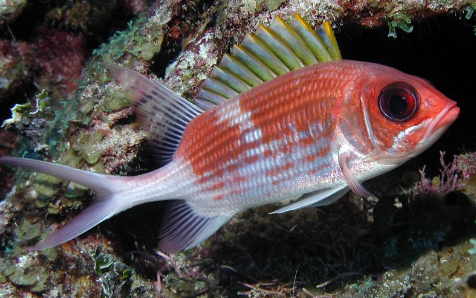
Beryciformes
squirrelfish

Trachichthyiformes
orange roughy
Extensively fished, slow life history, suffering from fisheries

ophidiiformes
The cuskeel
one of the deepest diving fishes, dwelling at about 8200m
anterior pelvic fins
some are scalless

Beloniformes
Flying fish and halfbeek

Anabantiformes
siamese fighting fish and blue gourami
they are air breathers and they use a specialised labyrinth organ