superpharm
 Call Kai
 Learn
 Practice Test
 Spaced Repetition
 Match
 Flashcards
 Knowt Play
1/174

There's no tags or description
Looks like no tags are added yet.
175 Terms
Pharmacokinetics
How the drug moves and modifies in the body
Features absorption, distribution, metabolism, and excretion (drug elimination/clearance mechanisms)
Absorption
Route of administration to the bloodstream
Distribution
How drugs circulate from the bloodstream to target cells. Carried by the blood and tissue fluids
Affected by drug-protein binding and circulation
Metabolism
AKA biotransformation
Drugs being altered from their original form to a new form done by cytochrome p-450 (CYP) liver enzymes
Inactivates drugs, but activates prodrugs
Excretion
Elimination of drug metabolites (mainly) and drugs from the body
Adequate circulation and excretion organ (kidneys, bowels, lungs, skin) function enables
Protein binding
Drugs bound to plasma proteins/carriers (mainly albumins) remain inactive d/t being unable to diffuse through capillaries. However, carriers can store and release drugs PRN
Affects distribution
Pharmacodynamics
Drug action and how it works/makes the body react
Affected by: body comp, genes, immature organs
Agonist
Produces similar effects to naturally occurring hormones, NTs, and other substances, accelerating/slowing normal cellular processes
Antagonist
Inhibits cellular function by occupying receptors
Antidote
Relieves, prevents, or counteracts toxic effects of another drug/poison
Hypersensitivity
An immune-mediated reaction (allergy) to a drug that occurs in pts who have developed antibodies to the drug or to a similar antigen
Serum drug level
Lab measurement of the amount of drug in the blood at a particular time
Reflects: dose, absorption, bioavailability, half-life, and rate of metabolism and excretion
Serum half-life
Time it takes for the serum concentration of a drug to decrease by half
Determined by the drug’s rate of metabolism and excretion
When it’s longer, the f of drug administration decreases
When it’s shorter, the f of drug administration increases
Loading Dose
A beginning dose that’s larger than normal to rapidly increase therapeutic serum drug level
Maintenance Dose
Quantity of drug needed to maintain blood and/or tissue levels stable or constant
Nephrotoxicity
The intra-renal damaging effects of drugs → nephritis/decreased kidney f(x) → decreased GFR → increased drug accumulation and half-life → increased adverse effects
Adverse effects
Unpredictable responses from a drug
Harmful
Call provider
Primary actions
Intended/therapeutic effects
Secondary actions
All other side effects that exclude intended (primary) ones
First-pass effect
When a large amount of oral dose is destroyed upon reaching the liver, before reaching body tissues
Bioavailability
Portion of the dose that reaches systemic circulation and is available to act on body cells
Tyramine-rich (fermented) foods
Should be avoided when on MAO inhibitors d/t the inability to inhibit NE (vasoconstrictor)
1 hour a.c. or 2 hours p.c.
Timing for giving meds to limit drug-diet interactions (can inhibit drug absorption to an extent; drug-drug interactions tend to be more limiting though)
Boxed warning
Serious/life-threatening adverse effects
Alleviating adverse effects
When trying to get a pt to go on new medication while promoting safety, mention:
Activated charcoal
Common OD antidote
Ensure that the unconscious pt’s airway is secure before administering. Laxatives also aid in the removal of the charcoal-drug complex, preventing bowel obstruction
Poison control
Contact when the victim is responsive
911
Contact when the victim is collapsed or not breathing
Blood dyscrasia
Any disorder/abnormality of the blood
Symptoms: Fever, chills, sore throat, back pain, weakness
Anaphylactic shock
Allergic reaction (t1 hypersensitivity)
Symptoms: immediate onset, nausea, paleness, diaphoresis, coughing and wheezing (signifies expiratory obstruction), pruritis (itching), rash, hives (urticaria), dilated pupils, anxiety, rapid HR, respiratory arrest
Antipsychotics
Decreases brain dopamine levels
Secondary actions resemble Parkinson’s d/t that
Side effects: Tremors, drooling, gait changes, restlessness, akathisia, dyskinesia, stiffness
Med error categories
A through I
A is when circumstances have capacity to cause error; I is when the error caused the pt’s death
Diuretics
Black pts respond less to ACE inhibitors and beta-adrenergic blocking drugs when treating heart failure/HTN
Give this instead
Side effects
Predictable responses from a drug
Can be problematic, but NOT Harmful
No need to call provider
BBB
capillaries with tight bonds in the cns, preventing most ions, large molecules, and drugs from the bloodstream entering the brain
poorly developed in newborns
Body surface area
square meters of the human body surface: (root of: cm x lbs/3600)
calculated using weight
used for dosage calculation in peds: (bsa/1.73)(adult dose)
Total body water
Amount of water in the body both intracellularly and extracellularly
Can influence drug effectiveness
Changes throughout childhood (ex: infants are 80% water; adults 60%)
Affects absorption
Age
Disease process
Route of administration
Decreased/irregular/weak gastric emptying and intestinal motility→decreased absorption
Increased skin permeability→increased absorption
Decreased vasculature to muscles→IM injections unpredictable (also hurts for the kid). If necessary, children up to 3 get injected (with a 25 gauge needle) in the vastus lateralis d/t size and vasculature
Affects distribution
Increased total body water of peds→water-soluble drugs dilute easier→increased dose to maintain therapeutic drug levels
Immature BBB→increased permeability→affects CNS
Immature liver→decreased protein production→decreased protein-drug binding→increased drug serum concentration and risk for toxicity
Affects metabolism
Immature liver→decreased drug metabolism→increases risk for toxicity and half-life
Affects excretion
Immature kidneys→decreased GFR→increases drug accumulation, half-life, and risk for toxicity
Neonate
0-4 w
Infant
4 w - 1 y
Child
1-12y
Adolescence
12-18y
Immature body systems
The reason for why children respond so differently to drugs and why drug therapy is dramatically changed
12y
Age when pharmacokinetic responses resemble adults
2y
Age liver matures
Pediatric drug reference
If there is no label dosage info (gold standard), use a:
Administration and monitoring
2 important things for drug safety of children
Empowering them
Kids can’t grasp being educated of their meds, so to convince them to take them by:
Age-related changes
physiologic events d/t increased age, affecting drug responses
often occur in midlife (ex: <3 disease, pulm insufficiency, cancer, arthritis, DM, obesity, substance use, depression)
decreased receptors and weaker receptor binding→decreased sensation and agonist f(x)
Polypharmacy
taking multiple drugs at once
d/t treatment of chronic illness and associated comorbidities
drug-drug interactions can cause→increase complications and decrease mental status
Risk to benefit ratio
adverse effects in relation to desired (primary) effects
increases with age
Beers criteria
list of meds meant for geriatrics that result in significant adverse effects
includes dose adjustments based on decreased kidney f(x): so, be sure to lower doses and increase monitoring
meds administered in hospice and palliative care don’t count on the list
opioid usage requires pt assessment and response to treatment
Affects absorption
decreased gastric acidity (increased pH)→delayed absorption
decreased gastric blood flow and SA→decreased absorption
decreased gastric emptying→nausea and vomiting→premature drug elimination AND decreased fluid vol (leading to decreased drug distribution)
decreased muscle blood flow→decreased absorption of IM and SUBq administration
slow absorption→changes in peak serum drug levels
Affects distribution
decreased CO, increased body fat, decreased body mass, decreased body fluid, decreased serum albumin
lipid-soluble drugs stay and stores itself in adipose for longer (ex: anesthetics)
water-soluble drugs decrease in distribution d/t decreased fluid vol
Affects metabolism
age-related physiological change of the liver affects this
decreased liver size/mass AND decreased hepatic circulation →lowers rate of metabolism
Affects excretion
changes in this aspect is associated with age-related physiological changes:
decreased renal perfusion, nephron f(x), GFR, and tubule secretion
decreased creatinine clearance requires pt to be administered a smaller dose to prevent adverse effects and toxicity
normal Cr levels could be d/t less muscle mass to produce Cr
Non-adherence
taking a med more or less than indicated
Nursing intervention
this should be based on the immediate, presented issue at hand
Prevention of adverse effects
assess:
pt’s health history and lists of meds taken (OTC, prescribed, herbs)
BUN/Cr clearance levels (to determine excretion ability)
ratio of liver f(x)
therapeutic drug levels to determine effectiveness and prevent toxicity
pt’s adherence to meds (provide pt with med administeration aids to increase)
educate pt and family of:
all meds and drug-drug, drug-herb, and drug-diet interactions
generic and trade names to prevent overmedication
using 1 PCP who prescribes meds in consultation with other HC specialists
having all meds filled at 1 pharmacy
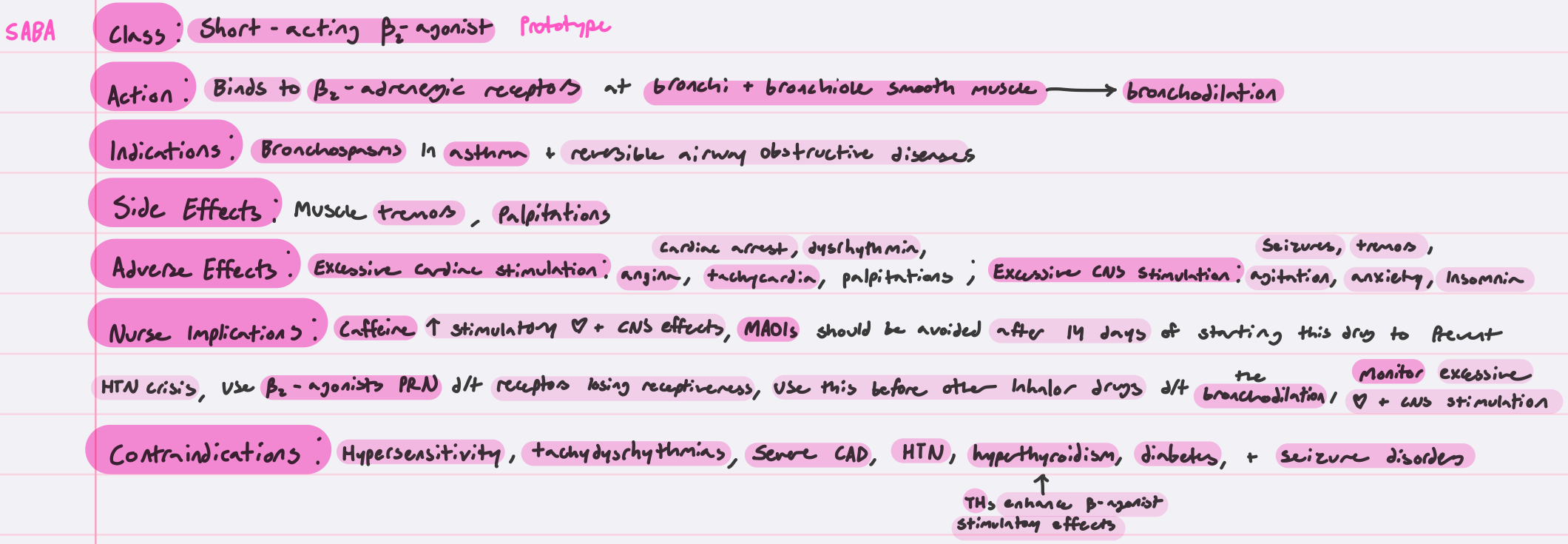
Albuterol
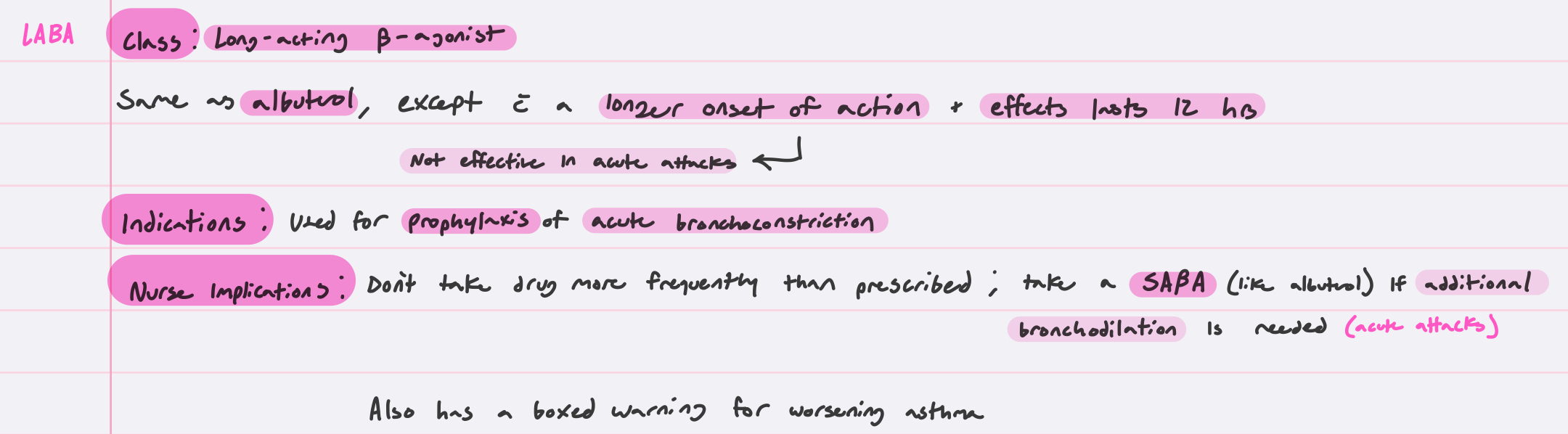
Salmeterol, formoterol
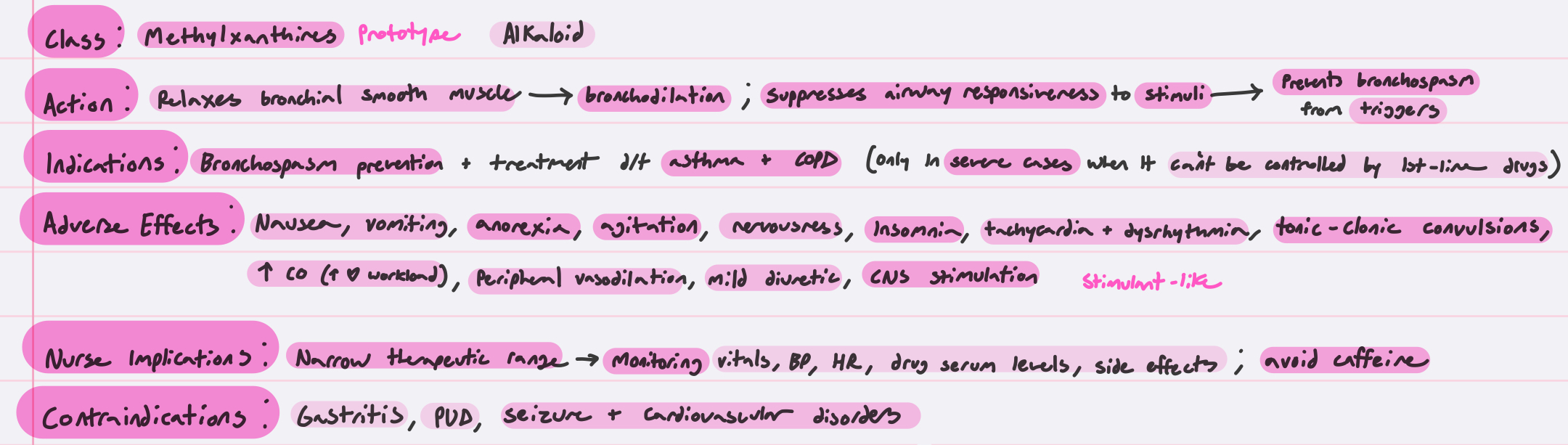
Theophylline
Ipratropium
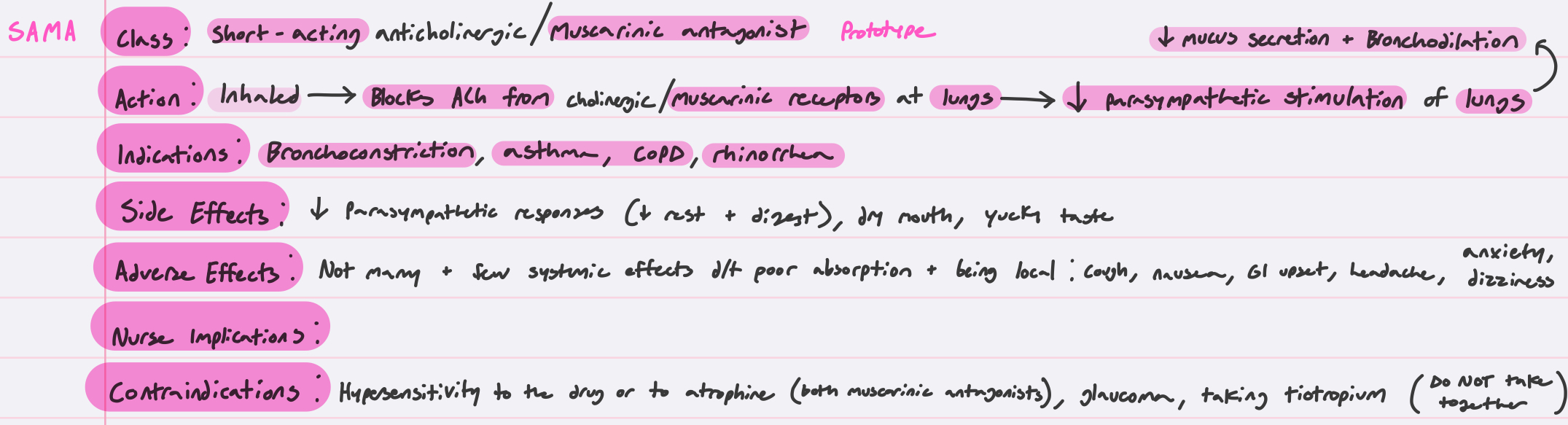
Tiotropium

Beclomethasone, fluticasone
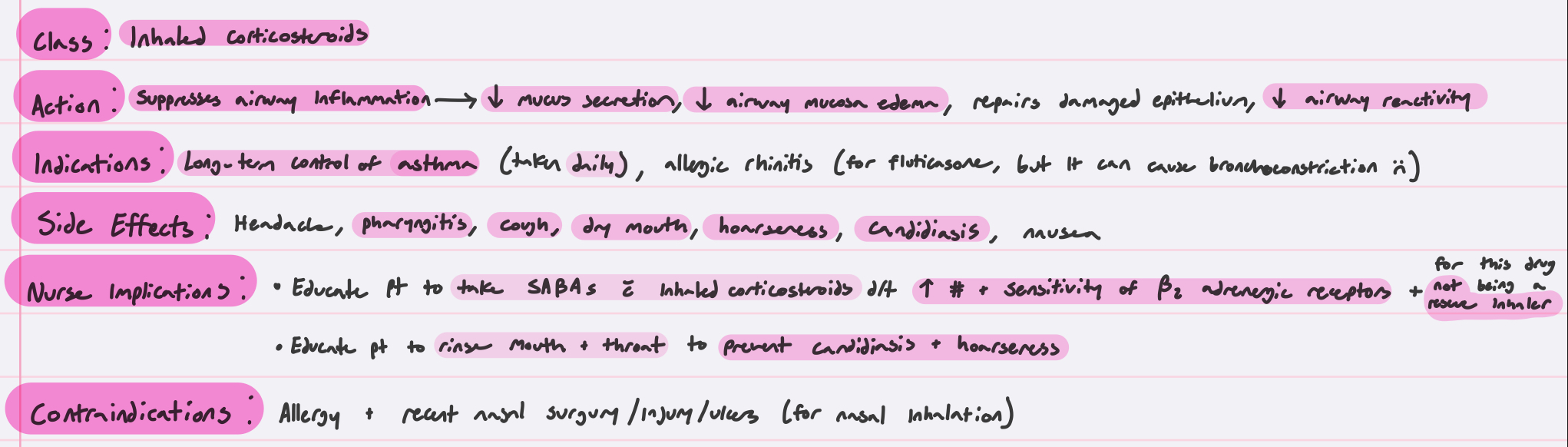
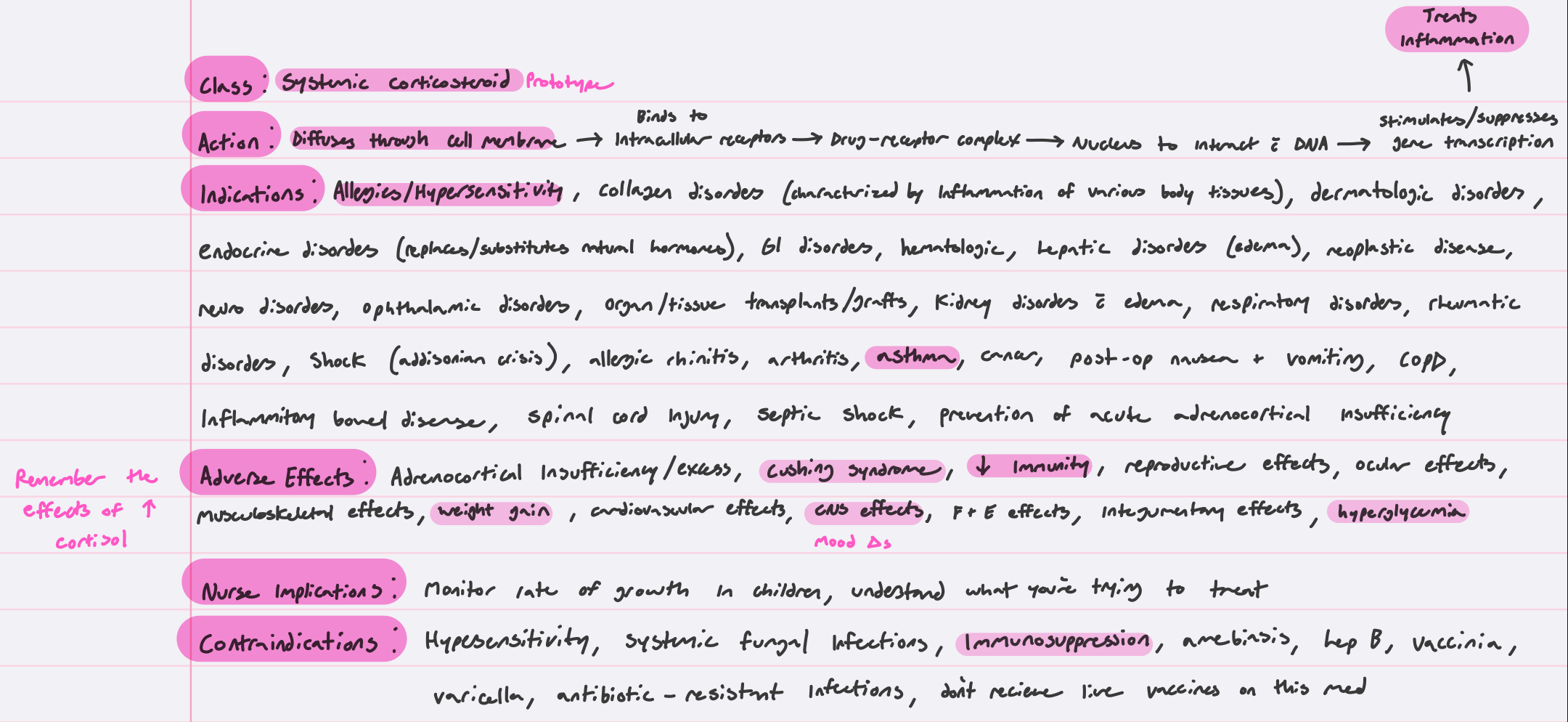
Prednisone
Diphenhydramine
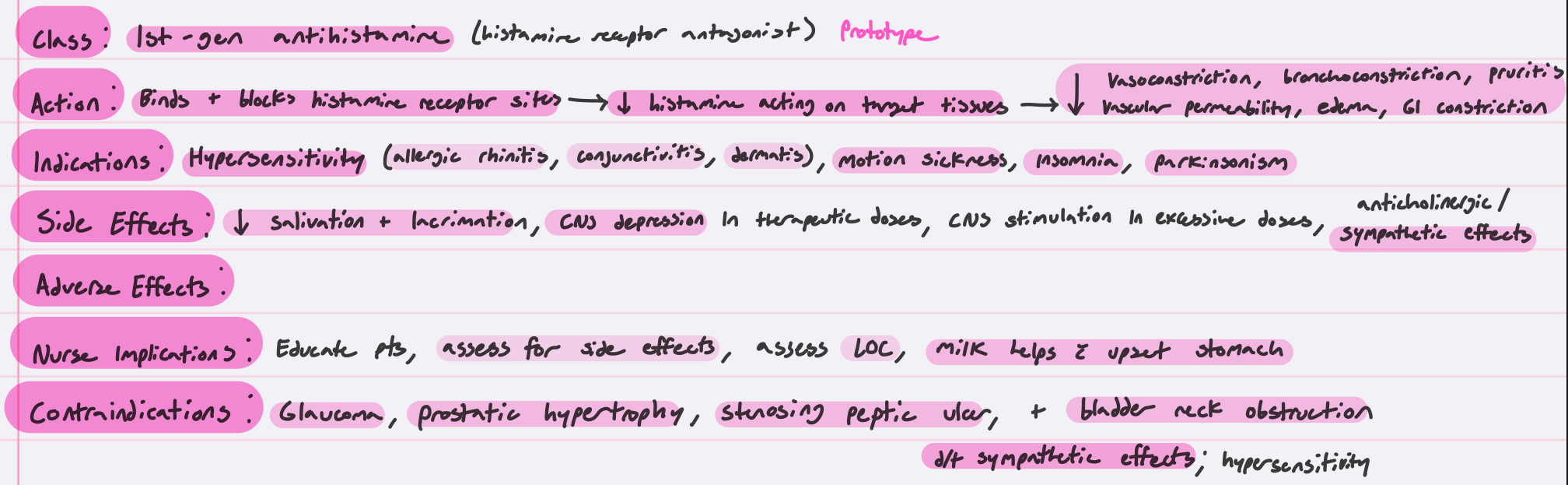
Loratadine

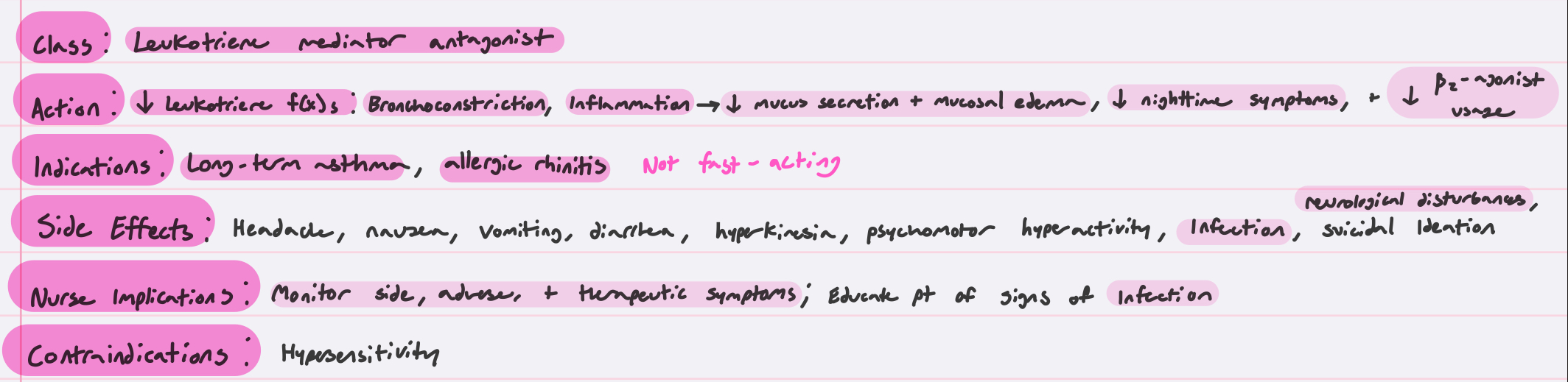
Montelukast
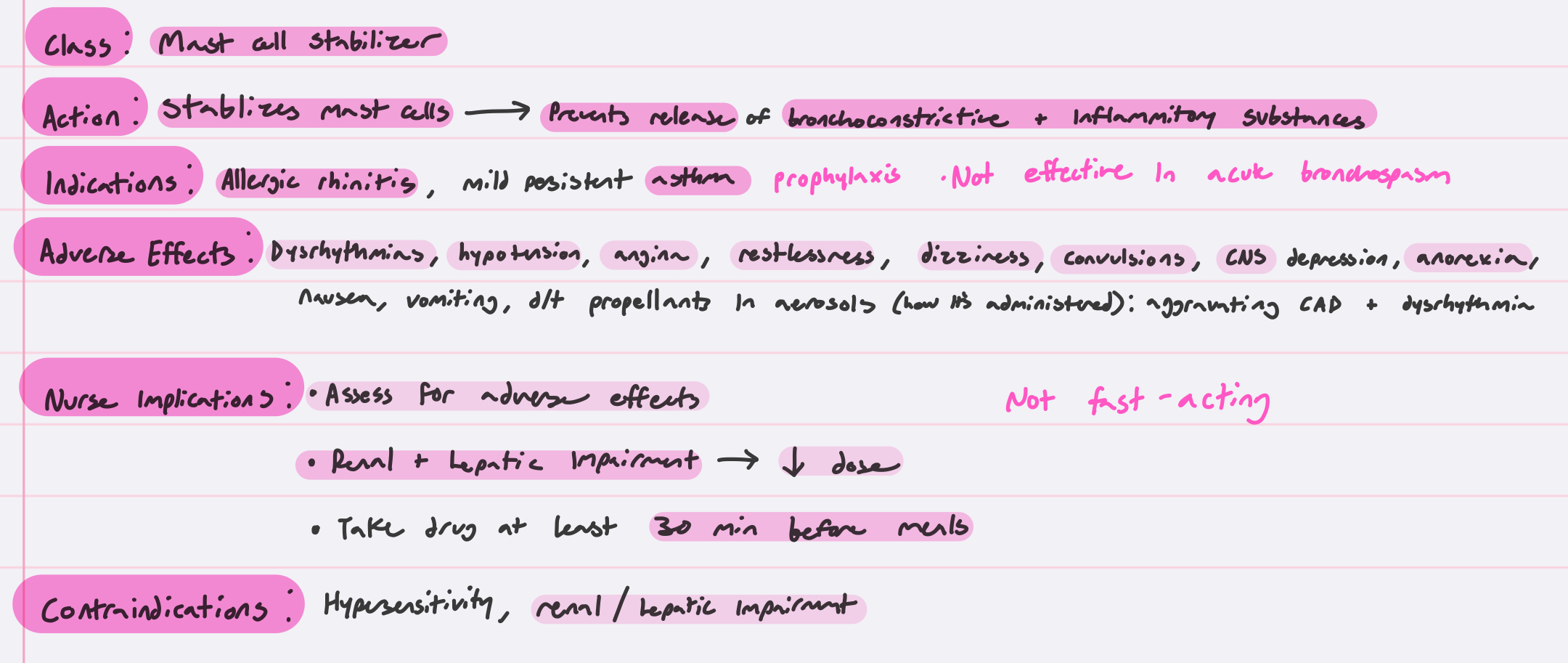
Cromolyn
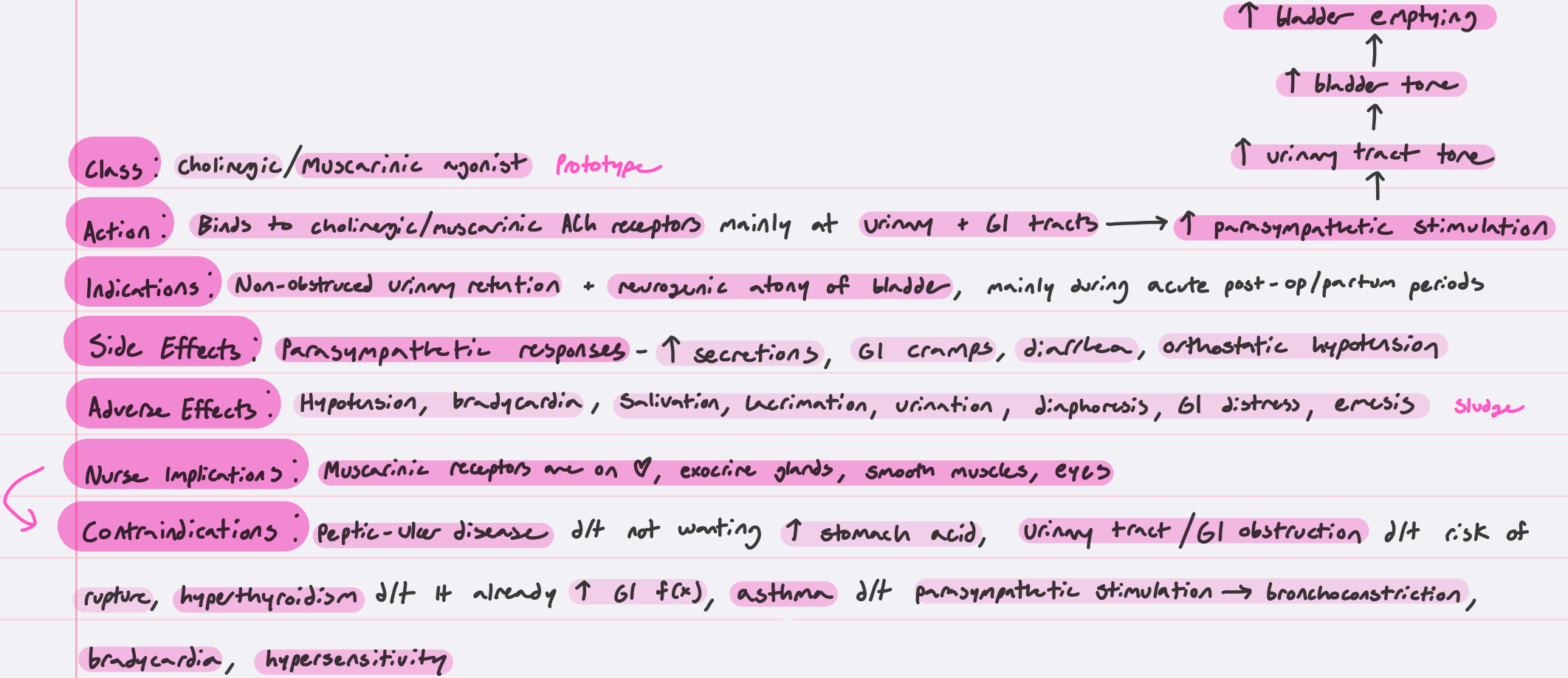
Bethanechol
another side effect: urinary urgency (urge to urinate plus leakage)
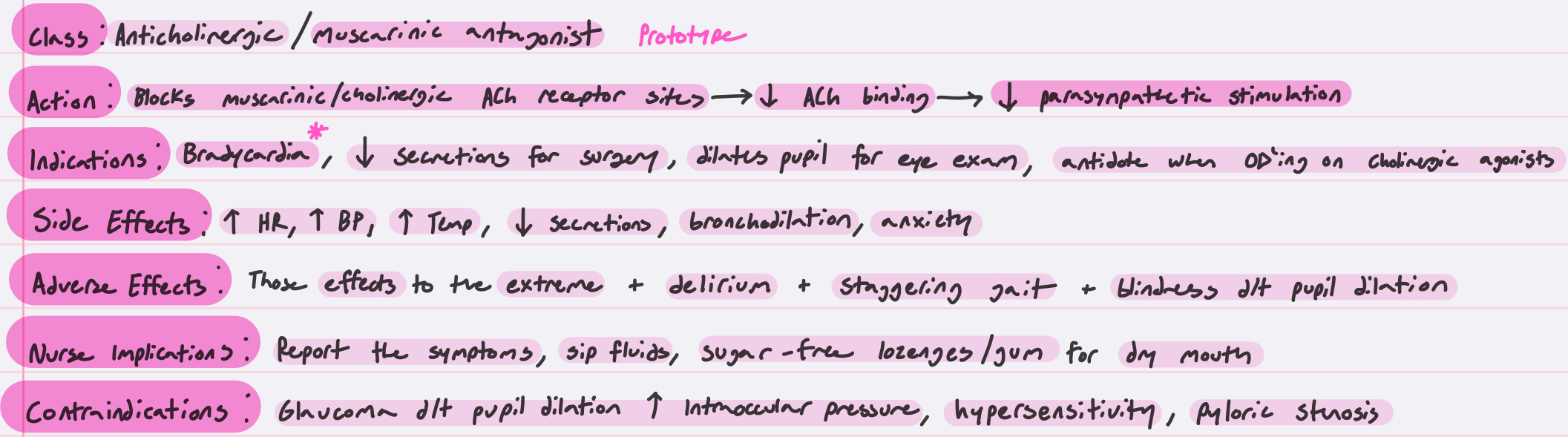
Atropine
Pyridostigmine
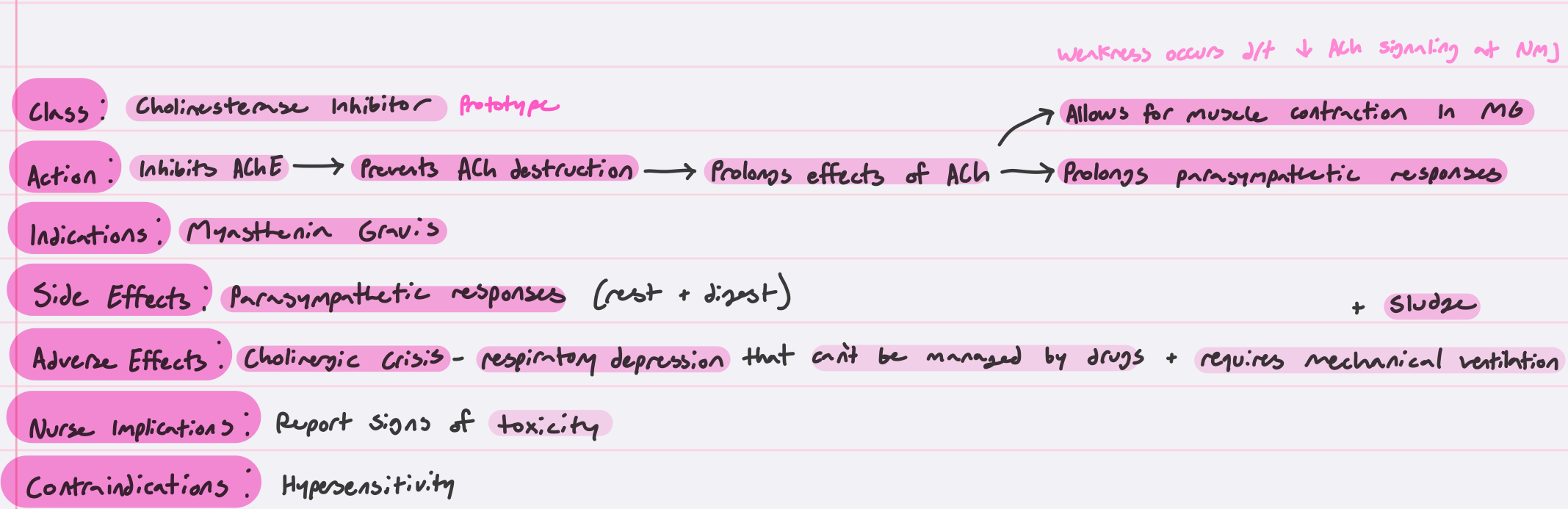
Epinephrine
used for cardiac arrest
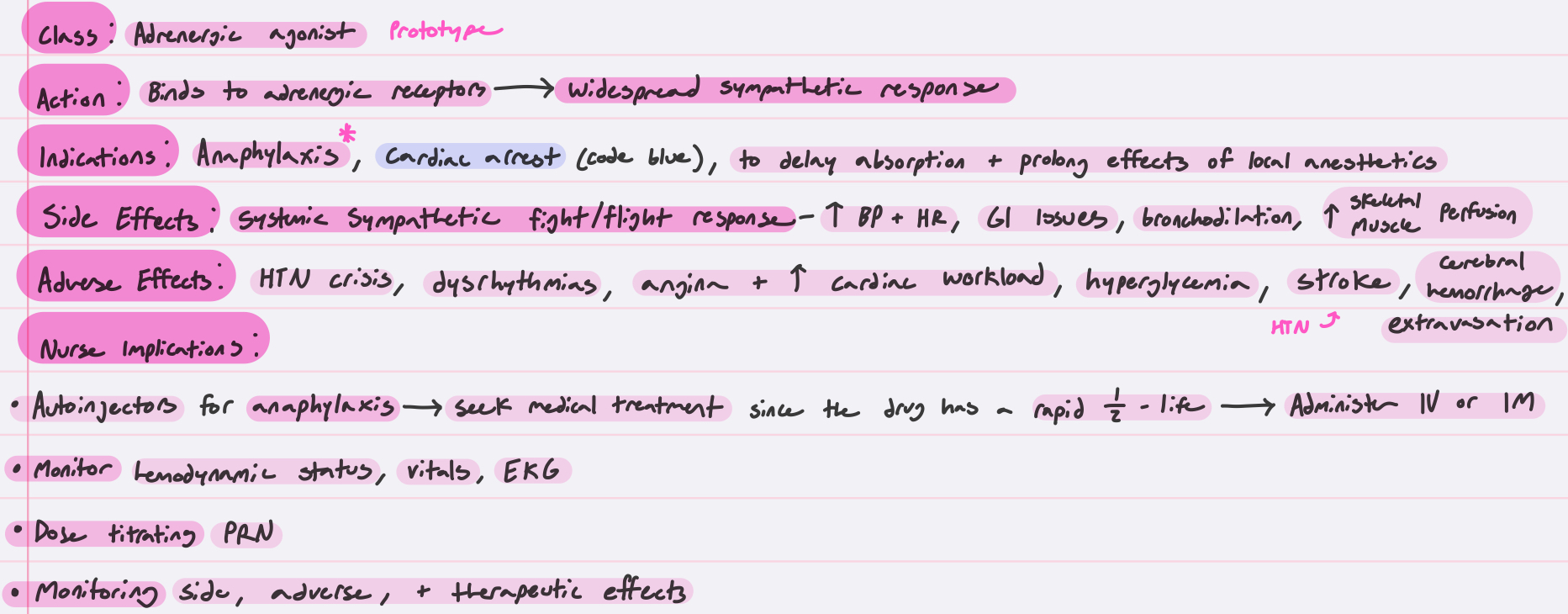
Dopamine
used to perfuse tissues post-cardiac arrest
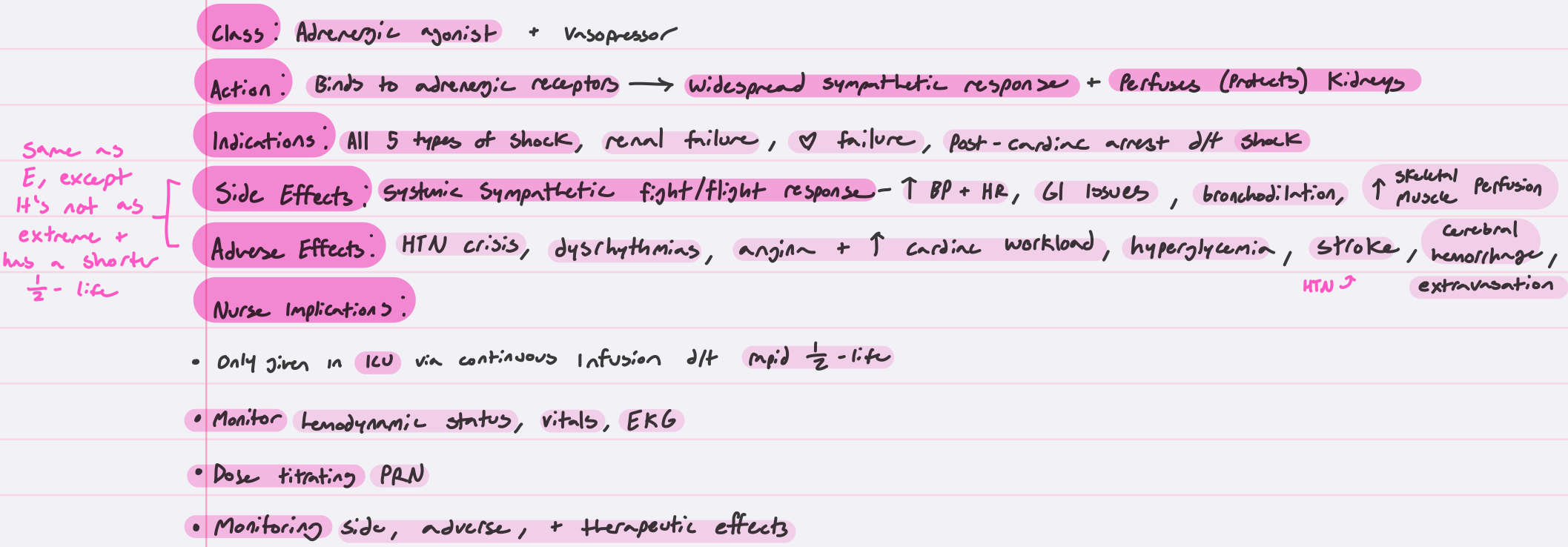
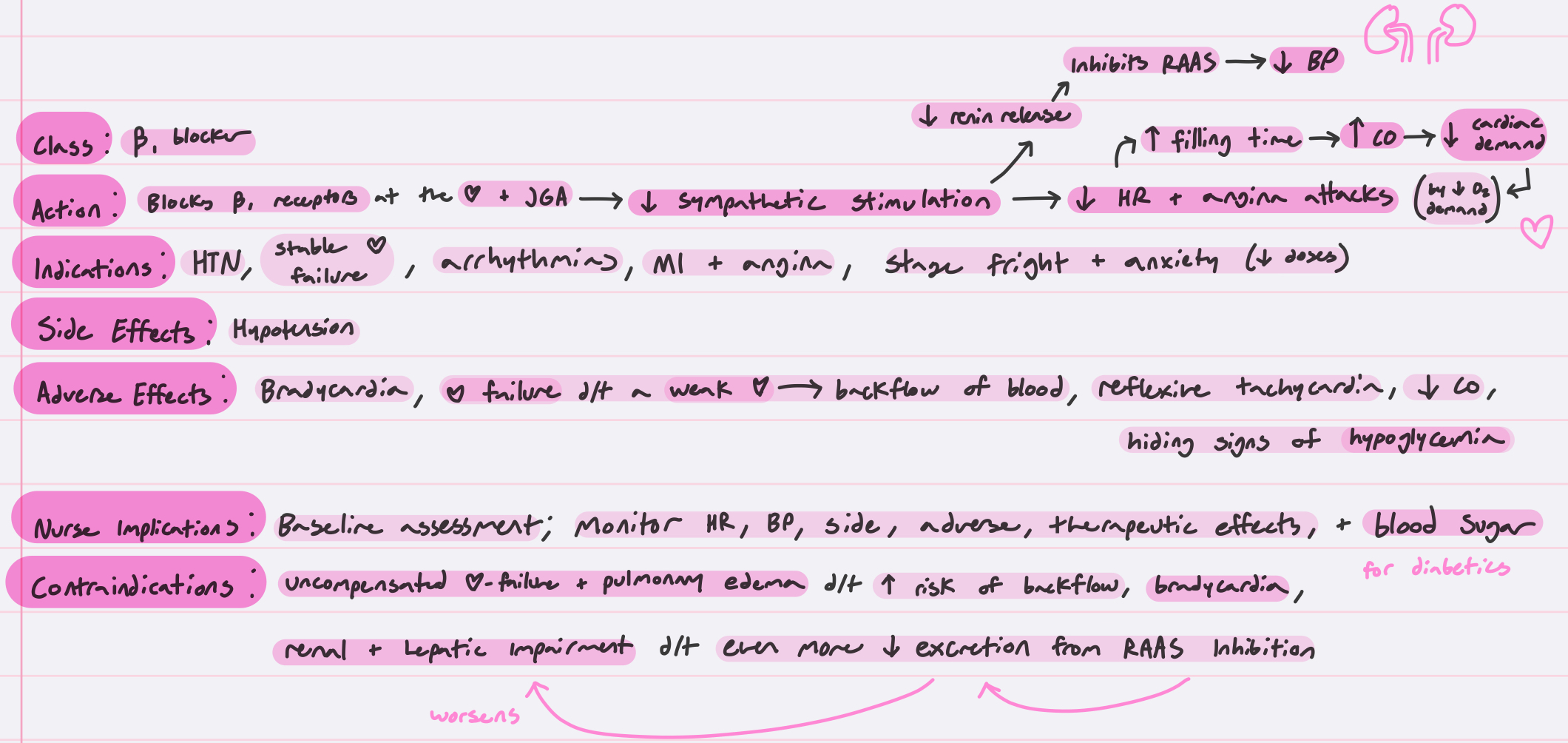
Propranolol
also decreases inotropy→decreases cardiac (O2) demand
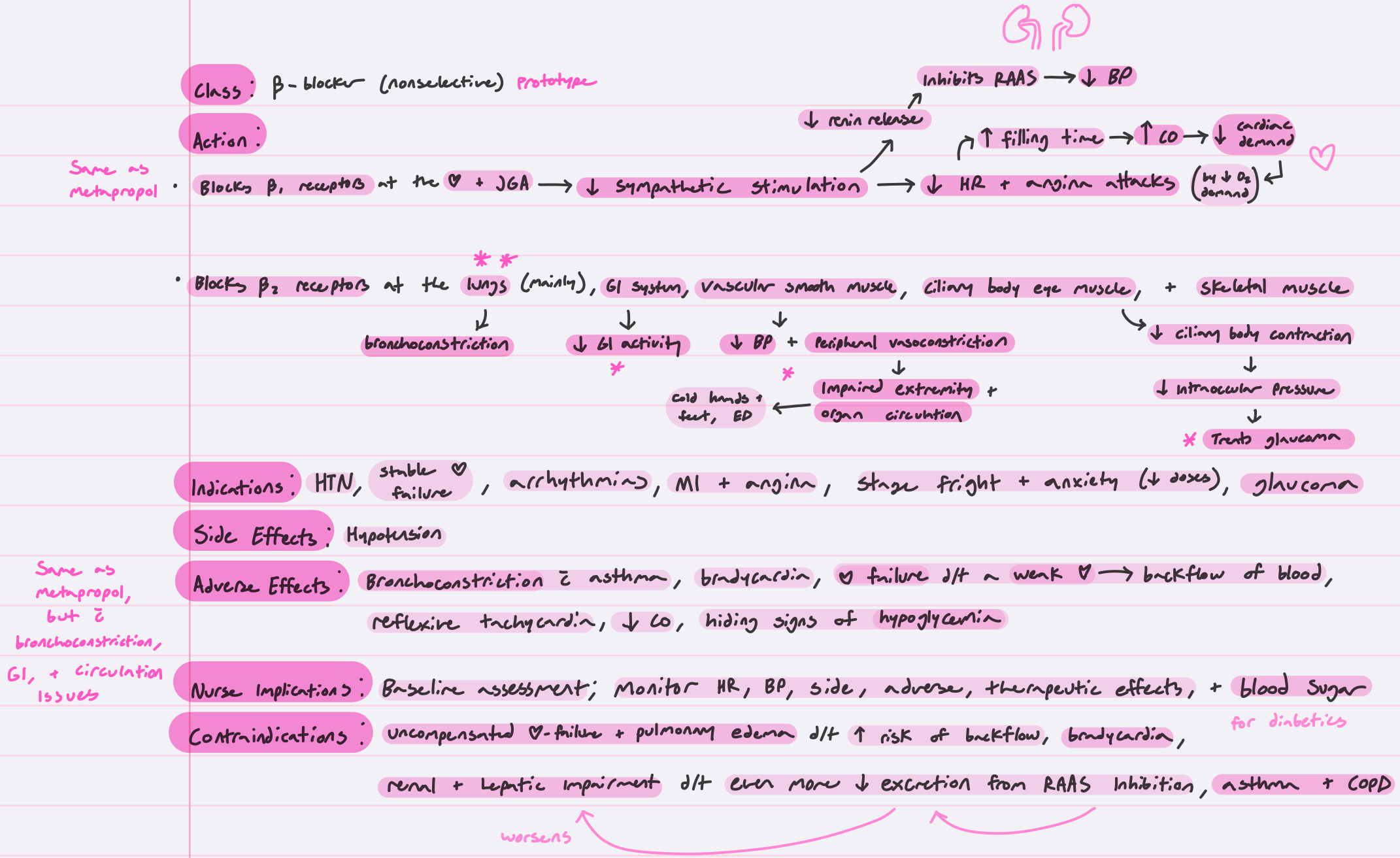
Metoprolol
also decreases inotropy→decreases cardiac (O2) demand
How to assess for shock
Delirium, low BP, peripheral vasoconstriction, cold/clammy/pale/cyanotic extremities, low pulse, lack of capillary refill
Extravasation
Fluid outside BVs→necrosis, sloughing, and genrene
A boxed warning for DA, E, and NE
Anaphylaxis symptoms
Respiratory: coughing and wheezing (obstructive problems), chest tightness, itchy throat, trouble breathing
Skin and Mucosa: hives, pruritis, angioedema, flushing
GI: vomiting, diarrhea, and abdominal pain d/t shutting off rest and digest f(x)s
Low BP: syncope, anxiety, confusion, irritability, feeling faint, feeling doom
Angioedema
Swelling under the skin
Propranolol
lowers BP and HR
also treats migranes and esophageal varicosities
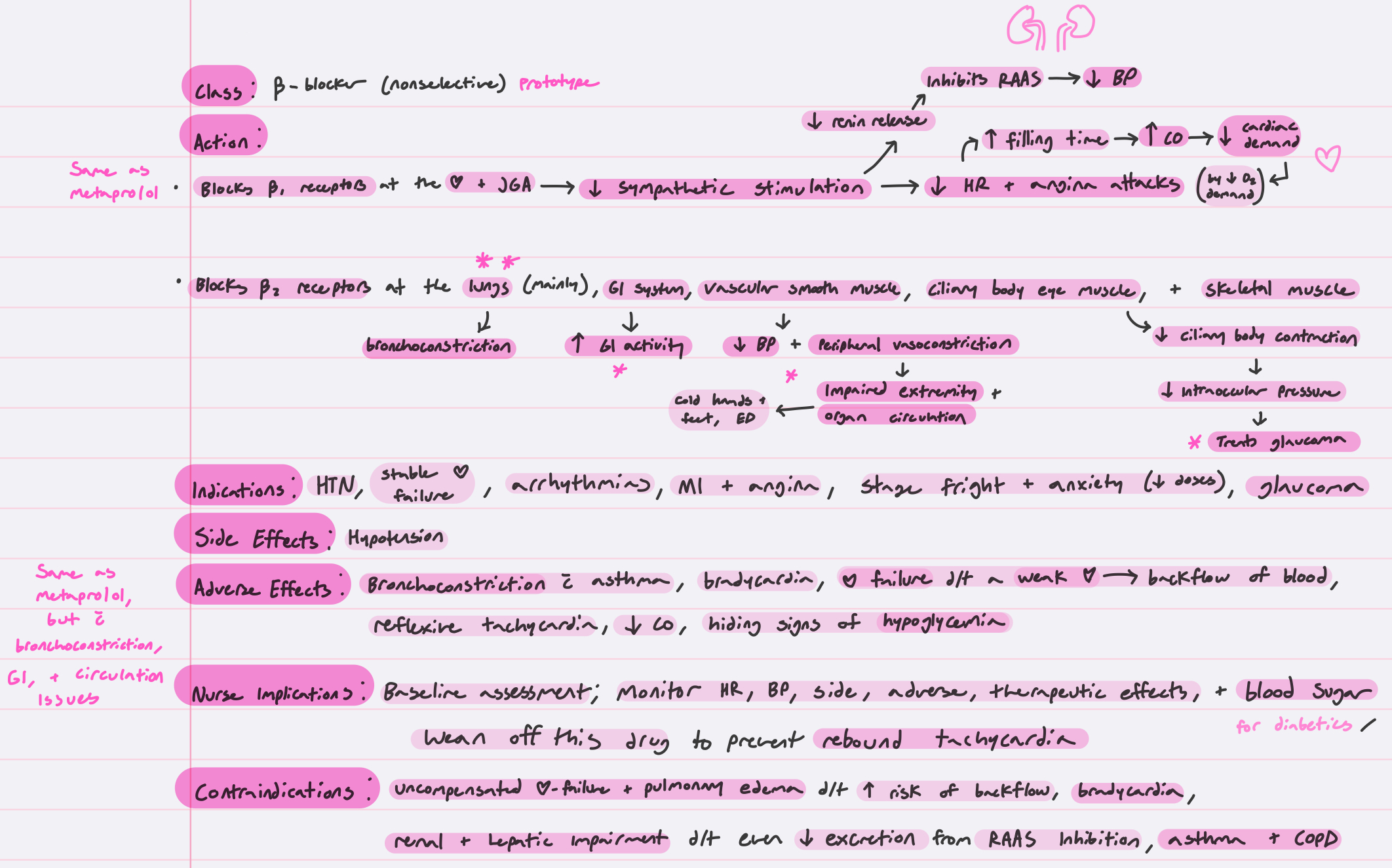
Metoprolol
lowers BP and HR
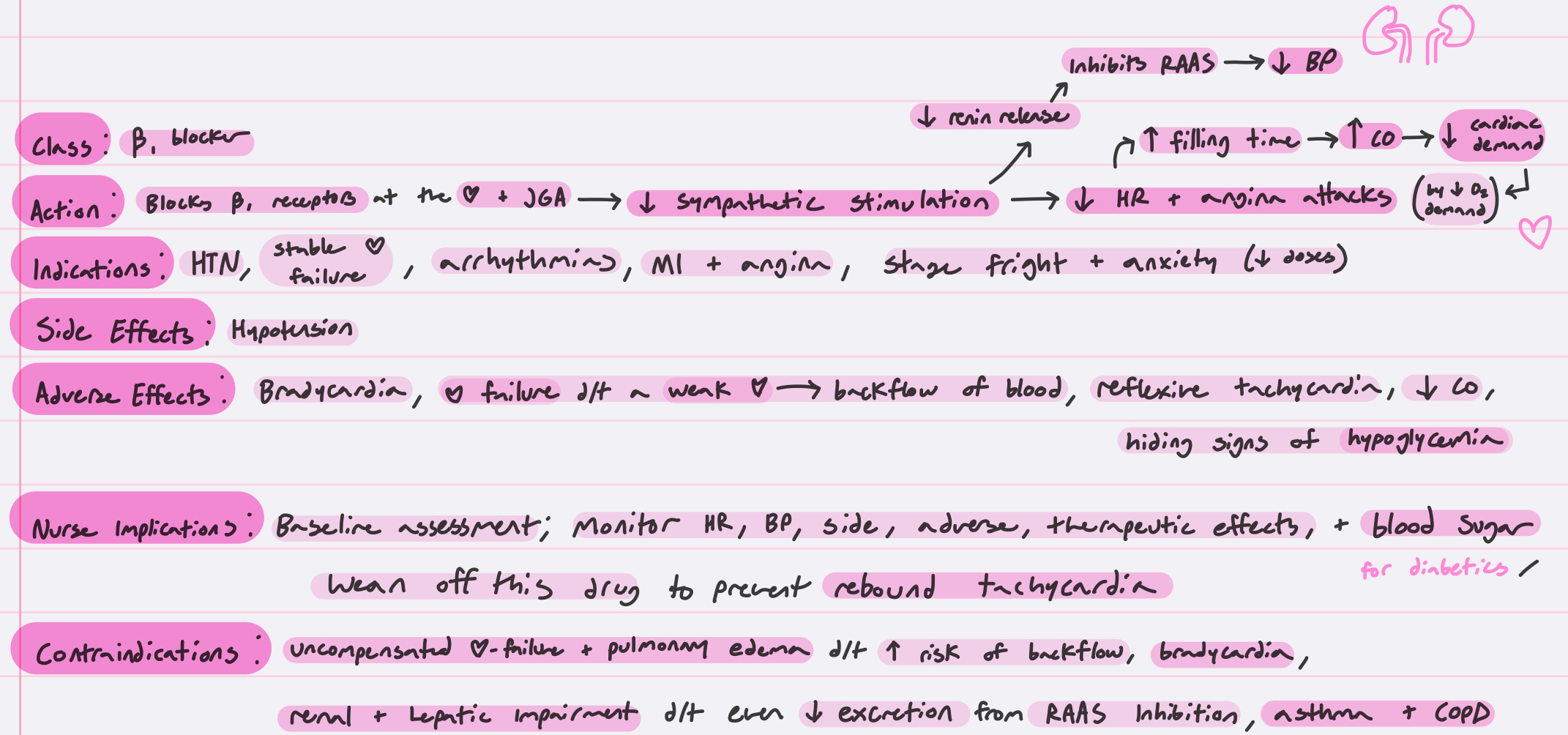
Carvedilol
lowers BP (especially) and HR
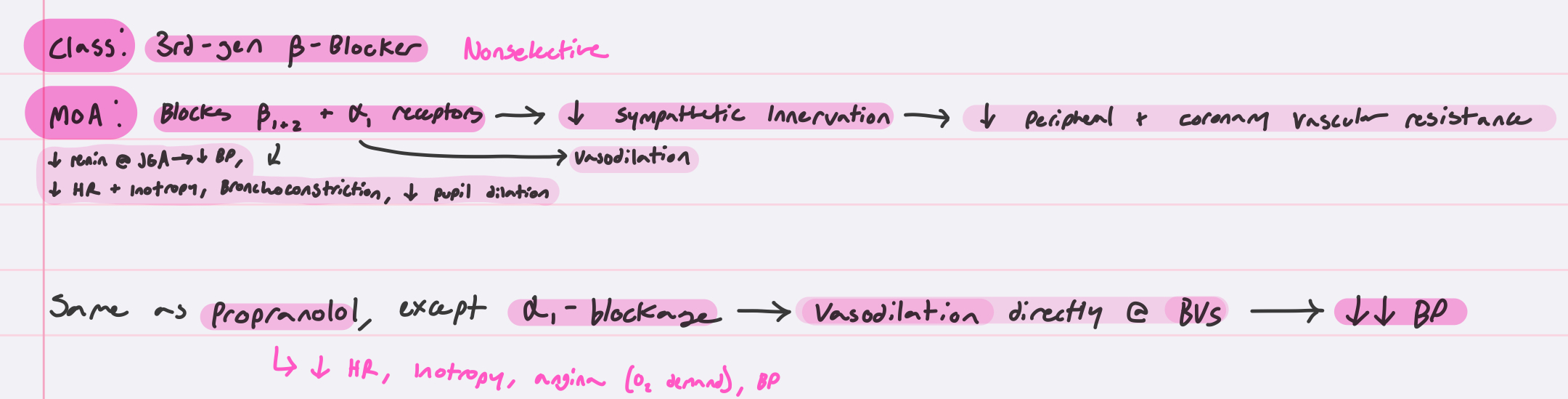
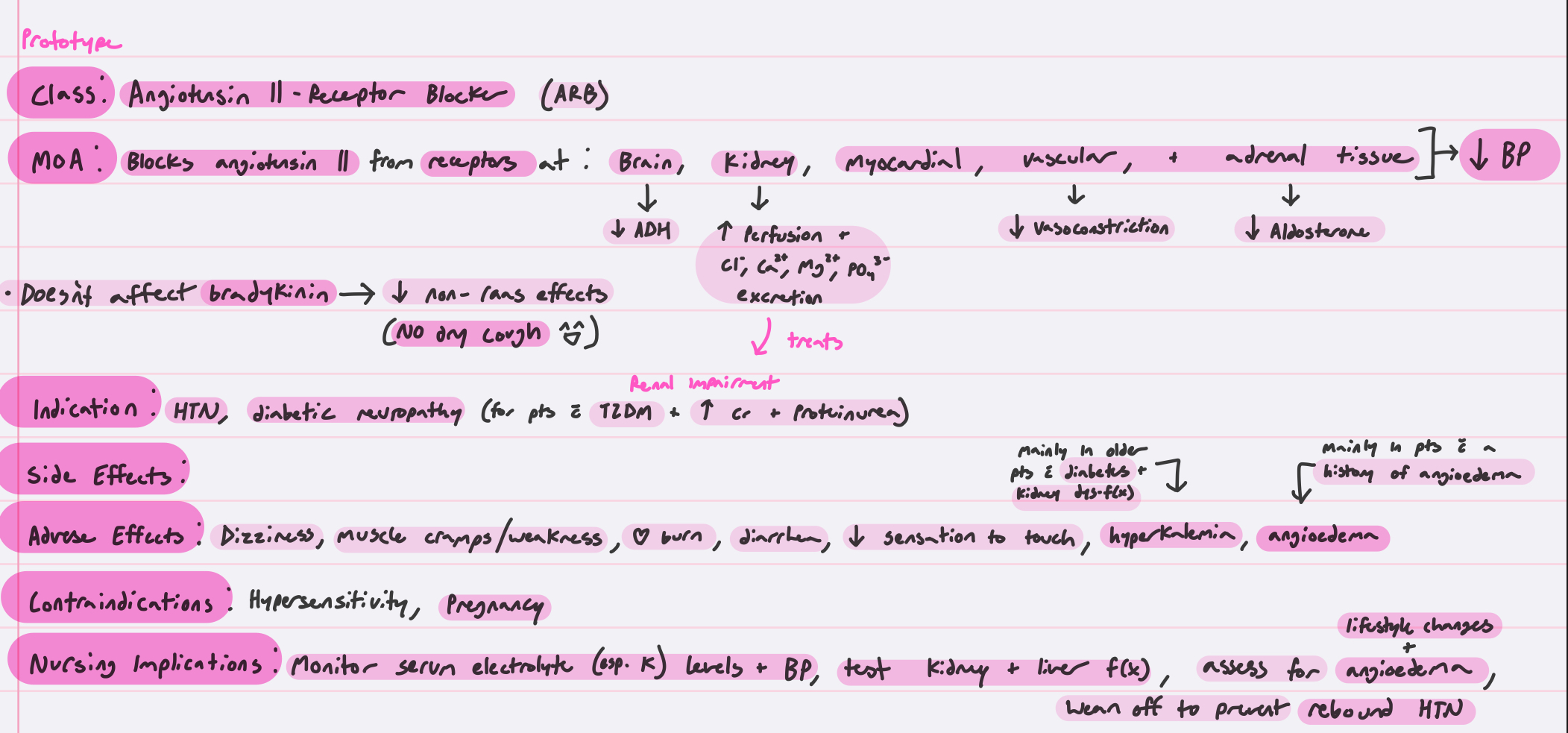
Losartan
lowers BP
less likely to cause hyperkalemia and angioedema
bradykinen is broken down→less vasodilation than ACE inhibitors, but no dry cough or increased risk for angioedema (also used when ACE inhibitors cause an adverse reaction, such as, angioedema)
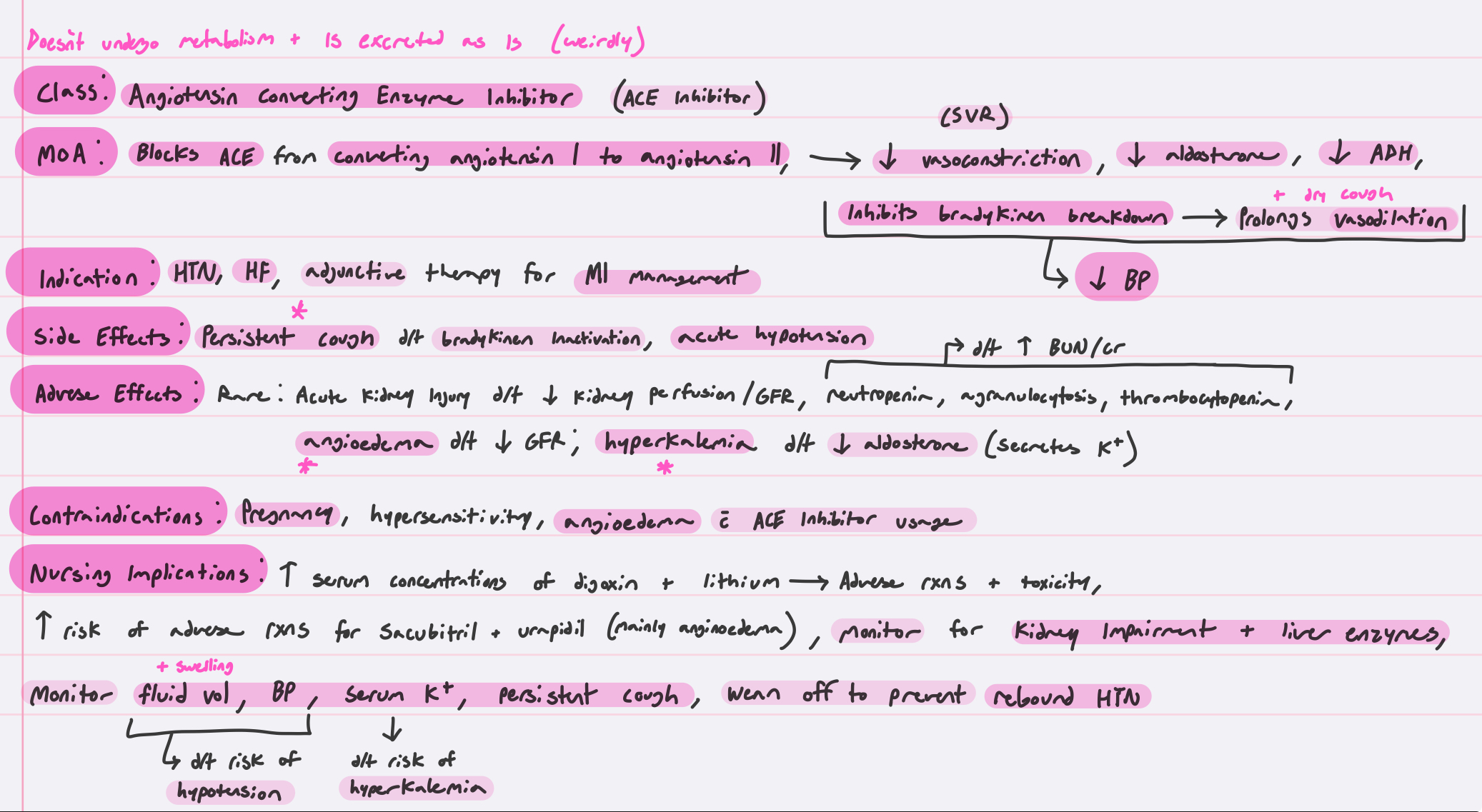
Lisinopril
lowers BP
more likely to cause hyperkalemia and angioedema
bradykinin breakdown is prevented→dry cough, prolonged vasodilation, increased risk for angioedema
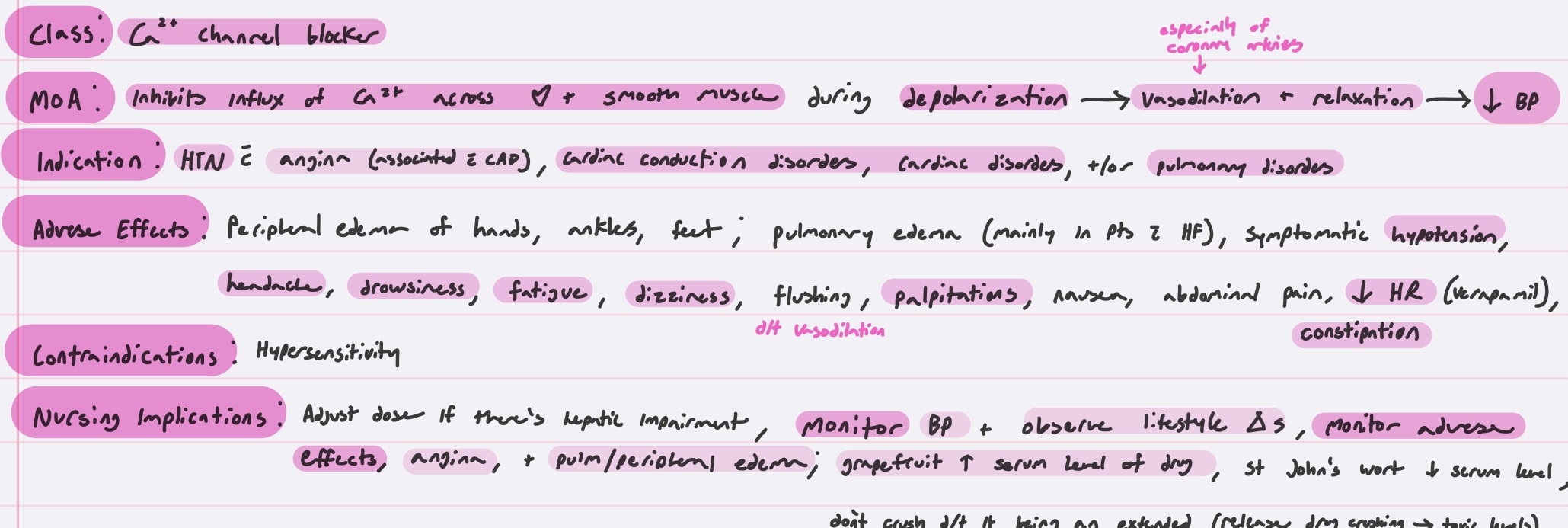
Verapamil (<3), amlodipine (BVs; prototype)
lowers BP and HR (in some cases)
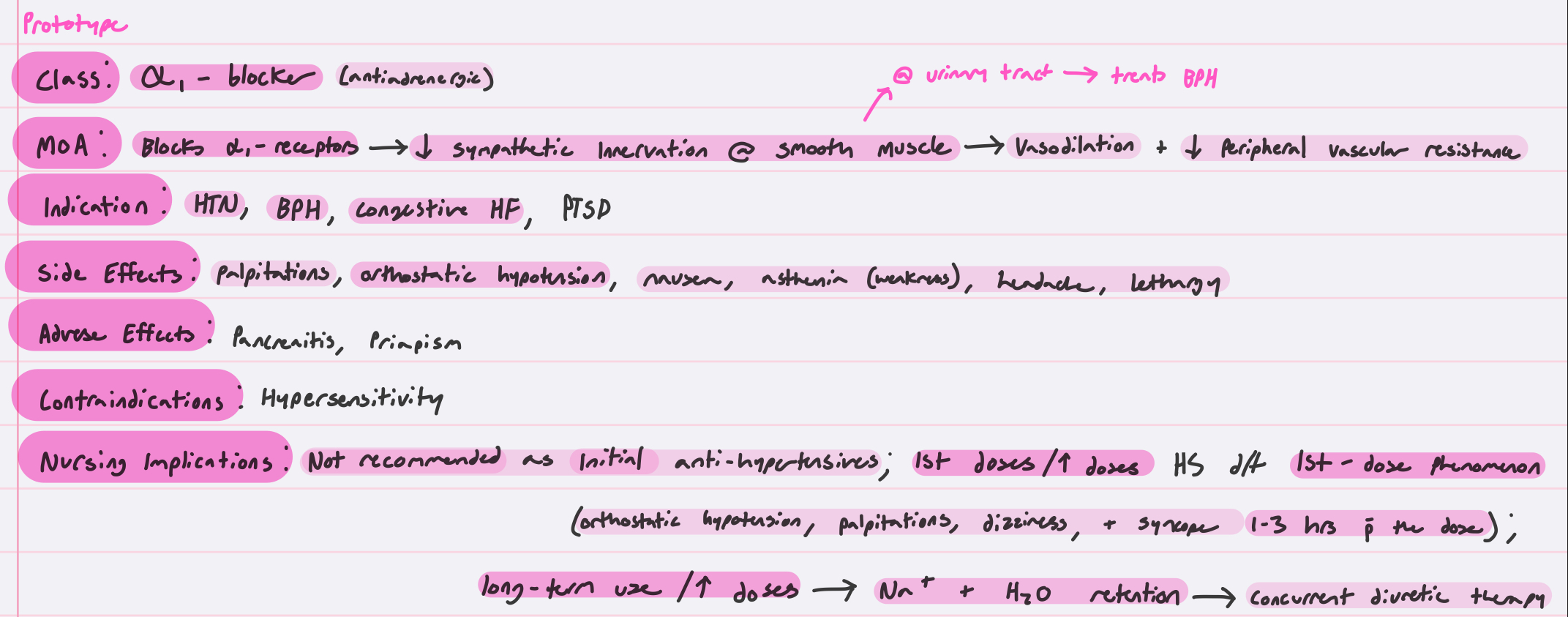
Prazosin
lowers BP
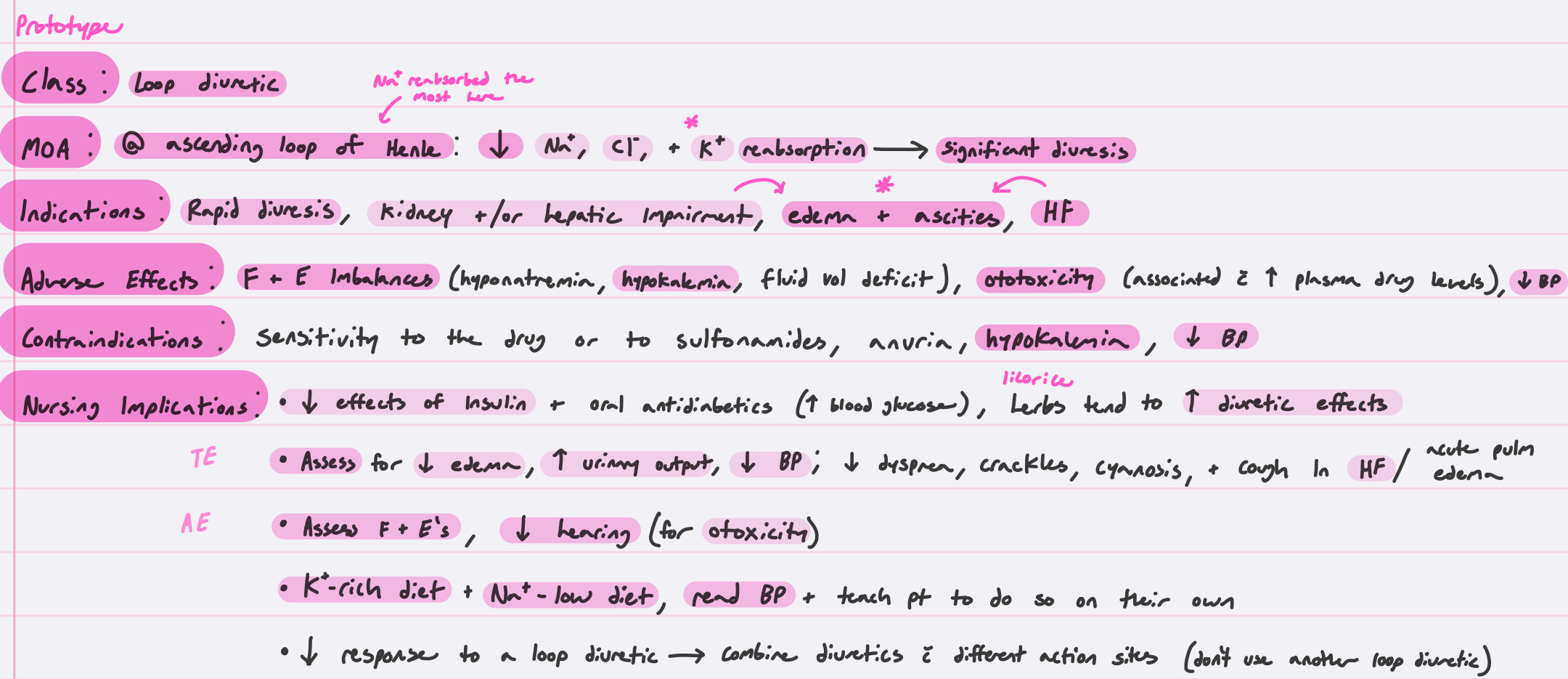
Furosemide (Lasix)
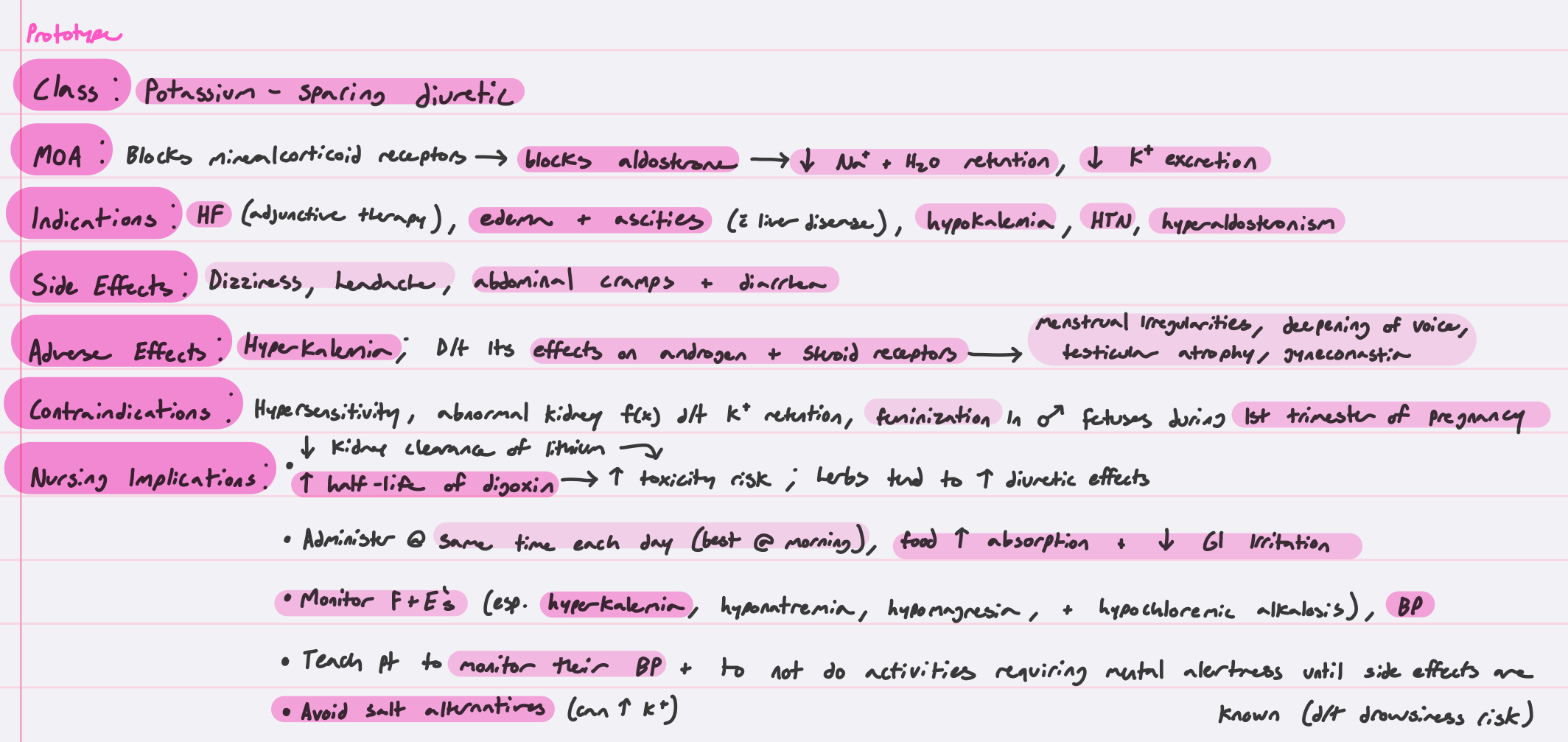
Spironolactone
weak diuretic (takes a while for effects to kick in and be absorbed orally, short half-life, effects aren’t much)
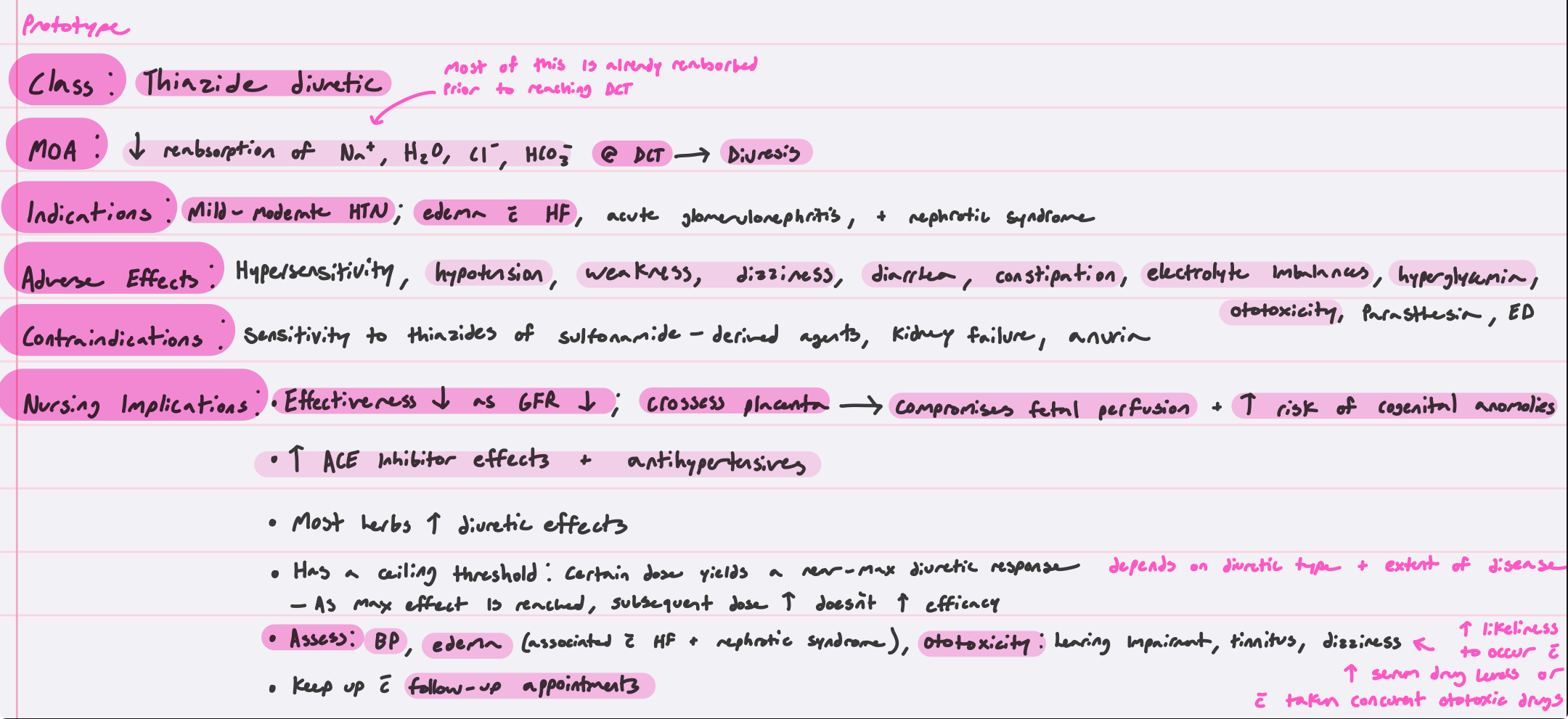
Hydrochlorothiazide
weak diuretic that is most effective c adequate urine flow, but often remains the diuretic of choice
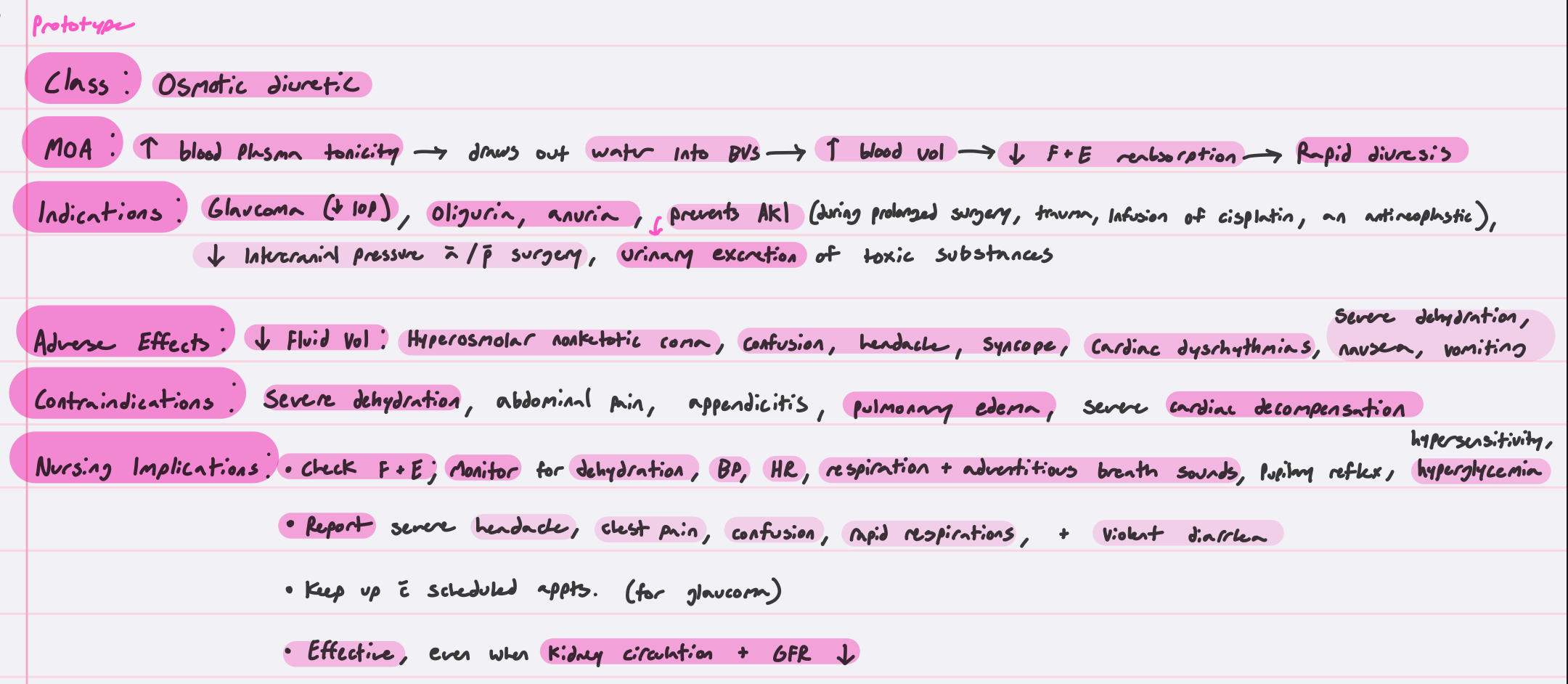
Mannitol
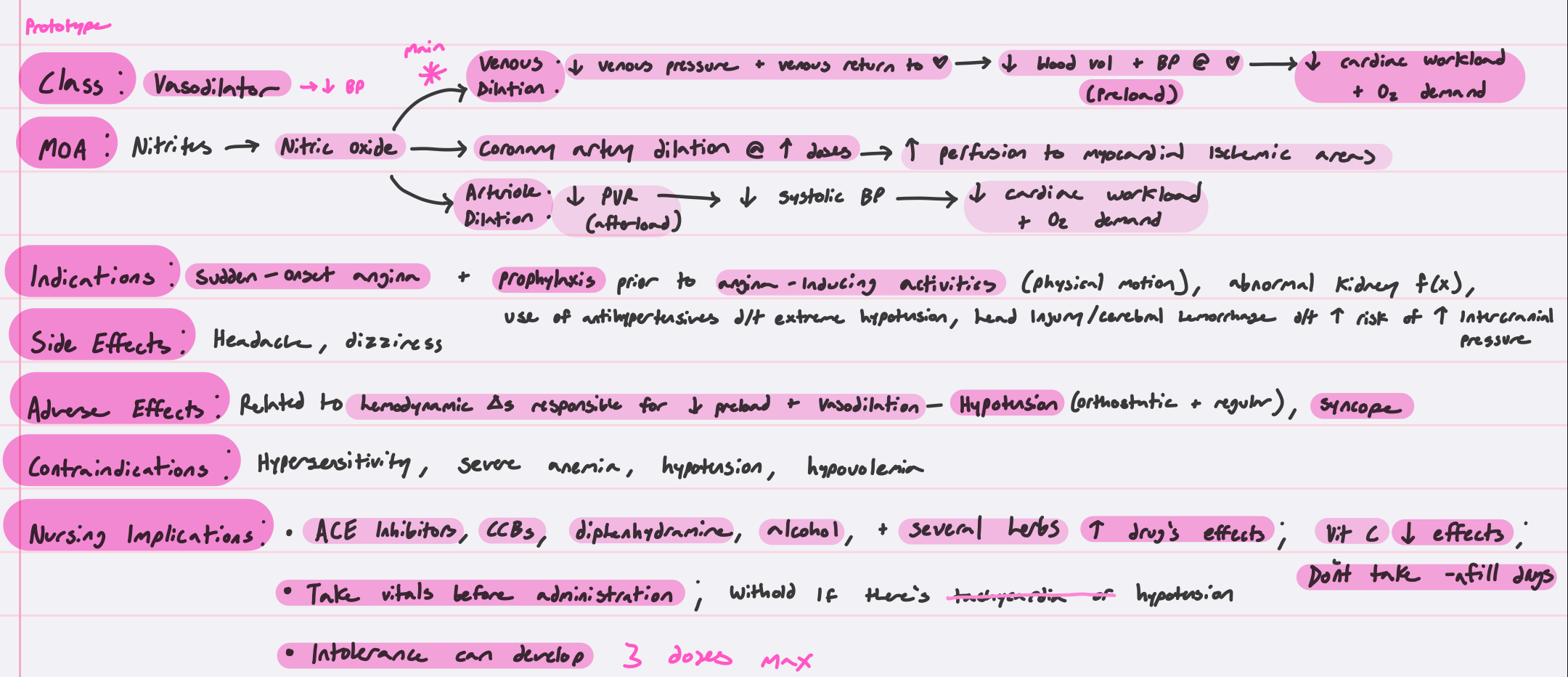
Nitroglycerin
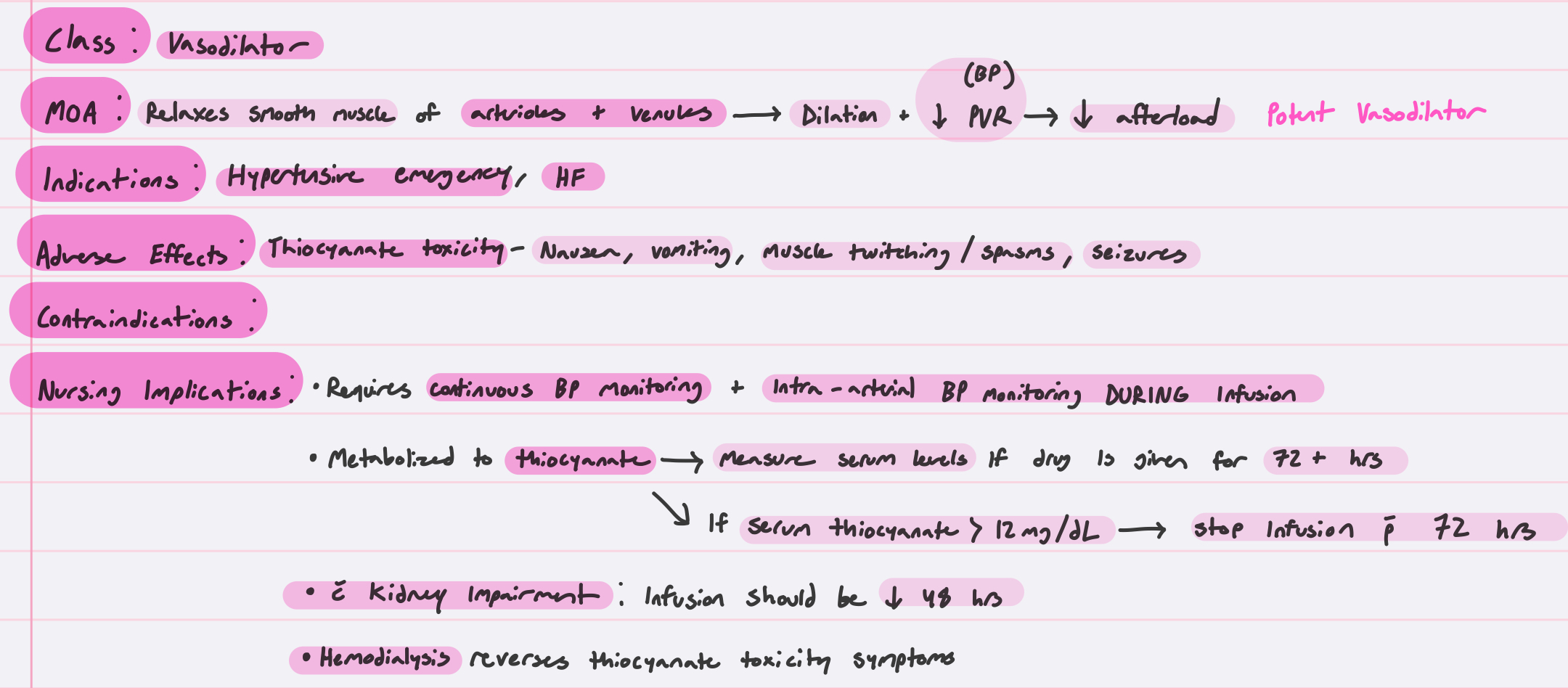
Nitroprusside
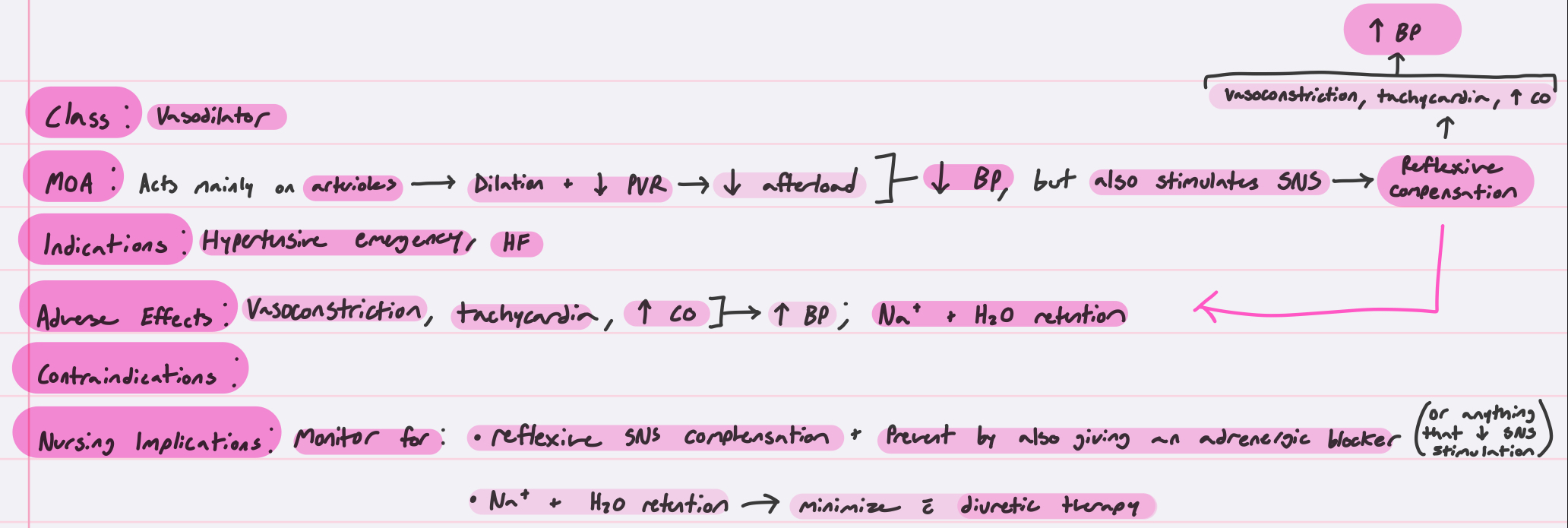
Hydralazine
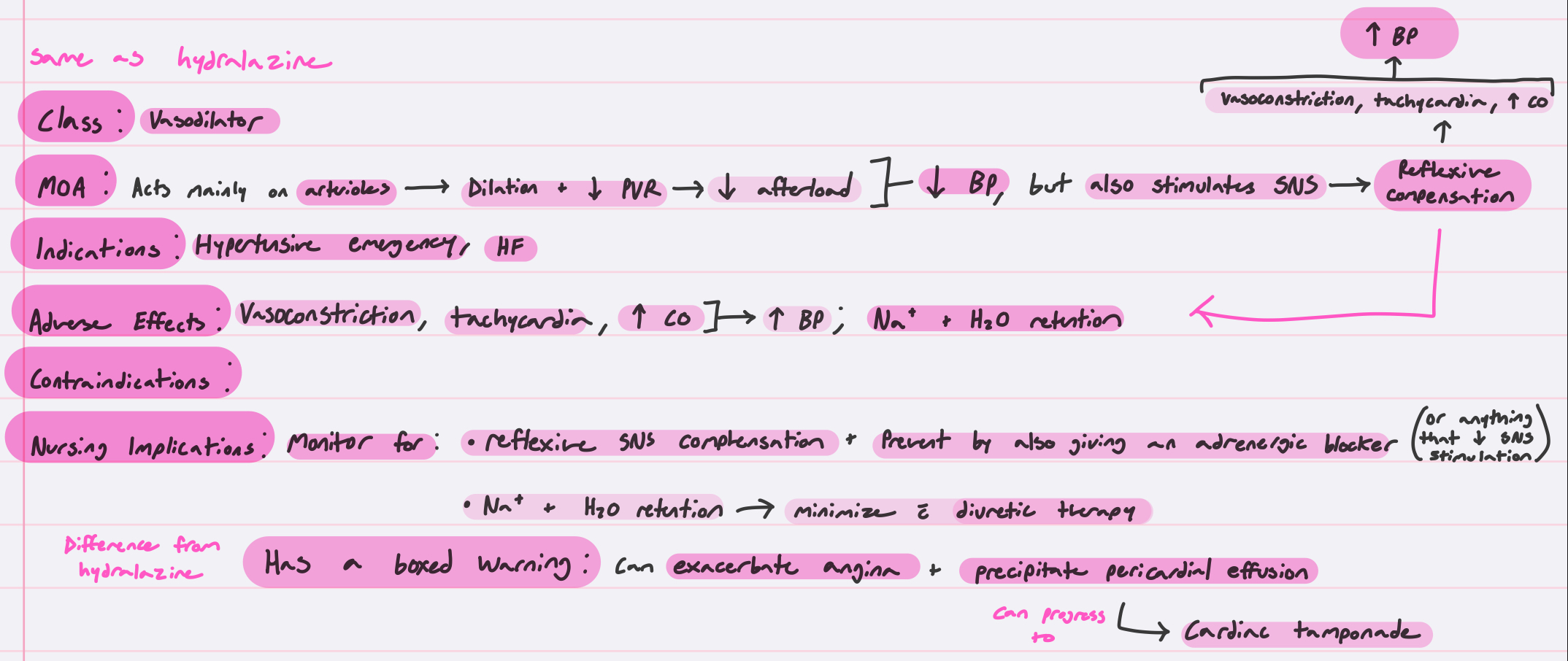
Minoxidil
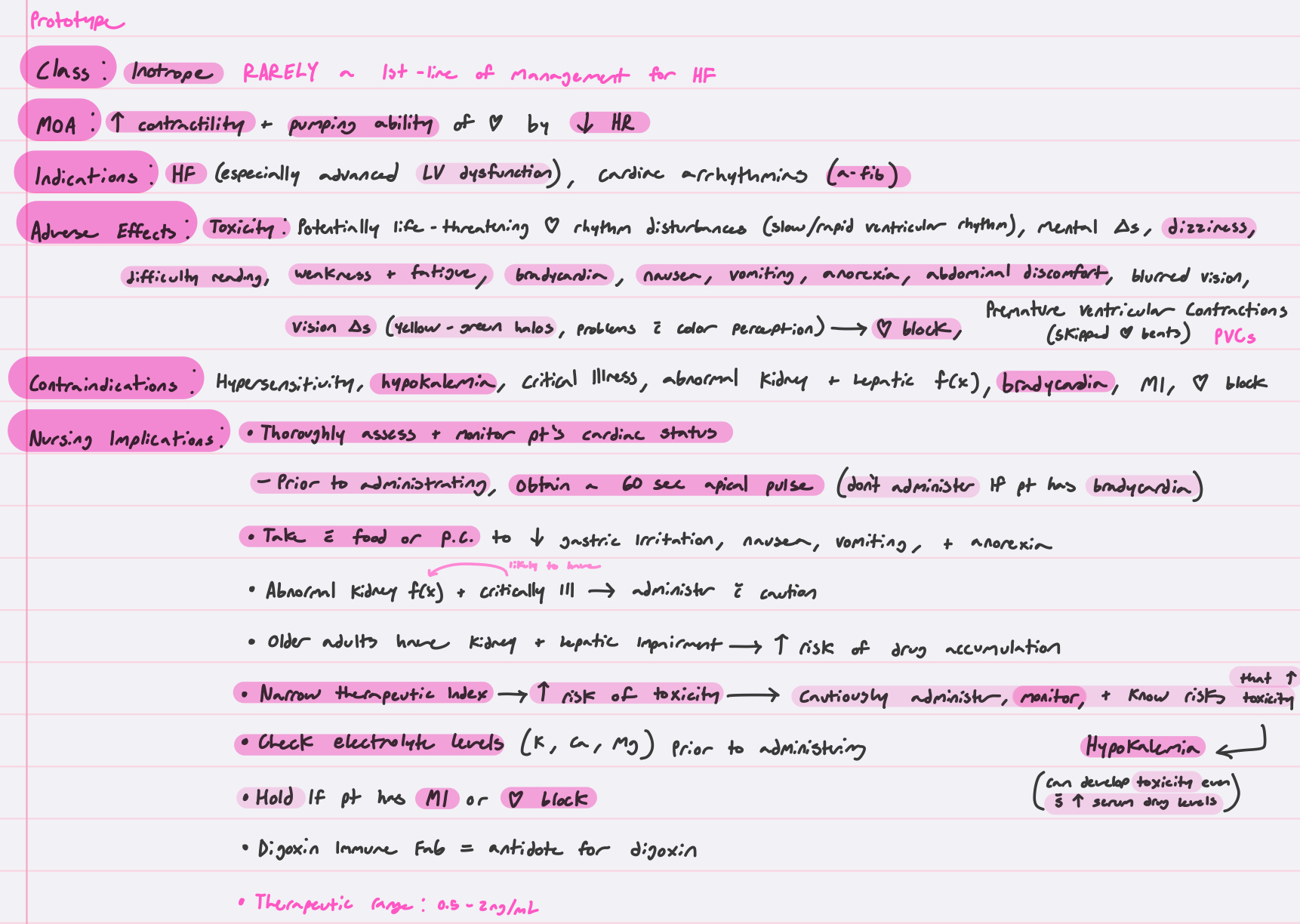
Digoxin
Lowers HR