WK #11: Early Christian and Byzantine; and Middle Age Art
 Call Kai
 Learn
 Practice Test
 Spaced Repetition
 Match
 Flashcards
 Knowt Play
1/40

There's no tags or description
Looks like no tags are added yet.
41 Terms
Christianity
Legalized by Emperor Constantine; religion of Roman Empire
“Edict of Milan”
legalization of Christianity
Basilica
“meeting hall”; rectangular floor plan; originated: Greeks → adopted by: Romans and Christians; used as a Christian worshipping place

Catacombs
narrow underground tunnels where Christians were buried; small room Christian gathering places

The Good Shepherd
mural painting (in-situ)
Orans
prayer figures
Christian Architecture design:
based on basilica and audience hall; but has nave, flanking aisles, transept, and apse included
Central-plan building
are smaller than basilica
Mosaic
Stained glass for spiritual mysticism; decorated the interior

St. Peter
1st Christian Church (was the model for others); Latin Cross Floor Plan;
Constantinople
Capital of the Roman Empire in Byzantium

San Vitale
“most spectacular building in Ravenna, Italy

Justinian and Attendants
Justinian in the middle: religious person (halo) and rep. of state

Hagia Sophia
By: Anthemius and Isidorus; “Culmination of Byzantine style”: Pendentives; 1st domed basilica church and a supreme accomplishment of world architecture; showed Mysticism since dome looks to be supported by light
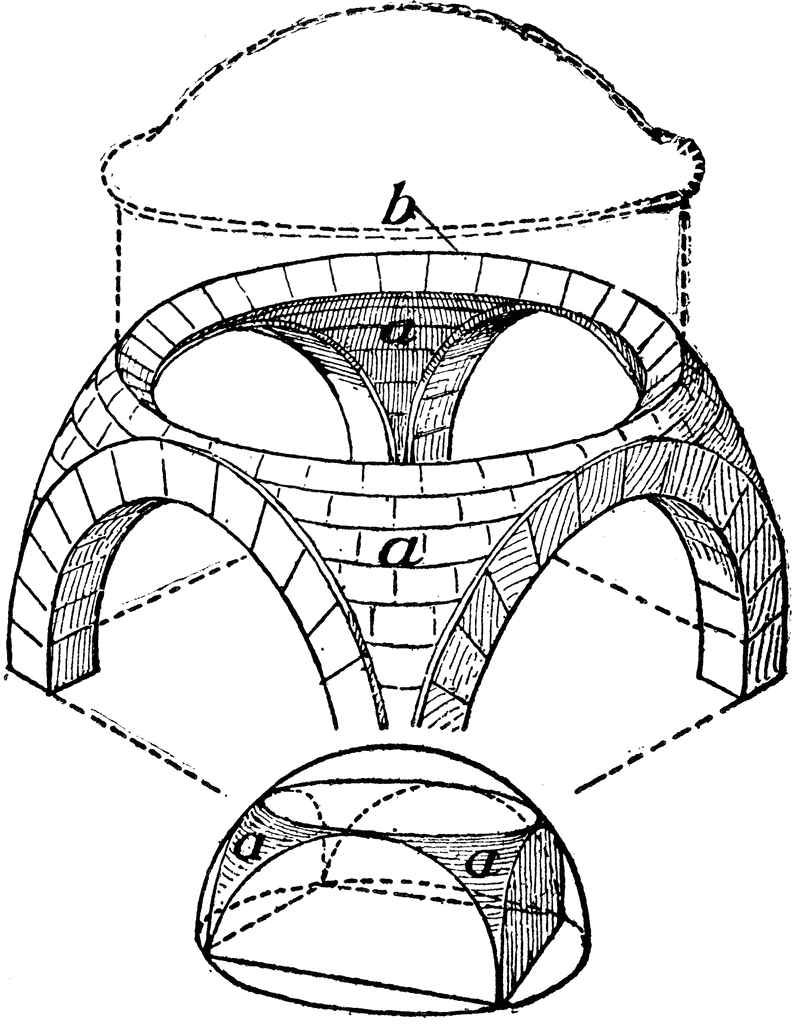
Pendentives
greatest Byzantine contribution to architecture
Christ
Early: Young boy / teacher
Middle: Adult

Christ (Hagia Sophia)
Christogram: letters near his head

St. Mark’s
Greek Cross Plan
Devotional Images (Middle Ages)
“Religious images”; showed personal and public devotions

Illuminated manuscripts (Middle Ages)
hand written and illustrated books created on animal parchments / vellum; Cross and carpet page, the Lindisfarne Gospels

Ship burial
belief in afterlife: burial of decreased in a ship that’s buried

Animal Style
Animals are incorporated in design
Carolingian
art made during Charlemagne (Charles the Greats) and his successors

Palatine Chapel
Private Chapel for Charlemagne; shows Roman arches and classical element (Columns)

Double Cross Plan
2 Entrances North and South of building; Abbey church of St. Michael at Hildesheim

Doors depicting Adam and Even and Life of Christ
Lost wax process (casting); bronze
“-esque”
something like
Romanesque buildings
Massive

Radiating Chapels
Private; rented with money to make private chapels within the church
facade
front of a building

Bayeux Tapestry
Subject: current history
Purpose: historical commemoration
Shows Continuous narrative
Characteristics of Gothic Architecture
Rib Vaults
Pointed Arches
Stained Glass windows (weightless appearance)
Decorative Masonry
Flying Buttresses
Gothic Architecture
Different from Romanesque Architecture
Abbot Suger
Remodeled St. Denis

Plan of St. Denis and interior of St. Denis
Rib Vaults; Stained glass: “Presence of God”

St. Denis
Dedicated to St. Denis: patron saint of France and 1st Bishop; Burial site for French Royal Families; 1st Gothic building
Lux Nova
“new light”

Rose window
Most important element of Gothic Buildings that brought light in

Flying Buttresses
Gothic Element; tall vertical building on side; Cathedral of Notre-Dame de Paris
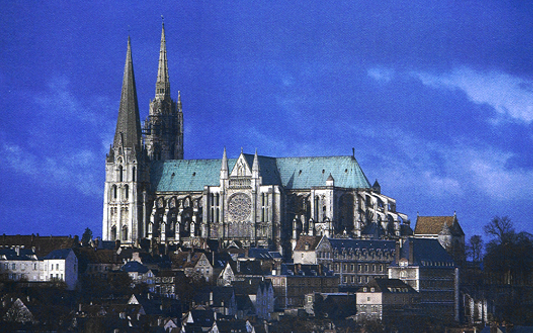
Chartres cathedral
hold relic of Virgin Mary
Italian Architecture
more massive than building outside of Italy