hale exam 2 lecture 2 part 1 [end of hypertension drug deck]
 Call Kai
 Learn
 Practice Test
 Spaced Repetition
 Match
 Flashcards
 Knowt Play
1/19

There's no tags or description
Looks like no tags are added yet.
20 Terms
alpha 1 receptor antagonists
- selective blockade of a1 inhibits vasoconstriction induced by endogenous catecholamines
- positive effect on serum lipids and glucose; from improved tissue perfusion and increased insulin sensitivity
- not first line treatments for HTN
- longer acting terazosin and doxazosin are used for treatment of BPH
short term effects of a1 block
- reduction arteriolar resistance and decrease in venous return
long term effects of a1 block
- vasodilation persists; heart rate, cardiac output and renin return to normal
why are a1 blockers not first line for HTN
- syncope [fainting] is common; follows from mechanism-based, acute orthostatic hypotension and impairment of vascular reflexes
- antihypertensive effects can demonstrate tachyphylaxis
- may have higher rate of development of heart failure

Prazosin (Minipress)
- highly selective a1 receptor blocker
- little/no affinity for either a2 or B receptors
- via titration dosing can lower SBP 10-20 mmHg and DBP 10-15 mmHg
- short half life with 2-3 x day dosing

terazosin
- great oral bioavailability and long half life of 12 hours
- comes in oral tablet and solution

doxazosin
- decent oral bioavailability but longest half life of the a1 blockers (t1/2 = 22)
mixed a1/B blockers
- carvedilol
- labetalol

carvedilol
- after metoprolol
- nonselective between B1 and B2; also has a1 activity
- a1 antagonism and CCB activities provide stronger BP lowering
- antioxidant properties [scavenges ROS]
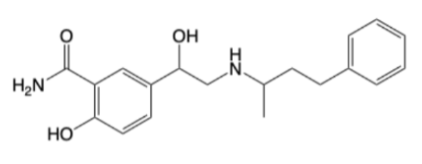
labetalol
- after carvedilol
- nonselective between B1 and B2; also has a1 activity
- a1 antagonist properties adds BP lowering
- may be preferred when rapid BP reduction is needed
- diminished CNS adverse effects compared to propranolol and metoprolol
b-blockers class therapeutic uses
- lower SBP 5-20 mmHg and DBP 5-15 mmHg
- Patient-to-patient differences in pharmacokinetics and tolerability influences choice of agent
- B-Blockers provide effective therapy for all grades of hypertension
- Widely used for other indications -> angina, congestive heart failure, cardiac arrythmias
b-blockers class toxicity and adverse effects
- Contraindicated vs. asthma, some heart conduction disorders
- Sudden discontinuation can produce rebound hypertension
b-blockers class contraindications and DDI
- Hypotension when used in combination with other anti-hypertensive agents
- NSAIDs may reduce anti-hypertensive activity
- metoprolol: CYP2D6 polymorphism
- nebivolol: excessive NO mediated vasodilation
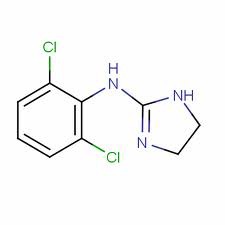
clonidine
- alpha 2 adrenergic receptor agonist
- imidazoline receptor agonist
- oral formulation used for treatment of HTN 2nd line
- effects come from central effects not peripheral
- used more in pediatric ADHD
- off label use also for narcotic, alcohol, and tobacco withdrawal
adverse effects and precautions with clonidine
- dry mouth, sedation, bradycardia
- withdrawal reaction with long term use
contraindications with clonidine
- can potentiate the actions of CNS-sedating actions of alcohol, barbiturates or other sedatives
- avoid use with CCBs and B-blockers

methyldopa
- oral formulation used only in pregnancy for HTN
- prodrug that is activated in the CNS
- a2 adrenergic receptor agonist [acts centrally and results in diminished vasoconstriction]
adverse effects of methyldopa
- hypotension with overdosage
- transient sedation, reduced libido, Parkinsonian symptoms
- positive Coombs test, hemolytic anemia, and liver disorders may occur
- established safety profile for mother and fetus
contraindications with methyldopa
- co-administration with monoamine oxidase inhibitors
- avoid use in patients with active liver disease
4 major classes of drugs for hypertension
- ACE-is
- ARBs
- Long acting DHP CCBs
- thiazide or thiazide-like diuretics