Chemistry vocabulary 12A14
 Call Kai
 Learn
Learn Practice Test
 Spaced Repetition
 Match
Match Flashcards
1/102

There's no tags or description
Looks like no tags are added yet.
Name | Mastery | Learn | Test | Matching | Spaced | Call with Kai | Chat |
|---|

103 Terms
storehouses of chemical energy (n)
/ˈstɔːhaʊzɪz əv ˈkɛmɪkəl ˈɛnədʒi/
Places or structures that store chemical energy
(kho năng lượng hóa học)
Reaction (n)
/riˈækʃən/
A process in which substances change into new substances
(phản ứng hóa học)
Component (n)
/kəmˈpəʊnənt/
An element of a larger whole
(thành phần)

structural components of plant cells
/ˈstrʌktʃərəl kəmˈpəʊnənts əv plɑːnt sɛlz/
Parts that make up the cellular structure of plants
(Thành phần cấu thành tế bào thực vật)
supportive structures
/səˈpɔːtɪv ˈstrʌktʃəz/
Physical structures that provide support and maintain shape
(Kết cấu chịu lực)

organic compounds
/ɔːˈɡænɪk ˈkɒmpaʊndz/
An organic compound is generally defined as a chemical compound that contains carbon atoms covalently bonded to other elements, most commonly hydrogen, oxygen, nitrogen, or sulfur.
(Hợp chất hữu cơ)
hydroxyl/ hydroxy group
/haɪˈdrɒksɪl ɡruːp/
An -OH group in chemistry
(Nhóm -OH)
carbonyl group
/ˈkɑːbənɪl ɡruːp/
A C=O group in chemistry
(Nhóm C=O)
Formula (n)
/ˈfɔːmjələ/
A set of symbols showing what a substance is made of
(Công thức)
Hydrolysis (n)
/haɪˈdrɒlɪsɪs/
Any chemical reaction in which a molecule of water break one or more chemical bonds
(Sự thuỷ phân)
Acid hydrolysis
/ˈæsɪd haɪˈdrɒlɪsɪs/
Hydrolysis triggered by an acid
(Thuỷ phân trong môi trường acid)
Alkaline hydrolysis
/ˈælkəlaɪn haɪˈdrɒlɪsɪs/
Hydrolysis triggered by base or alkaline substance
(Thuỷ phân trong môi trường base/kiềm)
Enzymatic hydrolysis
/ˌɛnzɪˈmætɪk haɪˈdrɒlɪsɪs/
Hydrolysis triggered by enzymes
(Thuỷ phân nhờ xúc tác enzyme)
Substance (n)
/ˈsʌbstəns/
A particular kind of matter with uniform properties
(Chất)
Readily (adv)
/ˈrɛdɪli/
Without hesitation or difficulty; quickly
(dễ dàng)

Starch (n)
/stɑːtʃ/
A white, tasteless carbohydrate found in plants
(Tinh bột)
Insoluble (a)
/ɪnˈsɒljəbəl/
Cannot be dissolved in liquid
(không tan)
Soluble (a)
/ˈsɒljəbəl/
Able to be dissolved in liquid, especially in water
(Có thể hoà tan)
starch solution
/stɑːtʃ səˈluːʃən/
A liquid mixture containing dissolved or suspended starch
(Dung dịch tinh bột)
Solution (n)
/səˈluːʃən/
A liquid mix where something is dissolved
(Dung dịch)

viscous colloidal mixture
/ˈvɪskəs kəˈlɔɪdəl ˈmɪkstʃər/
A thick, sticky liquid mix
(Dung dịch có độ nhớt)

Solid (a)
/ˈsɒlɪd/
Firm and stable; not liquid or gas
(Rắn)
Fibrous (a)
/ˈfaɪbrəs/
Made of thread-like parts
(Tính chất sợi)
Solvent (n)
/ˈsɒlvənt/
A liquid that can dissolve other things
(Dung môi)
Nutrition (n)
/njʊˈtrɪʃən/
Food and nourishment for health
(Chất dinh dưỡng)
Application (n)
/ˌæplɪˈkeɪʃaən/
A way of using something
(ứng dụng)
Sweetener (n)
/ˈswiːtnər/
Something that makes food sweet
(Chất tạo ngọt)

Sugarcane (n)
/ˈʃʊɡəkeɪn/
A tall grass used to make sugar
(Cây mía)
palm sap
/pɑːm sæp/
Sweet liquid from palm trees
(Mật hoa cọ)

sugar beet
/ˈʃʊɡə biːt/
A root vegetable used to make sugar
(Củ cải đường)
textile fibers
/ˈtɛkstaɪl ˈfaɪbəz/
Threads used to make clothes
(Tơ sợi)
molecular formula
/məˈlɛkjələ ˈfɔːmjələ/
Show the exact number of atoms in a molecule
(Công thức phân tử)
structural formula
/ˈstrʌktʃərəl ˈfɔːmjələ/
Shows how atoms are connected in a molecule
(Công thức cấu tạo)
open-chain form
/ˈəʊpən tʃeɪn fɔːm/
A straight line of atoms
(Dạng mở vòng)
cyclic forms
/ˈsaɪklɪk fɔːmz/
A ring shape of atoms
(Dạng mạch vòng)
Interconvert (v)
/ˌɪntəkənˈvɜːt/
To change back and forth into each other
(Chuyển đổi qua lại lẫn nhau)
alkaline medium
/ˈælkəlaɪn ˈmiːdiəm/
A basic or alkaline environment
(Môi trường kiềm/base)
unit
/ˈjuːnɪt/
A single part of a bigger whole
(Đơn vị)
α-1,2-glycosidic bond
/ˈælfə wʌn tuː ˌɡlaɪkəˈsɪdɪk bɒnd/
A chemical bond linking sugars together
(Liên kết α-1,2 glycoside)
To be composed of
/tə bi kəmˈpəʊzd əv/
To be made of
(Được cấu thành/tạo thành/cấu tạo từ)
helical chain
/brɑːntʃt ˈstrʌktʃər/
A spiral-shaped chain
(Chuỗi xoắn ốc)
branched structure
/bræntʃt ˈstrʌktʃər/
A structure with branches extending from a main chain
(Cấu trúc phân nhánh)
unbranched chain
/ˌʌnˈbrɑːntʃt tʃeɪn/
A straight chain without branches
(Cấu trúc không phân nhánh)
Experiment
/ɪkˈspɛrɪmənt/
A scientific test done to discover or prove something
(Thí nghiệm)
test tubes
/ˈtɛst tjuːbz/
Small glass containers used in scientific experiments
(Ống nghiệm)
Shake gently
/ʃeɪk ˈdʒɛntli/
To move something back and forth softly and carefully
Lắc nhẹ
alcohol burner
/ˈælkəhɒl ˈbɜːnər/
A small piece of laboratory equipment used to heat things with alcohol fuel
(Đèn cồn)
dilute solution
/daɪˈljuːt səˈluːʃən/
A liquid mixture with a small amount of dissolved substance
(Dung dịch loãng)
Sodium hydroxide
/ˈsəʊdiəm haɪˈdrɒksaɪd/
NaOH
Copper(II) sulfate
/ˈkɒpər tuː ˈsʌlfeɪt/
CuSO₄
ammonia
/əˈməʊniə/
NH3
Silver nitrate
/ˈsɪlvər ˈnaɪtreɪt/
AgNO₃
Beaker (n)
/ˈbiːkər/
A cylindrical glass container used for mixing or heating liquids
(Cốc thuỷ tinh)
Hydrochloric acid
/ˌhaɪdrəˌklɒrɪk ˈæsɪd/
HCl
Sulfuric acid
/səlˈfjʊərɪk ˈæsɪd/
H₂SO₄

Stir (v)
/stɜːr/
To mix a liquid or substance around using a tool
(Khuấy)

glass rod
/ɡlɑːs rɒd/
A thin glass stick used for stirring liquids in a lab
(Đũa thuỷ tinh)
diluted iodine-potassium iodide solution
/daɪˈljuːtɪd ˈaɪədiːn-pəˈtæsɪəm ˈaɪədaɪd səˈluːʃən/
I₂/KI solution

blue-black/blue-violet
/bluː blæk / bluː ˈvaɪələt/
A dark blue mixed with black or violet color
Xanh tím
dissolve
/dɪˈzɒlv/
To mix a solid into a liquid until it disappears to form a solution
(Hòa tan)
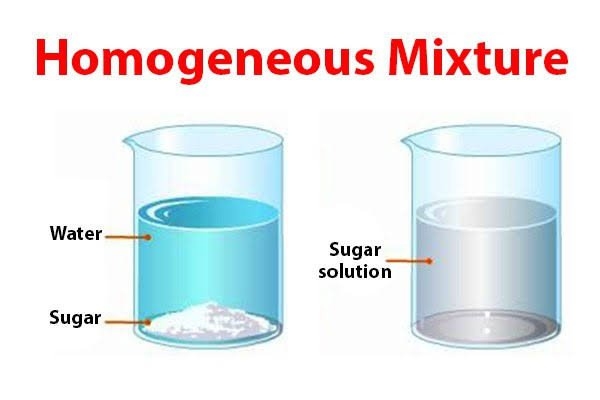
homogeneous solution
/ˌhɒmədʒəˈniːəs səˈluːʃən/
A mixture that is completely uniform throughout
(Dung dịch đồng nhất)
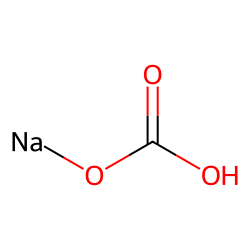
Sodium hydrogencarbonate
/ˈsəʊdiəm haɪdrədʒənˈkɑːbənət/
NaHCO₃

gas evolution reaction
/ɡæs ˌiːvəˈluːʃən riˈækʃən/
A chemical reaction that produces gas bubbles
(Phản ứng tạo khí)

Copper(II) hydroxide
/ˈkɒpər tuː haɪˈdrɒksaɪd/
Cu(OH)₂

test-tube rack
/ˈtɛst tjuːb ræk/
A stand used to hold test tubes safely
(Giá để ống nghiệm)

concentrated H₂SO₄ solution
/ˈkɒnsəntreɪtɪd eɪtʃ tuː ɛs əʊ fɔː səˈluːʃən/
A strong and thick sulfuric acid solution
(Dung dịch H2SO4 đặc)
Observation (n)
/ˌɒbzəˈveɪʃən/
What you see or notice during an experiment
(Hiện tượng)
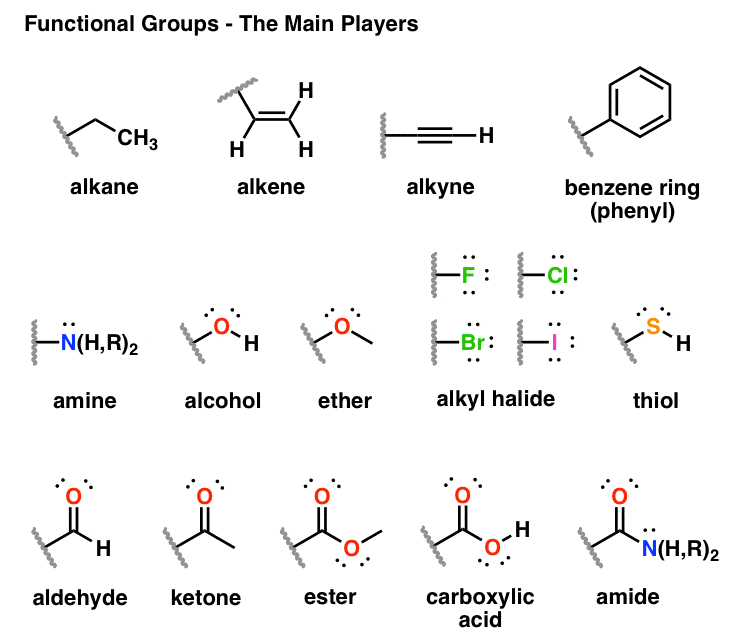
functional group
/ˈfʌŋkʃənəl ɡruːpa/
A specific group of atoms that decides how a molecule behaves chemically
(Nhóm chức)
demonstrate
/ˈdɛmənstreɪt/
To show clearly how something works or is done
Chứng minh
reagent
/riˈeɪdʒənt/
A substance used in a chemical test to find or cause other substances
(Thuốc thử)

Tollens reagent
/ˈtɒlənz riˈeɪdʒənt/
prepared by dissolving AgNO3 in water, adding sodium hydroxide to precipitate silver ion as Ag2O, and then adding aqueous ammonia to redissolve silver ion as the silver–ammonia complex ion
(Thuốc thử Tollens)
distinguish (v)
/dɪˈstɪŋɡwɪʃ/
To tell the difference between two things
(Phân biệt)

Saliva (n)
/səˈlaɪvə/
The watery liquid in your mouth that helps digest food
Nước bọt
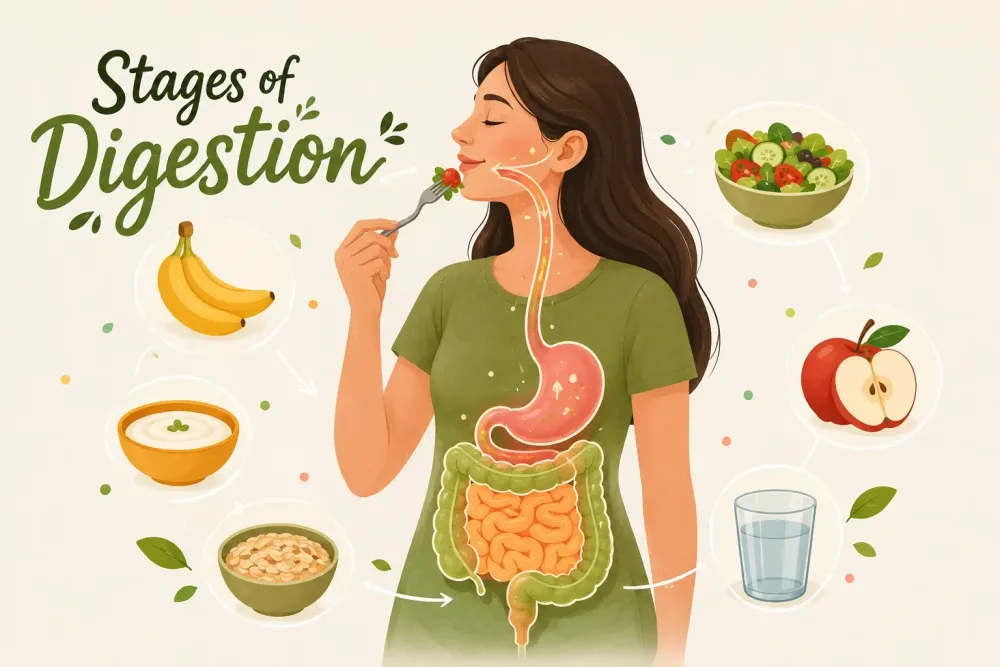
Digestion (n)
/daɪˈdʒɛstʃən/
The process of your body breaking down food
(Quá trình/Sự tiêu hoá)

Intestine (n)
/ɪnˈtɛstɪn/
The long tube in your body that absorbs food and water
(Ruột)

Bloodstream (n)
/ˈblʌdˌstriːm/
The blood flowing through your body
(Dòng máu)

Muscle (n)
/ˈmʌsəl/
Body tissue that helps you move
(Cơ)

Precipitate (v, n)
Verb: /prɪˈsɪpɪˌteɪt/
Noun: /prɪˈsɪpɪtət/
solid that forms and separates out in a liquid during a chemical reaction
(Kết tủa)

Metal (n)
/ˈmɛtəl/
A hard, shiny material like iron or copper
(Kim loại)

brick-red precipitate
/brɪk rɛd prɪˈsɪpɪtət/
A solid powder with a brownish-red color that forms in a chemical test
(Kết tủa màu đỏ gạch)
Neutralize (v)
/ˈnjuːtrəlaɪz/
To make an acid or base balanced (neutral)
(Trung hoà)

Catalyst (n)
/ˈkætəlɪst/
A substance that speeds up a chemical reaction without being used up
(chất xúc tác)
Reducing property
/rɪˈdjuːsɪŋ ˈprɒpəti/
The ability of a substance to donate electrons in a reaction
(tính khử)

Oxidized (adj)
/ˈɒksɪdaɪzd/
Having lost electrons or gained oxygen during a chemical reaction
(bị oxi hóa)

Colorless (adj)
/ˈkʌlələs/
Having no color; clear
(không màu)

Decolorize (v)
/diːˈkʌləraɪz/
To remove the color from something or make it lose its color
(làm mất màu)

Bubbles (n)
/ˈbʌbəlz/
Small spheres of gas trapped in a liquid
(bọt khí)

Indicator (n)
/ˈɪndɪkeɪtər/
A substance that changes color to show the condition of a solution (like pH)
chỉ thị hoặc chất chỉ thị

Adjacent (adj)
/əˈdʒeɪsənt/
Next to or adjoining something else
kế bên
VD: Multiple hydroxyl groups (−OH) on adjacent carbon atoms
excess (adj)
/ɪkˈsɛs/
More than what is needed or required
(dư)

acidic medium
/əˈsɪdɪk ˈmiːdiəm/
An environment or solution with a pH less than 7 (acidic)
(môi trường acid)

water bath
/ˈwɔː.tə ˌbɑːθ/
A container of heated water used to warm substances slowly and evenly
(Nồi cách thủy)

light-blue precipitate
/laɪt bluː prɪˈsɪpɪtɪt/
A solid powder with a light blue color that forms in a liquid during a chemical reaction
(kết tủa màu xanh nhạt)

deep blue/ royal blue/ ink-blue
/diːp bluː / ˈrɔɪəl bluː / ɪŋk bluː/
Shades of dark and intense blue color
(xanh đậm / xanh hoàng gia / xanh mực)
the inner wall of the test tube
/ði ˈɪnər wɔːl əv ðə tɛst tuːb/
The inside surface of a test tube
(thành trong của ống nghiệm)

yield (v) = form (v)
/jiːld/ = /fɔːrm/
To produce or create something in a chemical reaction
(Tạo thành)

Oxidation (n)
/ˌɑːksɪˈdeɪʃn/
The loss of electrons or an increase in oxidation state by a molecule, atom, or ion.
(Sự oxi hoá / Quá trình oxi hoá)

Oxidant (n)
/ˈɒksɪdənt/
A substance that tends to bring about oxidation by being reduced and gaining electrons.
(Chất oxi hoá)
Reduction (n)
/rɪˈdʌkʃn/
The gain of electrons or a decrease in the oxidation state by a molecule, atom, or ion.
(Sự khử/quá trình khử)
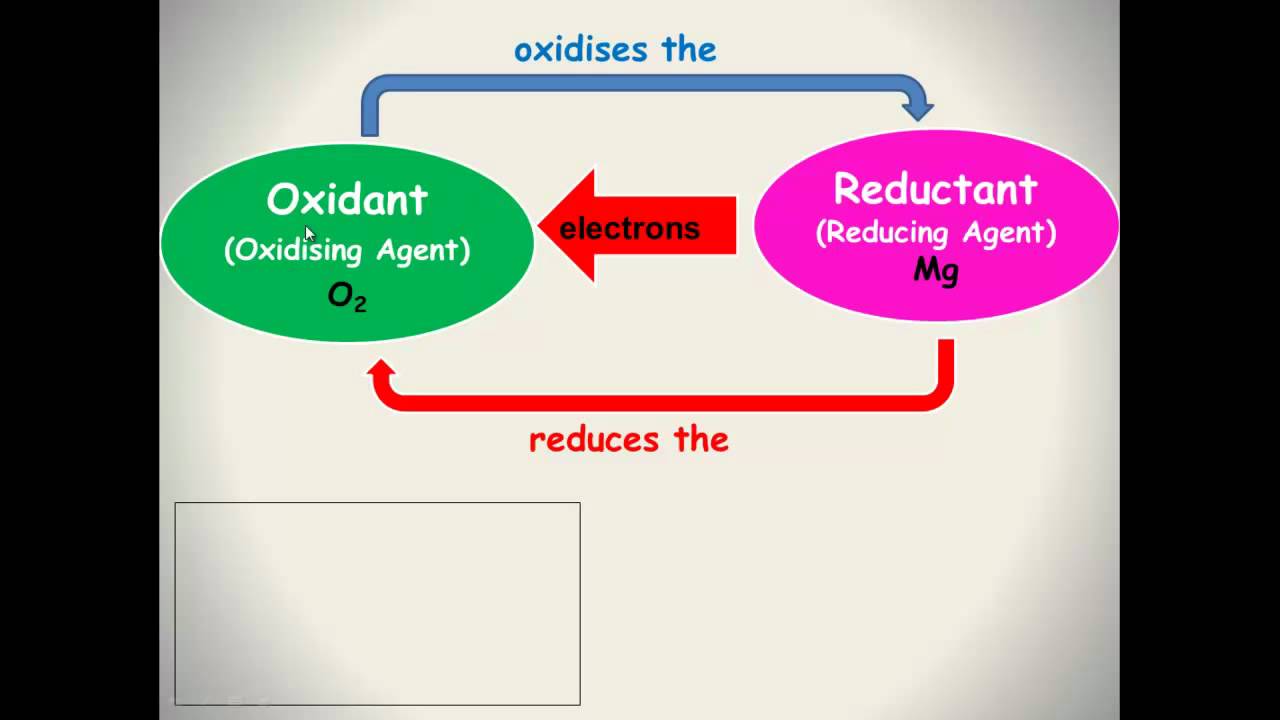
Reductant (n)
/rɪˈdʌktənt/
A substance that tends to bring about reduction by being oxidized and losing electrons.
(Chất khử)