Chapter 3 expected physiological changes during pregancy
 Note
 Call Kai
 Learn
 Practice Test
 Spaced Repetition
 Match
 Flashcards
 Knowt Play
1/34

Earn XP
Description and Tags
Module 1A
35 Terms
Presumptive signs of pregnancy
Signs that the client experiences indicating a possible pregnancy, such as amenorrhea, fatigue, nausea/vomiting, urinary frequency, breast changes, quickening, and uterine enlargement.
Amenorrhea
The absence of menstruation, often considered a presumptive sign of pregnancy.
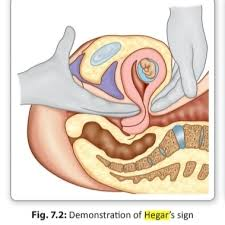
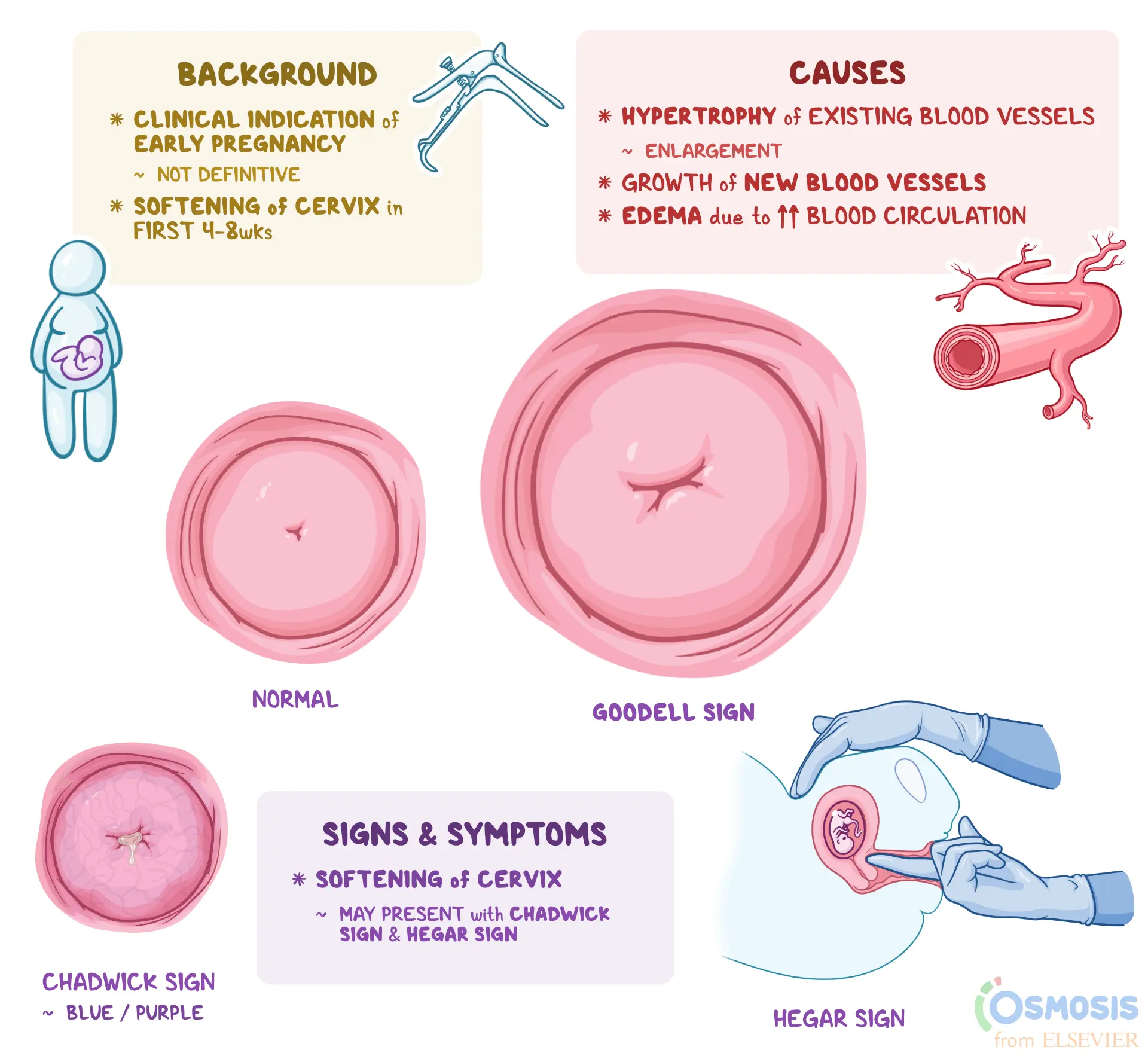
Hegar's sign
A probable sign of pregnancy characterized by the softening and compressibility of the lower uterus.
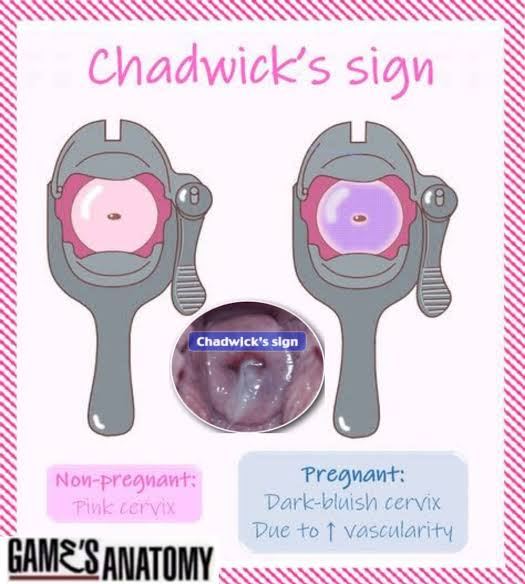
Chadwick's sign
A probable sign of pregnancy indicated by a violet-blue color of the cervix and vaginal mucosa.
Goodell's sign
A probable sign of pregnancy representing the softening of the cervical tip.
Braxton-Hicks contractions
False contractions that are painless and irregular, usually relieved by walking.
Fetal heart sounds
Positive sign of pregnancy indicating the presence of a fetus, typically detected using a Doppler or ultrasound.
Visualization of fetus by ultrasound
A positive sign of pregnancy where the fetus is seen through imaging technology.
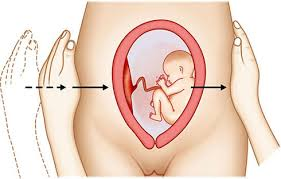
Ballottement
A probable sign of pregnancy that refers to the rebound of an unengaged fetus when pressure is applied.
Cardiovascular changes in pregnancy
Increased cardiac output by 30-50% and blood volume increases by 40-50% at term; heart rate increases starting around week 5.
Supine hypotensive syndrome
A condition that can occur during pregnancy when the weight of the uterus on the vena cava decreases blood flow to the heart, causing a drop in blood pressure when lying supine.
Quickening
The slight fluttering movements of the fetus felt by the client, usually occurring between 16-20 weeks of pregnancy.
Positive signs of pregnancy
Signs that confirm pregnancy, including fetal heart sounds, visualization of the fetus by ultrasound, and fetal movements palpated by an experienced examiner.
Uterine enlargement
A presumptive sign of pregnancy representing the growth of the uterus during gestation.
Urinary frequency in pregnancy
A common presumptive sign of pregnancy due to hormonal changes and increased blood flow to the kidneys.
Nausea/Vomiting during pregnancy
Often referred to as morning sickness, this is a presumptive sign experienced by many pregnant individuals.
measurement of fundal height
cm from pubis to the top of uterine fundus
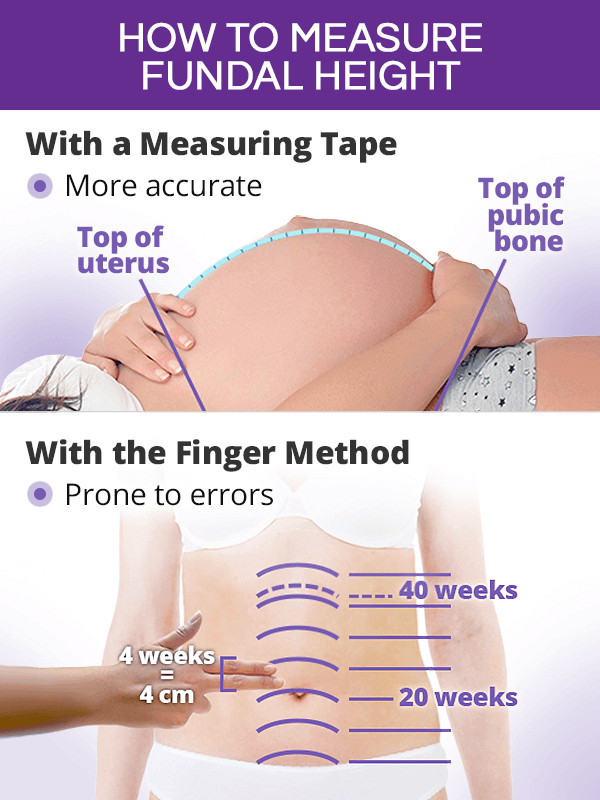
Gravidity
number of pregancies
Nullgravida
cleint who has never been preganat
primigravidia
cleint in their first pregnacy
multigravida
who has had two or more pregancies
parity
number of pregancies in which the fetus or fetuses reach at least 20 weeks
nullipara
no pregancy beyond the stage of varaiblity
primipara
has completed one pregancy with a at least 20 weeks
Multipara
completed two or more pregancies to 20 weeks
Viability
point in time whne an infant has the cpacity to survive outside the uteuerus
between 25-35 weeks are considered threshold of viability
GTPAL acronoym
gravidity
Term births (37 weeks or more)
Preterm births (from varbaility up to 37 weeks
Abortions/miscarriages (before viabilty)
Living children
reproductive system changes
increases in size and change in shape, postion of utuerus and ovalution and menses stop
Muscoskeltal body system change
body alterations and weight increase neccesiatte an adjustment in posture, pelvic joints relax
GI body system changes
N/V, constipation
renal body system changes
filtration rate increases, so urinary freqency can happen
Endocrine body system changes
placenta becomes an organ that prodcues large amounts of hCG, progesterone, estrogen,, lactogen, and prostglandins, VERY ACTIVE
skin changes
chloasma
increase of pigmentation on the face

Linea nigra
dark line of pigmentation from the umbilicus extending to the pubic area

stria gravidarum
strecth marks most notably found on the abdomne and thighs