Aquaculture - Marine Finfish
 Call Kai
 Learn
 Practice Test
 Spaced Repetition
 Match
 Flashcards
 Knowt Play
1/17

There's no tags or description
Looks like no tags are added yet.
18 Terms
What are some examples of Marine finish
Codfish and Halibut
Why isn’t it a large part of aquaculture?
Because wild caught fish used to be much cheaper than the aquaculture farmed ones
Why are AQ finfish so expensive to produce?
The larvae are difficult to rear, they are difficult to breed in captivity, sea water means you have to be near the sea and biofouling/corrosion is a large problem.
What is happening with the finfish AQ sector?
It is increasing as we are over exhausting the marine finfish stocks
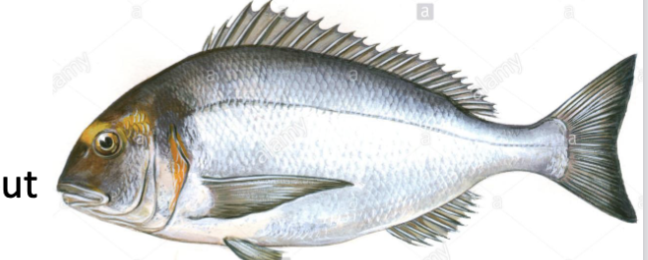
Sea bream (characteristics)
Easy to breed
Popular in europe
Grown in coastal ponds, lagoons, tanks, and net pens

Milkfish (characteristics)
the juveniles are caught in coastal lagoons
Sometimes they are polycultures with shrimp and or mullet

Mullet (characteristics)
They can spawn - induced via hormones
they are often polycultures with shrimp, tilapia, and milkfish

Tunas
often need wild juveniles
recently captive breeding has been successful
need very large tanks or net pends to grow them

Cobia
The females grow fast (6kg in a year)
There is emerging production in the USA
They lack a swim bladder so they need to swim or they rest on the bottom

Groupers
grown manly from wild juveniles
they are fed low quality fish
cannibalism is a common problem

American eel
Their larvae is wild caught
Nova Scotia is an important player

Atlantic Halibut
Hard to keep the larvae alive
they need 5m deep silos with a halo cline
there is a large farm in PEI
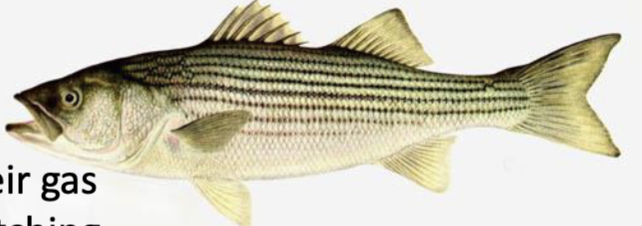
Striped bass
They are anadromous
Done by NS
A bottleneck:
the larvae must inflate their gas bladders at specified times after hatching
this can be a problem if there is oil or any other kind of contamination in the water that interferes with this process
Codfish
Pelagic eggs
complicate production
Canada invested
not very successful
Sturgeons
Caviar production
Atlantic wolffish
They produce antifreeze proteins
Newfoundland is a large component of this aquaculture
Lumpfish
they are raised so that they can clean sea lice of off aquaculture salmon
they are often captured as juveniles
Cunner
Also raided to clean sea life off of farmed salmon
they are captured as juveniles