Psychology AAQ
 Call Kai
 Learn
 Practice Test
 Spaced Repetition
 Match
 Flashcards
 Knowt Play
1/25

There's no tags or description
Looks like no tags are added yet.
26 Terms
Correlation Coefficient
Statistical measure of the relationship between 2 things that indicate the strength of the relationship
Represented as ‘r’ and ranges from -1 to 1, with values closer to ±1 indicating a stronger relationship, while a value of 0 indicates no correlation.
Effect Size
Measures the strength of a relationship between 2 variables or the magnitude of an effect in a statistical study.
The larger the effect size, the more one variable can be explained by the other(“d”)
Statistical significance
How likely it is that a result occurred by chance
“P”
Closer to 0 means less likely the results are due to chance
Standard deviation
A computed measure of how much scores vary from the average score
“z”
Descriptive Statistics
Numerical data used to measure and describe characteristics of groups; include measures of central tendency and measures of variation
Skewness
A representation of scores that lack symmetry around their average values

Bimodal distribution
Having 2 distinct peaks/modes when having 2 different groups within the data
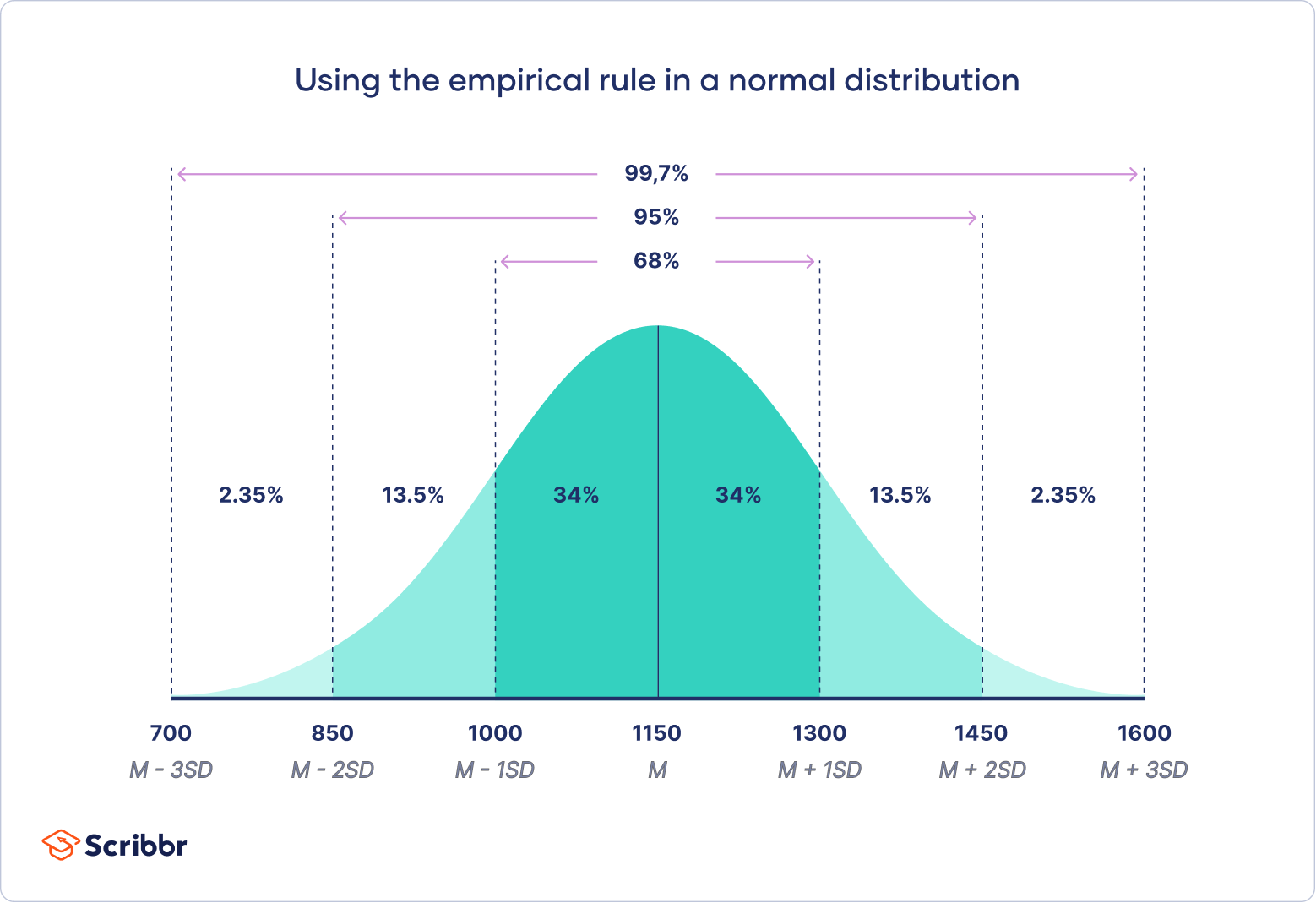
Normal Curve
A symmetrical, bell-shaped curve that describes the distribution of many types of data
correlation
A measure of the extent to which 2 factors may vary together and how well they can predict each other
Operational definitions
A carefully worded statement of the exact procedures used in a research study
Mean
Average
Population
All those in a group being studied
Experiment
When an investigator manipulates 1 or more factors to observe the effect on some behaviors or mental processes. Random assignment
Case study
1 individual or group is studied in depth
Correlational research
measures 2 or more variables to see if a statistical relationship exists between them
Confidentiality
Keeping participants’ responses from being shared with anyone but the researcher
Anonymity
Not associating names with data
Mode
Most frequently occuring results in data
Part A
Research method
Reason for Experiment
Manipulation of independent variables and random assignment
Why correlational study
2 measured variables
Part B
Research variable in the study
The operation definition of —— is ———
Part C
Statistical analysis
The(statistic asked for) indicates ——-
USE DATA
Part D
Ethical guidelines(MUST EXPLAIN WHAT IT IS)
-informed consent/assent and why
-Anonymity/confidentiality
-Protection from harm
-Debriefing
“The researcher applied —- when they—-”
Part E
Generalizability
The researcher’s findings are/are not generalizable to—- because ——
Part F
“The research hypothesis that ——- was supported/refuted because ——”
“And this is why it is important(concluding statement)——-”
USE NUMERICAL DATA