Pharmacology Final
 Call Kai
 Learn
 Practice Test
 Spaced Repetition
 Match
 Flashcards
 Knowt Play
1/69

There's no tags or description
Looks like no tags are added yet.
70 Terms
Parasympathetic
Bethanechole → Pee, Atropine antidote
Neostigmine and Physostigmine → M. Gravis, Alzheimers, glaucoma
Sympathetic
Atropine → No pee
Glycopyrrolate → Pre-anesthetic
Scopolamine → Motion sickness
Natural Sympathetic: Epinephrine (EpiPen, Anaphylaxis), norepinephrine, dopamine (increase BP) antidote → Phentolamine
Sympathetic synthetic → Isoproterenol, Dobutamine
Albuterol → Asthma
Beta-1+2
Beta 1 - Increase Heart Rate
Beta 2 - Lungs, Uterus: dilate/relax → hyperglycemia
Dopamine
Kidney perfusion, for shock/renal failure → Antidote Phentolamine, activates B1
Beta-Blockers
1st gen (nonselective), propranolol, peripheral, lower HR, stage right, migraines, hyperglycemia
2nd gen (selective), metoprolol, B1, Lower HR, BP, and raises Sugar/glucose
Potassium
3.5-5
Hypokalemic - Narrow and flat, infuse slowly 10
Hyperkalemic - Long, Tented, wide, depressed
pH balance 7.35-7.45
Acidosis: High H+, K+, low pH, Hypoventilation, Sodium bicarbonate
Alkalosis: Low H+, K+, high pH, hyperventilation, Chloride
Diuretics for HTN
Loop, Furosemide, Ototoxicity
Thiazide, 1st, no pregnancy
Potassium-sparing, Spironolactone
Osmotic, Mannitol, brain swelling
Carbonic anhydrase inhibitor, altitude sickness
LDL Cholesterol HTN -statins
HMG-CoA blocker, take at dinner or bedtime, watch for myopathy, muscle pain, and liver
CO + BP equations, Preload and Afterload
BP = CO x SVR
CO = SV x HR
Preload - Veins, dilated = decreased
Afterload - Arteries, dilated = decreased
Antihypertensive Medications
Calcium Channel Blocker
Nifedipine - Dihydropyridine, arteries, peripheral.
Verapamil - Non-dihydropyridine, constipation and digoxin toxicity.
Diltiazem - Non-dihydropyridine, (hyperplasia)
Vasodilator
Hydralazine - Orthostatic hypotension, arteries.
Minoxidil - Hair growth, arteries.
Sodium Nitroprusside - Veins and arteries, rapid.
Alpha-1 blocker
Prazosin - selective, blood vessels and eyes, watch for orthostatic hypotension.
Phentolamine - Non-selective, blood vessels and eyes, watch for orthostatic hypotension.
Alpha-2 inducer
Clonidine - brain, CNS, lowers BP, HR, ADHD, pain.
Natural BP
Cardiovascular - Norepinephrine
Kidneys - Renin-RAAS system
Aliskiren - Renin
-pril, ACE inhibitors, Angiotensin I, decreases it, watch for angioedema
-sartan, ARBs, Blocks Angiotensin II (powerful one), no pregnancy
Aldosterone, Spironolactone, Eplerenone, hyperkalemia
Antianginal & Antidysrhythmic Medications
Nitroglycerin: Angina: 1 dose (not working; call 911), 3 times, 5 minutes apart, Sublingual, rapid; watch for headache; drug holiday; sildenafil and PDE5: watch for hypotension, Reflex tachycardia
Digoxin: Glycoside for antidysrhythmic, 0.5–0.8 narrow therapeutic range, HR below 60: notify provider, don't give, Toxicity if hypokalemia and Verapamil, watch for nausea/vomiting, dysrhythmia, and yellow halos
Lidocaine: Ventriculars, bottom of heart, Sodium, for antidysrhythmia, monitor ECG
Amiodarone: Potassium for antidysrhythmia, Ventricular, Severe toxicity, blindness, cough, chest pain, long ½ life
Adenosine: Flatline, Methyl and caffeine block effect
Atrial & Ventricular Dysrhythmias
Atrial: work on antidysrhythmia: Beta blocker: -prolol, Calcium: Verapamil and Diltiazem
Works on Ventricular: Sodium – Lidocaine, Potassium – Amiodarone
Anticoagulants & Antiplatelets
Anticoagulants: Prevent DVT, no fibrin/scabbing
Heparin: Antithrombin anticoagulant, not PO, rapid, large and charged, aPTT testing, Antidote: protamine sulfate, HIT – 50% platelet drop or below 100,000 platelets: stop heparin, contact provider, for long DVT
Enoxaparin/Lovenox: Anticoagulants, antithrombin, SubQ, fixed, at home, Long half-life, Better than Heparin, but expensive
Warfarin: Vitamin K anticoagulant, PO, PT/INR = 2–3, No pregnancy, Genetic: VKORC1, CYP2C9, Vitamin K increase dose
Dabigatran: Direct thrombin inhibitor, Anticoagulant, PO, rapid, Fewer drug interactions than warfarin, Antidote → Idarucizumab
Rivaroxaban: Xa factor, PO, rapid, fixed, Anticoagulant
Aspirin and Clopidogrel: Antiplatelets, No stick, Daily MI and clots, Watch for GI bleeding and epidural hematoma
Clopidogrel: P2Y12 inhibitor, Prevents platelet aggregation, Used after stent, Prodrug, Monitor for bleeding, TTP
Thrombolytics, Heart Failure & Types of Thrombi
Alteplase (tPA) and Tenecteplase (TNK): Clot busters, thrombolytics, Emergencies, Ischemic stroke, not hemorrhagic stroke, STEMI, Major risk for severe bleeding, IV sites and clots, watch for headache
tPA: IV, short ½ life, rapid
TNK: More fibrin-specific and longer half-life
Heart Failure Drug Recipe
Diuretics – edema
RAAS – lower BP
Beta blockers – HR
Digoxin (slow and strong)
Arterial Thrombi: Aspirin and Clopidogrel, MI, Stroke, Stent
Venous Thrombi: Anticoagulants, DVT, Pulmonary
Endocrine/Thyroid
Anterior Thyroid - TSH, Hypothyroidism, Goiter, Coma
Posterior Thyroid - TRH, stimulated from Hypothalamus
TSH regulated by T3 (Triiodothyronine) - Hyperthyroidism/Graves
T4 (Thyroxine) - dysfunction
Thyroid regulates heart, energy, and growth
Hypothyroidism/Goiter/Coma
Levothyroxine
Increases T4, decreases TSH
1 month until therapeutic effect; lifelong treatment
Take on an empty stomach
Half-life: 1 week
Increases: CYP inducers, sertraline, warfarin, catecholamines (epinephrine, dopamine, dobutamine)
Inhibits absorption: H2 blockers, iron, magnesium, calcium, sucralfate
Hyperthyroidism + Graves
1) Methimazole - Thyroidectomy or thyroid storm; avoid during pregnancy, especially during the first trimester. Monitor for agranulocytosis (report fever, sore throat, or signs of infection).
2) Radioactive Iodine - Use precautions around household contacts. Mild toxicity: Metallic or brassy taste, mouth sores. Severe toxicity: GI distress.
Growth Hormone
Somatropin (IV or SubQ): short stature, Prader-Willi syndrome.
AE: hyperglycemia, glucocorticoid interactions
Toxicity Acromegaly, pre-puberty: Gigantism.
Antidiuretic Hormone (ADH), Hypothalamic, Diabetes Insipidus
Vasopressin – Natural ADH - Cardiovascular effects: increased BP, vasoconstriction, angina/MI, gangrene.
Desmopressin – Synthetic ADH - More routes, longer duration, weak pressor agent, fewer cardiovascular adverse effects.
Risk of water toxicity; monitor fluid intake and follow fluid restrictions. Caution with diuretic therapy.
Diabetes
HbA1c: ≥ 6.5%
Fasting BG: ≥ 126 mg/dL (on 2 separate occasions)
OGTT: ≥ 200 mg/dL (2 hours after glucose intake)
Random blood glucose + symptoms: ≥ 200 mg/dL
Symptoms: Polyuria, Polydipsia, Polyphagia
Short-Term - Diabetic Ketoacidosis Type 1, Hyperosmolar Hyperglycemic State Type 2
Long-Term - CVD, Retinopathy, Nephropathy, Gastroparesis, infections, and amputations
Hypoglycemia + Hyperglycemia
BG: <70 mg/dL; decreased carbohydrate intake, increased insulin, or exercise.
Symptoms: Sweating, shakiness, confusion, dizziness, or loss of consciousness.
Treatment (15-15 rule): Check BG, Consume 15 g of fast-acting carbohydrates, Recheck BG after 15 minutes, Repeat if BG is still below 70 mg/dL, If hypoglycemia persists despite treatment, seek emergency medical care.
Severe hypoglycemia: Glucagon if the patient cannot safely swallow or is unconscious; Stimulates the liver to release stored glucose (glycogenolysis) and make new glucose (gluconeogenesis), rapidly raising BG.
Hyperglycemia: BG: >180–220 mg/dL, Increased carbohydrate, decreased insulin, or stress.
Polyuria, polydipsia, polyphagia, headache, and altered mental status.
Insulin
Glucose into cells.
AEs: Hypoglycemia, lipohypertrophy (fat buildup)
Rapid-acting: Glulisine, aspart, lispro.
Short-acting: LIN
Intermediate-acting: NPH (cloudy) N
Long-acting: Glargine, detemir, basaglar.
Ultra-long-acting: Degludec
NPH insulin can be mixed with rapid or short-acting insulin
Beta Blockers mask; glucocorticoids & sympathomimetics increase BG; counteract insulin
T2DM Drugs
Biguanides/Metformin decrease hepatic/liver glucose production & increase glucose uptake by muscle/tissue for T2DM, prediabetes, gestational diabetes, PCOS. AE: GI, decreased B12 absorption, lactic acidosis. Interactions: Alcohol, cimetidine, iodinated contrast media.
Sulfonylureas/Glyburide: stimulate the pancreas to release insulin; T2DM. Interactions: Beta blockers, alcohol, and insulin. AE: Hypoglycemia and weight gain.
GLP-1’S
Exenatide & Semaglutide
GI hormone; increases glucose-dependent insulin release, decreases glucagon
Slow gastric emptying, decreases appetite
For: T2DM and weight loss.
AEs: GI, pancreatitis, thyroid C-cell tumors, hypoglycemia
Inflammation
Nonspecific response to tissue injury or microorganisms. Arthritis most common
Cardinal Signs:
Rubor, Calor (heat), Tumor, Dolor/Pain, Functio laesa
Immunity
Innate: Nonspecific defense.
Adaptive: Antigen-specific defense.
Cell-Mediated: T cells and macrophages.
Humoral: B cells, antibodies → specific antigens
Inflammatory Pathway
Tissue damage → Phospholipase A₂ releases arachidonic acid from the phospholipid bilayer.
Arachidonic acid is converted into prostaglandins or leukotrienes.
COX-1: Gastric mucosal protection, renal blood flow, and platelet aggregation.
COX-2: Inflammation, pain, fever, airway function/bronchoconstriction.
NSAIDS & Acetaminophen (APAP) for Prostaglandin
NSAIDs: Aspirin (ASA), ibuprofen, naproxen - decrease prostaglandin synthesis; reduce pain, fever, and inflammation—AEs: GI ulcers, bleeding, kidney damage, fluid retention, HTN. Take with food; do not crush/chew capsules or extended-release forms. Stop before surgery.
Acetaminophen (APAP)/Tylenol - Reduces pain and fever by inhibiting prostaglandin synthesis primarily in the CNS; no anti-inflammatory effect, not an NSAID. Dose: 500–1,000 mg per dose. Maximum adult daily dose: 4,000 mg. Toxicity: N/V, liver failure, death; antidote: N-acetylcysteine.
Selective COX-2 Inhibitor
Celecoxib - Lower risk of GI ulcers + bleeding; minimal effect on platelet aggregation.
Cardiovascular thrombotic events: heart attack & stroke
Corticosteroids
Glucocorticoids (-sone / -solone) (Adrenal/kidney)
Inhibit phospholipase A₂, reduce inflammation
AEs: Immunosuppression, glucose intolerance, Cushing, mood changes, insomnia, cataracts, and peptic ulcers.
Take with food; monitor BG, infection, fluid/electrolyte; use the lowest effective dose for the shortest duration possible; taper
Immunosuppressants and Immune Stimulants
Suppresses T & B cells for organ transplant rejection & autoimmune diseases; risk of infections & neoplasms; avoid grapefruit juice
Stimulants - Interferons/Interleukins (Alfa-2) AE’s: Flu-like symptoms; encourage hydration
Vaccinations
Teach boosters; do not routinely premedicate with acetaminophen or ibuprofen
Aspirin: not for kids/teens → Reye syndrome.
Natural Active: Infection; Natural Passive: Placenta or breast milk
Artificial Active: Vaccination; Artificial Passive: Antibodies, Immune globulin
Microcytic anemia
MCV: <80 fL, Iron: <30 mcg/dL, Ferritin: <20 ng/mL
Take Ferrous iron (Fe²⁺), Oral GI irritation, nausea, and constipation. Empty stomach for better absorption, or with food if GI upset occurs. Avoid taking HS. Use a straw and the back of the tongue for liquid iron (tooth staining) IV/IM Iron — test dose; Z-track, prevent stain
Anemia (acute or chronic)
Blood loss, low production, increased destruction (Sickle cell, thalassemia, sepsis)
B12 Megaloblastic anemia / nerve damage (myelin)
Vitamin B12 (Cobalamin): Animal products.
Pernicious Anemia: Intrinsic factor (absorption) deficiency
Cyanocobalamin (vitamin B12), orally (high-dose, 1,000–2,000 mcg/day); injection if intrinsic factor problem
Folate Megaloblastic anemia
Folic Acid (B9) - Amino acid & DNA synthesis → Fetal neural tube defects; 400 mcg/day; pregnant women need a higher dose. Avoid alcohol.
Check vitamin B12 before treating folate-deficiency anemia; folic acid can correct anemia while allowing B12-related nerve damage to progress
Erythropoietin
RBC (oxygen transport) in the bone marrow.
For: Anemia, CKD, chemo, HIV; CKD: avoid Hgb >11 g/dL
AE: HTN, headache, seizures, thrombosis (blood clots).
Monitor Hgb, BP, CBC, iron. Use the lowest effective dose.
Thrombopoietic Growth Factors
Platelet production in the bone marrow
Oprelvekin: prevents severe thrombocytopenia post-chemo
AEs: Fluid retention, arrhythmias, thrombosis
Nursing: Monitor platelets, fluid, and cardiac/renal function
Leukopoietic Growth Factors
WBC/neutrophils production for neutropenia post-chemo: engulfing/destroying microbes (improves within 1-3 days)
AE: Bone pain and leukocytosis (excessive WBC)
Nursing: Monitor CBC & ANC
Oncology/Chemotherapy drugs PPE
G₀ phase: Resting phase; cells are not dividing, less susceptible to chemotherapy. Chemotherapy damages bone marrow, hair follicles, GI tract cells → Alopecia, neurologic changes, decreased immunity, mouth sores
Hold Medication if Labs Are Low: Anemia, Leukopenia, Neutropenia: neutrophil nadir- the lowest absolute neutrophil count (ANC) reached after chemotherapy-induced bone marrow suppression; Thrombocytopenia: Low platelet count and increased bleeding risk.
Before chemotherapy: antiemetics; monitor baseline CBC, renal/liver function
Eat small, frequent meals; maintain hydration, monitor intake/output, weight; oral hygiene; plan rest, sun protection; monitor BG; avoid aspirin
Anesthetics and Adjuncts to Anesthesia
Local - Lidocaine patch (sodium)
Neuromuscular Junction Blocking Agents
Depolarizing - Succinylcholine, Non-depolarizing others
Analgesics (Pain Meds)
Opioids - Agonists (Morphine), Partial agonists, Antagonists (Naloxone)
Drugs for Headache Management
Abortive (Triptans & Ergot Alkaloids), Preventative
Local Anesthetics (Nurses) w/ Epi
Blocks impulse transmission along axons/pain impulses/sodium channels/action potentials; no LOC; regional anesthesia; loss of sensation. Combined w/ epinephrine; vasoconstriction for bleeding.
Pain → Temp → Touch → Proprioceptio/position→ Skeletal muscle tone (motor). Gain back in opposite order
Amides - Lidocaine (medical) allergic reactions rare
Esters - Dental - hypersensitivity, not effective topically
AE’s: Cardiac and CNS risks, self-inflicted injury; No epi on fingers, toes, nose, and hose
General Anesthesia (Doctors)
Inhalation Anesthetics: Volatile Liquids (Malignant hyperthermia), Nitrous Oxide
IV Anesthetics: Benzodiazepines (GABA), Propofol, Ketamine (psychological reactions)
MOA: Not fully understood
AE’s: Hypotension, respiratory depression; monitor VS, ECG, resuscitation equipment
Balance Anesthesia - Multiple drugs for lower, safer doses
Adjuncts to Anesthesia - Complement drugs for anxiety, N/V
Neuromuscular Junction Blocking Agents (Rare)
Muscle Paralysis without LOC (BBB), hearing/thinking intact
Depolarizing - Succinylcholine/ACh (Malignant hyperthermia)
Non-depolarizing - Pancuronium “-rium” antagonists to ACh
Side Effects: Respiratory arrest, diaphragm paralysis, hypotension, muscle pain, monitor VS, ECG, protect skin
Indications: Muscle relaxation, electroshock therapy
Malignant Hyperthermia from (Succinylcholine, volatile gas)
Early signs: Muscle rigidity, metabolic acidosis (more CO2), dysrhythmias, hypoxia, hypermetabolism
Late: Fever, cyanosis, hypotension, seizures, fatal
Rescue: Dantrolene, ICU, (autosomal dominant educate)
Analgesic (Pain) Medications
Opioids (Combined with non-opioids)
Agonists - Morphine, mu & kappa, cross the BBB (don’t use with head trauma) and the placenta
Partial Agonists - Butorphanol, low potential for abuse
Antagonists/reversal - Naloxone, blocks mu & kappa, may require several doses
AE: GI slows, sedation, respiratory depression, orthostatic hypotension, urinary retention, cough suppression, LOC, miosis, pinpoint pupils
Headache/Migraine Drugs
Abortive/Serotonin Agonists: Triptans, Ergot Alkaloids
Sumatriptan: first-line serotonin (5-HT1) antagonist; vasoconstriction; side effects: paresthesia, chest pressure, vasospasms; teratogenesis; monitor V/S; separate from ergot alkaloids by 24 hours; separate from MAOIs/SSRIs
Second-line migraine-specific: stimulate alpha-adrenergic receptors, Ergotamine, combined with caffeine (vasoconstriction), GI issues, teratogenesis, monitor V/S, separate ergot alkaloid from triptans by 24 hours
Preventive) Beta-blockers
Substance Use Disorders
Biologic response: higher dose for effect
Addiction: Overwhelming compulsion, despite health/social consequences
Prevention: Lowest dose, shortest duration
Substance Use Disorder: Self-administration, overwhelming desire to take a drug, can’t stop
Psychological Dependence: Overwhelming desire, craving; relapse (Opioids, drugs for insomnia, anti-anxiety drugs)
Physical Dependence: Opioids, alcohol, sedatives, nicotine; nervous system adapts to repeated substance use; uncomfortable withdrawal symptoms
Substance Use Disorders: Drug Classifications
Psychedelics/Hallucinogens: Schedule I drugs, LSD: fungus on rye
Dissociative Drugs: Ketamine, Sedation, Depression treatment, Facilitated assault
CNS Depressants
Benzodiazepines: Anti-anxiety (GABA), Reversal agent: Flumazenil, Withdrawal: insomnia, seizures, nausea, sensitivity to light and sound, headache, twitches
Alcohol: CNS depressant, food slows absorption, hepatitis, Treatment: benzodiazepines, Disulfiram (no alcohol)
Opioids: Intense withdrawal symptoms, not life-threatening, High psychological dependence, dilated pupils, HTN
Cannabinoids: THC – Marijuana, Bloodshot eyes, Weight gain, N/V, Withdrawal: irritability, chills, weight loss, tremors
Psychostimulants:
Amphetamines/Methylphenidate: Increase dopamine, Methylphenidate; Cocaine (vasoconstriction), Withdrawal: depression and anxiety, fatigue, and hunger
Nicotine: Withdrawal: irritability, anxiety, restlessness, headache, insomnia, inability to concentrate
Nurses' Roles: Medical history, nonjudgmental but firm, therapeutic relationship, involve family members, with IV: HIV, Hepatitis, TB, identify triggers and build supportive social connections
Antibiotic Therapy
Cell Wall: Penicillins, Cephalosporins, Carbapenems (Beta-lactams have a beta-lactam ring; interfere with bacterial cell-wall construction). Vancomycin - most widely U.S. hospitals
Protein Synthesis: Tetracyclines, Macrolides, Clindamycin, Linezolid
Bactericidal Protein Synthesis: Aminoglycosides
Antimetabolites(folic acid): Sulfonamides/Trimethoprim
Miscellaneous Antibacterial(DNA or RNA): Fluoroquinolones

Antimicrobial, Antibacterial, Antibiotic
Antimicrobial Kills/slows micros → Antibacterial – an antimicrobial that targets bacteria → Antibiotic – Bacterial infections, killing or inhibiting growth
Not all antibacterial agents are antibiotics.
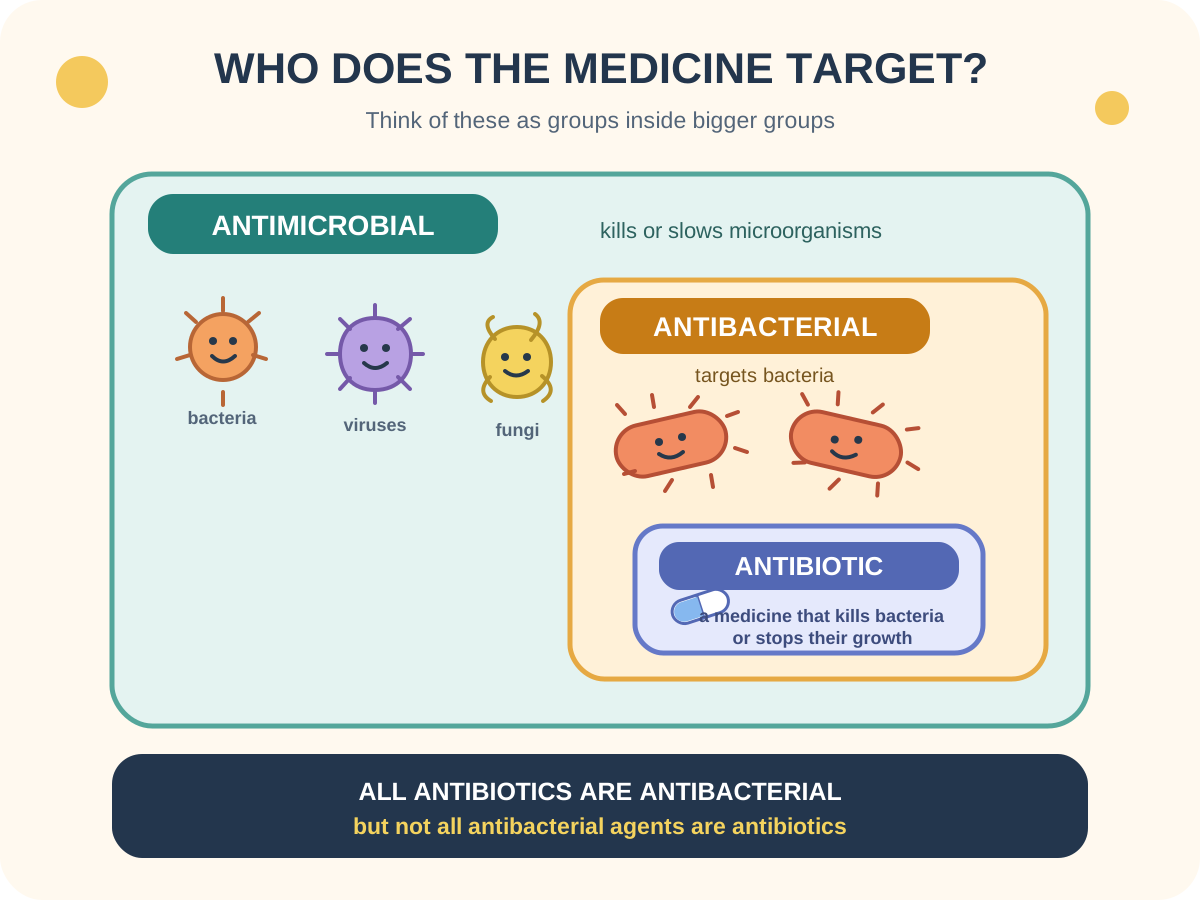
Antibacterials/Antibiotics Overview
Identify organism (culture) → Drug sensitivity (which drug) → Consider patient factors (pregnancy, age, allergies)
Indications: Bacterial infections, empiric treatment (fever in a high-risk immunocompromised patient), prevent bacterial infections in selected situations (surgery, endocarditis, UTI/STI)
Nursing education: Only treat bacterial infections, not viruses, fungal infections, colds, or the flu. Side effects: N/V, diarrhea, yeast infections, allergic reaction. All antibacterials can cause superinfections.
Narrow-Spectrum Antimicrobials: Target only a few; less disruptive; less risk of drug resistance. and superinfections (favor these)
Broad-Spectrum Antimicrobials: Target a wide variety; disrupt normal flora, increase superinfections, and promote resistance (only in emergencies).
Drug Resistance: Decreased Drug Concentration → Target Alteration: Bacteria change the antibiotic’s binding site → Alternative Enzymes → Inactivating Enzymes: Bacteria produce enzymes that destroy or inactivate the antibiotic → antibiotic can’t kill bacteria that are resistant to proliferation
Superinfection: A NEW infection during the course of treatment for a primary infection (C. diff, Candidiasis, MRSA, VRE)
Selective Toxicity: Harms microbes without harming host cells.
Gram +: Thick cell wall, no outer membrane; easier for antibiotics to penetrate
Gram -: Thin cell wall, extra outer membrane; additional barrier
Bacterial Cell Wall Synthesis: Penicillins, Cephalosporins, Carbapenems (beta-lactam ring), Vancomycin - most widely used in U.S. hospitals
Penicillins: Penicillin G, amoxicillin, clavulanate; pneumonia, respiratory infections, UTIs, STIs, otitis media. Prophylaxis: use in susceptible patients; AEs: allergic reactions, superinfections, SJS/TEN, neurotoxicity, C. diff. Cautions: Hypersensitivity (1% cross-sensitivity to cephalosporins), renal impairment, asthma, bleeding, GI, pregnancy/lactation. Interactions: Tetracyclines decrease effectiveness, aminoglycosides(give penicillin first), anticoagulants/warfarin.
Cephalosporins: Cephalexin (Keflex); “ceph-” or “cef-.”→ Respiratory infections, STIs, otitis media, sinusitis, and bone and joint infections. AEs: Hypersensitivity, cross-sensitivity. Precautions: Renal impairment (Nephrotoxicity); (urine above 30 mL/hour; creatinine, BUN, GFR); bleeding or alcohol. IM injection may be painful. The newer generations of drugs work against MORE Gram-negative bacteria
Carbapenems/Imipenem: broad-spectrum, meningitis, unknown. Not effective against MRSA. Seizures due to reduced valproate levels. Cilastatin protects imipenem from being destroyed by the dipeptidase in the kidneys
Glycopeptide/Vancomycin (not a beta-lactam): Serious bacterial infections, MRSA, S. epidermidis, C. difficile, or penicillin allergies. Systemic: give IV (parenterally); C. diff: give PO; reduce the dose for kidney impairment. AEs: Nephrotoxicity, ototoxicity, flushing syndrome (Rash, pruritus, urticaria). Precautions: renal dysfunction, hearing loss, older adults, and neonates.

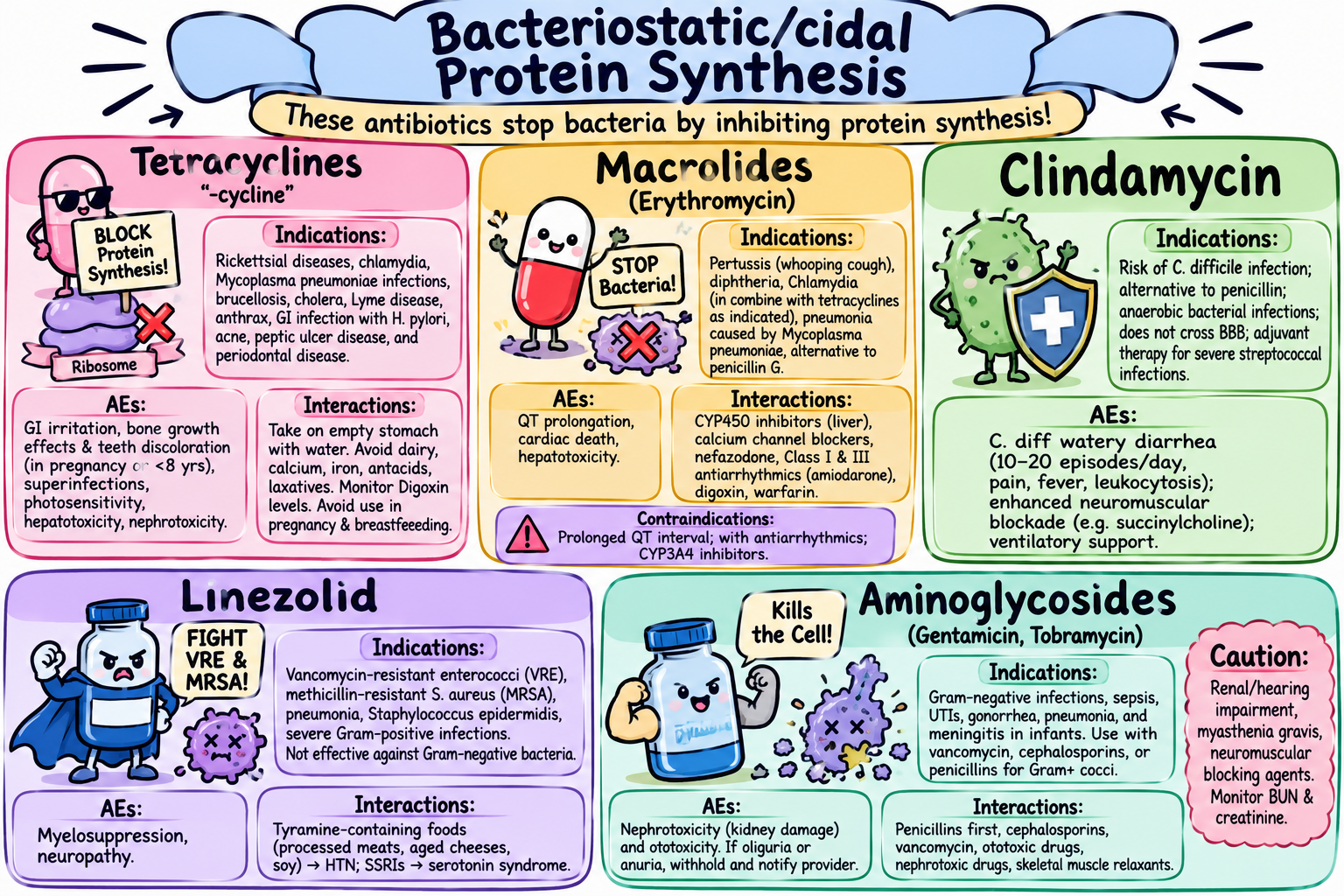
Bacteriostatic Protein Synthesis: Tetracyclines, Macrolides, Clindamycin, Linezolid
Bactericidal Protein Synthesis: Aminoglycosides
Tetracyclines: ”-cycline” Rickettsial diseases, chlamydia, Mycoplasma pneumoniae infections, Lyme disease, anthrax, acne, peptic ulcer disease, and periodontal. AEs: GI irritation, bone growth and teeth discoloration in pregnancy or in children <8 years old, superinfections, photosensitivity, hepatotoxicity, nephrotoxicity. Interactions: Empty stomach with water (throat irritation). Avoid dairy products, calcium, iron, antacids, and laxatives. Digoxin toxicity
Macrolides/Erythromycin. Pertussis (whooping cough), diphtheria, Chlamydia - combine with tetracyclines as indicated. Alternative to penicillin G. AE’s: QT prolongation, cardiac death, hepatotoxicity. Interactions: CYP450 inhibitors (liver), calcium channel blockers, nefazodone, Class I and III antiarrhythmic drugs, digoxin, warfarin.
Clindamycin. Risk of C. difficile infection; anaerobic bacterial infections; does not cross BBB; adjuvant therapy for severe streptococcal infections. AE: watery diarrhea, 10–20 episodes/day, pain, fever, leukocytosis; enhanced neuromuscular-blocking effects, such as with succinylcholine; ventilatory support available
Linezolid. Vancomycin-resistant enterococci (VRE), (MRSA), pneumonia, Staphylococcus epidermidis, severe Gram-positive infections. Not effective against Gram-negative bacteria. AE: myelosuppression/neuropathy. Tyramine-containing foods (Processed meats, aged cheeses, soy) → HTN; SSRIs serotonin syndrome
Aminoglycosides/Gentamicin/Tobramycin. Kills. Gram-negative infections, sepsis, UTIs, gonorrhea, and meningitis in infants. Combined with vancomycin, cephalosporins, or penicillins → Gram-positive cocci. AEs: Nephrotoxicity kidney damage and ototoxicity. If Oliguria or anuria develops, stop. Interactions: Penicillins give first, cephalosporins, vancomycin, ototoxic drugs, nephrotoxic drugs, and skeletal muscle relaxants. Caution: renal/hearing impairment, myasthenia gravis, neuromuscular blocking agents. Monitor BUN and creatinine
Antimetabolites(folic acid): Sulfonamides, Trimethoprim
DNA: Fluoroquinolones
Sulfonamides & Trimethoprim (hyperkalemia): chronic UTIs, STIs, burn care, and ophthalmic use. AE's: photosensitivity, SJS, hemolytic anemia, kernicterus (brain damage in newborns due to jaundice [Increased bilirubin), renal damage, hemolytic anemia in patients with G6PD deficiency, neurotoxicity. Interactions: Warfarin, phenytoin, and sulfonylureas. Precautions: pregnancy, breastfeeding, infants younger than 2 months of age. Renal impairment, folate deficiency, megaloblastic anemia; drink water
Fluoroquinolones/Ciprofloxacin: DNA. Bone, skin, joint, traveler’s diarrhea; multidrug-resistant TB. Drug of choice for anthrax; alternate parenteral antibiotics. AE’s: Restlessness, confusion, candidiasis, C. diff, tendon rupture (discontinue drug with tendon pain), phototoxicity. Older adults: confusion,psychosis. Milk, calcium, iron, zinc supplements; aluminum- magnesium-containing antacids; sucralfate reduce absorption. Warfarin. Precautions: Myasthenia gravis, people in the sun, older adults, renal impairment, glucocorticoids, transplants, <18 years old.

Photosensitivity (FST), Neurotoxicity (VASTC), C. diff risk (PCFT)
Photosensitivity: Fluoroquinolones, Sulfonamides, Tetracyclines
Neurotoxicity: Vancomycin, Aminoglycosides, Sulfonamides, Tetracyclines, Cephalosporins
C. diff: Penicillins, Clindamycin, Fluoroquinolones, Tetracyclines

CYP450 Inducers/Inhibitors
Inducers - CRAP GPS Carbamazepine Rifampin Alcohol (Chronic) Phenytoin Griseofulvin Phenobarbital Sulphonylurea | Inhibitors - CRACK AMIGOS Cimetidine Ritonavir Aminodarone Ciprofloxacin Ketoconazole Alcohol (Acute) Macrolides Isoniazide Grapefruit Juice Omeprazole Sulfonamides |
Neurotransmitters
BBB: Entry of drugs into the brain; lipid-soluble; not fully developed at birth
Peripheral Nervous System: Acetylcholine, Norepinephrine, Epinephrine
Central:
Serotonin (Mom): Stabilizing. Side effects: GI disturbances, serotonin syndrome (fatal), mental status, tremors, tachycardia, and fever.
Norepinephrine (Dad): Excitatory (gets messages moving). Side effects: Hyperhidrosis (excessive sweating), hypertension, and dizziness. Taper
Dopamine (Funcle): Excitatory + Focus, pleasure, reinforcing behaviors, converts into norepinephrine. Effects: Motor coordination, sexual/addictive. Movement, Memory, Motivation, Mood.
GABA (Grandma): Gamma-aminobutyric acid, inhibits the nervous system.
Glutamate (Cowboy): Excitatory, memory → excitotoxicity/neuronal death.
Acetylcholine (ACh): Muscarinic receptors: Parasympathetic nervous system. Binds to nicotinic receptors to stimulate skeletal muscle contraction. Stimulates the adrenal medulla to release adrenaline (epinephrine) and norepinephrine.
Status Epilepticus - Benzodiazepine: first-line treatment, ventilation, glucose
Baclofen: hyper-spasticity, spasms related to MS/spinal cord injuries, CNS depressant, drowsiness, taper, hallucinations, paranoia, intrathecal seizures, rhabdomyolysis, death, urinary retention
Cyclobenzaprine (Fexmid, Flexeril): Local muscle relaxant for spasms; drowsiness, dizziness, fatigue, sympathetic response, dry mouth, blurred vision, photophobia, urinary retention, constipation. Contraindicated with MAO inhibitors

Parkinson Disease, Levodopa/Carbidopa
Slowly progressing neurodegenerative disorder. Too little dopamine and too much ACh; relief for ADLs; dopamine can’t cross the BBB; Levodopa can (effective)
Levodopa/Carbidopa (Sinemet): Levodopa → dopamine/AHc in the brain. Combined with carbidopa (does nothing on its own). Without Carbidopa, only 2% of levodopa is available in the brain. AEs: Nausea; too much dopamine: dyskinesias/ticks (LID); too little dopamine: freezing, bradykinesia (slowness), on-off phenomenon, sudden loss of effect, hypotension, and psychosis
First-generation antipsychotics (less effective)
Nonselective MAO inhibitors (HTN)
High-protein meals (reduce therapeutic effects).
Seizure Medications: Reduce seizures
Sodium
Oxcarbazepine (Trileptal) - Focal seizures, hyponatremia, hypothyroidism, dizziness, vision problems, blood dyscrasias, teratogenic, SJS & TEN
Carbamazepine (Tegretol) - Focal seizures, bipolar disorder, pain relief, serum drug levels, SJS/TEN; Asian descent increases risk, neural teratogen, avoid grapefruit juice (increases), hematologic toxicity (CBC), CYP inducers
Phenytoin (Dilantin) - Seizures except absence, (10-20 mcg/mL), SJS/TEN increase with Asian descent (HLA-B*1502), Teratogenic, monitor serum levels, gingival hyperplasia, purple glove syndrome. Many Drug interactions, CYP inducers
GABA
Valproate (Depakote) - Epilepsy, bipolar, migraine, teratogenic in first trimester, liver failure, pancreatitis, hyperammonemia, many drug interactions, other antiepileptic drugs, carbapenem antibiotics
Phenobarbital - Drowsiness, avoid CNS depressants (hyperactivity in children), long half-life 4 days, teratogenic, oldest antiseizure, lethargy, depression, learning impairment, taper or else → status epilepticus (5+ min), CYP inducer
Gabapentin (Neurontin) - Gaba/not known, epilepsy, adjunctive therapy of focal seizures, postherpetic neuralgia, 80% written for off-label. Somnolence/drowsiness, dizziness, rare drug interactions, abuse potential
Sodium + Calcium
Lamotrigine (Lamictal) - SJS/TEN (higher risk with Valproate), suicidality
Topiramate (Topamax) - Calms/GABA/Glutamate, seizures, migraine, eating disorders, weight loss, cause: metabolic acidosis, hypohidrosis, hyperthermia, suicidality
Unknown
Levetiracetam (Keppra) - Seizures, migraines, bipolar, neuropsychiatric symptoms (agitation, anxiety, depression, psychosis), does not impair speech or concentration, asthenia, few drug interactions (not metabolized by P450)
Trial period is over (drive), monitor plasma drug levels, taper, seizure chart, lower contraceptives, but seizures while pregnant are a risk

Urinary Anti-Infective: Nitrofurantoin (Macrobid)
Lower urinary tract infections, prophylaxis, and recurrent UTI’s
Discoloration of urine, pulmonary, hemolytic anemia (G6PD), peripheral neuropathy, hepatotoxicity (liver), birth defects (38-42 weeks), Antacids decrease effect, high concentrations: -cidal

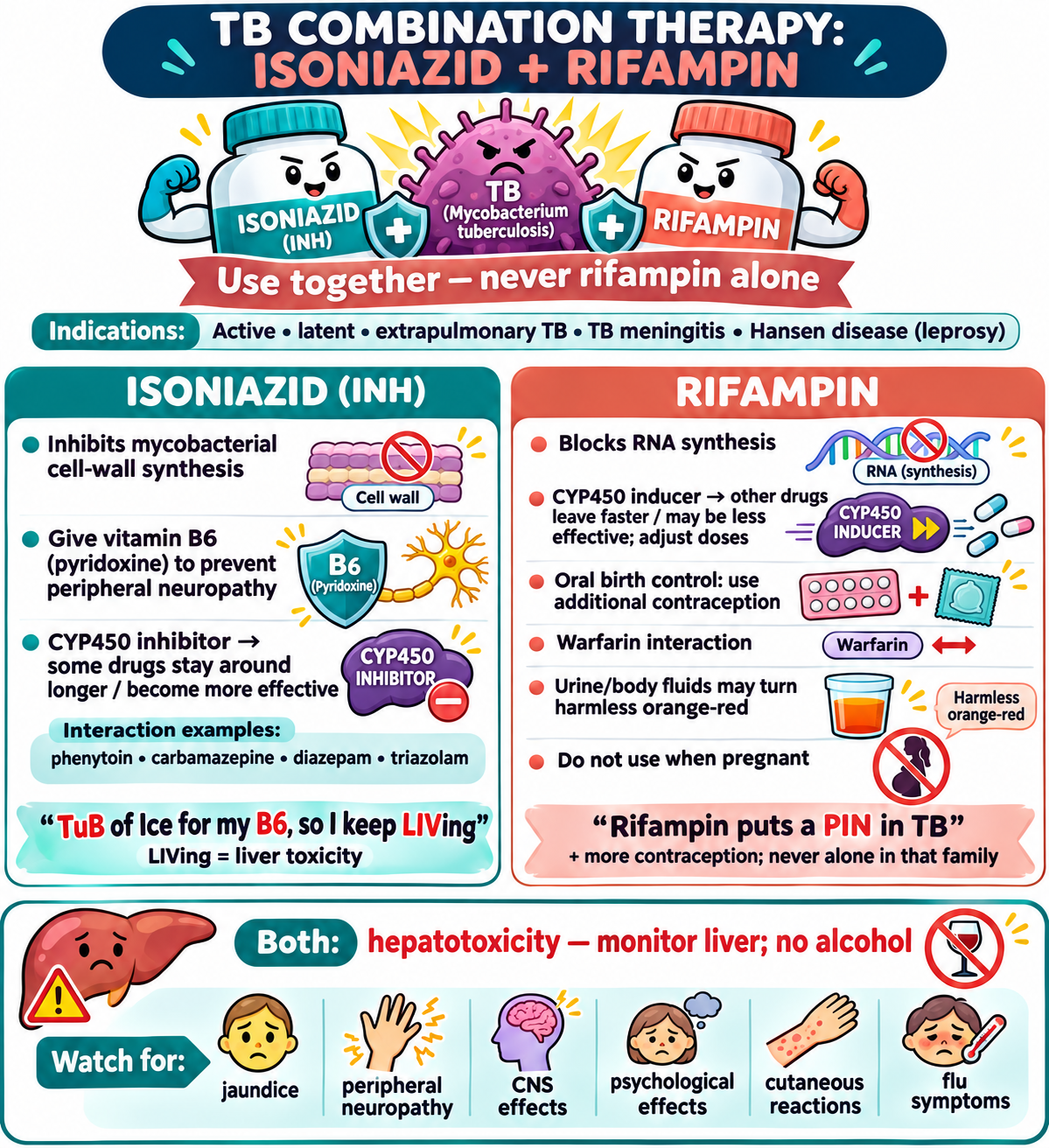
Antitubercular: Isoniazid + Rifampin for all types of TB & Hansens/Leporsy
Isoniazid: pyridoxine B6 to prevent peripheral neuropathy (blocks cell wall synthesis); CYP450 inhibitor
Rifampin: turns urine/body fluids orange-red (blocks RNA synthesis); CYP450 Inducer (only inducer), oral birth control double up, teratogenic, warfarin
AEs: Hepatotoxicity (liver, no alcohol, Jaundice, peripheral neuropathy, psychological effects, cutaneous and flu symptoms)
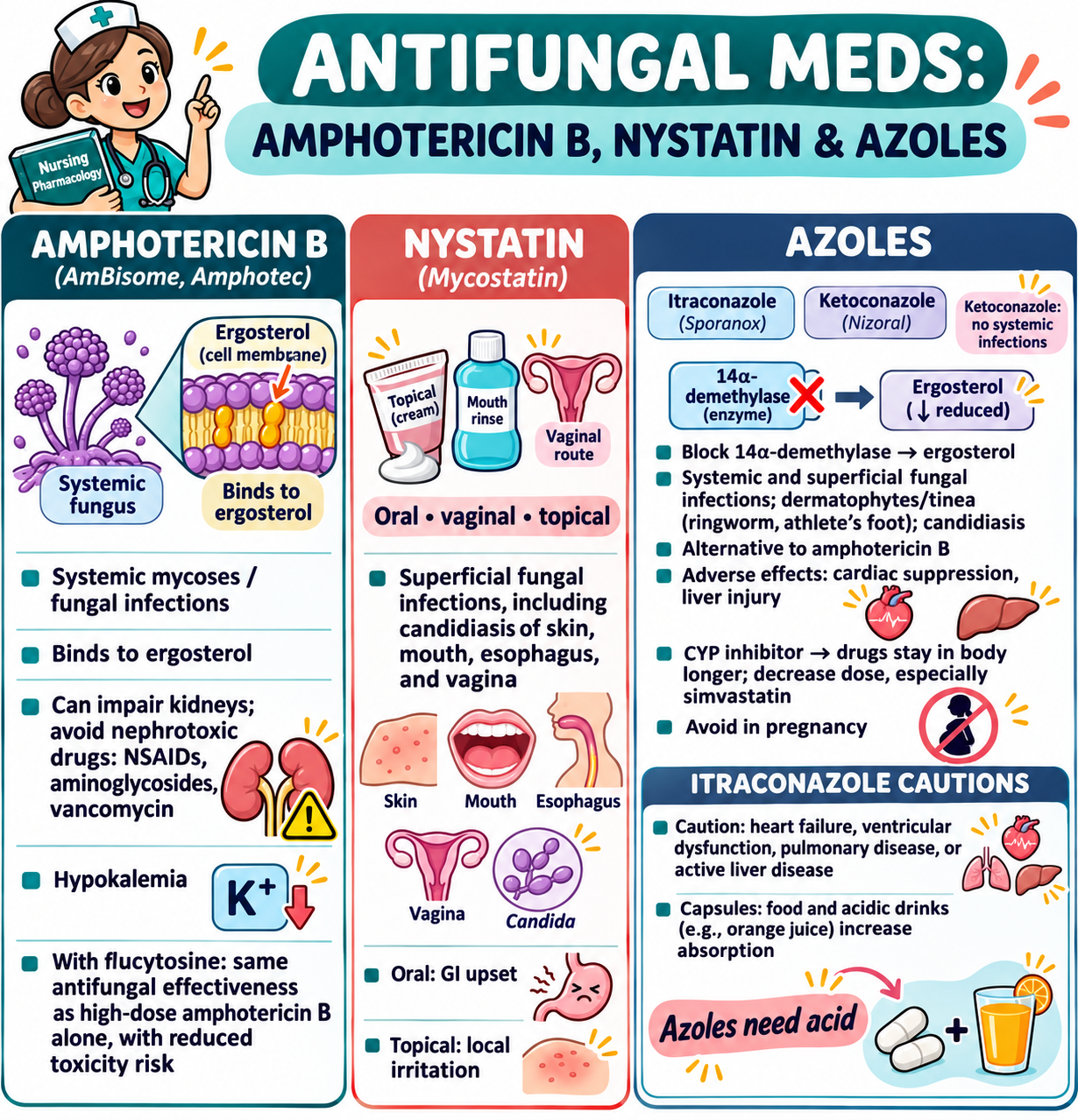
Antifungal - Amphotericin B, Nystatin, Itraconazole & Ketoconazole
Amphotericin B - Systemic mycoses infections; ergosterol; Hypokalemia + renal (kidney) impairment; avoid nephrotoxic drugs (NSAIDS, aminoglycosides, vancomycin); Amphotericin B + Flucytosine can reduce the risk of toxicity.
Nystatin - Orally, vaginal, topical. Superficial fungal infections: candidiasis, skin, mouth, esophagus, and vagina
Itraconazole (systemic and superficial; food and acidic beverages increase absorption, caution with heart, ventricular, pulmonary, or liver disease) & Ketoconazole (no systemic infections), 14α-demethylase → ergosterol; dermatophyte/tinea (ringworm, athlete’s foot), candidiasis. AEs: Cardiac suppression, liver, and teratogenic. Decrease the dose of simvastatin. CYP inhibitor
Herpes, HSV-1+2, Varicella Zoster Virus - Acyclovir (Zovirax)
Prevents viral DNA replication in mucocutaneous tissue; cytomegalovirus is resistant; stay hydrated; precaution with seizure and obesity.
Phlebitis, burn, sting, nephrotoxicity, neurologic (kidney/renal) toxicity, GI, vertigo
Genital Herpes: Does not eliminate the virus; it only decreases symptoms and promotes healing (no cure)
Oral therapy for varicella-zoster infections → 24 hours after rash onset in immunocompromised. IV therapy can cause reversible nephrotoxicity.
Antivirals, Neuraminidase Inhibitors - Oseltamivir (Tamiflu)
Prophylaxis/treatment of flu in those> 1 year old and pregnant: begin 48 hours before exposure; take for 10 days. AEs: Headache, N/V
D/C: 2 days before vaccine, 2 weeks after vaccine. Not a replacement for vaccination
HIV Nucleoside Reverse Transcriptase Inhibitors - Abacavir (Ziagen)
HIV Protease Inhibitors - Ritonavir (Norvir)
HIV retrovirus (RNA genetic material) initial phase: flu-like. Middle phase: 10 years, asymptomatic, CD4 T-cells decline. Late phase/AIDS: CD4 T-cell count <200 cells/mL
Abacavir - Add another antiretroviral drug to avoid resistance, hypersensitivity (HLA-B*5701), acidosis, hepatomegaly (large fatty liver), alcohol, lipodystrophy, Cushing, look up drug interactions
Ritonavir – Low-dose booster, HIV protease & cancer. CYP3A4 inhibitor/inducer. AEs: Metallic taste, GI, hyperglycemia, diabetes, lipodystrophy. -Statins increase risk of toxicity & muscle damage, hyperlipidemia, PR/QT interval prolongation, pancreatitis

Antiprotozoal Drugs - Metronidazole
Narrow-spectrum anaerobic protozoal antibacterial; inhibits DNA/RNA synthesis = death. Bacterial vaginosis. Avoid all alcohol products or disulfiram reaction (shaving cream, cough syrup). AEs: metallic taste/black hairy tongue, stomatitis, dark urine, insomnia, hypersensitivity, SJS, aseptic meningitis, peripheral neuropathy. Contraindications: warfarin, CYP450 inhibitors (-azole)
Antimalarial - Atovaquone/Proguanil
Travel prophylaxis: 1-2 days before travel, during, and 7 days post-trip
Exoerythrocytic (liver) phase = outside RBCs; harder to treat; erythrocytic (blood) phase = inside RBCs
Atovaquone – inhibits Plasmodium parasite DNA synthesis. Tetracycline and rifampin reduce it by 50%. GI upset, headache, fever, and insomnia.
Proguanil – Prevents folate-dependent DNA synthesis. Oral ulcers, GI upset, urticaria, scaling of the soles and palms.
Administer with food or a milk-like drink to reduce GI upset, Monitor AST and ALT.
