Carbon and Water cycle (A little bit of food webs and food chains)
 Call Kai
 Learn
 Practice Test
 Spaced Repetition
 Match
 Flashcards
 Knowt Play
1/19

Earn XP
Description and Tags
Study the carbon and water cycle!
20 Terms
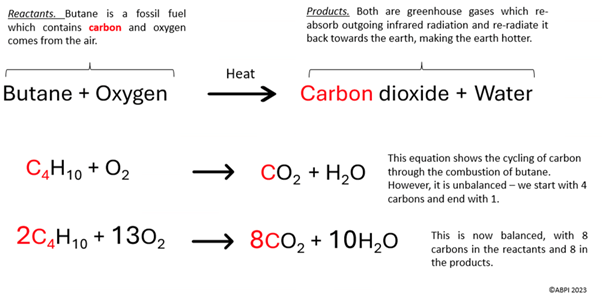
Combustation
The process of burning fossil fuels or biomass, releasing carbon dioxide and water vapor into the atmosphere while converting chemical energy into heat and light.
Photosynthesis
is the process by which green plants, algae, and some bacteria convert light energy, usually from the sun, into chemical energy stored in glucose, using carbon dioxide and water.
Evaporation
is the process by which water is transformed from a liquid to a gas or vapor, typically as it warms up due to sunlight, contributing to the water cycle.
Animal respiration
is the process by which animals inhale oxygen and exhale carbon dioxide, converting glucose into energy for cellular functions.
Mineral Carbon
Helps keep the right amount of carbon in the air, water and soil. Too much carbon in the air can be bad.

Plant respiration
Plant respiration is a biochemical process in which plants break down glucose, produced during photosynthesis
decomposion
Waste
Sublimination
Solid to vapor
Precipitation
clouds to ground
Infiltration
Water absorption

Runoff
water flow

Food web
food web, a complex network of interconnecting and overlapping food chains showing feeding relationships within a community.

Food chain
A food chain is like a line that shows who eats whom in nature, as animals and plants are linked because they eat each other (simplier way than food webs)
decomposers
break down nutrients from dead organic matter
consumers
eat other organisms
Biomass
the weight or total quantity of living organisms of one animal or plant species
Usually all animal pyramids go from bottom to top except
pyramid of numbers
Biological processes
photosynthesis, respiration,decomposition
Geological processes
releasing carbon between the earth layers
Human activity
fossil fuals,mining,etc.