Kinesiology Test 2 Study Guide (Spine/Spinal Muscles)
 Call Kai
 Learn
 Practice Test
 Spaced Repetition
 Match
 Flashcards
 Knowt Play
1/18

There's no tags or description
Looks like no tags are added yet.
19 Terms
Spinal Curves
- Lumbar
- Thoracic
- Cervical
Abnormal Spinal Curves
- Kyphosis: Excessive anterior curve
- Lordosis: Excessive posterior curve
- Scoliosis: Lateral curve
Annulus Fibrosus
Outer rim of the dense fibrocartilage
Annulus Pulposus
Central gelatinous cartilage
Herniation
Substantial weakening combines with compression. Protrusion puts pressure on spinal nerve root, causing radiating pain, tingling, numbness, and/or weakness in lower extremity. Rapture and Motor with only surgery can fix with Annulus Fibrosis weakening. (Slipped disk)
Atlas C1
The Frist Cervical Vertebra, Support the head and enable the Yes Motion
Axis C2
The Second Cervical Vertebra, responsible for rotation and pivot the head, it enables the No Motion
Erector Spinae
Extension and lateral flexion, ipsilateral rotation of spine and head
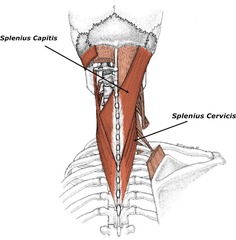
Splenus cervicus
extension and rotation of the head

Capitis
Rotation of the head
Rotatores
Rotators run from a transverse process to the lamina of a vertebra above. They stabilize the spine and assist rotation to the opposite side. Breves span one level, and longi span two.

Intertransversarii
Intertransversarii generally connect neighboring transverse processes and help bend the spine to the same side.

Interspinales
Interspinales connect neighboring spinous processes and help extend the spine.

Spinal ligaments
- Anterior Longitudinal Ligament
- Posterior Longitudinal Ligament
- Ligamentum flavum
- Interspinous and supraspinous
Intertransverse

Anterior Longitudinal Ligament
Runs along the front of the vertebral bodies and limits extension.

Posterior Longitudinal Ligament
Runs along the back of the vertebral bodies and limits flexion.

Ligamentum flavum
Connects adjacent laminae and limits flexion.

Interspinous and supraspinous
Ligaments run between the spinous processes and along their tips, respectively. Both limit flexion.

Intertransverse
Ligaments connect adjacent transverse processes and limit side-bending away from that side.
