Fetal Pig Quiz
 Call Kai
 Learn
 Practice Test
 Spaced Repetition
 Match
 Flashcards
 Knowt Play
1/23

There's no tags or description
Looks like no tags are added yet.
24 Terms

Give the structure and function
Large intestine: Serves in the absorption of water and the formation of solid waste which is passed to the rectum
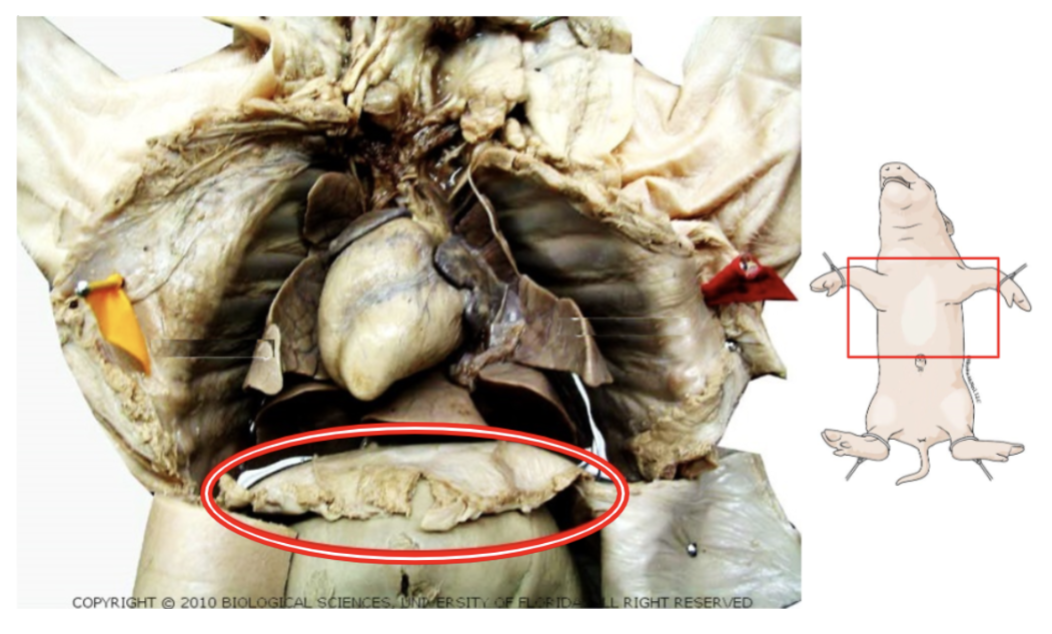
Give the structure and function
Diaphragm: Contracts to create the negative pressure needed for inhalation of air

Give the structure and function
Small intestine: Serves in digestion and the absorption of nutrients from food

Give the structure and function
Liver: Secretes bile and serves in the metabolism of proteins, carbohydrates, and fats

Give the structure and function
Stomach: Serves as storage for food and is involved in the chemical and physical breakdown of food

Kidneys: Extract waste from the bloodstream for excretion

Heart: Serves as the pump of the circulatory system

Lungs: Extract oxygen from the air and expel carbon dioxide

Thoracic cavity: Body cavity that contains everything above the diaphragm (heart and lungs)
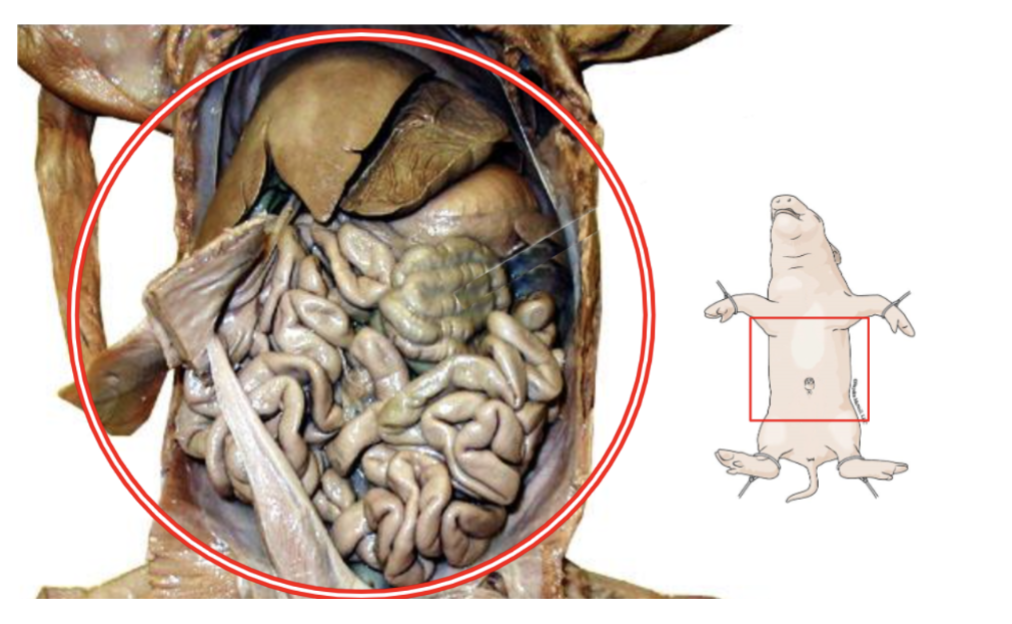
Abdominal cavity: Body cavity that contains everything below the diaphragm

Gall bladder: Stores bile and releases it to the small intestine

Pancreas: Produces and excretes digestive enzymes into the small intestine
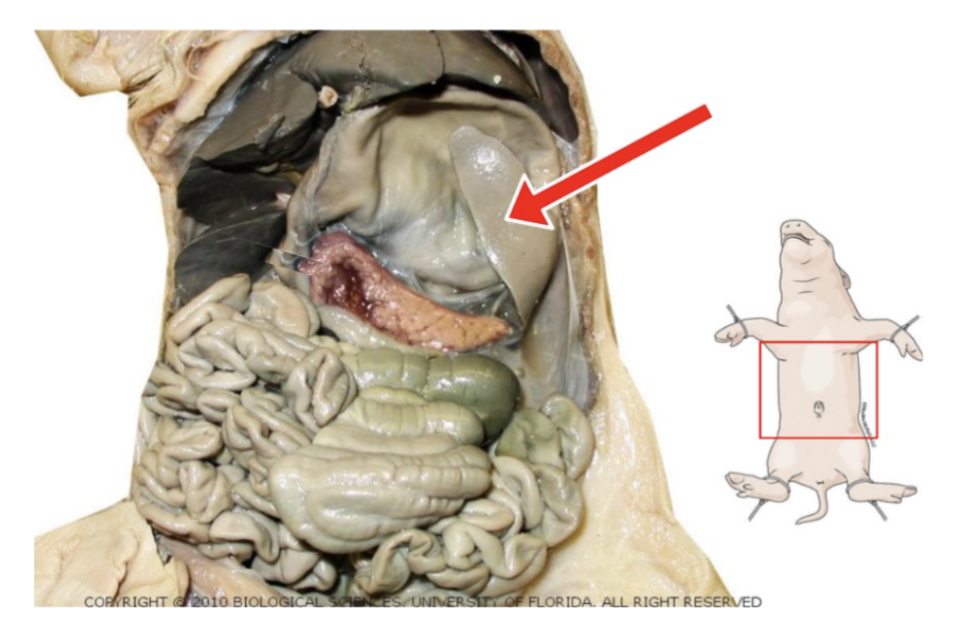
Spleen: Serves to filter out and destroy dead red blood cells

Urinary bladder: Serves as storage for liquid waste from the excretory system
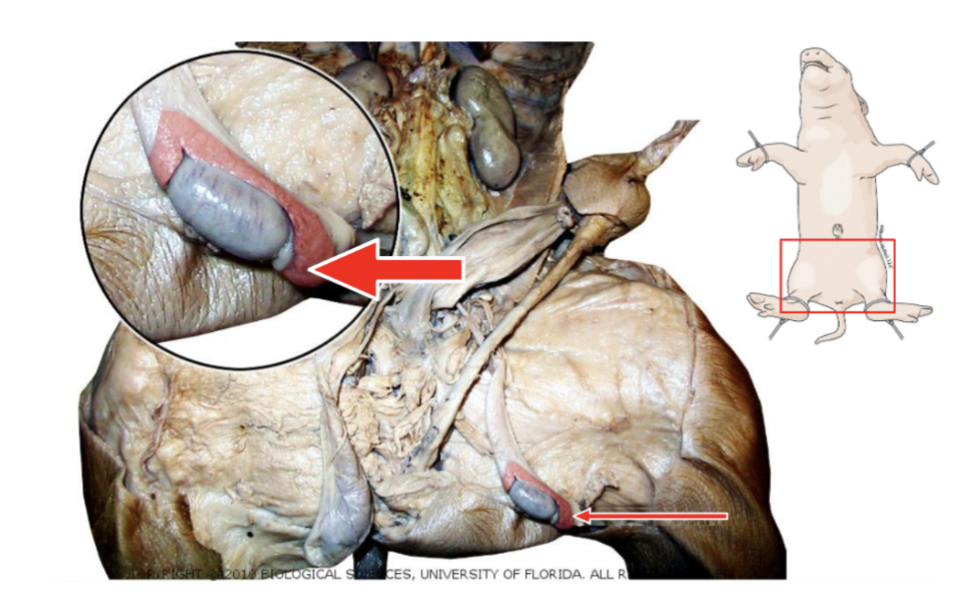
Epididymus: Stores sperm as they mature
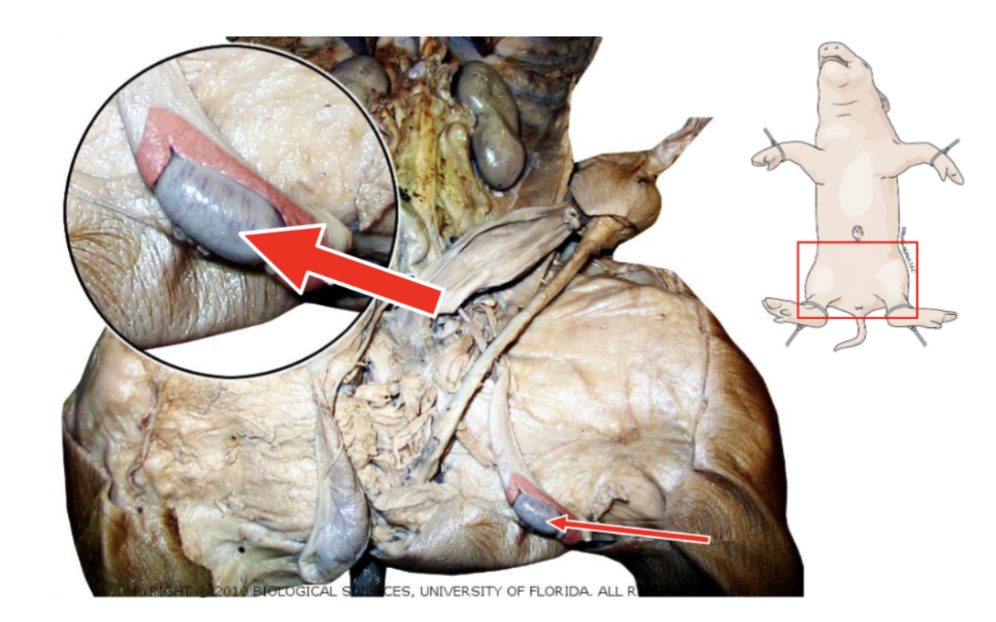
Testes: Produces sperm and hormones like testosterone

Ovary: Contains eggs and produces hormones like estrogen and progesterone
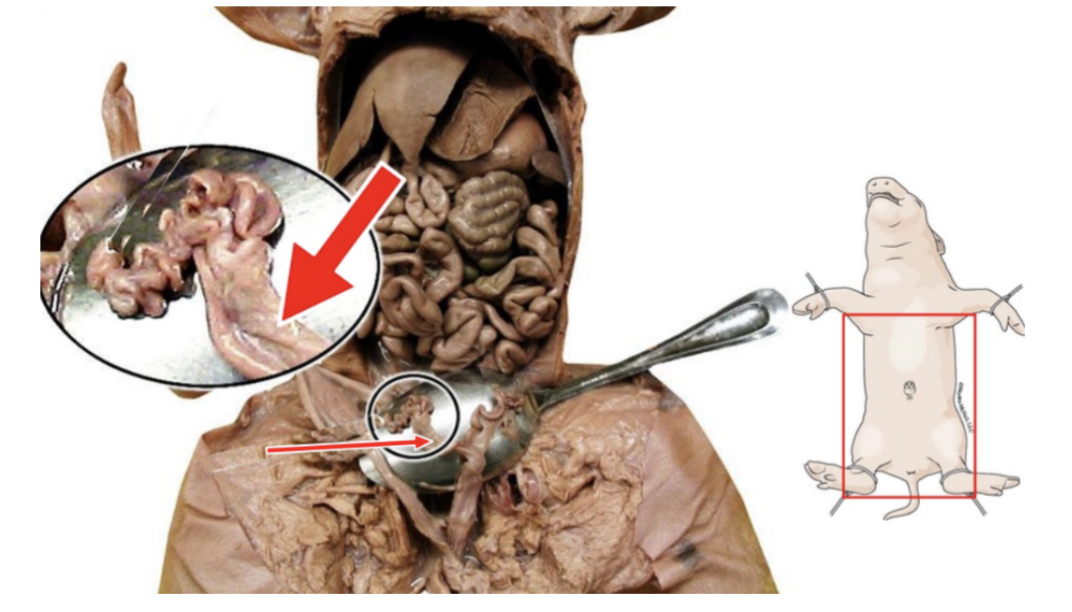
Uterus: Serves as the location where eggs implant and develop into a fetus

Left ventricle: Pumps oxygenated blood through the aorta and out into the body
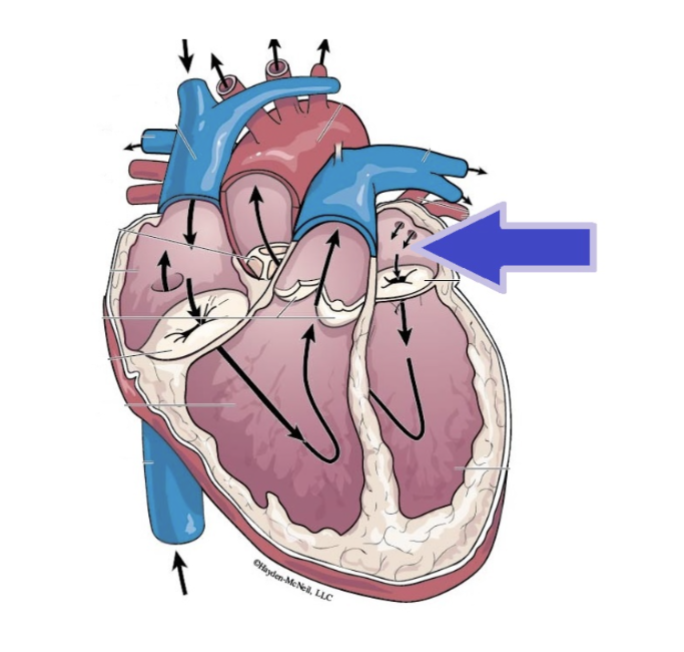
Left atrium: Receives oxygenated blood from the lungs

Right atrium: Receives deoxygenated blood from the body
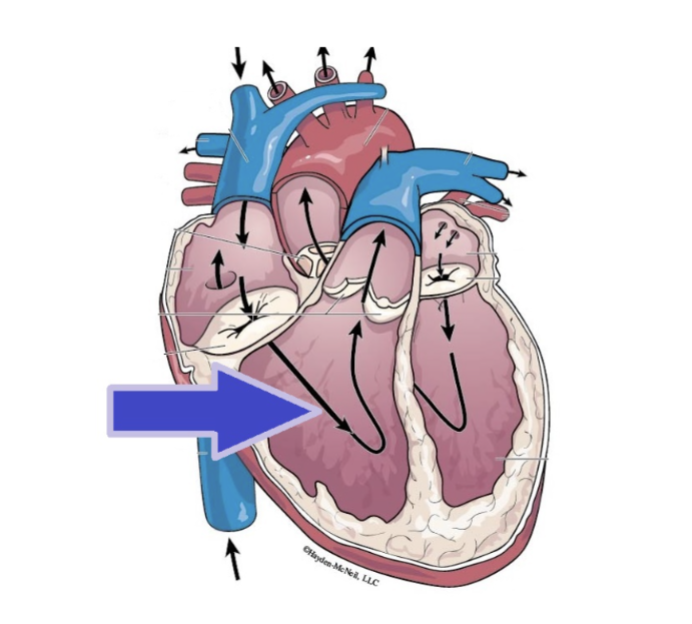
Right ventricle: Pumps deoxygenated blood to the lungs
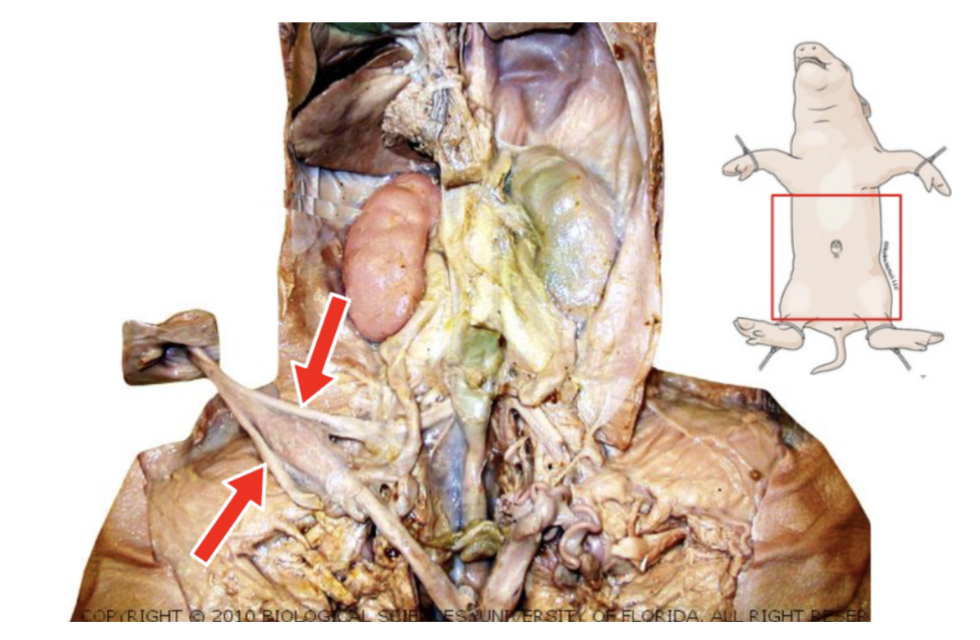
Umbilical arteries: Carry deoxygenated blood from the fetus to the placenta
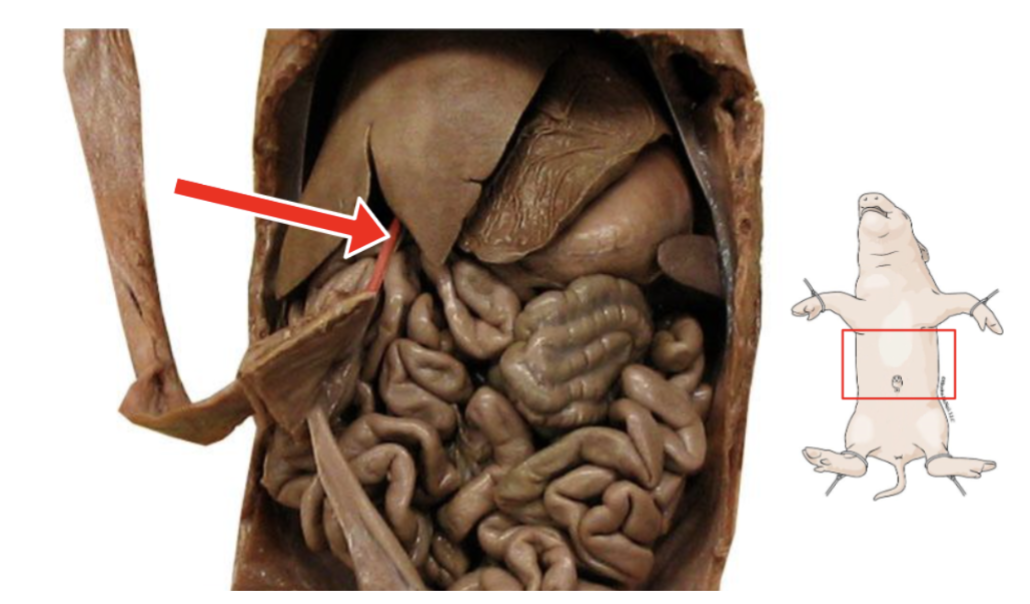
Umbilical vein: Carries oxygenated blood from the placenta to the fetus