BSCI331 - Cell Biology & Physiology - Exam 1
 Call Kai
 Learn
 Practice Test
 Spaced Repetition
 Match
 Flashcards
 Knowt Play
1/173

There's no tags or description
Looks like no tags are added yet.
174 Terms
What are the fundamentals of cell biology?
chemical components and reactions that govern:
cell structure
nutrient/energy assimilation
process by which an organism takes in and incorporates nutrients into its body for growth, maintenance, and function
What are some macromolecular assemblies (proteins, lipids, and nucleic acids) and interactions that allow cells to perform life-supporting tasks?
storage, processing, and propagation of genetic information
molecular transport
communication with the external environment
What are some common threads between species?
growth and reproduction
communication with the environment
acquisition and assimilation of energy
homeostasis
What is the cell theory?
Cells are the functional units of life
All living organisms are composed of cells
Why study cells to begin with?
All diseases are disturbances at the cellular level.
What are the 8 common features of all cells? (KNOW THIS RAW)
Cells are highly complex and organized
Cells possess a genetic program
Cells are capable of producing more of themselves
Cells are biochemical factories that constantly acquire and utilize energy
Cells engage in mechanical activities
Cells are able to respond to stimuli
Cells are capable of self regulation
Evolution first happens at the level of molecules and cells
Biology is a counter point between the two themes of astonishing ______ in individual particulars and astonishing _______ and fundamental mechanisms.
variety, constancy
How are model organisms chosen? Like what criteria should they meet?
The genome has been sequenced
Site-directed and tissue-specific mutagenesis is possible
meaning that it is possible to introduce controlled mutations into such an organism or cell
Expression of multiple genes can be tracked across many cells simultaneously
The developmental sequence is known
What are some examples of model organisms?
Yeast (S. cerevisiae, S. pombe) - a minimal eukaryote
Arabidopsis thaliana (Common Thale Cress)
C. elegans - a nematode worm
Mouse (Mus musculus)
The Big Picture
Cell biologists need techniques for visualizing individual cells, but the ____ size and ________ of cells make this challenging
Light microscopy can image large-scale cellular structures, but _________ is limited. Chemical stains and fluorescent molecules provide _______ and sensitivity.
Electron microscopy allows much higher _______ than light microscopy, but requires special preservation and staining techniques
Flow cytometry uses fluorescent labels to measure levels of specific biomolecules and ions, and to sort cells based on expression levels
small, transparency, resolution, contrast, resolution
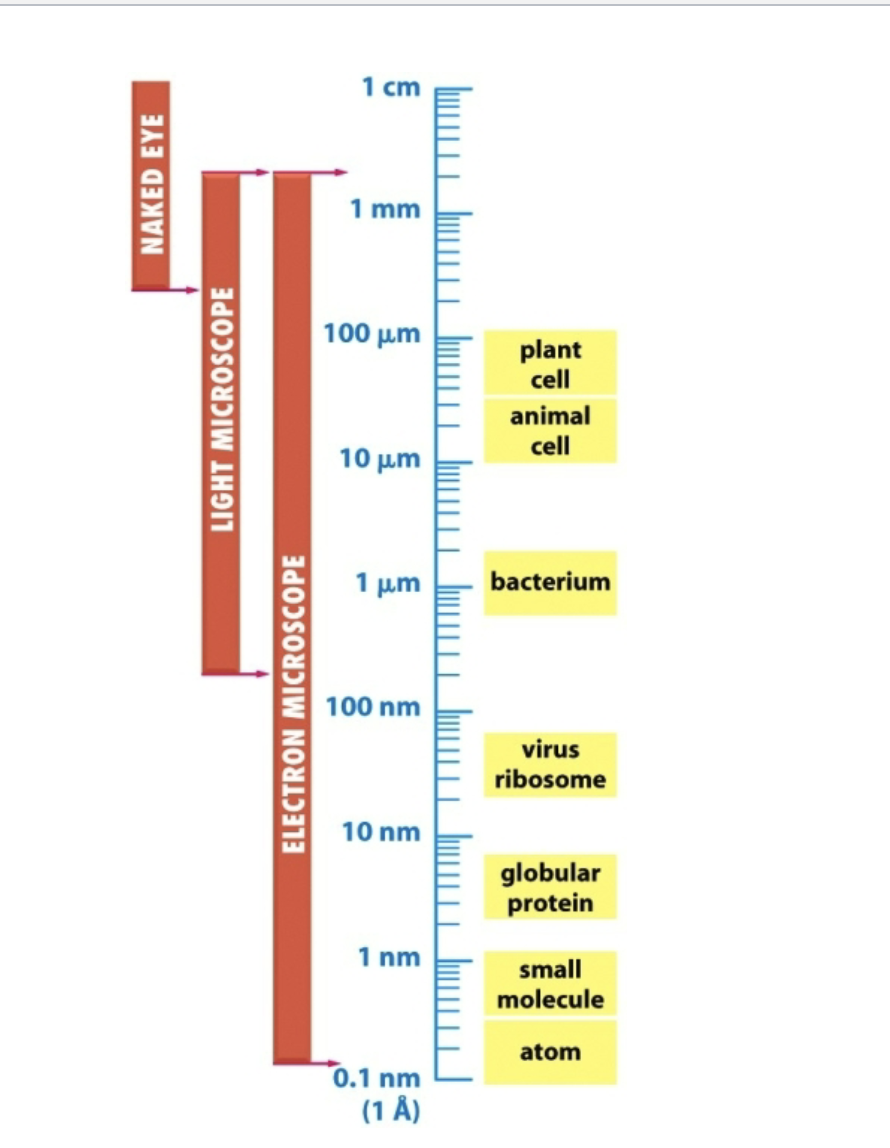
Have a general idea of the scaling here. Know about the ranges and what can be seen at each range.
N/A
Visualizing Cells
Many techniques are used to study cells, but visualizing ____ and _______ compartments is central to cell biology
Cellular structures (and most animal cells) are too _____ to see with the naked eye and must be ________ for study.
Highly quality light microscopes developed in 19th centry allowed visualization of cells and allowed Schleiden and Schwann to propose the ____ ______
Developments over the past 200 years have increased the power and sensitivity of light microscopy
cells, subcellular, small, magnified, Cell Theory
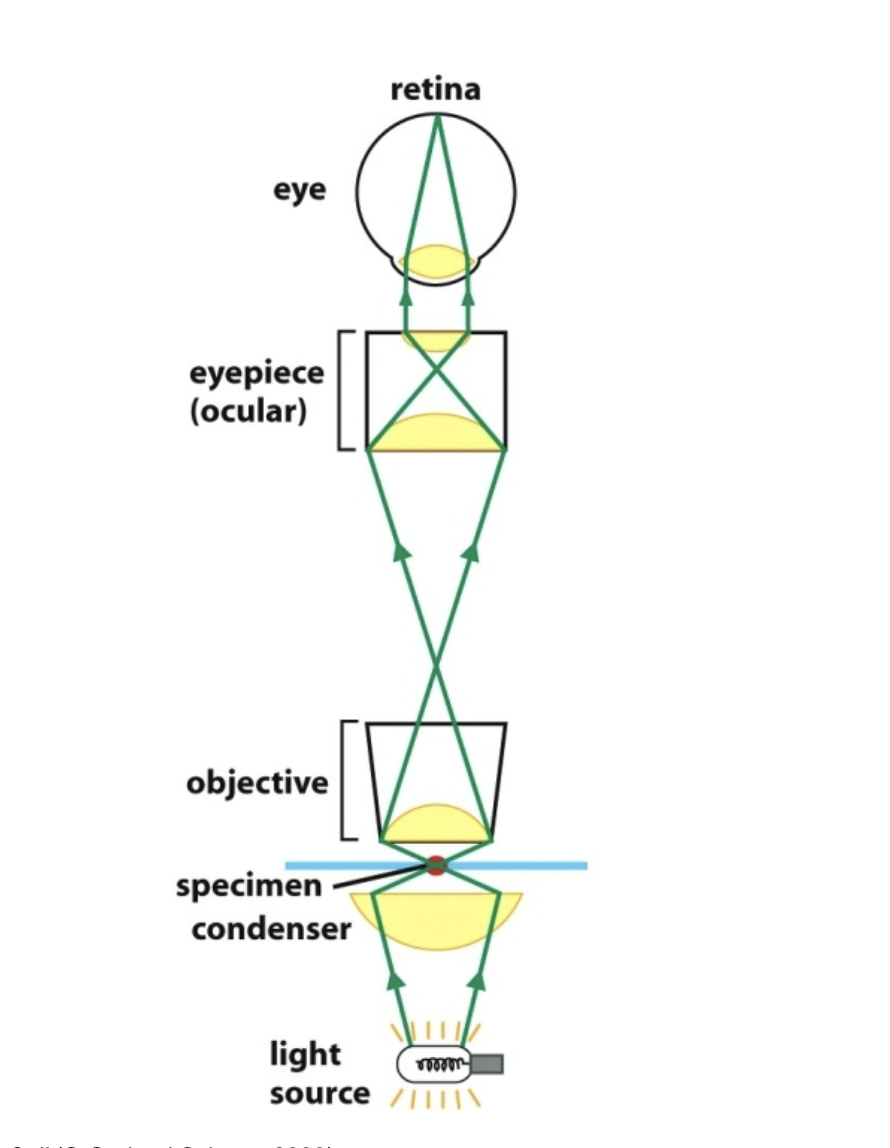
Have a genearl idea of this and how it works.
N/A
What is resolution?
The ability to distinguish two objects that are close to each other
Light Microscopy Drawbacks
Light microscopy is limited in _______. The practical limit of resolution in light microscopy is ~___ um.
Typical animal cell is __-__ um in diameter. Mitochondria (~___ um) are generally the smallest organelles that can be clearly seen by light microscopy
Important to distinguish resolution from magnification (we can magnify an image as much as we want, but it may be blurry) or detection (an item smaller than ___ um can be detected if it emits light).
resolution, 0.2, 10, 20, 0.5, 0.2
What sets the limit of resolution for microscopy?
A. The wavelength of the light
B. The size of the lens
C. Both
D. Neither
E. I have no idea - that is physics, not biology
C, both
How do you see a tiny bag of (mostly) water?
Animal cells are essentially _________ and ________, and nearly invisible under light microscopy, so how do we get past this problem?
Phase-contrast and differential-interference-contrast (DIC, aka Nomarski optics) microscopy use the change in phase of _____ _____ as they pass through a cell: visualization of live, unmanipulated cells, but with limited details
Lights travel at different speeds through dense vs. less dense material
This causes a phase shift in the light waves (the wave is delayed or advanced)
The phase shifts are converted into visible contrast in the image
colorless, translucent, light waves

For your visual reference :)
N/A
Staining with chemical dyes can reveal details of cells, but generally requires fixation which _____ and ________ cells.
Tissue samples are too large to be visualized by most microscopy techniques, and must be cut into thin ________.
kills, preserves, sections
Kidney tubule cells are commonly stained with _________ and ______, a commonly used dye combination
hematoxylin, eosin
Fluorescence Microscopy
Chemical dyes produce color by _________ specific wavelengths of light. _________ molecules absorb light at one wavelength and ____ light of a longer wavelength.
Using specific _______, a cell can be illuminated with light of one color, and visualized at the fluorescence wavelength
Allows detection of very small numbers of fluorescent molecules, since they are viewed against a ____ background
Fluorescent stains can be introduced by various methods: _______ dyes; fluorescent molecules attached to __________; or intrinsically fluorescent ________ (GFP and its variants) expressed by the cell itself.
absorbing, fluorescent, emit, filters, dark, chemical, antibodies, proteins

Understand the bare bones of this
N/A

An application of fluorescent microscopy where you can measure changes in protein location over time.
N/A
What does GFP expressed in specific neurons in fruit fly embryo highlight?
neural connections in live animal
Confocal Microscopy
Fluorescence microscopy is limited by fluorescence coming from __-__-______ parts of cells
Confocal microscopy uses a scanning _____ and _______ apertures to limit detection to the focal plane - creation of an optical section with much better resolution
By taking images from various focal planes (“z-sections”) a 3D image of the sample can be ___________.
out of focus, laser, pinhole, reconstructed

Visual of confocal microscopy
N/A

How confocal looks compared to conventional microscopy
N/A
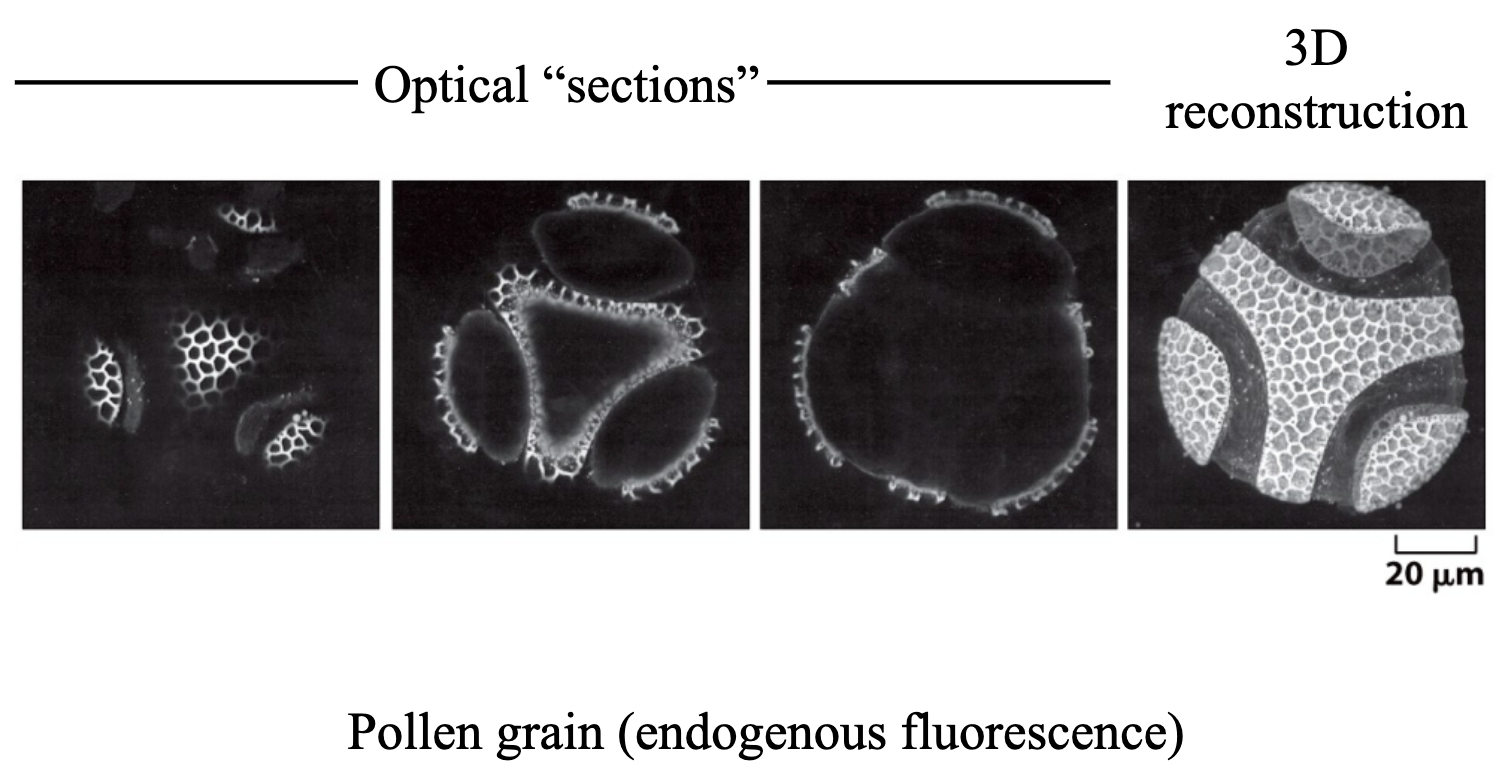
How the optical sections look like compared to the 3D Reconstruction
N/A
Some other cool fluorescence microscopy techniques
FRET (fluorescence resonance energy transfer) uses two fluorescent proteins where the excitation energy of the second matches the emission of the first. If (and only if) the 2 are very close together, exciting protein 1 will allow protein 2 to fluoresce.
2-photon microscopy uses 2 separate long-wave photons of light, instead of one short-wave photon, to excite the fluorophore. This allows much deeper penetration into a sample without sectioning (aka “vital microscopy”)
N/A
Electron Microscopy
A focused beam of ______ replaces light. Resolution more than ___x that of light microscopy can be achieved
Vacuum is required, so special techniques required. Cells must be _____ (glutaraldehyde, osmium tetroxide), and often desiccated, and then ______ into ultra-thin ________.
Cells are mostly transparent to electrons, so _______-_____ materials are used to stain cells. Can also use gold-tagged antibodies to mark specific proteins/structures
Scanning electron microscopy (SEM) images the _______ _______ (staining, but no sectioning); transmission electron microscopy (TEM) images ________ _________
TEM tends to be preferred over SEM
electrons, 200, fixed, sliced, sections, electron dense, outside surface, internal structures
Why does an electron beam give more resolution than light?
A. The wavelength of an electron is much smaller than the wavelength of a photon
B. Electrons are matter, not energy, so they are intrinsically different from photons
C. Isn’t this physics again? I thought this was a biology course!
A, this is because resolution depends on the wavelength of the probing particle/radiation
the smaller the wavelength, the smaller the details you can distinguish

Visual reference of what an electron microscope looks like and how it functions
N/A

For your reference :))
N/A
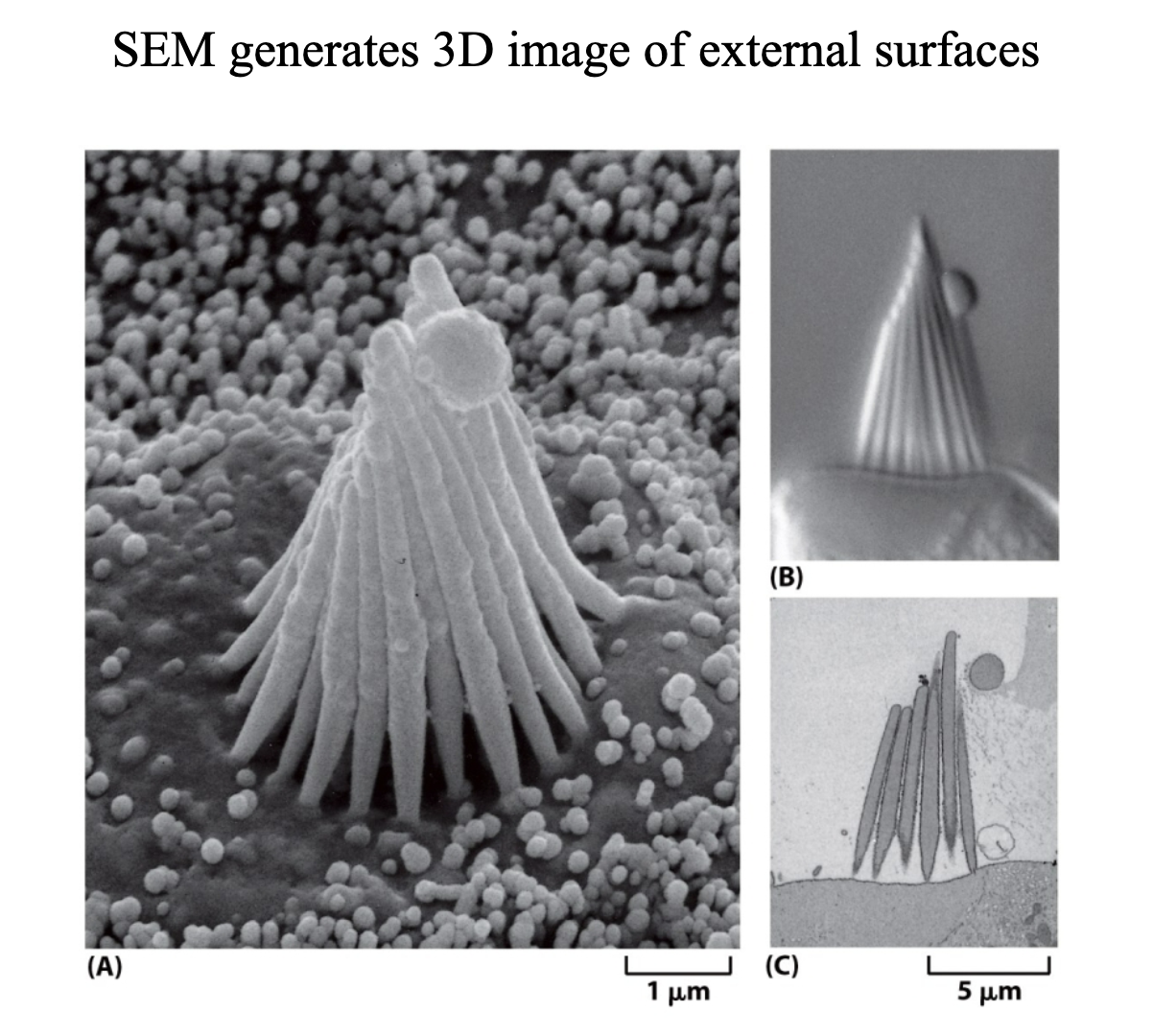
For your reference :))
N/A

What do you know, another thing to reference!!!
N/A

you know the drill atp lol
N/A
Flow Cytometry
Live cells are analyzed in real-time in an _______ stream as they pass through a _____
Computer can collect ___________ data (color, intensity), as well as laser scatter (reflecting ____, _____, and _______ __________)
Can be coupled with a ____ _______ to allow cells to be separated based on fluorescence and scatter properties
aqueous, laser, fluorescence, size, shape, internal architecture, cell sorter
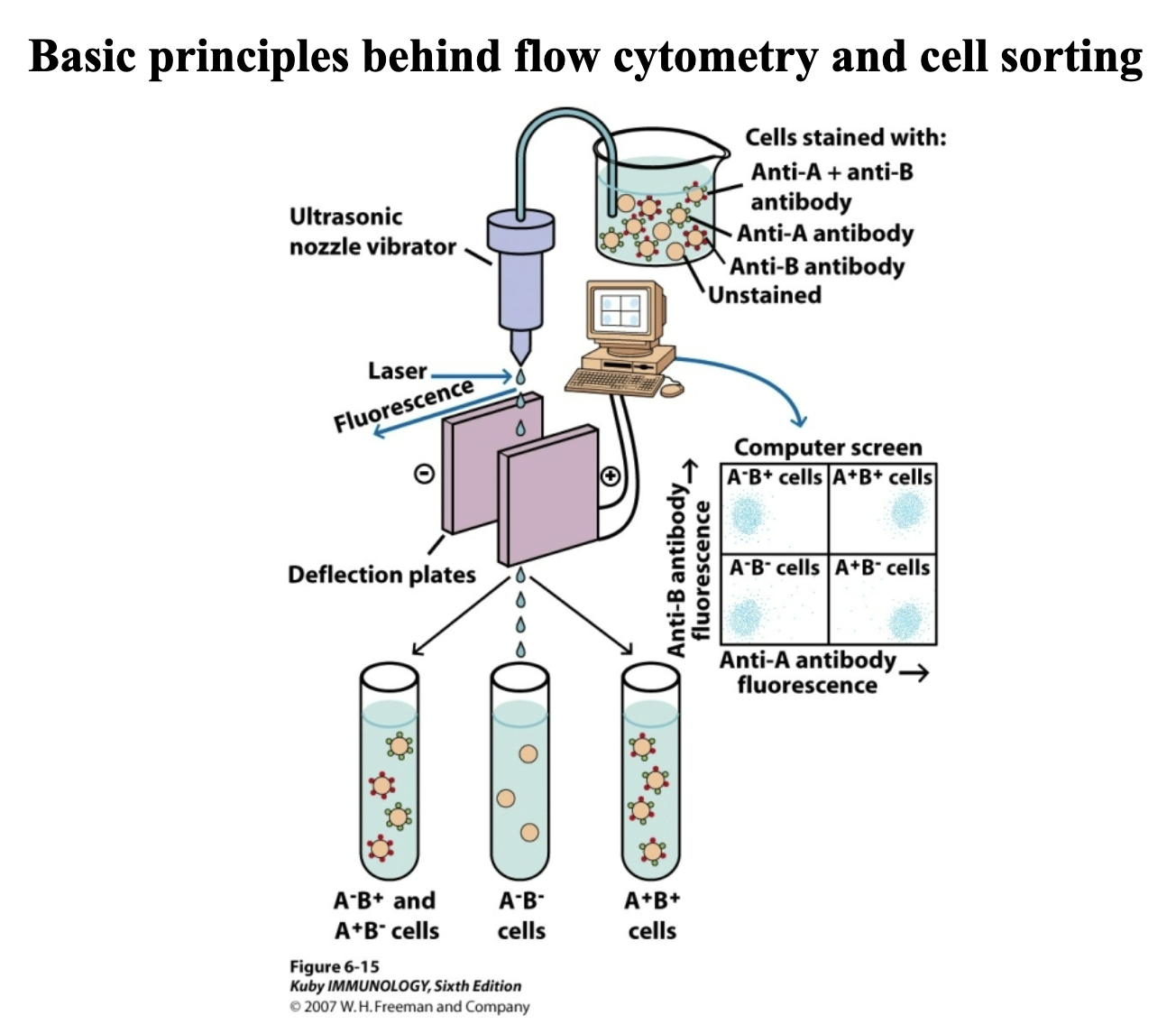
fyr (abbrev.)
N/A

fo yo reference (what typical data from flow cytometry looks like)
N/A

fyr
N/A
The Big Picture
- Cells are made from a distinctive and restricted set of small ______-based molecules that are fundamentally the ____ for all living species
- The major molecules that provide structure and function to a cell are ________ of the small subunit molecules (called ________)
- Carbohydrates are made up of _____ ________ and serve as energy _______ and __________ support for cells
- Lipids are composed of _____ _____, usually linked to _______. They serve as energy _______, and can also assemble into _________
- Proteins are made up of _____ _____ and perform most cellular functions
- Nucleic acids are built from __________ monomers. They are the units of ___________ storage, and also short-term ______ storage
- Cells are able to build order (reduce _______), but must expend energy to do so
carbon, same, polymers, monomers, sugar monomers, storage, structural, fatty acids, glycerol, storage, membranes, amino acids, nucleotide, information, energy, entropy
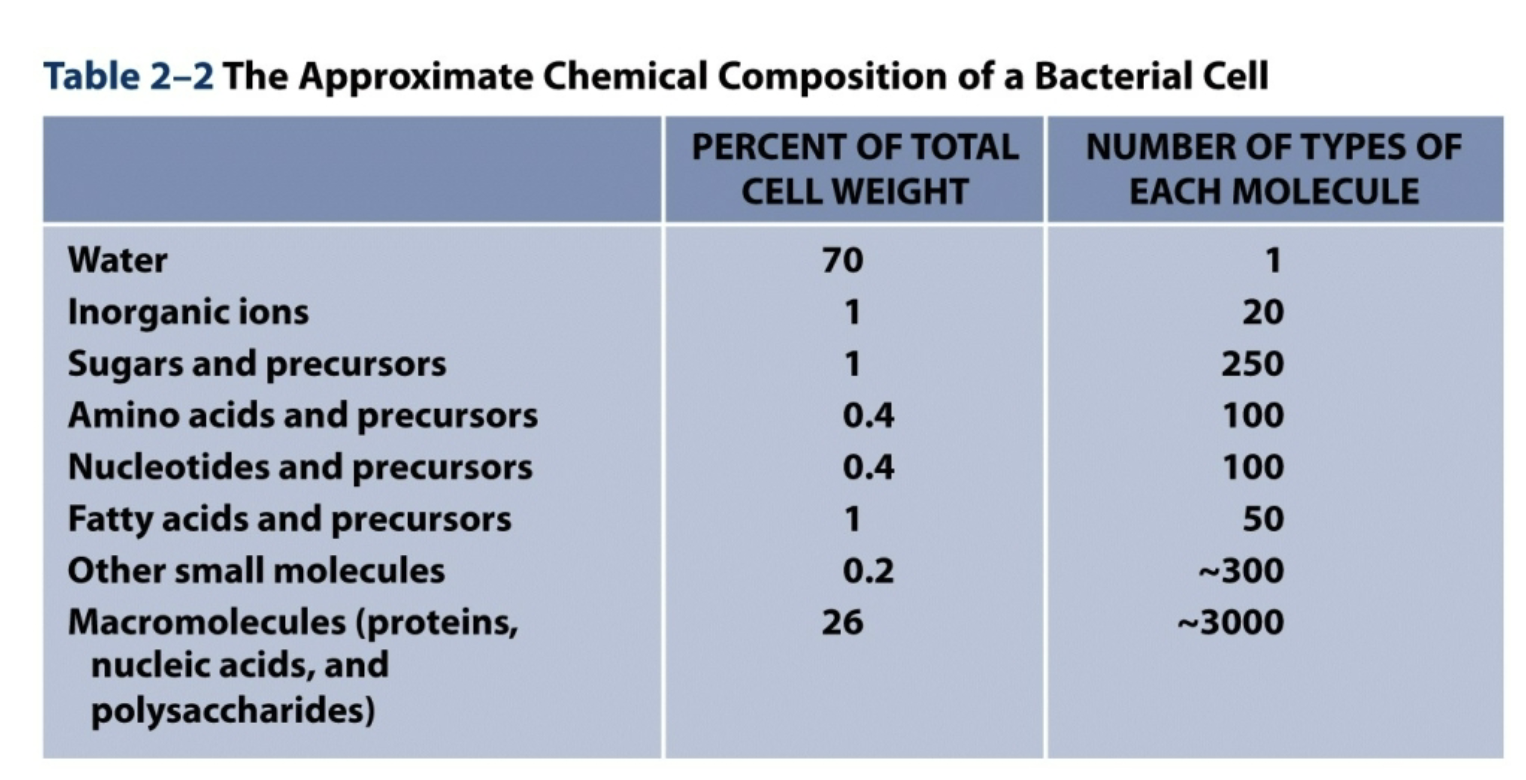
fyr - just keep in mind how substantial water is as well as the fact that macromolecules are what allow for such diversity of life
N/A

also fyr
N/A

fyr - a more visual way to recount the building blocks vs. larger units
N/A
Monomers are linked together to form polymers via ________ reactions.
Specifically __________ reactions (because a water molecule is formed in the process)
condensation, dehydration
What are some bonds that are created as a result of condensation reactions?
glycosidic bonds, peptide bonds, phosphodiester bonds
All dehydration reactions are condensation reactions, but is the opposite true?
no
What are some key characteristics of carbohydrates?
they are energy sources, provide structural support, and they make great binding surfaces (they are well-suited to being recognized and grabbed onto by other molecules)
In particular, the orientation of the -OH group matters quite a lot

What are some chemical features of carbohydrates? What is their chemical nature?
Some chemical features of carbohydrates are that they can be both a linear chain and a ring, and they have several -OH groups.
Their chemical nature is highly polar

What are some of the conventions of describing sugar linkages?
The carbons in the ring are numbered clockwise from the oxygen in the ring
The positions of the OH groups attached to each carbon in the ring are described as being either
UP (above the plane of the ring) = Beta
DOWN (below the plane of the ring) = Alpha
Linkages are made from ____ to _______.
left, right
What does the fact that a sugar molecule has multiple OH groups located at various positions throughout the structure allow for?
the capability of forming a vast array of branched polysaccharide structures
Starch and glucose are both polymers made up of glucose subunits. Why are we able to digest starch but not cellulose?
A) Because starch is an energy storage molecule, but cellulose is a structural molecule
B) We have enzymes that digest the alpha linkages of starch, but not the beta linkages of cellulose
C) Trick question - we can actually digest both!
B - the difference comes from how the actual glucose is connected to one another

What are some chemical features of lipids? What is their chemical nature?
hydrophobic membrane barriers, energy source, hydrocarbon chains with polar COOH at one end
Their chemical nature is amphipathic
What makes lipids hydrophobic?
the lack of polar groups
Double bonds affect the properties of lipids, but NOT their…
polarities
What does amphipathic/amphiphilic mean?
Describes a molecule that has both a hydrophobic and a hydrophilic region
An example of this is a phospholipid; this dual nature of lipids is what allows cell membranes to exist

For your reference; know the general structure of a phospholipid
N/A
What is phosphatiydlcholine?
Technically a phospholipid, but the most abundant in most eukaryotic cell membranes, often making up 40-50% of the membrane
What are gangliosides?
another class of lipids similar to phospholipids, but the phosphate/polar head group is replaced by a carbohydrate (also found at the surface of the cell)
What is special about the GM2 ganglioside?
It is found in small amounts in the plasma membrane and is involved in cell-cell communication and neuronal plasticity (learning, etc.)
Tay-Sachs Disease: A Case of Lipid Storage
A mutation in the enzyme B-hexosaminidase A prevents cells from properly metabolizing GM2, causing it to accumulate to abnormally ____ levels in brain neurons
The result is a _______ disorder, Tay-Sachs disease
Symptoms generally begin around the age of 6 months. Neurodegeneration in the CNS leads to blindness, deafness, paralysis, cognitive defects, and eventually death by the age of 4 years old
No current therapy or cure, but gene therapy is being studied to correct the mutation. Otherwise, the only option is genetic screening of parents (especially Jews of Eastern European descent, French Canadians, and Cajun population in Louisiana)
high, genetic

What are some chemical features of amino acids? What is their chemical nature?
Their chemical features are that they are building blocks of proteins, they can be metabolized for energy, have a uniform chemical structure with directionality (amino terminus —- carboxyl terminus) and side (R) group variability
Their chemical nature varies by R group

What is a common property amongst these side chains?
they are nonpolar

What is a common property amongst these side chains?
they are polar
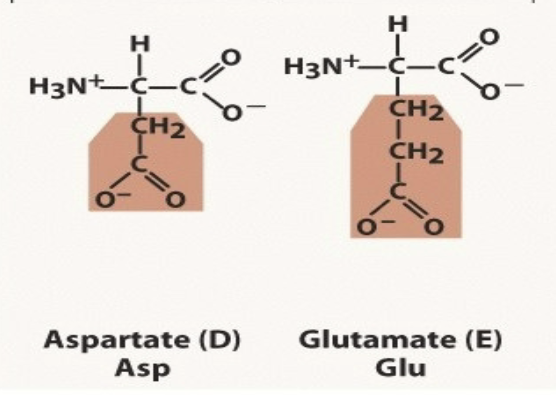
What is a common property amongst these side chains?
they are negatively electrically charged and acidic
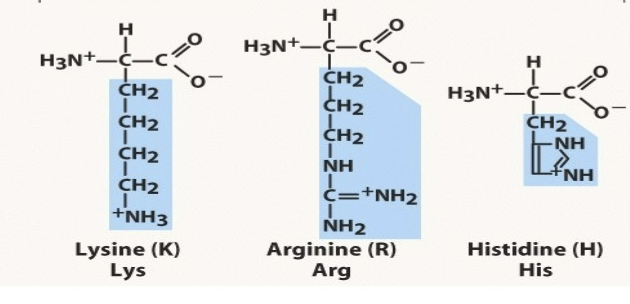
What is a common property amongst these side chains?
they are positively electrically charged and basic
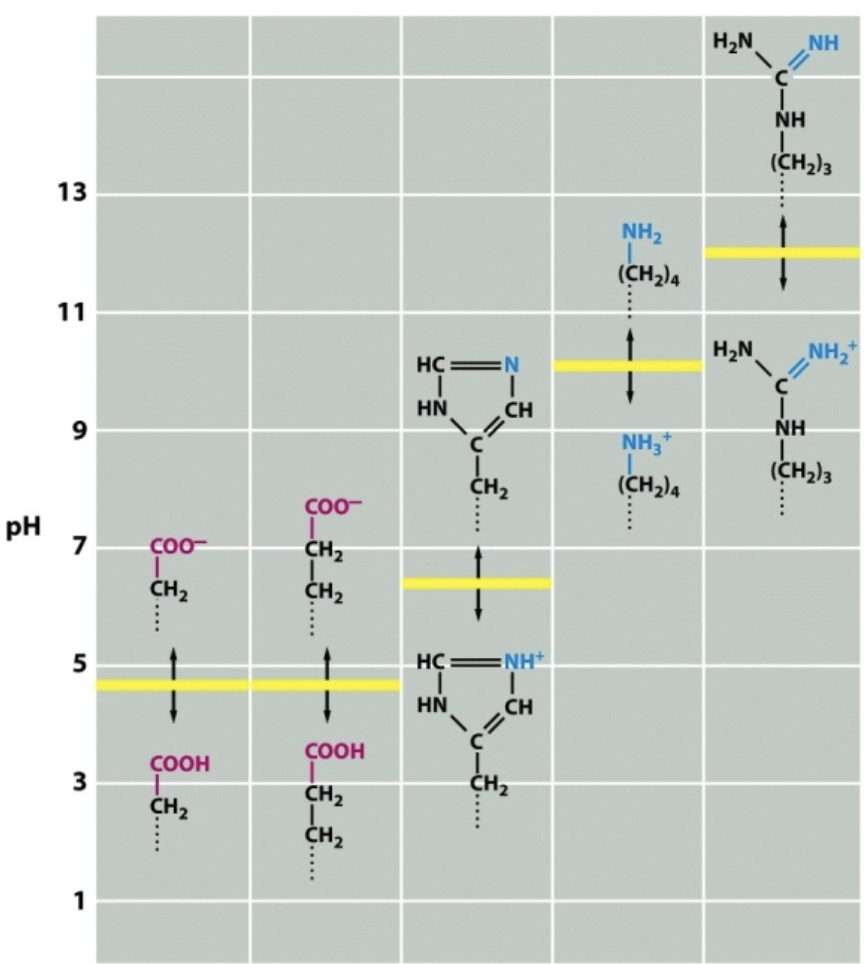
What are the 5 naturally occurring amino acid side chains that readily ionize at neutral pH?
aspartic acid, glutamic acid, histidine, lysine, arginine
What are the acidic amino acids that readily ionize at neutral pH?
aspartic acid/aspartate
glutamic acid/glutamate
What are the basic amino acids that readily ionize at neutral pH?
histidine, lysine, arginine
What is special about histidine specifically?
can do acid/base chemistry easily because of its pKa being very close to 7 (has a pKa of ~6.5)
What is pK?
pH at which ½ of all molecules of an ionizable substance are charged

What are some chemical features of nucelotides? What is their chemical nature?
Some chemical features of nucleotides are that they are the building blocks of nucleic acids, they are short term energy charriers, have a uniform chemical structure with some side gropu variability (nitrogenous base component)
- Their chemical nature is that they are polar and charged
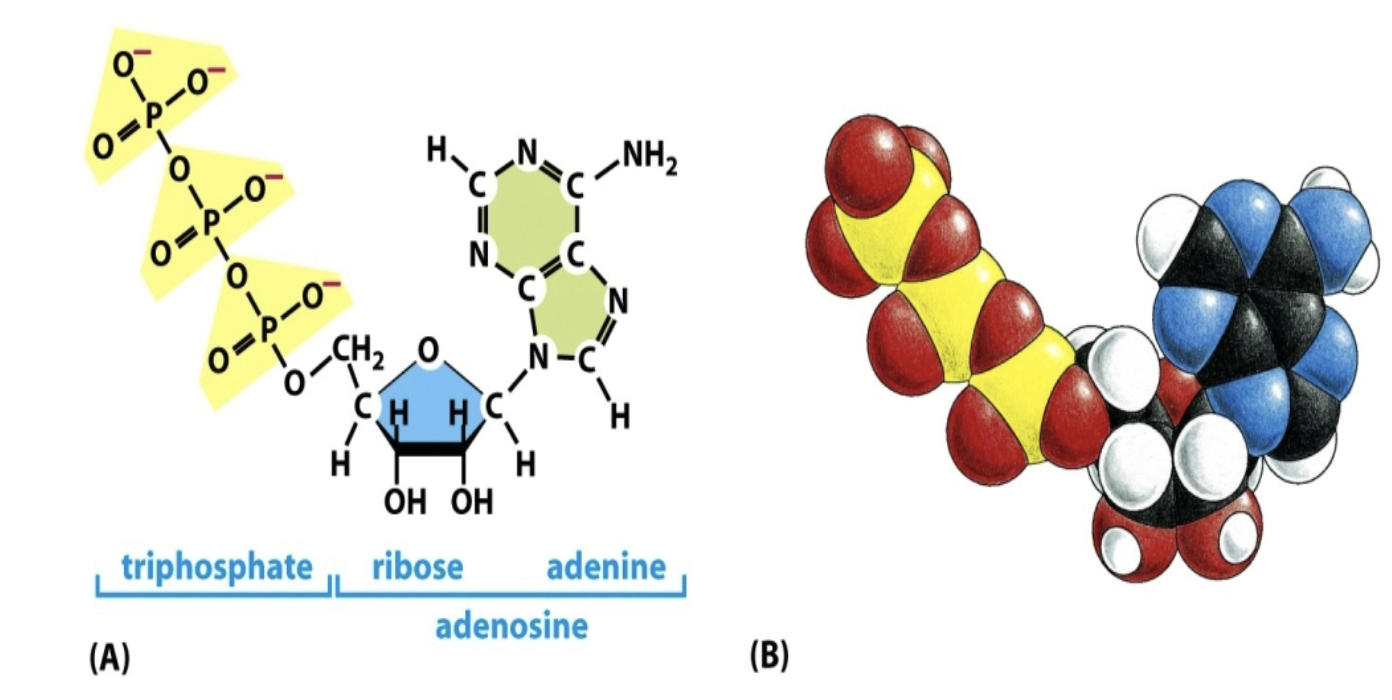
What is adenosine triphosphate (ATP)?
A major short term energy carrier in the cell
What is the one property of living things above all that makes them seem almost miraculously different from living matter?
they create a maintain order in a universe that is tending always to greater disorder

fyr
N/A
What are the laws that govern the use of energy?
thermodynamics
What is the 1st Law of Thermodynamics?
the amount of energy in a system is constant
within the system, energy can be converted from one form to another, but cannot be created or destroyed
Are the conversions of energy 100% efficient?
No, some energy is always lost as heat, which is not confinable or usable energy

fyr
N/A
What is the 2nd Law of Thermodynamics?
All processes in the universe are driven in the direction that increases disorder (entropy)
With the increase in disorder, what decreases (in the context of the 2nd Law of Thermodynamics)?
USABLE or AVAILABLE energy tends to decrease
Energy is only usable if it is _________ (stored)
confinable
Reactions that ________ the availability of usable energy are energetically favorable and will occur _____________.
Reactions that ________ the availability of usable energy are energetically unfavorable and will occur _____________.
decrease, spontaneously, increase, nonspontaneously
What do we actually mean by a “spontaneous” reaction?
A) A reaction that will occur without a net addition of energy
B) A reaction that occurs immediately when the reactants are mixed together
C) Both
A
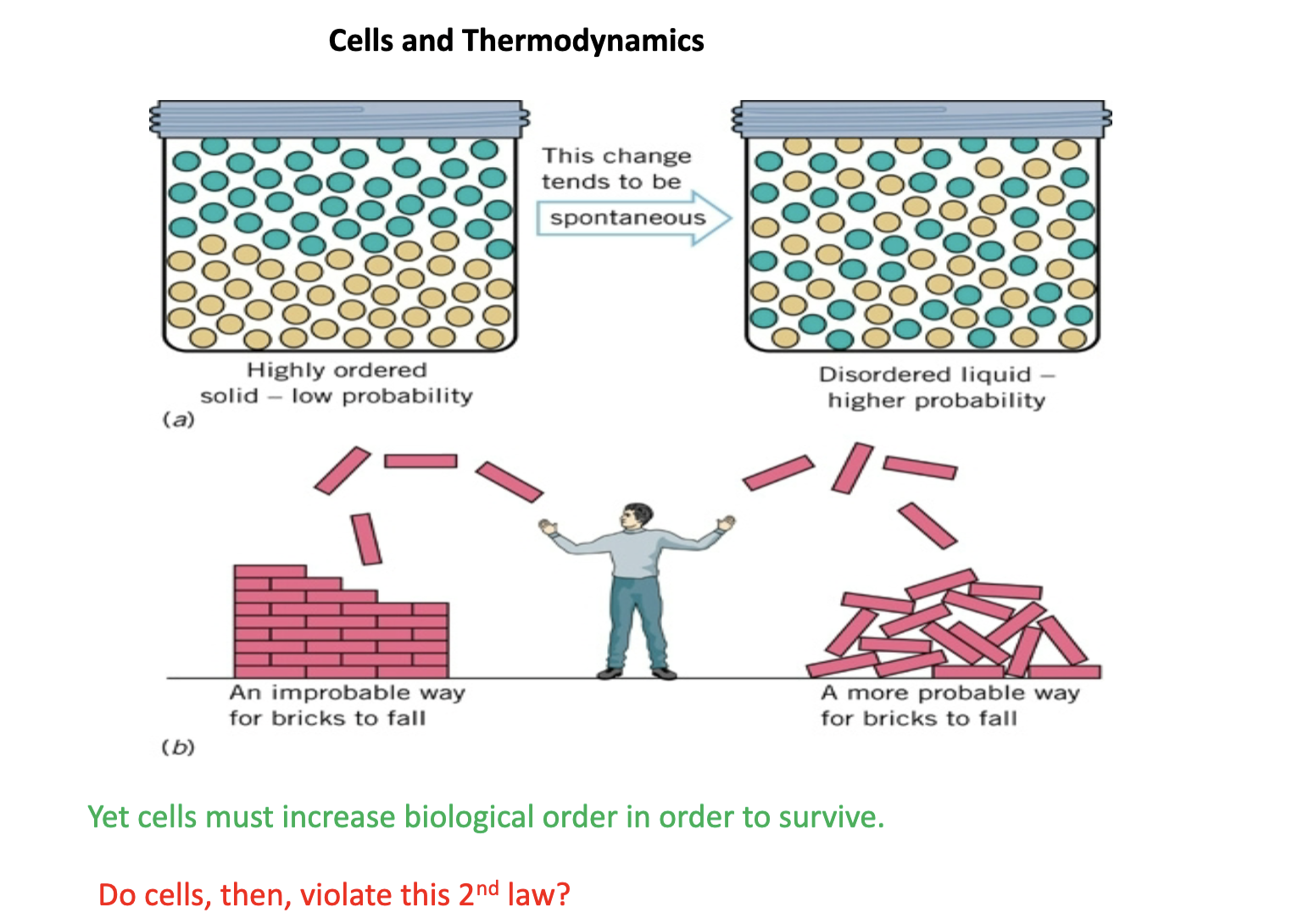
So, do cells violate the 2nd Law of Thermodynamics given the fact that disorder is preferred over order?
NO, nothing violates the laws of physics

Are cells isolated systems? What does the answer to this question imply?
NO, this implies that cells are able to exchange energy with their environment
The energy input to the cell is used to ________ _____ within the cell, and this energy from outside the cell was generated by processes that increase entropy (chemical fusion in the sun, for example)
In addition, in the course of order-generating reactions, the cell converts part of the energy into ____. This is then released into the cell’s environment, thereby __________ it and thus also increasing _______ overall.
generate order, heat, disordering, entropy
The Big Picture
Cells are bounded by the ______ ________, which is mainly composed of__________, along with _______ (in animal cells, ________)
Phospholipids __________ assemble into ________, the basic structure of cellular membranes
Lipid bilayers are ___ ___________ ______ that allow lateral diffusion of constituents; however, the plasma membrane has microdomains (known as _____ _____) of different compositions
The two leaflets of the plasma membrane has an __________ distribution of ____________.
leaflets = the two layers of the bilayer (outer/exoplasmic side facing out, inner/cytoplasmic side facing in)
The plasma membrane is associated with many ________, which perform critical functions
Plant cells gain additional structural strength from a ________-based cell wall
plasma membrane, phospholipids, sterols, cholesterols, spontaneously, bilayers, two-dimensional fluids, lipid rafts, asymmetric, phospholipids, proteins, carbohydrate
What the heck is meant by the lipid bilayer being a two-dimensional fluid?
The lipid bilayer is not a rigid, fixed structure. The phospholipids and proteins embedded in it can move around within the plane of the membrane. If membranes were rigid, cells couldn’t move, divide, or respond to signals
What is a lipid raft?
There are small, localized regions in the membrane that are more organized and have a different composition than the surrounding membrane. These are typically enriched in cholesterol and sphingolipids, and they cluster with specific proteins. They are also less fluid (think of them like structured “islands” in the fluid sea)
The asymmetry of the two leaflets of the plasma membrane means that the composition on both sides is not the same. What is the composition of the outer leaflet vs. the inner leaflet?
Outer leaflet is enriched in phosphatydylcholine and sphingomyelin
Inner leaflet is enriched in phosphatidylethanolamine and phosphatidylserine

To sum up what a plasma membrane is, it is a…
regulated cellular boundary
Which of the following would you expect to diffuse freely through the plasma membrane?
A) Water molecules
B) Steroid hormones
C) Glucose
D) All of the above
B - steroid hormones
This is because only nonpolar molecules can freely move through the hydrophobic interior (the fatty acid tails)
Water is polar, so it wouldn’t work
Steroid hormones are nonpolar, lipid, soluble molecules that are also small enough to slip into the lipid bilayer and pass through
Glucose is a sugar with multiple -OH groups, making it highly polar and hydrophilic
All of the above is obviously wrong for these reasons
Phospholipids and Membranes
the most abundant lipids in plasma membranes are ___________.
These lipids are amphiphilic (aka amphipathic) where they have a _____ head group and two ________ hydrocarbon tails
One tail is generally _________ (no double-bonds) while the other is __________ (one cis double-bound), which __________ membrane fluidity.
phospholipids, polar, nonpolar, saturated, unsaturated, increases
Why does have one saturated tail and one unsaturated tail increase membrane fluidity?
When one tail is kinked and the other is straight, they cannot pack tightly

Things to note here:
Phosphatidylcholine has a quaternary nitrogen instead of a tertiary one
Phosphatidylserine has a net negative 1 charge which is a pretty unique property, so keep that in mind!
N/A
Sterols and Membranes
Another important lipid component of membranes are sterols
Contain _____ ring structures that stiffen portions of the phospholipids - this is essential for the ________ _________ of the membrane
In animal cell membranes, the major sterol is ___________. Plant cells use a combination of ___________, and fungi use _________.
rigid, structural integrity, cholesterol, phytosterols, ergosterols
Membranes don’t melt or freeze because of _______.
sterols

fyr - image of cholesterol and its structure
N/A