Lab 3: Protists
 Call Kai
 Learn
Learn Practice Test
 Spaced Repetition
 Match
Match Flashcards
 Knowt Play
1/21

There's no tags or description
Looks like no tags are added yet.
Name | Mastery | Learn | Test | Matching | Spaced | Call with Kai | Chat |
|---|
No analytics yet
Send a link to your students to track their progress
22 Terms
Eukaryotes
have more complex cells
membrane-bound organelles
membrane-bound nucleus
protists are “Earth’s first” eukaryotes
Supergroup Excavata
unicellular flagellates
“excavata” (excavated) feeding groove on side of body
Supergroup Excavata
Euglenida
photosynthetic green or heterotrophic colorless
have flagella to propel selves

Supergroup Excavata
Kinetoplastids
heterotrophic parasites
cause African sleeping sickness

Supergroup Archaeplastida
algae (protists) but also plants (Kingdom Plantae)
Supergroup Archaeplastida
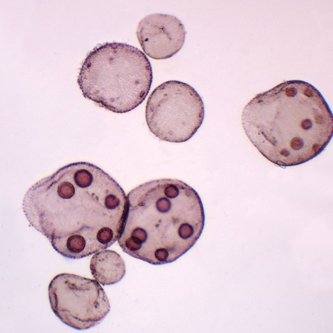
Chlorophyta
green algae
volvox colonies
Supergroup Archaeplastida
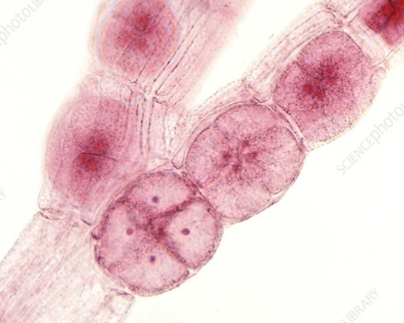
Rhodophyta
red algae
no flagella, mostly marine, tetraspores, phycoerythrin
Supergroup Alveolata
unicellular organisms containing alveoli (saclike vesicles found at cell periphery)
Supergroup Alveolata
Ciliophora
heterotophic
lots of cilia for moving and feeding

Supergroup Alveolata
Apicomplexa
heterotrophic parasites (malaria) with apical complex to pierce host
apical complex on top (apex=on top)
internal parasites of animals

Supergroup Alveolata
Dinoflagellates
photosynthetic or heterotrophic
thecate (armored): made of cellulose plates
athecate (unarmored)

Supergroup Stramenopila
“straw hair” have lots of flagellar hairs to increase swimming efficiency by increasing surface area
Supergroup Stramenopila
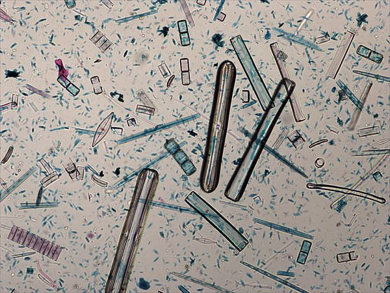
Bacillariophyceae (diatoms)
aquatic photosynthesizers (phytoplankton)
cell walls of silica (glass)
Supergroup Stramenopila
Phaeophyceae (brown algae)
kelp
fucoxanthin gives color

Supergroup Stramenopila
Oomycota
fungus-like with filamentous hyphae
heterotrophic decomposers or parasites (caused potato famine)
Supergroup Rhizaria
armored amoebas, move with filose pseudopodia
Supergroup Rhizaria
Radiolaria
star-shaped zooplankton
made of silica (glass)

Supergroup Rhizaria
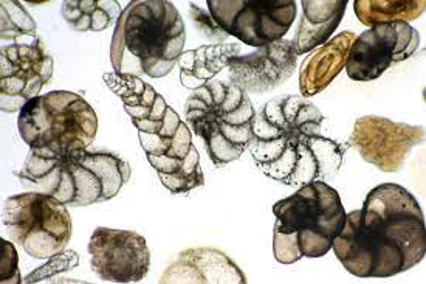
Foraminifera
test (shell) made of calcium carbonate
Supergroup Amoebozoa
Naked amoebas
move with lobe or tube shaped pseudopodia
soil and aquatic habitats

Supergroup Amoebozoa
Slime molds
fungus-like with hyphae and fruiting bodies
feed on microorganisms living in dead plant

Supergroup Opisthokonta
single posterior flagellum on swimming cells at some point in lifecycle
some protists but also Kingdom Animalia and Kingdom Fungi
Supergroup Opisthokonta
Choanoflagelates
single flagellum surrounded by collar
