Basics of Plant Taxonomy
 Call Kai
 Learn
 Practice Test
 Spaced Repetition
 Match
 Flashcards
 Knowt Play
1/106

There's no tags or description
Looks like no tags are added yet.
107 Terms

Acaulescent
lacking a main stem, stemless
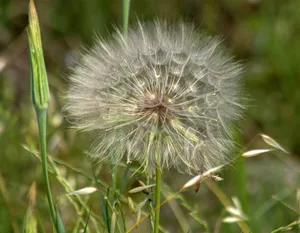
Achene
a small dry seed typical in Asteraceae & Cyperaceae; they do not split open at maturity

Actinomorphic
regular, radially symmetrical
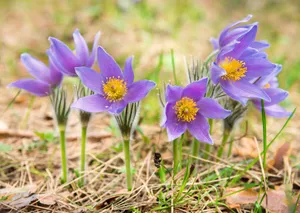

Alternate
a leaf arrangement in which the leaves originate in an alternate fashion up the stem; only a single leaf is attached at each node


Anther
the pollen-bearing portion of a stamen, male


Awn
a slender, stiff terminal bristle attached at its base to another structure. In grasses, awns typically extend from the lemmas of the florets.

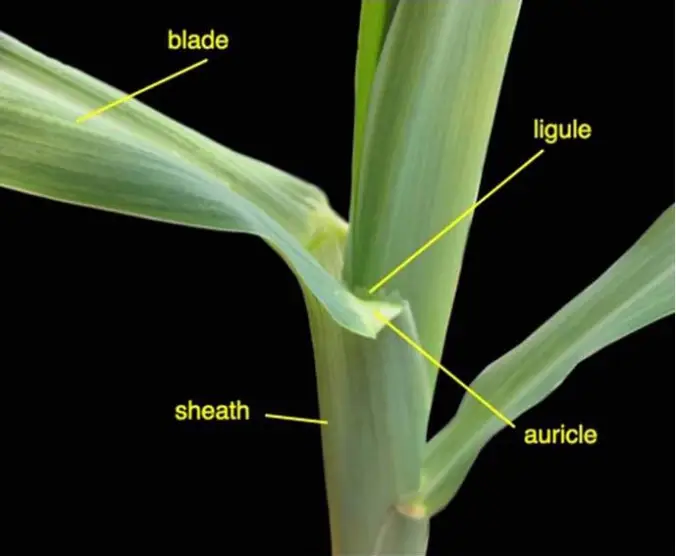
Auricle
a small earlike lobe or appendage


Bilabiate
having two labia (upper and lower)


Bipinnate
twice pinnately compound


Biternately compound
compound leaf, thar is divided into three primary parts (ternate), and each of those three parts is further divided into three leaflets
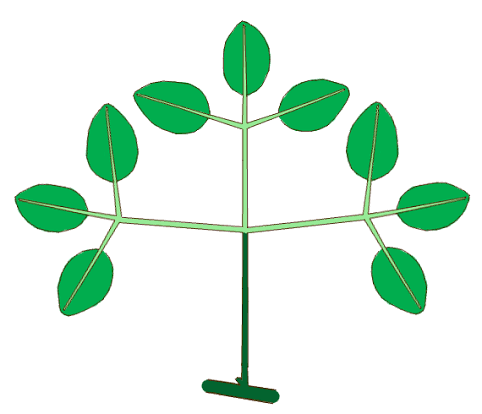

Blade (Lamina)
the expanded terminal portion of a leaf, petal or other structure, i.e. that portion of the leaf that does not include the stalk or petiole


Bract
a modified leaf which may be reduced in size or different in other characteristics from the foliage leaves and which usually subtends a flower or an inflorescence (They sit on the stem just below a flower, flower stalk, or inflorescence)


Calyx
the outer whorl (layer) of the perianth, composed of the sepals, usually but not always green, which enclose other flower parts in bud


Campanulate
Bell Shaped (Campanula)

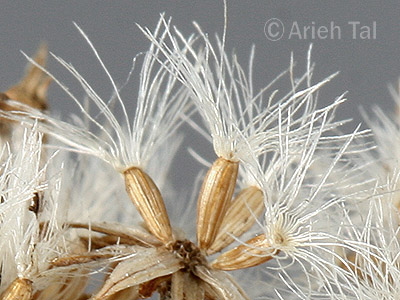
Cypselae
a dry single seeded fruit formed from a double ovary, or which only one forms a seed (characteristic of Asteraceae)


Capsule
a dry, generally many-seeded fruit


Catkin
drooping group of flowers (Oaks)


Compound
made up of two or more similar parts, as in a leaf which has leaflets


Corolla
the inner whorl of the perianth, between the calyx and the stamens, a collective term for the petals of a flower

Corymb
a broad, flat-topped inflorescence in which the marginal flowers open first
Costa
mid-vein of leaf, typically used in ferns
Cyme
a broad, flat-topped inflorescence in which the central flower is the first to open
Decumbant
prostrate at the base but ascending at the end
Deflexed
bent down or backward
Dehiscent
opening spontaneously when ripe to discharge the seed
Deltoid
broadly triangular in shape
Dioecious
having staminate and pistillate flowers on separate plants (male & female plants)
Drupe
a fleshy indehiscent fruit enclosing a nut or hard stone (e.g. peach);
Elliptical
broadest near the middle and tapering gradually to both ends;
Filament
the basal, sterile portion of a stamen below the anthers;
Fimbriate
having a fringed margin;
Funnelform
a flower that widens gradually from the base;
Frond
a large compound leaf, typically used for ferns
Glabrous
without hair
Glaucous
covered with a thin, light-colored wax or powder
Glandular
producing tiny globules of sticky or oily substance (Glands)
Glomerule
a head or dense cluster of flowers (e.g. Juncus)
Hypanthium
floral cup is a structure where basal portions of the calyx, the corolla, and the stamens form a cup-shaped tube
Hypogynium
That structure which supports the ovary in such plants as sedges
Indehiscent
not opening by itself, of a seed pod
Inflorescence
the flowering portion of a plant
Involute
with both edges enrolled or folded, toward the midvein
Internode
the portion of a stem between two successive nodes;
Joint
the point on a plant stem from which a leaf or leaf-bud grows, aka node;
Lacerate
irregularly cut of cleft;
Lanceolate
Significantly longer than wide and widest below the middle, gradually tapering toward the apex;
Leaflet
one segment of a compound leaf;
Lobe
usually a rounded segment
Membranous
thin, flexible and more or less translucent
Monecious
having staminate and pistillate flowers on the same plant (male and female)
Node
a point on a stem where leaves or branches originate
Nut
a dry, usually one-seeded, indehiscent fruit with a hard walled exterior
Oblong
two to four times longer than broad
Obovate
inversely ovate
Opposite
a leaf arrangement in which the leaves originate in an opposite fashion up the stem
Orbicular
having the shape of a ring or disc
Ovary
the basal portion of a pistil where female germ cells develop into seeds after germination
Ovate
egg-shaped, wider below the middle
Ovoid
an egg-shaped solid
Palmate
radiating from a single point like the spreading fingers of an outstretched hand
Panicle
an elongated, branched inflorescence with sessile or nearly-sessile flowers
Pappus
the bristles, hairs or scales at the apex of an achene in the Asteraceae
Peduncle
stalk of a flower
Perianth
a collective term for the calyx and corolla
Petal
a single segment of a divided corolla
Petiole
the stalk of a leaf
Phyllary
one of the bracts below the flowerhead in the Asteraceae
Pinna
leaflet of a fern
Pinnate
with separate segments that are arranged feather-like on either side of a common axis
Pinnule
Any of the ultimate leaflets of a bipinnate or tripinnate leaf; a subleaflet
Pistil
the central reproductive organ of a flower, consisting of ovary, style and stigma, female
Pome
fleshy indehiscent fruit derived from an inferior, compound ovary (e.g. apple)
Prophyllate
subtended by prophylls
Prophylls
bracteole subtending an individual flower;e.g., in some species of Juncus
Pubescent
general term describing the presence of hairs
Raceme
an elongate, unbranched inflorescence with pedicelled flowers on the main stem
Rachis
main axis of a structure, typically an inflorescence or leaf
Reflexed
abruptly pointed or bent backwards
Retrorse
Bent or turned backward or downward; (e.g., hairs pointing down a stem)
Rhizome
an underground stem capable of producing new stems or plants at its nodes
Rotate
flower that is circular and flattened
Sagittate
arrowhead-shaped, with two retrorse basal lobes
Sepal
a single segment of a divided calyx
Serrate
having sharp, forward-pointing teeth on the margin
Serrulate
serrate with very small teeth
Sheath
a leafy, tubular structure usually on a sedge or grass that envelopes the stem
Silique
Dry, dehiscent, variously shaped,many-seeded,2-valved capsule with valves splitting from the bottom and leaving a false partition known as a replum
Simple
a leaf that has one part, not subdivided into leaflets
Sori
a cluster of sporangia on the back of a fen leaf
Spadix
Spike like inflorescence born on fleshy stem (typical Arisaema)
Spatulate
Spatula-shaped; rounded above and gradually narrowed to base
Spiral
a leaf arrangement in which the leaves originate in a spiral fashion up the stem
Spike
an elongated, unbranched inflorescence with sessile or nearly-sessile flowers
Sporophyte
Fertile (i.e. Spore bearing) portion of plant, typically ferns or mosses
Stigma
the terminal portion of a pistil, which receives the pollen
Stipule
an appendage at the base of a petiole, usually in pairs
Stolon
an elongated horizontal shoot above the ground, rooting at the nodes or apex
Strobilus
A usually globose or cylindrical structure involved in reproduction and composed of an axis with a spiral, usually dense aggregation of sporophy (a.k.a. Cone)
Style
the narrowed portion of a pistil between and connecting the ovary and the stigma
Taproot
the primary root continuing the axis of the plant downward often quite deeply into the ground