Clin Med - Derm
 Call Kai
 Learn
Learn Practice Test
 Spaced Repetition
 Match
Match Flashcards
 Knowt Play
1/380

There's no tags or description
Looks like no tags are added yet.
Name | Mastery | Learn | Test | Matching | Spaced | Call with Kai | Chat |
|---|
No analytics yet
Send a link to your students to track their progress
381 Terms
-macule
-discolored, flat spot on skin
What is the type of lesion and how is it defined?

-patch
-circumscribed, flat discolored spot on the skin >1 cm in diameter
What is the type of lesion and how is it defined?

-papule
-solid, circumscribed, elevated area on the skin
What is the type of lesion and how is it defined?

-plaque
-elevated lesion >1 cm
What is the type of lesion and how is it defined?

-nodule
-deeper in dermis than papule
-circular, elevated, solid lesion 1-2 cm
What is the type of lesion and how is it defined?
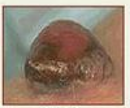
-vesicle
-circular collection of free fluid
What is the type of lesion and how is it defined?
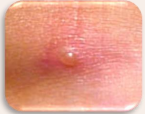
-bulla
-collection of free fluid >1 cm
What is the type of lesion and how is it defined?

-pustule
-vesicle containing pus (inflammatory cells)
What is the type of lesion and how is it defined?

-wheal
-localized, elevation of the skin
-often accompanied by itching
What is the type of lesion and how is it defined?
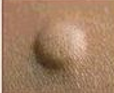
-scale
-thin, dry flake of cornified epithelial cells
What is the type of lesion and how is it defined?

-crust
-dried serum or exudate on skin
What is the type of lesion and how is it defined?
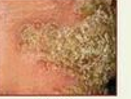
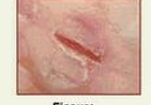
-fissure
-crack or split in the skin
What is the type of lesion and how is it defined?
-excoriation
-linear erosion due to scratching
What is the type of lesion and how is it defined?

-erosion
-loss of epidermis
What is the type of lesion and how is it defined?
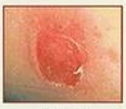
-lichenification
-thickening of epidermis-> exaggeration of normal skin lines
What is the type of lesion and how is it defined?

-scar
-thickening, permanent fibrotic changes
What is the type of lesion and how is it defined?

1. solution
2. cream
3. gel
4. ointment
5. occlusive dressings
What are 5 types of dermatologic therapies for treatment of skin lesions?
-thicker consistency than lotions
-ultra-hydrating to skin
-fast absorbing
-cosmetically pleasing
-less potent than ointments
-better for dry skin
What are the characteristics of a cream?
-jelly like consistency
-transparent
-fast drying/absorbing
-useful in hairy areas
What are the characteristics of a gel?
-more lubricating
-occlusive
-more potent
-helps seal moisture into the skin
What are the characteristics of an ointment?
-high water content
-non greasy
-least occlusive
-better for oily skin
What are the characteristics of a lotion?
better choice for the scalp
What are the characteristics of foams, mousses, shampoos?
-mixture of a powder and ointment
-improves porosity (breathability)
-thick consistency
-difficult to rub from skin
What are the characteristics of a paste?
associated with systemic disease: lupus, IDA, thyroid disease, vitamin D deficiency
What is non scarring alopecia?
1. Androgenetic alopecia
2. Alopecia areata
What are the two types of nonscarring alopecia?
-occur following any type of trauma or inflammation that may scar hair follicles
+ex/ chemical/physical trauma, infections (bacterial, fungal, viral), or excessive radiation therapy
-specific cause if often suggested by the history
-often irreversible and permanent hair loss
What is scarring alopecia?
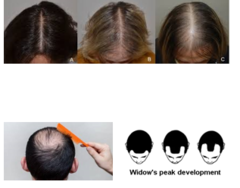
most common form of alopecia due to a combo of hormones 9androgen) and genetic predisposition
What is androgenetic alopecia?
-hair loss on the anterior sides of the "widows peak" and crown (vertex)
-leading cuase of male-pattern baldness
What does androgenetic alopecia in men involve?
retention of the anterior hairline but with diffuse thinning on the crown and a widening part
What does androgenetic alopecia in women involve?
-minoxidil 5% topical (OTC)
-finasteride (propecia) 1 mg add on
How do you treat androgenetic alopecia in men?
-minoxidil topical
-finasterile 2.5 mg add (nonchildbearing/postmenopausal)
-premenopausal-> labs (testosterone, iron studies, vitamin D levels, thyroid function test, CBC)
How do you treat androgenetic alopecia in women?
-cause; autoimmune; familial
-onset or recurrence can be triggered by viral infection, emotional/physical stressors, trauma or hormonal changes
-can affect both children and adults
-characterized by a bald patch or thinning hair loss (often incidental finding)
What does alopecia areata involve?
1. alopecia totalis: total hair loss of the scalp
2. alopecia universalis: scalp and body hair, beard, lashes, brows
3. nail involvement: pitting and ridging pattern
What areas can be involved in alopecia areata?
-intralesional corticosteroids (severe form)
-topical or systemic steroids, immunotherapy
-usually self limiting (gets better on its own) with complete regrowth of hair in 80% of cases
-relapse is common with medication discontinuation
How do you treat alopecia areata?
alopecia areata
What is this disease?

androgenetic alopecia
What is this disease?
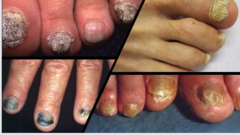
fungal infection of the nail
What is tinea unguium (onychomycosis)?
-untreated toenail (tenia pedis) or hand (tinea manuum) infections
-injury to the nail bed
-inflammatory disease of the nail
What is the cause of onychomycosis?
one or more fingernail or toenail
-most frequently the great or little toenail
What is the distribution of onychomycosis?
-lusterless, brittle, hypertrophic nail(s)
-chronic, friable nail(s)
What is the presentation of onychomycosis?
-nail clippings in 10% KOH solution
-microscopic view of hyphae
How do you diagnose onychomycosis?
*long term systemic therapy, high rate of recurrence
-Terbinafine 250 mg qd x 6 weeks (toenail infection)
+Monitor LFT
-Griseofulvin 250 mg TID x 6 months (fingernail infection)
*don't respond well to topical meds
How do you treat onychomycosis?
onychomycosis
What is this disease?
-inflammation of the skin of the lateral and proximal nailfolds
-can affect either the fingernail or toenail
What does paronychia (Whitlow) involve?
-painful, erythematous papulonodule (frank abscess) of the nailfold
-rapid onset
-usually involves a single nail fold
-commonly due to bacterial infection ex/ S. aureus
What is acute paronychia?
-caused by irritation form water or chemicals with inflammation
-gradual onset
-involves several nail folds
-nail is dystrophic (pitting/rigid nail plate)
-usually complicated by fungal infection ex/ candida albicans
What is chronic paronychia?
-stop the underlying action (nail biting, manicure injury, finger/thumb sucking)
-antibiotics
-I&D
-warm soaks
How do you treat acute paronychia?
-wear protective gear (fisherman, cleaners, housewives, bartenders)
-topical corticosteroid ointments and antifungal solution (Listerine)
How do you treat chronic paronychia?
paronychia
What is this disease?

1. acne vulgaris
2. rosacea
*pustular disorders
What are the two types of acneiform eruptions?
-Obstruction and inflammation of the Pilosebaceous unit (hair follicles and sebaceous gland), causing overgrowth of acne bacillus (Propionibacterium acnes)
-Prevalent in adolescence/puberty; more severe in males
-Women - excess androgen due to PCOS (hirsutism and or irregular menses)
-comedones are hallmark
What is the etiology of acne vulgaris?

open or closed (whiteheads or blackheads)
What are noninflammatory comedones?
-papules, pustules, and nodules
What are inflammatory comedones?
mainly in the face
-neck, chest, upper back, and shoulders
What is the distribution of acne vulgaris?
*mild tenderness, pain, or excoriations
-noninflammatory: flesh colored, superficial papules; rough skin texture
-inflammatory: deep papules, pustules, acne cysts, and scarring
How does acne vulgaris present?
1. topical retinoids (tretinoin, adapalane)
2. benzoyl peroxide
*CI in pregnancy due to risk for teratogenicity black box warning
How do you treat comedonal acne?
-topical or oral anitbiotics: clindamycin, erythromycin, doxycycline, minocycline
-accutane: isotretinoin
How do you treat papular or cystic/inflammatory acne?
1. proper face hygiene- gentle cleansers, lukewarm water, avoid scrubbing, avoid "picking"
2. patience
What are two non pharmacological treatments of acne vulgaris?
1. milk intake
2. high glycemic load diets
3. stress
What are 3 risk factors for acne vulgaris?
-chronic d/o affecting the face
-can be transient, recurrent, or persistent
What does rosacea involve?
1. female gender (3rd to 5th decade of life)
2. fair skin
3. blue eyes
4. topical steroids to face
What are 4 risk factors for rosacea?
1. heat/sunlight
2. hot drinks
3. spicy foods
4. exercise
5. alcohol
6. emotions or menstrual flushing
What are 6 triggers/exacerbations for rosacea?
-erythematous or inflammatory papules, telangiectasis (spider veins)
-ophthalmic findings: conjunctivitis, blepharitis, keratitis
-rhinophyma (large, bumpy, red nose)
What would you find on a PE for rosacea?
-Topical - Metronidazole gel, brimonidine gel, oxymetazoline cream, ivermectin, minocycline
-Systemic - Tetracyclines (Doxycycline, Minocycline)
How do you treat rosacea pharmacologically?
1. laser
2. avoid known triggers
3. moisturizing
4. sun protection
How do you treat rosacea non-pharmacologically?
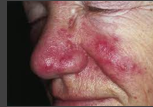
rosacea
What is this disease?
conditions that presents with both papules and scales or both scaly papules and plaques
What are papulosquamous diseases?
1. drug eruptions
2. lichen planus
3. pityriasis rosacea
4.psoriasis
What are types of papulosquamous diseases?
skin rashes
What is the most common adverse reaction to medications?
-classification depends on the risk for morbidity and mortality
1. simple
2. complex
How do you classify drug eruptions (dermatitis medicamentosa)?
-usually an exanthem (widespread rash)
-appears in 2nd week of medication therapy
-no associated constitutional findings or abnormal labs
-antibiotics- penicillin and quinolones are most cmmon
What does a simple drug eruption involve?
-morbilliform rash: Mealses like eruption with macules/papules, generalized and erythematous
-develops 2-6 weeks after onset of new medication
-associated with constitutional sx and abnormal lab findings
-causes DIHS (drug induced hypersensitivity rxn) and can lead to SJS/TENS
-most common causes: antibiotics, sulfas, anticonvulsants, allopurinol, NSAIDS
What does a complex drug eruption involve?
dx of exclusion
How do you diagnose drug eruptions?
-discontinue offending medication
-treat sx if needed
How do you treat drug eruptions?
drug eruption
What kind of disease is this?

-autoimmune mediated, inflammatory pruritic disease
-affects the skin and mucous membranes
What does lichen planus involve?
-flexor surfaces and trunk
-flexor surfaces of the wrist, penis, and mucous membranes (buccal, vulvar, vagina, esophagus)
What is the distribution of lichen planus?
1. pruritic
2. purple
3. polygonal
4. planar (flat topped)
5. papules and plaques
What are the characteristic 5 P's of lichen planus?
1. Wickham striae: very fine, white lesions on the oral mucosa
2. Koebner phenomenon: appearance of new skin lesion (of an existing dermatoses) in an otherwise healthy skin
What are two characteristic phenomena of lichen planus?
lichen planus
What disease is this?

-rash occurs after a viral infection
-lasts 6-12 weeks
-mostly in spring or fall
-self limiting rash
What does pityriasis rosacea involve?
1. mild itchy rash
2. herald patch precedes
-herald patch: initial lesion (over pink/red patch about 2.5 cm in diameter) that is larger than other lesions and occurs 1-2 weeks prior to other small/oval lesions)
3. christmas tree pattern- lesions follow cleaved lines on the trunk (follows skin folds)
4. rash is often on chest and back
What are PE findings for pityriasis rosacea?
*treat only if symptomatic
-short course steroids
-oral antihistamine
-phototherapy in dark skin pts
-moisturizer
How do you treat pityriasis rosacea?
pityriasis rosacea
What is this disease?

chronic inflammatory dermatosis often immune mediated
What is psoriasis?
Males = females; peak onset in the 20's and 50's
What is the etiology of psoriasis?
-Clearly demarcated & symmetric rash, red and scaly plaques
-Scale is silvery-white in appearance
-Site - scalp, elbow and knees
-May be associated with Psoriatic arthritis
-Koebner phenomenon
-Auspitz sign: presence of small bleeding points after a plaque scale has been removed
What are the PE findings for psoriasis?
-emollients: keep skin as moist as possible
-salicylic acid
-topical steroids
How do you treat mild psoriasis?
phototherapy with UV radiation
How do you treat moderate psoriasis?
-systemic therapy: methotrexate, ciclosporin, biologics
-phototherapy
***systemic steroids should never be used as this can worse flare ups and lead to worse rebounds
How do you treat severe psoriasis?
psoriasis
What is this disease?

guttate psoriasis
What is this disease?

generalized/localized pustular psoriasis
What is this disease?
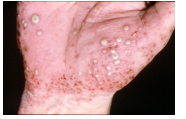
nail psoriasis
What is this disease?
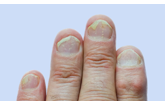
erythrodermic psoriasis
What is this disease?

1. actinic keratosis
2. seborrheic keratosis
What are two types of verrucous lesions?
scaly spot on damaged skin
What is actinic keratosis (solar keratosis)?
1. fair complexion
2. prolonged sun exposure
3. common site- dorsal hands, face
What are 3 risk factors for actinic keratosis?
-Tender or asymptomatic
-Flat or thickened papule or plaque
-Flesh-colored, red or pigmented
-Scaly, warty or horny surface (raised/rough edges)
What are 4 features of actinic keratosis?
-clinical
-biopsy if SCC is suspected
How do you dx actinic keratosis?