Midterm Plant ID
 Call Kai
 Learn
Learn Practice Test
 Spaced Repetition
 Match
Match Flashcards
 Knowt Play
1/93

There's no tags or description
Looks like no tags are added yet.
Name | Mastery | Learn | Test | Matching | Spaced | Call with Kai | Chat |
|---|
No analytics yet
Send a link to your students to track their progress
94 Terms
Morphological Features
physical characteristics of a plant that help describe the external form, structure, and appearance.
secondary growth
process by which a plant expands in diameter rather than height
wood
secondary xylem
bark
secondary pholem and protective tissues
nodes
attachement place on the stems
Alternate arrangement
1 leaf at a node

Opposite arrangement
2 leaves at a node

Whorled arrangement
3+ leaves at a node

entire margin

serrate margin

sinuate margin

dentate margin

crenate margin
‘‘scalloped’’

lobed margin

arcuate venation

longitudinal venation

palmate venation

parallel venation

pinnate venation

reticulate venation

rotate venation
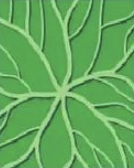
glabrous surface
smooth and hairless ; glossy ; shiny

glaucous surface
dull, dusty look ; waxy coating

coriaceous surface
thick, tough texture ; leathery

scabrous surface
feels like sandpaper

waxy surface
protective wax layer ; ex: succulent

tomentose
wooly hairs

linear leaf shape

lanceolate leaf shape
widest area below middle
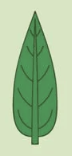
elliptic leaf shape
widest near middle
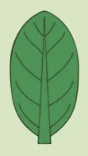
ovate leaf shape
wider below ; egg-shaped

obovate leaf shape
widest above middle

cordate leaf shape

reniform leaf shape
kidney-shaped

deltoid leaf shape
triangular

orbicular leaf shape
circular

acute apex

acuminate apex

obtuse apex

rounded apex

emarginate apex

cuspidate apex

cuneate base

rounded base
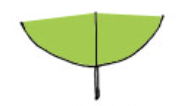
cordate base

truncate base

oblique base

petiole
stalk connecting blade to stem
node
point of leaf attachment
axillary bud
located in the leaf axil; critical for recognizing the true leaf
stipules
paired appendages at the petiole base in some species
ID process (large to small)
arrangement, type, blade, margin, venation, surface texture
decussate
makes a cross

basal/rosette

petiolule
stalk of an individual leaflet
odd-pinnate
has a terminal leaflet
even-pinnate
has a terminal pair of leaflets
petiolate
has a petiole

sessile
blade attaches directly to the stem

clasping
wraps around the stem

sheathing
wraps around the stem ; common in grasses

undulate margin

double-serrated margin

incised margin

pubescent surface
hairy

diagnostic description
arrangement, type, shape, apex, base, margin, venation, attachement, surface
Annuals are nicknamed what?
‘‘Fast-livers’’
Annuals life-span
completes after one season
Perennials life-span
lives for 2+ years and regrows from storage structures
Annual’s leaves are:
soft, simple, and sometimes hairy

Annual’s stems are:
herbaceous and fast elongated
Annual bloom time
long and continuous flowering
Annual or Perennial: Who has a high seed output?
Annuals have a high seed output
Annual key families
daisy, potato, pigweed, cabbage
T or F: Annuals can outcompete perennials by high germination, flowering, and setting seeds
TRUE
Annual or Perennial: Which one has seeds built for survival and has dormancy traits?
annuals (seeds built for survival)

Where do perennials invest their energy?
In their roots and storage structures
What caused the hunting to farming shift?
Annual plant evolution
Which plant type requires minimal effort?
Perennials need less maintenance
Perennial leaves are:
basal/rosettes or persistant foilage
Perennial leaf texture:
waxy, thick, and pubescent
Perennial stems are:
herbaceous or woody
Perennial bloom time:
seasonal; shorter periods
Which plant type relies on storage organs?
Perennials (bulbs, rhizomes, and tubers)
Perennial key families:
mint, lily, iris, buttercup, and daisy
Plant adaptions:
special structures and characteristics that help the plant survive, compete, and reproduce
Plant ID vegetative clues:
stipules, tendrils, and lenticels
Stipules
(‘‘leaf accessories’’) (ex: rose, tulip tree, pea)

tendrils
(‘‘grabbers’’) (ex: grape, pea, passionflower)
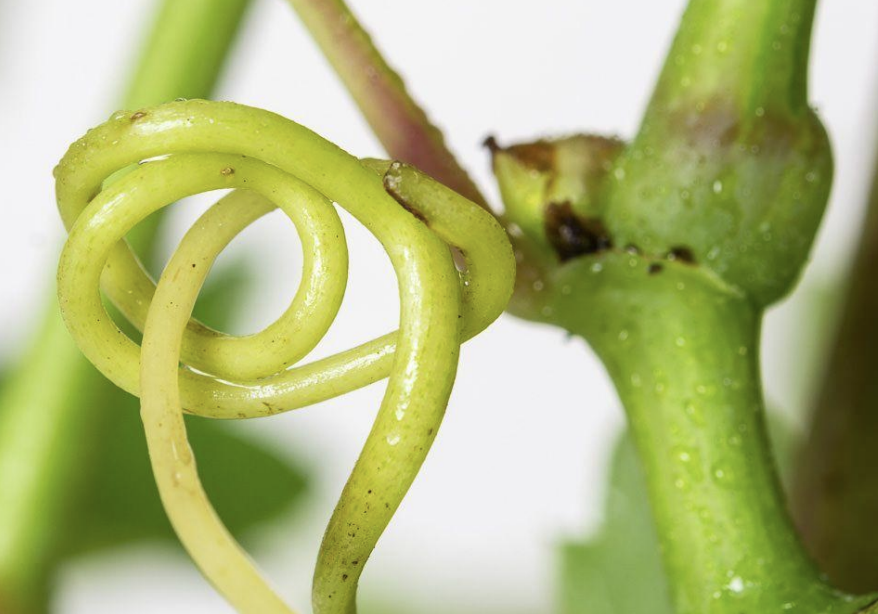
lenticels
(‘‘breathing pores’’) (ex: black cherry, birch, elderberry)

Protection features:
spines, thorns, and prickles
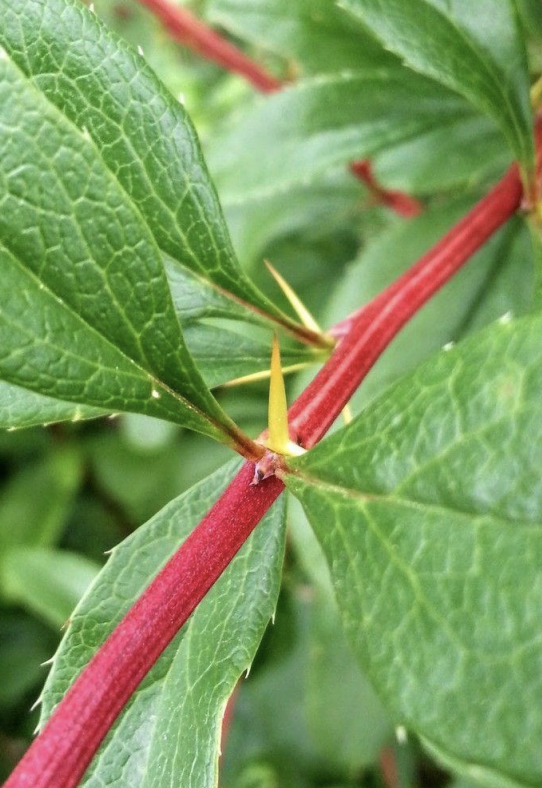
spines
leaf origin (ex: japanese barberry, cactus, black locust)
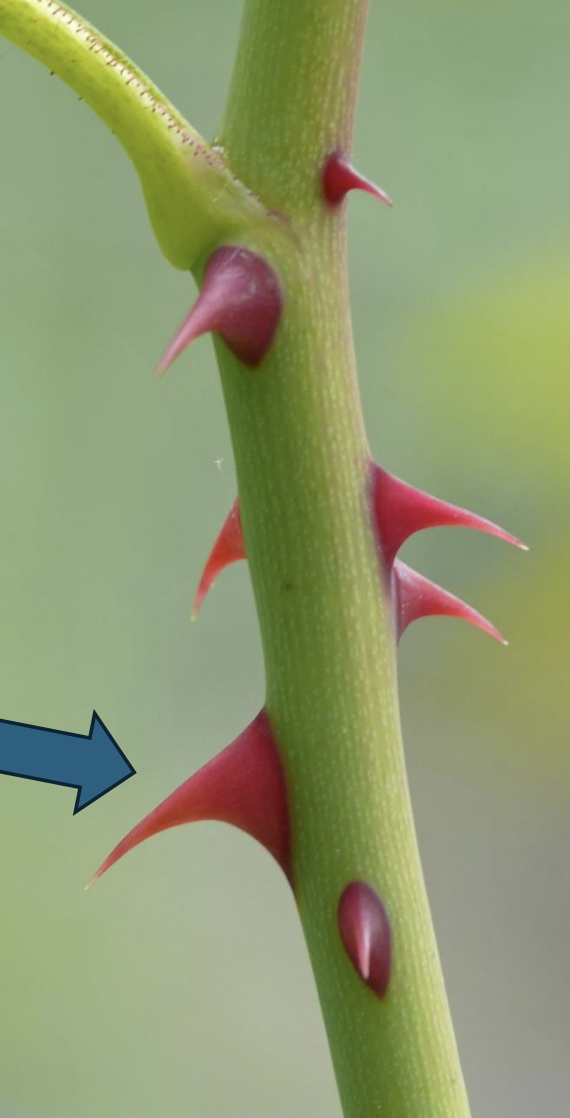
prickles
epidermis origin (ex: rose, blackberry, raspberry) ; easily removable
thorns
stem origin (ex: hawthorn, citrus, honey locust) ; woody structures
