Network+ Lesson 15: Network Monitoring Technologies
 Call Kai
 Learn
 Practice Test
 Spaced Repetition
 Match
 Flashcards
 Knowt Play
1/16

There's no tags or description
Looks like no tags are added yet.
17 Terms
Monitors, configures, and controls network devices
Operates at the application layer (Layer 7)
Standard framework for managing network devices
Unsolicited messages from an SNMP device to the manager
Notify the management station of significant events
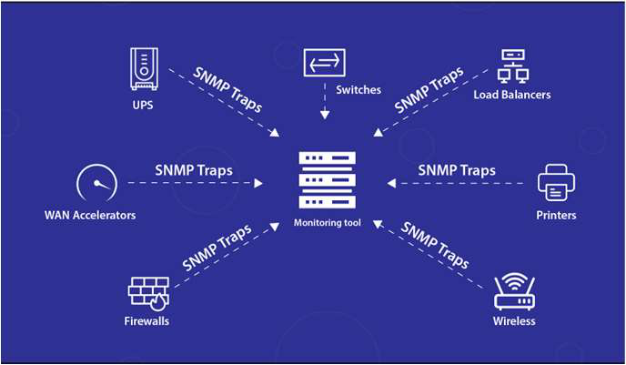
Holds device information as data objects
Includes status, capacity, and performance

v2c: community-based; adds bulk retrieval
v2c: weak security; plain text community strings
v3: most secure SNMP version
v3: strong authentication and encryption
Grant access to a device’s SNMP information
Public: usually read-only (RO)
Private: usually read-write (RW)
Example: snmp-server community public RO
Verifies identity of source and destination
Required before access to network data is allowed
Metadata about traffic, not full packets
Source/destination IPs, port numbers, protocol types
Shows traffic patterns and bandwidth usage
Helps find security threats and bottlenecks
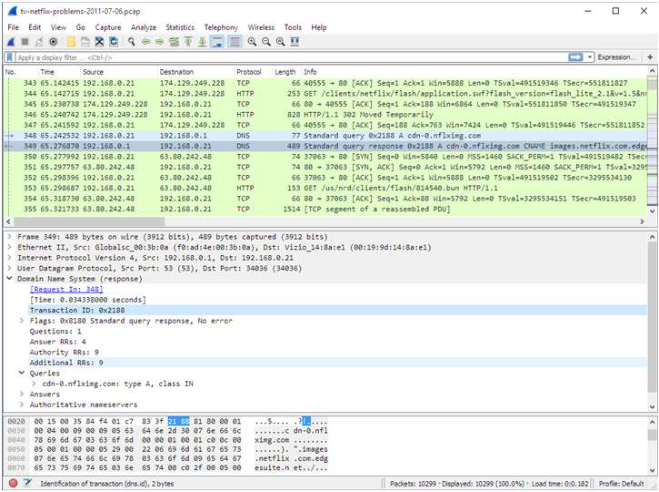
Intercepts and logs traffic passing over the network
Examine traffic in detail (e.g. Wireshark)
Diagnose performance issues; detect malicious activity
Standard for normal network performance
Typical traffic volume, speeds, and error rates
Enables early detection of issues
Automatically detects deviations from baseline metrics
Reports potential performance or security issues
Enables rapid response
Collects and consolidates logs from many sources
Centralized monitoring, diagnosis, and analysis
Supports operations and security compliance
Real-time analysis of security alerts from hardware and apps
Aggregates and correlates log data
Automated alerting and reporting
Identifies threats from unusual activity patterns

Dedicated tool that gathers log data from network devices
Centralizes syslog messages from many sources
Simplifies management, security monitoring, troubleshooting
APIs let different software systems integrate
Automate network configuration and data extraction
Synchronize network management tools
Identifies devices, servers, and hardware on the network
Ad hoc: manual, as needed, for immediate visibility
Scheduled: automated at regular intervals; keeps maps current
Examines packets flowing through the network
Identifies usage patterns, bandwidth use, bottlenecks
Helps optimize performance and bandwidth distribution
Performance: response time, throughput, error rates
Availability: critical components are up and reachable
Availability: detects downtime and failures quickly
Configuration: tracks config changes on devices
Configuration: prevents unauthorized changes; ensures compliance