OCHEM FUNCTIONAL GROUPS MASTER FLASH CARDS
 Call Kai
 Learn
 Practice Test
 Spaced Repetition
 Match
 Flashcards
 Knowt Play
1/64

There's no tags or description
Looks like no tags are added yet.
65 Terms
similarities between alkane, alkene, and alkyne
all are only composed of carbons and hydrogens
alkane pka
50
alkene pka
45
alkyne pka
25
alkanes need to have at least
one c-h bond
alkenes need to have
at least one c-c double bond
alkynes need to have
at least one c-c triple bond

what kind of functional group is this
alkane

what kind of functional group are these
alkene

what kind of functional group is the one on the far left and what is its pka
alkyne, 25
alcohol pka
15
phenol pka
10
carboxylic acid pka
5
what do alcohol, phenol, hydronium, and carboxylic acid have in common
they all have an o-h
carboxylic acid is like a hybrid of
alcohol and ketone
carboxylic acid functional groups are composed of only
C,H, and O.
carboxylic acid charecteristics
one carbonyl attached to one hydroxyl group
carboxylic acid shorthand
-COOH
ketone pka
20
ketone shorthand
CR-(C=O)-CR
to be a ketone, the functional group must have
3 carbons
hydronium pka
0
hydronium must have an
O with a +1 charge, 3 single bonds, and one lone pair
hydronium is like an alcohol with
an additional single bond instead of a lone pair
phenol
an alcohol with a benzene ring
what do ester, ketone, diketone and carboxylic acid all have in common
all have at least one carbon double bonded to oxygen
ester structural requirements
-2 carbons
-a carbonyl group
-an O single bonded to the carbonyl group
ester shorthand
c-(c=o)-o
ester pka
25

what functional group does this molecule have and what is its pka
ester, pka 25
ketone pka
20
ketone must have
3 carbons
ketone structural requirements
-a carbonyl that is single bonded to 2 other carbons
-3 carbons total
-an R group that is bonded to carbon

what functional group does this molecule have and what is its pka
ketone, pka 20
carboxylic acid shorthand
R-COOH
carboxylic acid structural requirements
-can only have one carbon
-R must be single bonded to carbon
-carbon must be double bonded to an O
-carbon must be single bonded to a hydroxyl group

what functional group does this molecule have and what is its pka
carboxylic acid, pka 5
alpha-diketone pka
16
diketone structural requirements
-2 carbonyl groups
-at least 4 carbons total
-carbonyls can ONLY be bonded to other carbons
alpha-diketones (or 1,2- diketones)
2 carbonyls bonded to each other
beta-diketones (or 1,3- diketones)
-2 carbonyl groups are separated by a single carbon
beta-diketone shorthand
rc-c=o-c-c=o-cr
alpha-diketone shorthand
rc-c=o-c=o-cr

what functional group does this molecule have and what is its pka
alpha-diketone, 16

what functional group does this molecule have and what is its pka
beta-diketone, 10
thiol pka
10
thiol structural requirements
-must have a sulfhydryl group (hs-)
-sulfur can only have 2 single bonds
thiol is structurally similar to
alcohol, with and S instead of an O

what functional group is circled and what is its pka
thiol, pka 10
sulfuric acid (H2SO4) pka
-10
sulfuric acid structural requirements
-S is double bonded to 2 O atoms
-S is single bonded to 2 hydroxyl groups
how are thiol and sulfuric acid similar
both have an S as its central atom
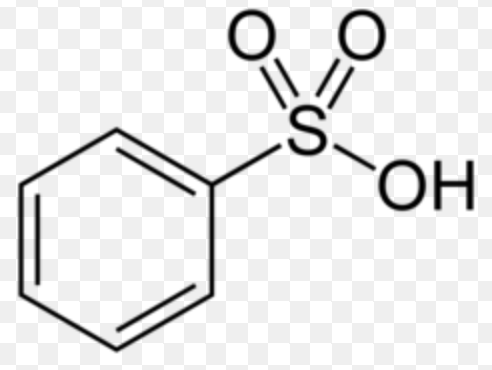
what functional group does this molecule have and what is its pka
sulfuric acid, pka -10
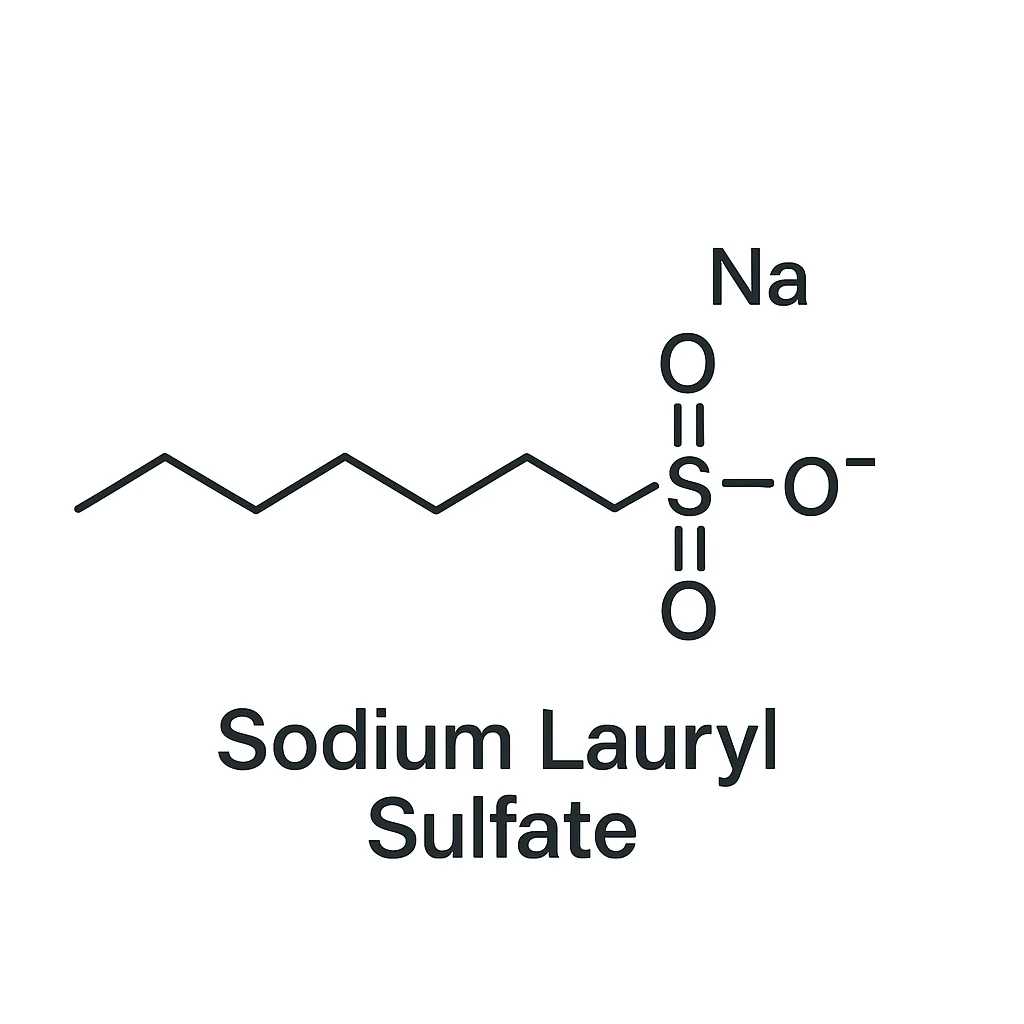
what functional group does this molecule have and what is its pka
sulfuric acid, pka -10
what makes amine and ammonium similar
-both have a nitrogen as the central atom
-both can have multiple R groups
amine pka
35
amine structural requirements
-must have N as central atom
-must have 3 single bonds
-must have one lone pair

what functional group does this molecule have and what is its pka
amine, pka 35
what functional group is amine structurally similar to and how
it is like hydronium with a N instead of an O as its central atom
ammonium pka
10
ammonium structural requirements
-4 single bonds
-formal charge of +1 on N
-no lone pairs

what is the functional group circled on the molecule and what is its pka
ammonium, pka 10
hydrochloric acid pka
-5

what functional group does this molecule have and what is its pka
phenol, pka 10
The R group on a carboxylic acid must attach to the
carbon atom