plant id 4
 Call Kai
 Learn
Learn Practice Test
 Spaced Repetition
 Match
Match Flashcards
 Knowt Play
1/20

There's no tags or description
Looks like no tags are added yet.
Name | Mastery | Learn | Test | Matching | Spaced | Call with Kai | Chat |
|---|
No analytics yet
Send a link to your students to track their progress
21 Terms
Giant ragweed
Ambrosia trifida
1. Plant growth form: Giant ragweed is a tall, upright, annual herbaceous broadleaf plant that commonly grows 3–12 feet tall.
2. Native or nonnative: It is native to North America, including Alabama and Mississippi.
3. Leaves, flowers, stems, and other features: It has large, rough, usually three-lobed leaves arranged oppositely, thick and often hairy stems, and small greenish-yellow flowers that bloom in late summer and fall.
4. Wildlife use: Its seeds provide food for some birds, rodents, and other small mammals, while insects may feed on the plant or use it as a host.
5. Other important information: Giant ragweed commonly grows in disturbed areas and agricultural fields, can become a competitive crop weed, and produces wind-dispersed pollen that causes seasonal allergies.

Big bluestem
Andropogon gerardii
1. Plant growth form: Big bluestem is a tall, native, perennial warm-season bunchgrass that commonly grows 4–8 feet tall.
2. Native or nonnative: It is native to North America and is an important grass species in native prairies and grassland ecosystems.
3. Leaves, flowers, stems, and other features: It has long, narrow leaves, sturdy stems that may turn reddish or bronze in fall, and distinctive seed heads with three finger-like branches that resemble a turkey foot.
4. Wildlife use: Big bluestem provides nesting cover and shelter for birds and small mammals, while its seeds provide food for some wildlife; its foliage is also valuable forage for deer and grazing animals.
5. Other important information: It is a highly valuable prairie restoration and forage grass that tolerates drought once established and provides excellent soil stabilization and erosion control.

Bushy bluestem
Andropogon glomeratus
1. Plant growth form: Bushy bluestem is a native, perennial warm-season bunchgrass that typically grows 2–5 feet tall.
2. Native or nonnative: It is native to the southeastern United States and other parts of North America.
3. Leaves, flowers, stems, and other features: It has narrow, blue-green leaves and fluffy, silvery-white flower clusters that turn tan or rusty brown as they mature, giving the seed heads a bushy appearance.
4. Wildlife use: It provides cover and nesting habitat for birds and small wildlife, and its seeds may be eaten by some birds and other seed-eating animals.
5. Other important information: Bushy bluestem commonly grows in wet meadows, marsh edges, ditches, and other moist areas, and it can tolerate seasonally flooded soils.
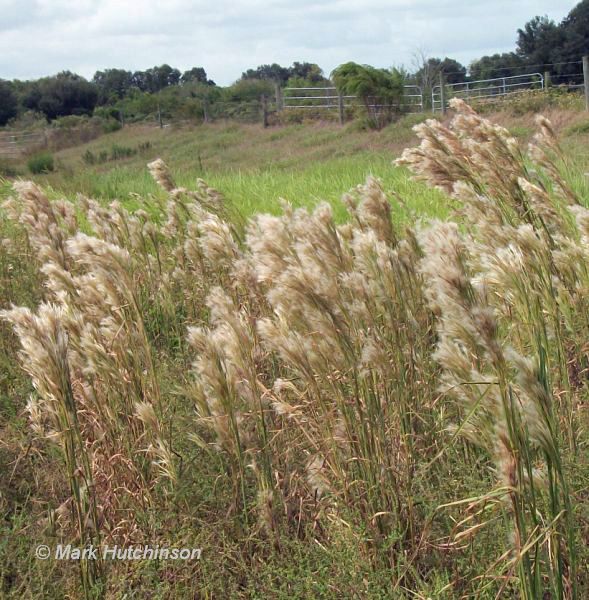
Broomsedge
Andropogon spp
1. Plant growth form: Broomsedge is a perennial, warm-season bunchgrass that typically grows 2–4 feet tall.
2. Native or nonnative: Broomsedge species are native to North America, including the southeastern United States.
3. Leaves, flowers, stems, and other features: It has narrow, flat leaves that turn reddish-orange or copper-brown in fall and winter, slender stems, and flower clusters with paired spikelets.
4. Wildlife use: It provides cover and nesting habitat for birds and small mammals, and its seeds can provide food for some seed-eating wildlife.
5. Other important information: Broomsedge commonly grows in old fields, roadsides, and disturbed areas, especially in acidic, nutrient-poor soils, and its mature foliage has low forage value for livestock.

Thistle
Cirsium spp
1. Plant growth form: Thistles are herbaceous broadleaf plants that are usually biennial or perennial, growing upright with spiny stems and leaves.
2. Native or nonnative: Some thistle species are native to North America, while others are introduced and invasive, depending on the species.
3. Leaves, flowers, stems, and other features: Thistles have prickly leaves with spiny edges, often hairy stems, and rounded flower heads that are usually pink, purple, or occasionally white.
4. Wildlife use: Thistle flowers provide nectar and pollen for bees and butterflies, while their seeds are an important food source for goldfinches and other seed-eating birds.
5. Other important information: Thistles commonly grow in fields, pastures, roadsides, and disturbed areas, and some introduced species can spread aggressively and become agricultural weeds.

Bermudagrass
Cynodon dactylon
1. Plant growth form: Bermudagrass is a low-growing, perennial warm-season grass that spreads rapidly through aboveground stolons and underground rhizomes.
2. Native or nonnative: It is generally considered introduced in the United States, originating from parts of Africa, Asia, and Europe.
3. Leaves, flowers, stems, and other features: It has narrow, gray-green leaves, creeping stems that root at the nodes, and distinctive seed heads with several finger-like spikes radiating from a central point.
4. Wildlife use: Bermudagrass provides grazing forage for deer and other herbivores, while its seeds may be eaten by some birds and small mammals.
5. Other important information: Bermudagrass is widely used for lawns, pastures, athletic fields, and erosion control, but it can spread aggressively and become difficult to remove from gardens and agricultural fields.

Crabgrass
Digitaria spp
1. Plant growth form: Crabgrass is an annual, warm-season grass that grows low to the ground and spreads outward, often rooting at lower stem nodes.
2. Native or nonnative: Some crabgrass species are native to North America, while others, such as large crabgrass (Digitaria sanguinalis), were introduced from other regions.
3. Leaves, flowers, stems, and other features: It has flat, relatively broad grass blades, spreading or creeping stems, and distinctive seed heads with several finger-like branches radiating from the top of the stem.
4. Wildlife use: Crabgrass provides forage for deer and other grazing animals, while its seeds are eaten by birds and small mammals.
5. Other important information: Crabgrass commonly grows in lawns, gardens, agricultural fields, and disturbed areas, and it can become a troublesome weed in turfgrass and crop fields.

Sumpweed
Iva annua
1. Plant growth form: Sumpweed is an annual herbaceous broadleaf plant that grows upright and typically reaches 2–6 feet tall.
2. Native or nonnative: It is native to North America and is commonly found in the central and eastern United States.
3. Leaves, flowers, stems, and other features: It has rough, toothed leaves arranged oppositely or alternately along the stem, branched stems, and small, inconspicuous greenish flowers clustered near the ends of branches.
4. Wildlife use: Sumpweed seeds can provide food for seed-eating birds and other wildlife, and the plant may offer cover for small animals.
5. Other important information: Sumpweed grows in moist, disturbed areas, floodplains, and field edges, and it is related to ragweed and can contribute to seasonal pollen allergies.

Black walnet
Juglans nigra
1. Plant growth form: Black walnut is a large, deciduous hardwood tree that commonly grows 50–100 feet tall.
2. Native or nonnative: It is native to eastern North America, including parts of the southeastern United States.
3. Leaves, flowers, stems, and other features: It has alternate, pinnately compound leaves with many leaflets, dark brown furrowed bark, and round green fruits containing hard-shelled nuts that turn dark as they mature.
4. Wildlife use: Its nuts provide food for squirrels, deer, mice, and other wildlife, while the tree offers nesting sites and shelter for birds and mammals.
5. Other important information: Black walnut produces juglone, a chemical that can inhibit the growth of certain nearby plants, and its valuable dark wood is widely used for furniture, cabinetry, and veneer.

Eastern red cedar
juniperus virginiana
1. Plant growth form: Eastern red cedar is an evergreen coniferous tree that typically grows 30–65 feet tall with a dense, pyramidal crown.
2. Native or nonnative: It is native to eastern and central North America, including Alabama and Mississippi.
3. Leaves, flowers, stems, and other features: It has scale-like adult leaves, reddish-brown fibrous bark, and small, bluish-purple, berry-like seed cones with a waxy coating.
4. Wildlife use: Its fleshy cones provide food for birds such as cedar waxwings and for some mammals, while its dense foliage provides nesting sites and protective cover for wildlife.
5. Other important information: Eastern red cedar tolerates drought and a variety of soils, readily colonizes abandoned fields and disturbed areas, and can become invasive in grasslands when fire is suppressed; it is also an alternate host for cedar-apple rust, a fungal disease affecting apple trees.

roundhead lespedeza
Lespedeza capitata
1. Plant growth form: Roundhead lespedeza is a native, perennial herbaceous legume that grows upright and typically reaches 2–5 feet tall.
2. Native or nonnative: It is native to North America and occurs in prairies, open woodlands, and other habitats across the eastern and central United States.
3. Leaves, flowers, stems, and other features: It has alternate, trifoliate leaves with three narrow leaflets, upright hairy stems, and dense, rounded clusters of small cream-colored flowers.
4. Wildlife use: Its seeds provide food for birds and small mammals, its flowers attract pollinators, and its foliage can provide forage for deer and other herbivores.
5. Other important information: Roundhead lespedeza is a legume that helps improve soil fertility through nitrogen fixation and is useful in native prairie restoration and wildlife habitat plantings.

Slender lespedeza
lespedeza virginica
1. Plant growth form: Slender lespedeza is a native, perennial herbaceous legume that grows upright and typically reaches 1–3 feet tall.
2. Native or nonnative: It is native to eastern North America, including the southeastern United States.
3. Leaves, flowers, stems, and other features: It has alternate, trifoliate leaves with three narrow leaflets, slender stems, and small pink to purplish flowers that grow in the leaf axils.
4. Wildlife use: Its seeds provide food for quail, other birds, and small mammals, while its foliage offers forage for deer and other herbivores.
5. Other important information: Slender lespedeza grows in open woods, dry fields, roadsides, and sandy or well-drained soils, and it helps improve soil fertility through nitrogen fixation.

Smooth sumac
Rhus glabra
1. Plant growth form: Smooth sumac is a native, deciduous shrub or small tree that typically grows 5–15 feet tall and spreads by root sprouts to form colonies.
2. Native or nonnative: It is native to North America and occurs throughout much of the United States, including parts of the Southeast.
3. Leaves, flowers, stems, and other features: It has alternate, pinnately compound leaves with many toothed leaflets, smooth reddish-brown stems, and dense clusters of small greenish-yellow flowers that develop into bright red, fuzzy fruit clusters.
4. Wildlife use: Its fruits provide food for birds and small mammals, while its branches offer nesting sites and protective cover for wildlife.
5. Other important information: Smooth sumac grows well in open fields, roadsides, and disturbed areas, helps control soil erosion, and produces brilliant red or orange foliage in fall.

Indian grass
Sorghastrum nutans
1. Plant growth form: Indiangrass is a native, perennial warm-season bunchgrass that typically grows 3–7 feet tall.
2. Native or nonnative: It is native to North America and is an important species in tallgrass prairies and southeastern grasslands.
3. Leaves, flowers, stems, and other features: It has long, narrow, blue-green leaves that turn golden-orange in fall, upright stems, and golden-yellow flower clusters with distinctive twisted awns.
4. Wildlife use: Indiangrass provides nesting cover and shelter for birds and small mammals, its seeds provide food for birds, and its foliage serves as forage for deer and grazing animals.
5. Other important information: Indiangrass is valuable for prairie restoration, livestock forage, and erosion control, and it grows well in full sunlight with moderate to well-drained soils.

Johnsongrass
Sorghum halepense
1. Plant growth form: Johnsongrass is a tall, perennial warm-season grass that typically grows 3–8 feet tall and spreads through underground rhizomes and seeds.
2. Native or nonnative: It is nonnative to North America, originating from the Mediterranean region and parts of Asia.
3. Leaves, flowers, stems, and other features: It has long, broad leaves with a prominent white midrib, thick upright stems, and large, open, branched flower clusters that turn reddish-purple as seeds mature.
4. Wildlife use: Its seeds can provide food for birds and small mammals, and its foliage may provide cover and forage for wildlife, although young or stressed plants can contain toxic levels of cyanogenic compounds.
5. Other important information: Johnsongrass is an aggressive invasive agricultural weed that spreads rapidly through rhizomes and seeds, competes with crops, and can be toxic to livestock, especially when young, drought-stressed, or frost-damaged.

Asters
Symphyotrichum spp
1. Plant growth form: Asters are herbaceous, perennial broadleaf plants that typically grow 1–6 feet tall, depending on the species.
2. Native or nonnative: Many Symphyotrichum species are native to North America, including the southeastern United States.
3. Leaves, flowers, stems, and other features: They have alternate leaves, upright stems, and daisy-like flower heads with yellow centers surrounded by purple, blue, pink, or white ray flowers.
4. Wildlife use: Asters provide important late-season nectar and pollen for bees, butterflies, and other pollinators, while their seeds provide food for birds and small mammals.
5. Other important information: Asters commonly grow in meadows, roadsides, wetlands, and woodland edges, and many species are valuable native plants for pollinator gardens and habitat restoration.

Purpletop
Tridens flavus
1. Plant growth form: Purpletop is a native, perennial warm-season bunchgrass that typically grows 2–5 feet tall.
2. Native or nonnative: It is native to North America and is commonly found throughout the southeastern United States.
3. Leaves, flowers, stems, and other features: It has narrow, flat leaves, slender upright stems, and open, branched flower clusters that turn purplish or reddish-brown as they mature.
4. Wildlife use: Purpletop provides seeds for birds and other seed-eating wildlife, while its stems offer cover for small animals and its foliage can be grazed by deer and livestock.
5. Other important information: Purpletop commonly grows in old fields, roadsides, open woods, and disturbed areas, and it tolerates a variety of soil conditions, including relatively dry and acidic soils.

White clover
Trifolium repens
1. Plant growth form: White clover is a low-growing, perennial herbaceous legume that spreads along the ground by creeping stolons that root at the nodes.
2. Native or nonnative: It is native to Europe and parts of Asia and is introduced and widely established throughout North America.
3. Leaves, flowers, stems, and other features: It has trifoliate leaves with three rounded leaflets, often marked with a pale crescent, and rounded clusters of small white flowers that may turn pinkish as they age.
4. Wildlife use: White clover provides nutritious forage for deer and other herbivores, while its nectar and pollen attract bees and other pollinators.
5. Other important information: White clover grows well in lawns, pastures, and open fields, tolerates frequent grazing, and improves soil fertility by fixing nitrogen through its relationship with soil bacteria.

Eastern gamagrass
Tripsacum dactyloides
1. Plant growth form: Eastern gamagrass is a native, perennial warm-season bunchgrass that typically grows 3–8 feet tall and forms large clumps.
2. Native or nonnative: It is native to North America, including the southeastern United States.
3. Leaves, flowers, stems, and other features: It has long, broad leaves resembling corn leaves, thick upright stems, and distinctive flower spikes with separate male and female flowers on the same plant.
4. Wildlife use: Eastern gamagrass provides cover and nesting habitat for birds and small mammals, produces seeds that may be eaten by wildlife, and offers nutritious forage for deer and livestock.
5. Other important information: It commonly grows in moist meadows, stream banks, and bottomlands, tolerates periodic flooding, and is valuable for erosion control, wildlife habitat restoration, and livestock grazing.
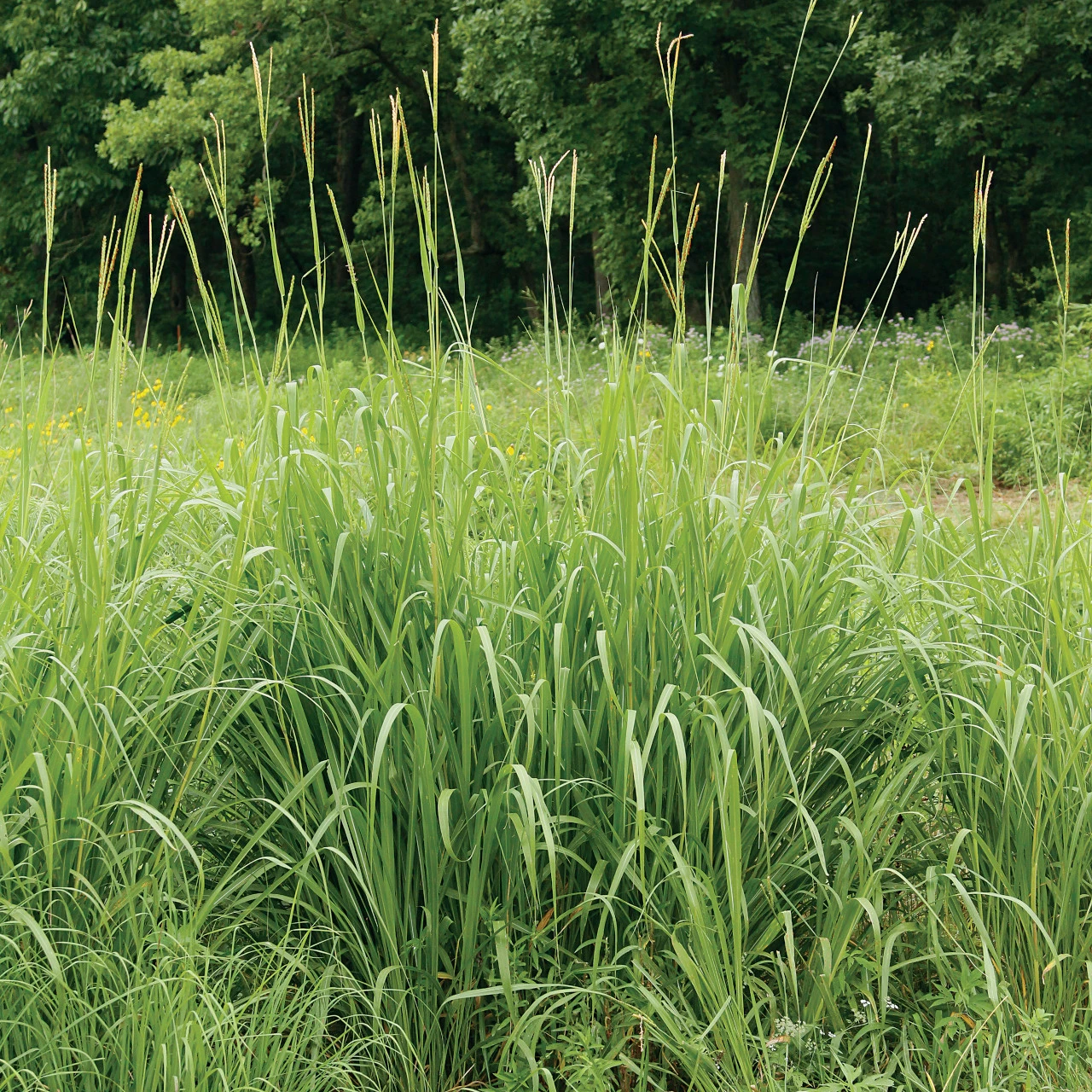
Broadleaf signalgrass
Urochloa platyphylla
1. Plant growth form: Broadleaf signalgrass is an annual, warm-season grass that grows low to the ground and spreads through branching, sometimes creeping stems.
2. Native or nonnative: It is native to North America and commonly occurs throughout the southeastern United States.
3. Leaves, flowers, stems, and other features: It has broad, flat leaf blades, often hairy leaf sheaths, spreading stems, and branched seed heads with small spikelets arranged along short racemes.
4. Wildlife use: Broadleaf signalgrass provides forage for deer and other grazing animals, while its seeds can provide food for birds and other seed-eating wildlife.
5. Other important information: It commonly grows in disturbed areas, crop fields, roadsides, and moist, fertile soils, where it can become an agricultural weed.

Wisteria
Wisteria spp
1. Plant growth form: Wisteria is a woody, perennial climbing vine that grows by twining around trees, shrubs, fences, and other structures.
2. Native or nonnative: Some wisteria species are native to North America, such as American wisteria (Wisteria frutescens), while Chinese and Japanese wisteria are introduced and invasive in the southeastern United States.
3. Leaves, flowers, stems, and other features: It has alternate, pinnately compound leaves with multiple leaflets, woody twining stems, hanging clusters of fragrant purple, blue, or white flowers, and long, bean-like seed pods.
4. Wildlife use: Its flowers attract bees and other pollinators, and its dense vines can provide cover for birds and small mammals, although the seeds and pods can be toxic if ingested.
5. Other important information: Chinese and Japanese wisteria can grow aggressively, smother native vegetation, and damage trees, while native American wisteria is generally less aggressive and is a better choice for wildlife-friendly landscaping.
