Lesson 13 - 14: Environmental Education, Pollution Management, and Basic Life Support
 Call Kai
 Learn
 Practice Test
 Spaced Repetition
 Match
 Flashcards
 Knowt Play
1/50

There's no tags or description
Looks like no tags are added yet.
51 Terms
What is the environment?
The environment is our surroundings, including natural and human-made things that influence how we live.
What is environmental education?
A process of teaching and learning that helps individuals acquire understanding, skills, and values to become active and informed citizens for ecological sustainability.
What is the goal of environmental education?
To develop environmentally literate and responsible citizens who ensure the protection and improvement of the environment.
List the specific objectives of environmental education.
Awareness, knowledge, attitudes, skills, and participation in resolving environmental problems.
What are the characteristics of effective environmental education?
Action-oriented, experiential, future-oriented, globally-oriented, holistic, interdisciplinary, and issue-oriented.
Define pollution.
The alteration of our surroundings, largely due to human actions, affecting the chemical and physical constituents of organisms.
What is air pollution?
The physical and chemical alteration of air properties that is harmful to human health, vegetation, and animals.

What are the two major types of air pollution?
Indoor air pollution and outdoor air pollution.
What causes outdoor air pollution?
A mixture of chemical loads from natural events and human activities that react with natural atmospheric components.
What is indoor air pollution?
The accumulation of harmful chemicals and substances inside buildings, offices, and homes.
Define water pollution.
Physical or chemical changes in surface and ground water caused by pollutants that adversely affect living organisms.
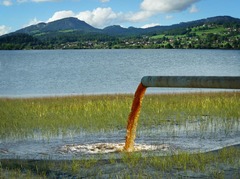
What are the two major types of water pollution?
Point source and non-point source pollution.
List common types of water pollutants.
Disease-causing organisms, oxygen-demanding wastes, inorganic chemicals, organic chemicals, sediments, and radioactive substances.
What is solid waste/land pollution?
The presence of solid waste in land that is injurious to human health, welfare, or the environment.

What are the four categories of waste citizens should divide their garbage into?
Combustibles, non-combustibles, recyclables, and hazardous wastes.
What are the methods of solid waste disposal?
Landfills, incineration, and ocean dumping.
What are the 4 R's of personal waste management?
Reduce, reuse, recycle, and repair.
What does 'reduce' mean in waste management?
To limit or conserve the use of materials for more important projects.
What does 'reuse' mean?
To use materials again that are non-degradable, reusable, and recyclable.
What does 'recycle' mean?
To process materials to create new products or similar functional products.
What is the Earth Charter for Sustainable Development?
A set of principles aimed at promoting respect for Earth, community well-being, and sustainable practices.
What is one principle of the Earth Charter?
Respect Earth and life in all its diversity.
What does the Earth Charter say about poverty?
It should be eradicated as an ethical, social, and environmental imperative.
What is the importance of integrating ecological knowledge into education?
To equip individuals with the values and skills needed for a sustainable way of life.
What role do democratic institutions play according to the Earth Charter?
They should be strengthened to ensure transparency, accountability, and inclusive participation in decision-making.
How does the Earth Charter address gender equality?
It affirms gender equality and equity as prerequisites for sustainable development.
What is the significance of promoting a culture of tolerance and peace?
To foster a respectful and considerate treatment of all living beings.
What is the primary goal of basic first aid?
To provide immediate care to an injured or suddenly ill person.
What does CPR stand for?
Cardiopulmonary Resuscitation.

What is Advanced Cardiac Life Support?
The use of special equipment to maintain breathing and circulation for a victim of a cardiac emergency.
What is the first step in adult rescue breathing and CPR?
Check responsiveness by tapping or gently shaking the victim.
What should you do after checking responsiveness in an adult?
Activate the EMS system for help.
What is the proper position for a victim during CPR?
Roll the person onto their back.
How long should you check for breathing during CPR?
10 seconds.
What is the first action to take if a victim is choking?
Recognize the signs of choking, such as inability to speak, breathe, or cough.
What is the universal distress signal for choking?
Clutching the neck with one or both hands.
What should you do for a conscious choking adult?
Give abdominal thrusts until the object is expelled or the victim becomes unconscious.
What is the difference in CPR for children compared to adults?
Activate EMS after one minute of resuscitation and use one hand for chest compressions.
What is the proper hand position for CPR on an infant?
Place 2 fingers on the breastbone, 1 finger's width below the imaginary line connecting the nipples.
What is the recommended depth for chest compressions on an infant?
Depress the breastbone ½ to 1 inch.
What is the first step in a scene survey during an emergency?
Take charge of the situation.
What does the acronym SAMPLE stand for in victim assessment?
Symptoms, Allergies, Medications, Past medical history, Last oral intake, Events leading up to the illness or injury.
What are the three areas covered in the initial assessment?
A - Airway, B - Breathing, C - Circulation.
What should you do if the scene is unsafe during a rescue?
Do not enter the scene.
What is the purpose of victim assessment?
To find out what is wrong and how serious it is.
What is the recommended rate of chest compressions for infants?
At least 100 per minute.
What should you do if two rescue breaths do not go in for an unconscious choking victim?
Begin CPR and check for an object in the throat.
What is the importance of consent in first aid?
To ensure that the victim agrees to receive help.
What is the recommended action if a choking victim becomes unconscious?
Use methods for unconscious victims, including CPR.
What should you do if the scene is unsafe?
Make it safe or do not enter.
What is the main focus of first aid?
To provide immediate care until professional medical treatment is available.