Ch 10 Thinking + Intelligence
 Call Kai
 Learn
 Practice Test
 Spaced Repetition
 Match
 Flashcards
 Knowt Play
1/17

There's no tags or description
Looks like no tags are added yet.
18 Terms
Schema
A set of expectations about objects and situations.
Use of information to meet a specific goal
Problem Solving
Problem solving steps
Understand the problem
Make a plan
Execute the plan
Reflect
Algorithms
Precise, step-by-step rules for reaching a certain solution
Heuristics
A shortcut to problem solving.
not guaranteed to reach a solution
Recognition heuristic
Predicts people place a higher value on a solution they already recognize

Availability heuristic
basing the probability of an event on how easily relevant instances come to mind
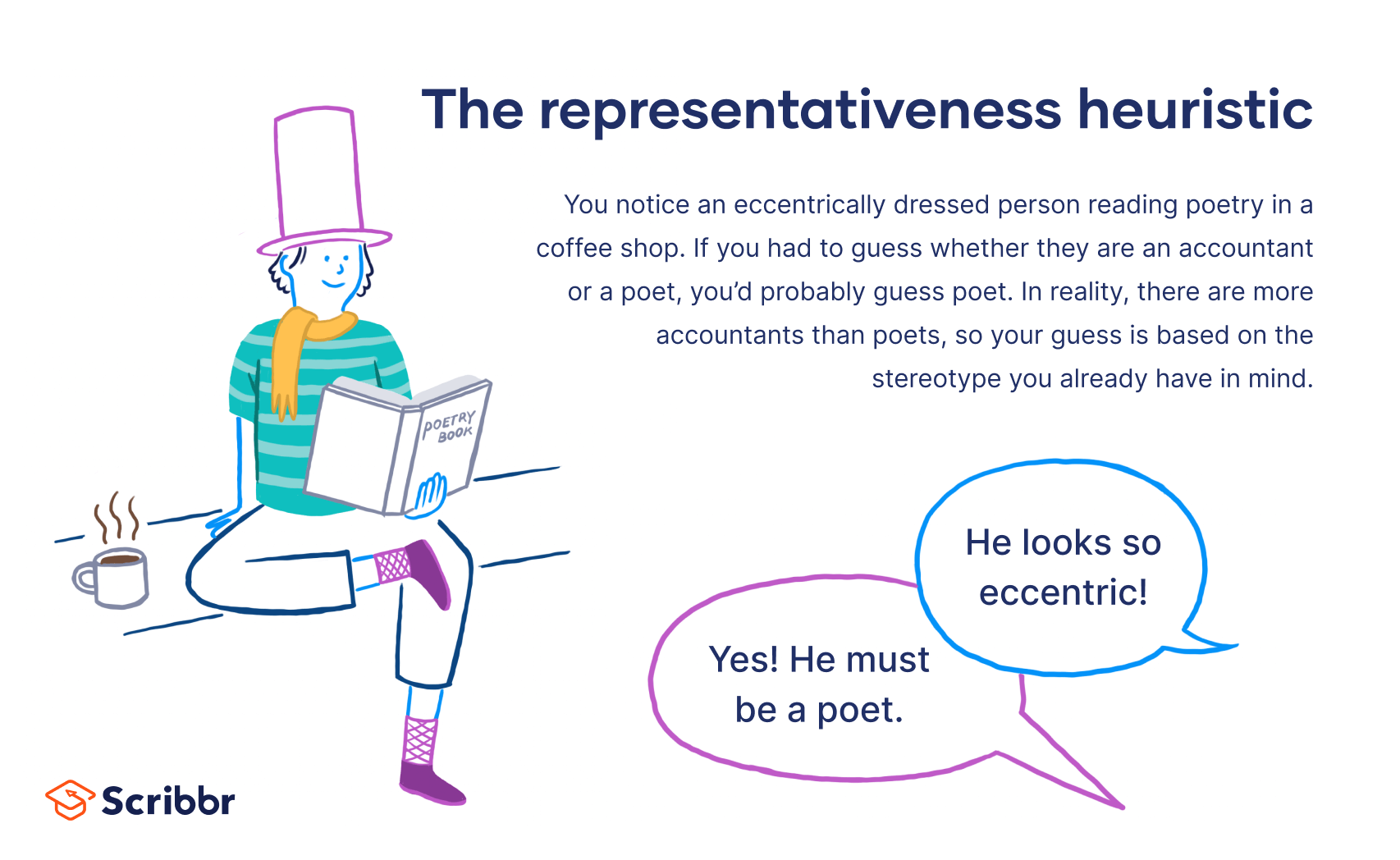
Representative heuristic
basing the probability of an event on its similarity to the typical prototype

Affect heuristic
solutions chosen based on emotional feelings or gut instinct

Orbitofrontal cortex
linked to pleasure and pain situations
deciding to study produces immediate “pain” but also promises the future pleasure of obtaining an interesting job and making money

Anterior cingulate cortex
Involved in complex, social decision-making
Language
system to communicate thoughts and feelings through arbitrary signals
includes gestures, voice sounds, and written symbols

Aphasia
Loss of ability to speak or understand language

Intelligence
ability to:
understand complex ideas
adapt to environment
learn from experience
reason
overcome obstacles
Crystallized intelligence
ability to think logically using prior specific knowledge
Fluid intelligence
ability to think logically without needing previously learned knowledge
Emotional intelligence
allows people to manage emotions and reason about the mental states of others
Heritability and intelligence
75% of the variance in intelligence observed in the population can be attributed to genetics
Does NOT mean that 75% of the person’s intelligence is because of genetics!