Prenatal Care
 Call Kai
 Learn
 Practice Test
 Spaced Repetition
 Match
 Flashcards
 Knowt Play
1/50

Earn XP
Description and Tags
np ll
51 Terms
Goodell sign
Soft cervix
Cervical softening occurs
with pregnancy
Hegar Sign
is the palpation of softening of the lower uterine segment that occurs early in pregnancy, indicating a positive early sign of pregnancy.
Quickening
is the first noticeable movement of the fetus, typically felt between 16 and 25 weeks of gestation. It signifies fetal activity and is often an exciting moment for expectant mothers.
Amenorrhea + nausea
are common symptoms during early pregnancy, often indicating hormonal changes and the body's adaptation to pregnancy.
Supine + dizziness after ~20 weeks
Turn lateral, preferably left. Relieves vena cava compression and improves venous return.
Montgomery’s tubercles
Hypertrophied sebaceous glands on the areola that secrete a lubricating, protective fluid; considered a presumptive sign of pregnancy. it prevent the nipples from cracking
Colostrum
The thick, yellowish precursor to breast milk rich in antibodies and nutrients, produced starting around the 16th week of pregnancy.
Chadwick’s sign
Bluish-purple discoloration of the cervix- probable sign
Braxton Hick contration
Irregular, painless uterine contractions that occur intermittently throughout pregnancy without causing cervical dilation (false labor)
Operculum
its a mucus plug that act to seal out bacteria during pregnancy therefore helps prevent infection in the fetus and membranes
Melasma/ Chloasma
it is the Mask of Pregnancy
Residual volume in preggy mon
It decreases up to 20% by the pressure of diaphragm ( the amount of air remaining in the lungs after expiration)
Tidal volume in preggy mom
it increases up tp 40% ( the volume of air inspired)
Vital Capacity in preggy mom
IT DOES NOT DECREASE NOR INCREASE ( the max volume exhaled after a minimum inspiration)
Blood volume of preggy mom
it increases up to 30% to 50% - to provide adequate exchange of nutrient in the placenta and compensate to blood loss
Blood loss in preggy mom
vaginal birth - 300 to 400 ml
cs birth - 800 to 1000 ml
Heart rate of preggy mom
it increases 10 beats per min
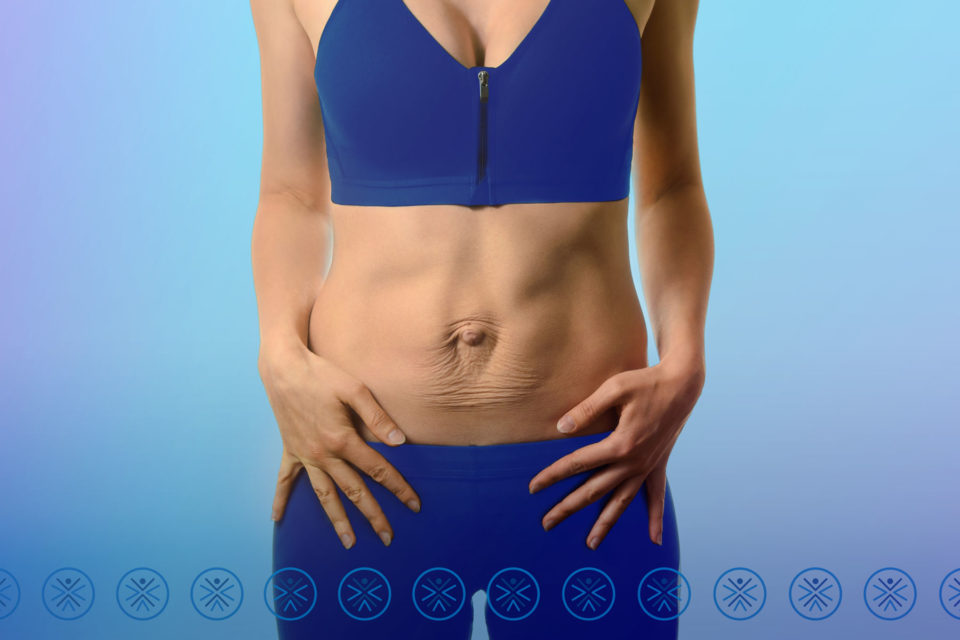
Diastasis Recti
medical condition characterised by separating the two large, parallel abdomen muscles during pregnancy.
Presumptive
Subjective (Mother), weak evidence
a. Breast tenderness
b. Amenorrhea
c. Urinary changes
d. Nausea and vomiting
e. Skin changes
i. Chloasma/Melasma:
Mask of pregnancy
ii. Linea nigra:
Hyperpigmentation
iii. Striae gravidarum:
Stretch marks
f. Quickening: Fetal movement
felt by the mother
Probable
Objective (Nurse)
● Stronger evidence
a. Pregnancy test (+)
b. Reproductive changes
i. Hegar’s
ii. Chadwick’s
iii. Goodell’s
c. Braxton Hicks contraction:
painless irregular contraction
d. Ballottement: Passive
movement of an engaged
Positive
Absolute (100% pregnant)
a. Fetal heart tone (120-16o
bpm)
b. Fetal movement felt by
examiner
c. Ultrasound
Homan’s sign
Dorsiflexion of the foot (+)
Homan’s
■ Possible DVT
■ Do not massage
■ Elevate the legs
FHT monitoring
FHT monitoring: 120-160 bpm normal
Auscultation:
3 months: Doppler
4 months: Fetoscope
5 months: Stethoscope
UTZ - TRANSVAGINAL
EARLY PREGNANCY → EMPTY BLADDER
UTZ- ABDOMINAL ULTRASOUND
LATE PREGNANCY → DRINK WATER (3-4 GLASSES)
PAP SMEARK
Class l- normal
Class Il-inflammation: No IE
Class III-mild to moderate dysplasia: No sex
Class IV-probably malignant: Difficult to
recover
Class V-possibly malignant: Slimmest chance
to survive
4 P’S OF LABOR
Passageway
Passenger
Power
Psych
Anterior Fontanelle
‘ Diamond shape’
closes at 12-18 months
Posterior Fontanelle
“triangular shape”
closes at 3 months
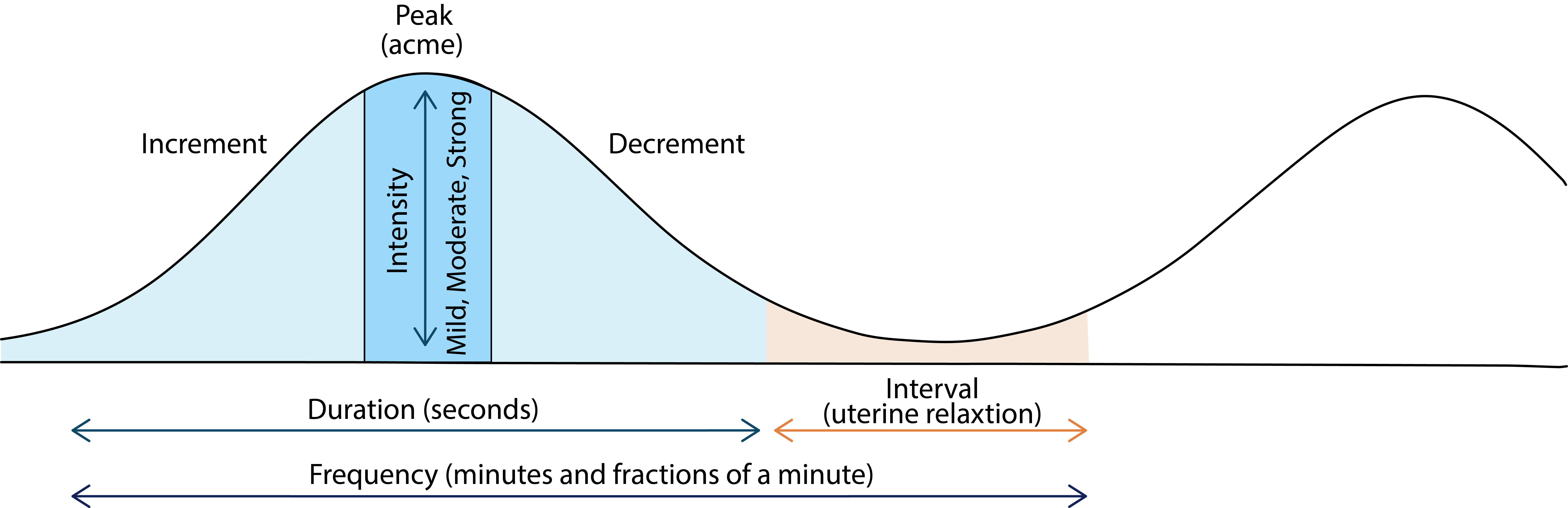
POWER ( 4p’s of labor")
Duration= beginning to end
early labor _20-30 sec; late = 60-70 secs
Interval= end of one contraction to beginning of one
early labor : 40-45 mins ; 2-3 mins
Frequency = beginning to beginning
2-3 contraction
Intensity = strength of contraction
1st stage of Labor (dilation)
NORMAL = 1CM/HOUR
L- atency = 0-3 cm- health teaching
A- ctive = 4-7 cm- Mother loses self control, Increase frequency, duration, shortened, interval, Focus: PAIN
T- ransition = 8-10cm - Fully dilated,effaced. Transfer LR ➡DR
2nd stage ( expulsion stage) ‘EDFIEREE’
ENGAGEMENT
DESCENT
FLEXION
INTERAL ROTATION
EXTENSION
RESTITUTION
EXTERNAL ROTATION
EXPULSION
CARDINAL SIGN ( edfieree)
Engagement – The widest part of the fetal head enters the pelvic inlet.
Descent – The baby moves downward through the birth canal.
Flexion – The baby's chin moves toward the chest, allowing the smallest head diameter to pass.
Internal Rotation – The baby's head rotates to align with the mother's pelvic outlet.
Extension – The baby's head extends as it passes under the pubic bone and emerges.
Restitution (External Rotation) – The baby's head rotates to realign with the shoulders.
Expulsion – The shoulders and the rest of the baby's body are delivered.
lochia
rubra 0-3 days Reddish
Serosa 4-9th day Pinkish to brownish
Alba 7-10 days Up to 6 weeks Whitish
True Labor
Regular and predictable
● Lower back abdomen
● Increase frequency, duration
● Shortened interval
● Pain is not relieved by ambulation
● With cervical changes
○ Dilatation and effacement
○ Show: mucus plug expulsion
False Labor
Irregular contraction
● Pain is confined in the abdomen
● No increase in frequency, duration and interval
● Pain is relieved by ambulation
● Absent cervical changes
Danger sign of Pregnancy
Chills and fever
Cerebral disorders (dizziness )
Abdominal pain
Boardlike Abdomen
Blood pressure elevation
Blurred Vision
Bleeding
Swelling
Scotoma ( blind spot on the retina )
Sudden gush of fluid
oxytocin
labor stimulates PPG to produce oxytocin that causes uterine
contraction.
Prostaglandin
labor causes release of arachidonic acid which in turn increases the production of prostaglandin -> uterine contraction
PROGESTERONE DEPRIVATION
decrease causes uterine contraction
Fetal Station
Relationship of the presenting part to ischial
spine
-1: 1 cm above ischial spine
-3: needs therapeutic rest
0: level of ischial spine, ENGAGEMENT
+3, 4, 5: crowning (2nd stage of labor)

Ankle Edema DISCOMFORT OF PREGNANCY
Elevate feet when sitting or resting
Practice frequent dorsiflexion of feet
Avoid standing for a long period of time.
BACK ACHE (DISCOMFORT)
Practice good body mechanics
Practice pelvic tilt exercise
Avoid long standing, high heels, heavy lifting, over fatigue and excessive bending or reaching
CONSTIPATION (DISCOMFORT)
Increase fiber in the diet
Drink additional fluids
Have a regular time for bowel movement
Exercise
Use stool softeners as needed
FAINTHNESS
Arise and move slowly
Avoid prolonged standing
Remain in a cool environment; avoid crowded places
Lie on left side when lying down.
HEARTBURN (PYROSIS)
Eat small, frequent meals
Avoid spicy, greasy foods
Refrain from lying down immediately after eating
Use low – sodium antacids
HEMORRHOIDS
Avoid constipation and straining with BM
Take hot sitz bath, apply topical anesthetics, ointments, ice packs
PTYALISM - SALIVATION
Use mouthwash as needed
Chew gum or suck on hard candy.
LEUKORHEA
VAGINAL DISCHARGE
Wear cotton underwear; bath daily; avoid tight panty hose