Lecture 10: Great Zimbabwe
 Call Kai
 Learn
Learn Practice Test
 Spaced Repetition
 Match
Match Flashcards
 Knowt Play
1/16

There's no tags or description
Looks like no tags are added yet.
Name | Mastery | Learn | Test | Matching | Spaced | Call with Kai | Chat |
|---|
No analytics yet
Send a link to your students to track their progress
17 Terms
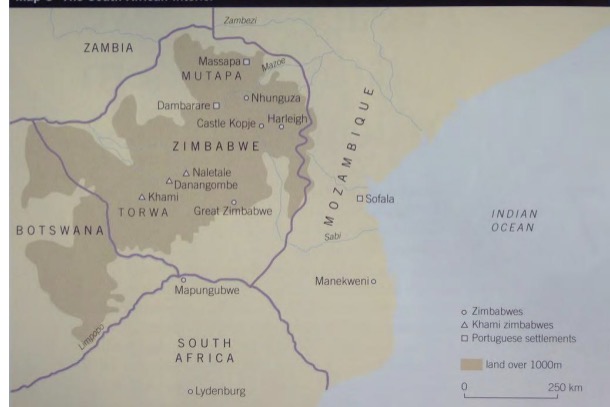
Map of southern Africa with location of the Zimbabwe Plateau and Great
Zimbabwe. At its height ca. 1250-ca. 1450, Great Zimbabwe was the
largest and most important of several similar sites on the Zimbabwe
plateau. It was preceded by Mapungubwe.
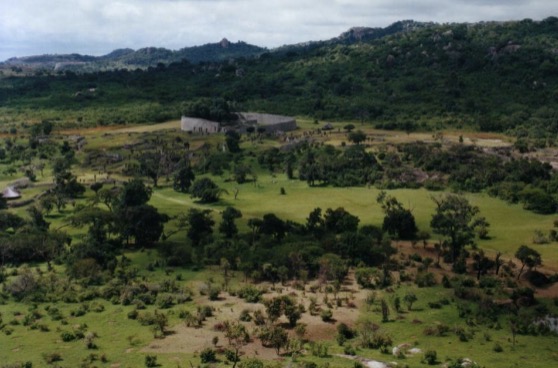
General View of Great Zimbabwe
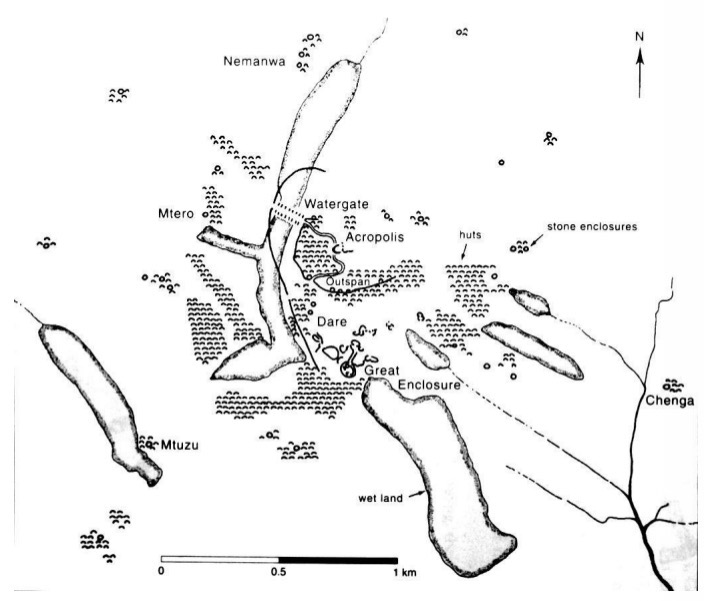
Plan of Great Zimbabwe, showing the location of the Great Enclosure, Valley Enclosures, and dare or open court area. The areas of daga
huts (marked ^^) are where most of the population lived. (“Acropolis” here refers to the Hill Complex

Labeled plan of Great Zimbabwe showing the location of the Hill Complex (with Eastern and Western Enclosures) and the major
enclosures of the Valley.
There is no evidence the enclosures were roofed, nor that they served a defensive function. Instead, they were primarily markers of
status that separated the ruler and elite from the general population. They contained residences and ritual sites.
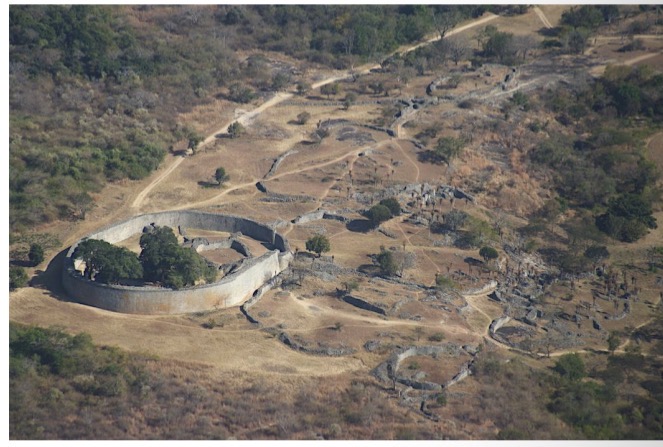
Aerial or bird’s eye view of Great Enclosure and Upper Valley Enclosures.
There is no evidence the enclosures were roofed, nor that they served a defensive function. Instead, they were primarily markers of
status that separated the ruler and elite from the general population. They contained residences and ritual sites.

Plan of the Hill Complex. The Western
Enclosure on the Hill was likely the residence of
the ruler.
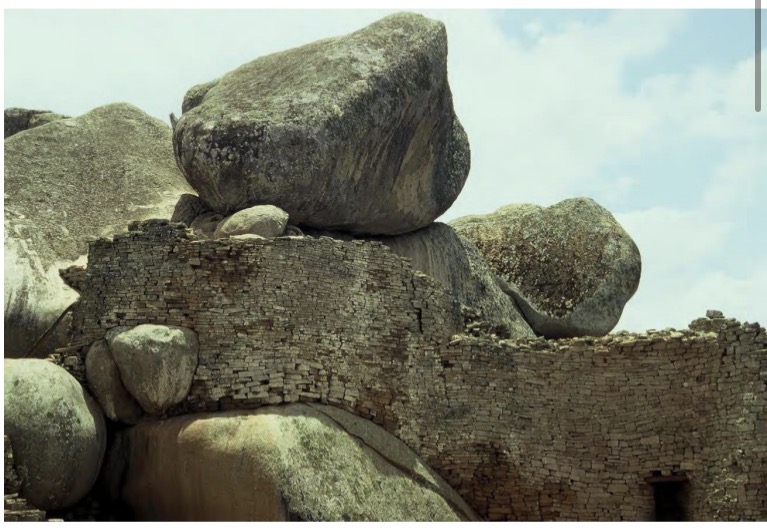
View of Hill Complex enclosure walls with Phase 1 stonework
This view demonstrate how the enclosures abut, run over, and incorporate some of the natural boulders of the Hill, suggesting how
architecture extends and recreates the forms of the spiritually charged landscape. In Shona culture, the land belongs to the ancestors,
and the ruler or king is its custodian in their name. The stone enclosures, associated with the ruler, make visible this rela tionship and
manifest his authority.
Phase 1 is the earliest phase of stonework, marked by wavy, irregular courses of dressed stone
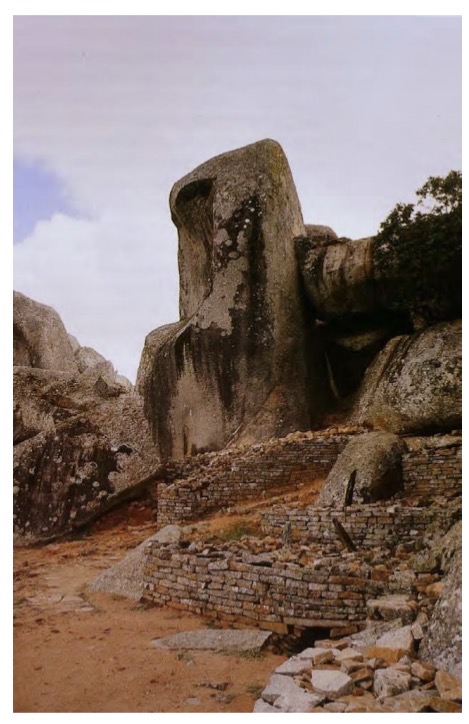
View of the Eastern Enclosure of the Hill Complex,
possibly a center of ritual. The soapstone bird sculptures,
found at this site, echo the form of the boulder above.
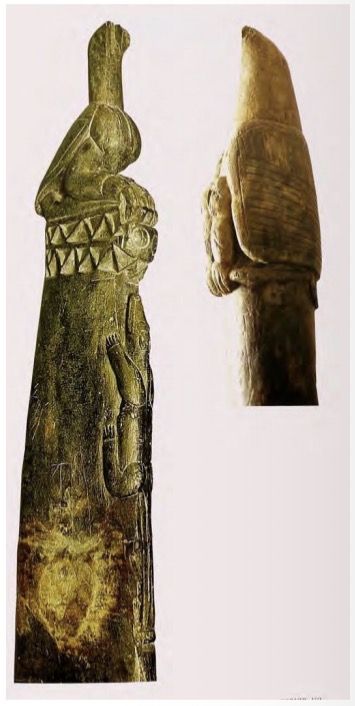
Two of the eight large ‘birds’ carved as the finials of long
monoliths (approximately 2 meters tall) found in the Hill
Complex. Soapstone.
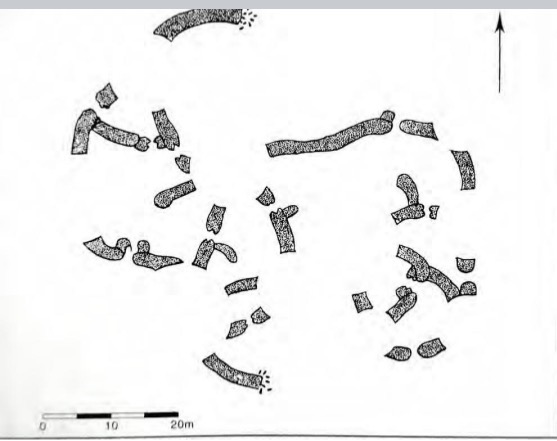
Archaeological plans of the Maund Ruin. Above, plan of stone
walls only. What appeared to be random pieces of wall originally connected
and enclosed numerous dwellings and gathering spaces with
platforms, all built out of daga.

Archaeological plans of the Maund Ruin. reconstruction plan of stone walls and daga huts
as revealed by excavations of Gertrude Caton-Thompson in 1929.
What appeared to be random pieces of wall originally connected
and enclosed numerous dwellings and gathering spaces with
platforms, all built out of daga.
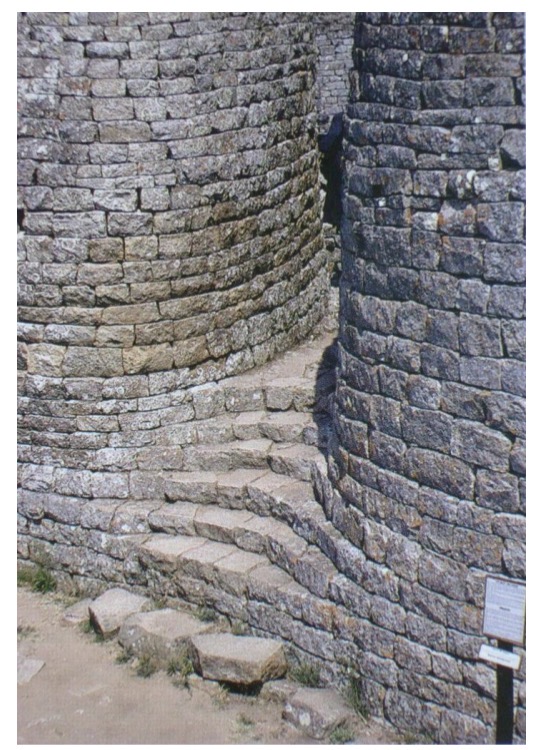
Great Zimbabwe: Great Enclosure
View of doorway in Great Enclosure with refined
stonework (Phase 2). Narrow opening and high threshold
suggest restriction of access
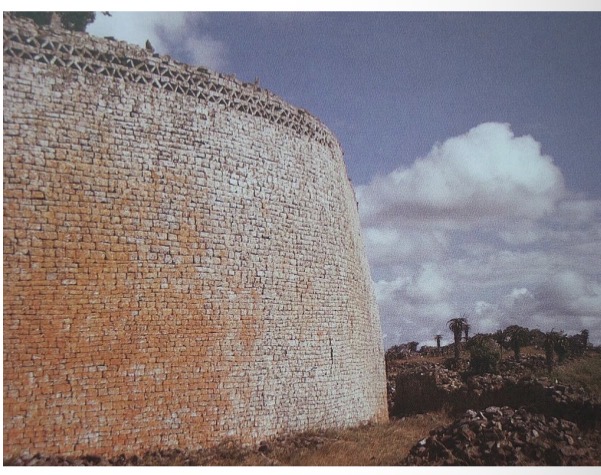
View of Exterior wall of Great Enclosure showing Phase 2 Stonework (most
regular, even courses of dressed stone), battered profile, and chevron
frieze at top.
Building material was granite from surrounding land. With the rapid
changes in temperature characteristic of this region, the stone flaked
naturally into brick-like blocks that could be used to construct the dry-
stone walls.

Plan of the Great Enclosur
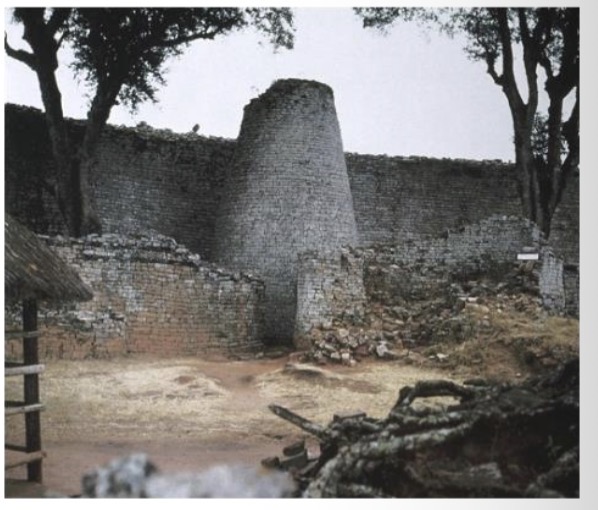
View of the Conical Tower in the Great Enclosure
Conical Tower and adjacent platform within the Great Enclosure were likely a ritual site. Conical Tower resembles
a grain bin (silo) but is solid inside. The walls and towers would have conveyed the power of the ruler and elite to
command and organize the labor necessary to build such impressive structures. The precise function of the Great
Enclosure is still debated but seems to have housed the elite and been connected with elite rituals.
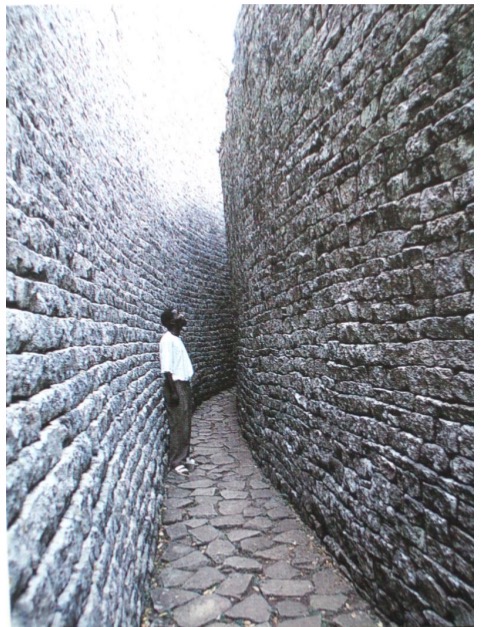
View of passage in the Great Enclosure
Narrow entrances and passageways suggest a desire to restrict and filter access to the ruler and
elites.
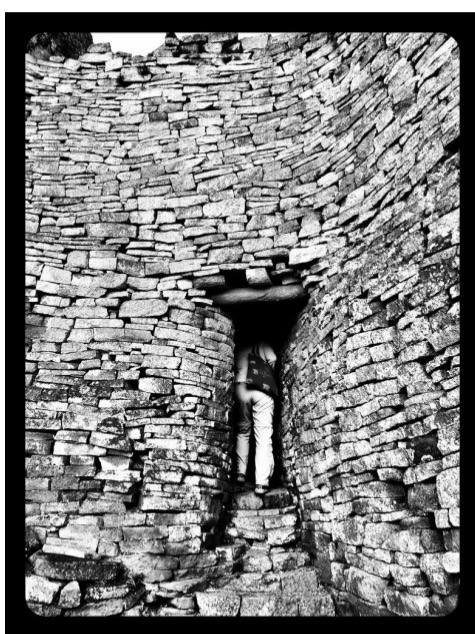
view of doorway in the Western Enclosure, Hill Complex
Narrow entrances and passageways suggest a desire to restrict and filter access to the ruler and
elites.