Medical Botany Exam 2
 Call Kai
 Learn
 Practice Test
 Spaced Repetition
 Match
 Flashcards
 Knowt Play
1/145

There's no tags or description
Looks like no tags are added yet.
Name | Mastery | Learn | Test | Matching | Spaced | Call with Kai | Chat |
|---|
No analytics yet
Send a link to your students to track their progress
146 Terms
Mycotoxin Gold Rush
1960 - 1975
Many scientists joined the well-funded search for toxigenic agents produced by fungi. Cause a bunch of people died from contaminated peanut butter?
How many mycotoxins identified
400+ compounds now recognized as mycotoxins
“Poisoning by natural means”
Mycotoxin poisoning similar to exposure to pesticides or heavy metal residues, usually accidental exposure.
Severity of mycotoxin poison depends on
Vitamin deficiency, caloric deprivation, alcohol abuse, infectious disease status
Symptoms of disease from mycotoxin depend on:
type of mycotoxin
amount and duration of exposure
age, health, sex of individual
poorly understood factors like genetics, diet, interactions with other toxins
Biggest problem with mycotoxicoses
Heighten vulnerability to microbial diseases, worsen malnutrition effects, interact synergistically with other toxins
All mycotoxins are of fungal origin (microfungi), but
not all toxic compounds produced by fungi are mycotoxins.
Who is at risk of being exposed to mycotoxins, in general
places with poor food handling and storage, places with malnutrition issue, and where there are fewer regulations to protect exposed populations.
Who in US is susceptible to mycotoxin exposure
Hispanic population (consume more corn that rest of population and inner city populations (more likely to live in buildings that harbor high levels of molds)
Control of mycotoxins
Good agricultural practice
sufficient drying of crops after harvest before storage
preventing pre-harvest contamination by increasing host resistance
improved government screening and regulation programs
Mycotoxin ideal environment
Humid, warm, nutrient-rich area
Increasing host resistance:
Plant breeding, genetic engineering (enhance antifungal genes), use of biocontrol agents that target regulatory genes in mycotoxin development
Main mycotoxins that are monitored
Aflatoxins B1, B2, G1, G6
Aflatoxin M1
Ochratoxin A (OTA)
Trichothecenes (DON, HT-2, T-2)
Patulin
Fumonisins
Zearalenone
Citrinin
Aflatoxin M1
Found in dairy, from animals that got aflatoxin B1 from the food they ate
Aflatoxins B1, B2, G1, G6
Peanuts, corn, Brazil nuts, pistachios, pumpkin seeds, cotton seeds, watermelon seeds
Ochratoxin A (OTA)
Cereals, edible animal tissue, raisins, currants, ginger, beans
Trichothecenes (DON, HT-2, T-2)
Corn, wheat barley, oats, rice, rye, sunflower seeds
Fumonisins
Corn and Breakfast cereals
Zearalenone
Corn and corn based foods, wheat, barley, sorghum, rye
Citrinin
Wheat, oat, barley, rice, monascus derivatives, fermented sausage
Ergot Alkaloids
Affect rye, barley, and wheat. Can cause convulsions, nausea.
Salem Witch Trials - women mistaken for witches but they were just infected with this fungi.
Was used to induce contractions for labor.
Patulin
Fruits (apples, pears), non-fermented fruit juices, grains, cheese
Comparable to mycotoxins
Aflatoxins
Isolated after Turkey X Disease (consumption of a mold-contaminated peanut meal)
Four major: B1, B2, G1, G2
B1 is the most potent natural carcinogen known, unfortunately major aflatoxin produced by toxigenic strains,
Aspergillus flavus and Aspergillus parasiticus
How Aflatoxin contaminates via agriculrural products
Natural contamination of agricultural products (cereals, figs, oilseeds, nuts, tobacco, etc)
Contamination in field before harvest
More problems during storage (moist and humidity)
Effect of aflatoxin contamination of grain
Increased farm animal mortality, lowers value of exported grain as animal feeds.
Where is Aflatoxin biggest problem
Countries where population is facing starvation or regulations non-existent or not enforced.
Aflatoxin mechanism of action, effects, affected population
Cytochrome enzymes convert to an epoxide that binds to N7 of guanine. Eventual mutation of G/C to A/T.
Difficult to extrapolate animal results to human cause different enzymes
Can cause liver cancer: prevalent in China, Philippines, Thailand, some African countries. Risk factor: Hepatitis B
Ergot Alkaloids + history, associated drug, effects, structure
Produced by Claviceps, primarily a grass pathogen
Associated with disease since 600 BCE. Common in Europe during Middle Ages. St. Anthony’s Fire - bread from contaminated flour. Eating cereals infected with a toxic cocktail of alkaloids with ergoline ring systems. “Noxious pustile in the ear of grain”. Monks would remove it.
Associated with LSD
Effects - Gangrene: affects muscle, affecting blood supply to extremities. Convulsions (affects CNS), hallucinations
Resembles serotonin

Secale Cereal with Claviceps purpurea. Would do on purpose to produce ergot alkaloids
Corn smut
Produced by fungus, used in some Mexican dishes.
Ergot alkaloids effects on what, mechanisms of action.
Cattle, sheep, pigs, chicken who eat contaminated grains.
Symptoms: gangrene, abortions, convulsions, suppression of lactation, hypersensitivity.
Mechanism of action:
Induce smooth muscle contraction. Midwives used to induce contractions
Ergot Alkaloids History
1943 - Birth of LSD
Developed methergine to control hemorrhaging after childbirth. Continued research led to discovery of LSD. Marketed as Delysid - unsuccessful treatment of schizophrenia
Ergot alkaloids Uses
MK-ULTRA code name. Used after WWII by CIA as truth serum on suspected communists.
Ergotamine - used to treat migraine headaches
Ergot derivatives used in treatment of Parkinsonism.
Fumonisin produced by, economic importance, corn relation
Produced by Fusarium. Alternaria alternata.
Fusarium verticillioides - a corn endophyte that causes seedling blight, stalk and ear rot. Plant can be asymptomatic until smth triggers it. All corn has fungus. but most strains do not produce toxic compound.
Fumonisin Medical Importance
Interference with sphingolipid metabolism in animals, vertebrates. Causes leukoencephalomalacia (hole in head syndrome) in birds and rabbits.
In humans: neural tube defects, linked to esophageal cancer. (Charleston, SC - 7 cases of esophageal cancer from eating lots of corn that was contaminated. City with highest insidence of esophageal cancer among African Americans)
Tricothecenes species, effects.
Over 60 compounds produced by:
Fusarium, Phomopsis, Trichoderma, Myrothecium, Stachybotrys, Trichothecium.
Can cause hemorrhaging, vomiting, dermatitis. Potent inhibitors of eukaryotic translation/protein synthesis. Specifically peptidyl transferase.
Eating mold grain.
Sick building syndrome (Stachybotrys)
Stachybotrys
Black mold, part of Trichothecenes
Found in wet building material, like gypsum board ceiling tiles, wood fiber, A/C vents
Causes Sick-building syndrome
Causes pulmonary bleeding in infants exposed for long time
10th plague visited on Egypt
Hurricanes can increase growth
Nonmacrocyclic and Macrocyclic Tricothecenes
Type A and Type B (Vomitoxin or Food Refusal Factor for animals) both nonmacrocyclic

Trichothecenes, Deoxynivalenol
Most common mycotoxin found in grain, especially barley. Aka vomitoxin or food refusal factor. Causes nausea, vomiting, diarrhea, weight loss and food refusal in farm animals.
Trichothecenes, T-2 and Diacetoxyscirpenol effects
Cytotoxic activity, immunosuppressive effect.
Disease caused by Trichothecenes, T-2 and Diacetoxyscirpenol
Alimentary toxic aleukia - skin inflammation, vomiting, oral cavity necrosis, nose mouth vaginal bleeding, CNS issues.
Cucurbitacins
Antifeedants, steriod compounds. Four ring structure. From Cucurbitaceae - Gourds/squash family
Salivation, stomach cramps, diarrhea, nausea vomiting, even death

Lycorine, Galantamine, raphide oxalates
raphide - crystal structures in cells
Tropane alkaloids
Belladonna extract (atropine) for eye dilation
produced by Nightshade plants
Glycoalkaloids
Potatoes (avoid green parts, sprouts). Increases with light, injury. Produced to protect itself. Sprouts and flowers are very toxic. a-solanine, a-chaconine
Cucurbitaceae
1000 species. Highest portion used for human food. Cucurbitacins. Color change indicates ripening and TOXINS.
Cucubrita, citrillus, trichosanthes, lageneria, luffa, momordica, ecballium
Can make when under stress (drought, too much heat) to protect themselves
Cucurbita (pepo)
Pumpkin, squash, zucchini
Citrillus
Watermelon
Trichosanthes
Snake gourd
Lagenaria
Calabash, Bottle gourd
Luffa
Ridge gourd, luffa
Cucumis (sativus)
Cucumber
Momordica
Bitter melon/gourd
Ecballium
Squirting cucumber
Tetracyclic triterpenes and CE?
Cucurbitacin E sensitized Colorectal cancer cells (CRC) to chemotherapy. Decreases TFAP/Wnt/B-catenin signaling, suggesting that CE can be assist in CRC treatment.
How cancer cells can get drug resistance,
Mutations, efflux pumps,
Below ground structures
Amaryllidaceae: Allium (BULBS)
Araceae: Colocasia (CORMS)
Solanaceae: Solanum (TUBER, enlarged tip of rhizomes)
Discoreaceae: Discorea (TUBER, enlarged tip of rhizomes)
• Convolvulaceae: Ipomea (TUBEROUS ROOTS)
• Euphorbiaceae: Manihot (TUBEROUS ROOTS)
• Apiaceae: Daucus (TAP ROOT)
• Zingiberaceae: Zingiber (RHIZOME)
Bulbs help with asexual reproduction
Amaryllidaceae
Monocots. Allium. Have bulbs. Daffodil bulbs toxic, but onions, garlic (also bulbs) are not.
Toxic for animals tho. Garden lilly, swamp lily.
Araceae
Monocots. Colocasia. Corms are the underground part. Need to cook well because lots of raphides. Taro.
Tubers
enlarged tip of rhizomes. solanaceae and discoreaceae have them
Discoreaceae
Discorea. Yams. Have tubers,
Convolvulaceae
Ipomea. Sweet potatoes. Tuberous roots.
Euphorbiaceae
Manihot. Cassava. Tuberous Roots.
Apiaceae
Daucus. Carrots. Tap root - modified root
Parsley family
Zingiberaceae.
Zingiber. Ginger. Rhizome - modified stem
Lycorine
Found in daffodils, garden lily, swamp lily. Alkaloid. Inhibit ascorbic acid synthesis in seeds, needed for germination. Protein synthesis inhibition. Weakly inhibits acetylcholinesterase (AChE).
But, potential as anti-cancer drug candidate in low doses.

Narcissus daffodils
Amaryllidaceae family. Bulbs. Produces:
Lycorines, Raphides, Galantamine
Raphides
Calcium oxalate crystals. Released from cells when destroyed and cause inflammation.
Galantamine
Drug used for myasthenia, myopathy, and sensory and motor dysfunction. CNS disorders.
approved in the US for the treatment of Alzheimer’s disease and other memory impairments
Allium sativum
garlic
Allium cepa
onion. know how it looks compared to daffodil bulbs!
Borrachero
Devil’s breath. Drug from night shade plants from Bogota, Columbia.
Solanaceae
Potato family (tubers) Trumpet flowers
Brugmansia - angel’s trumpet
Atropia belladonna - deadly nightshade
Datura - jimsonweed
Chili peppers - contain capsaicin
Mandragora - mandrake. consuming can cause auditory hallucinations.
Solanaceae tropane alkaloids
Hysocyamine atropine, scopolamine - holding newspaper structure
Cause dryness, tachycardia, severe hallucinations, confusion, nonsense speech, amnesia, coma, death
Acts as antagonist of acetylcholine receptors?
Mad as a hatter, red as a beet, blind as a bat, full as a flask, hot as a hare, dry as a bone,

Types of acetylcholine receptors
Muscarinic and nicotinic.
Nicotinic ach receptors
In all autonomic ganglia, neuromuscular junctions, some CNS pathways. Allows Na+ influx and depolarization
Muscarinic ach receptors
Produces parasympathetic nerve effects on heart, smooth muscles, and glands. G-protein coupled receptors. In heart, hyperpolarization (K+ channels opened) causes slower heart rate. In digestive tract, depolarization (K+ channels closed and Na+ or Ca2+ let in) causes smooth muscles of digestive system to contract.
Potato scientific name
Solanum tuberosum
a-solanine and a-chaconine
Glycoalkaloids. Synergistic, cell lysis (via membrane disruption), inhibits acetylcholines by hydrolyzing acetyl. gastrointestinal discomfort, rapid/weak pulse and breathing.

a-solanine
can inhibit cholinesterase, disrupt cell membrance, cause birth defects. interacts with mitochondrial membranes, opening K+ channels and increasing membrane potential. Leads to Ca2+ leave mitochondria and enter cytoplasm. Triggers cell damage and apoptosis.
a-chaconine
steroidal. natural toxicant produced in green potatoes, gives bitter taste. produced by tubers in response to stress, giving it insecticidal and fungicidal properties. belongs to chemical family saponins
Are green potatoes dangerous?
Green color indicates production of chlorophyll from light exposure. But increases glycoalkaloid compound solanine.
Scaffold protein manages the biosynthesis of steroidal defense metabolites in plants
Plants toxins affecting the skin/mucous membrane
Raphide oxalates, stinging hairs, chemical irritants, phototoxins, allergens
Raphide Oxalates purpose in plants
pH balance, defense against herbivores, remove excess oxalic acid
Araceae
Arum family. Calcium oxalates crystals (as raphides) in it cause immediate stinging, edema in mouth and throat. Chewing and indigestion issues. Taro
Idioblasts
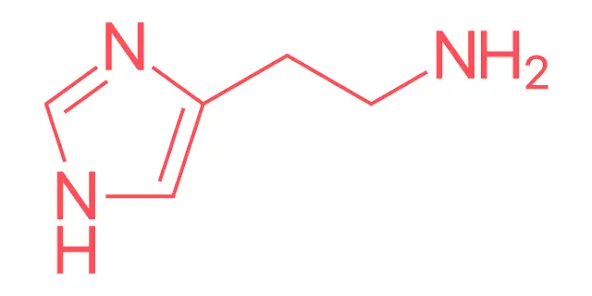
Cells containing raphides. When damages, crystals penetrate soft tissue, triggering release of histamines from white blood cells. Damage enables other plants chemical to increase pain and inflammation of soft tissue.
Araceae: Taro as food
Dryng, soaking, fermenting, cooking. Needed to reduce calcium oxalates. Elephant ears, taro root.
Polygonaceae
Buckwheat family. Rheum rhabarbarum. Soluble oxalates. Overconsumption can result in crystallization (calcium oxalate) in tissue. Kidney or renal failure.
Araceae family plants
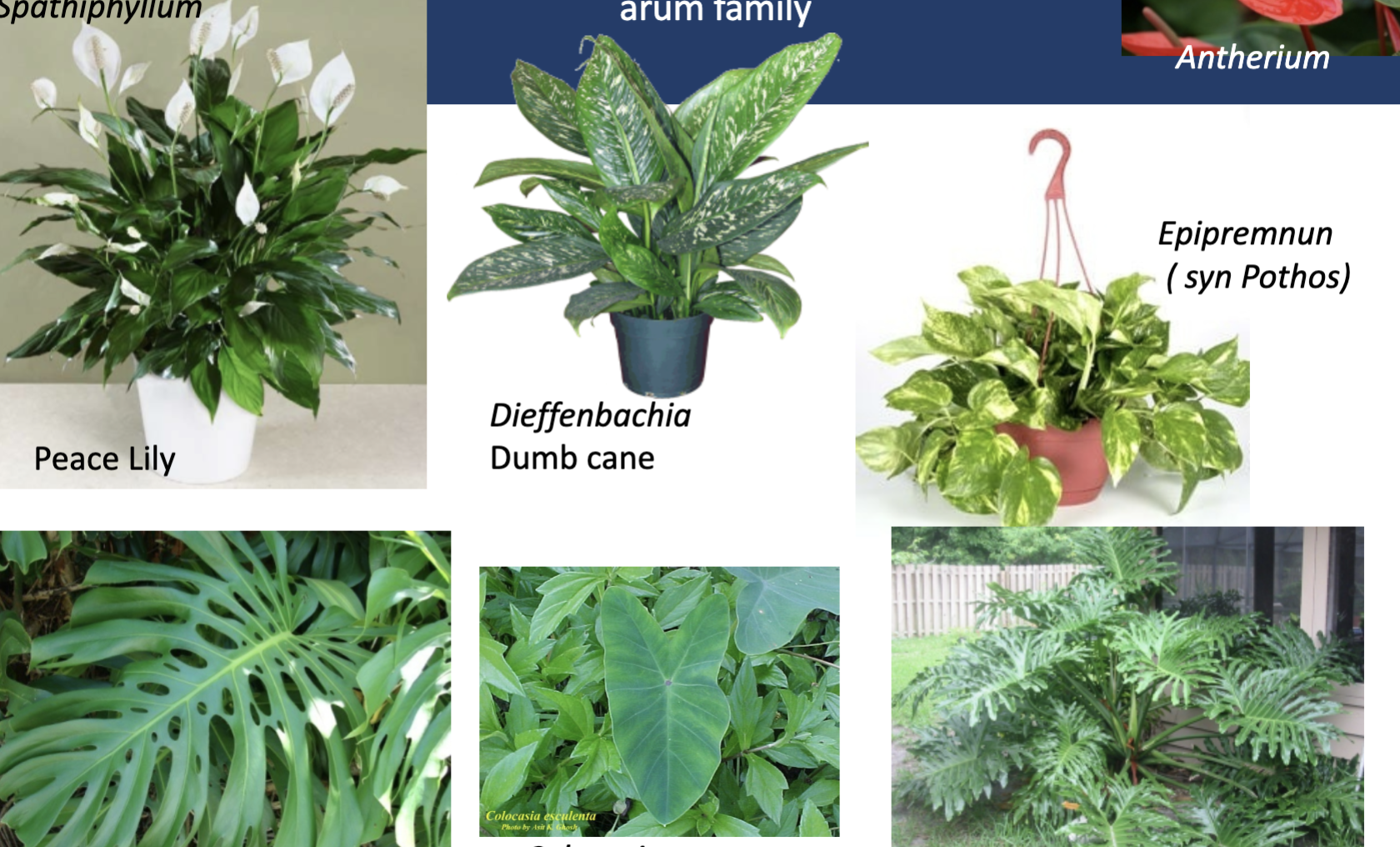
Spathiphyllum (peace lily), Dumb cane, epipremnun, monstera, Colocasia (elephant ears, taro). philodendron

Families containing raphide oxalates
Araceae, polygonaceae, plus 200 more.
Skin structure
Dermis (outer) and epidermis (inner layer).
Neurotransmitters
Agonists and Antagonists
bind to receptor to activate or inhibit its function.
Urticaceae (Urtica)
Has stinging hairs
Contain histamine, acetylcholine, serotonin
Like loaded hypodermic syringes
Urtica dioica - stinging nettles
Cactaceae Opuntia spp.
Has spines/Barbed glochids. These are technically modified leaves.
Histamine
Inflammatory chemical. Found in plants and animals.
Thorns
Modified branches.
Opuntia
Part of cactaceae family. prickly pear. barbed glochids. cause mechanical dermatitis, made of crystalline cellulose.