Nursing 4 Exam IV TRANSPLANT, ALLERGIC REACTIONS, ANAPHYLAXIS
 Call Kai
 Learn
 Practice Test
 Spaced Repetition
 Match
 Flashcards
 Knowt Play
1/29

There's no tags or description
Looks like no tags are added yet.
30 Terms
immunity response
suppressed immune repsonse- organ transplants
exaggerated immune response- allergic reactions or ananphylaxis
immune recognition
antigens: b cells and t cells
b cells- antibody mediated immunity- produces antibodies againstt he antigen
t cells- cell mediated immunity-directly targets and destrorys antigen containing cells
HLA- help idnetify self verus non self
organ procurement organization (OPO)
coordinate the deceased organ donation process
eveulate potential donors and organ sustainability
facilitate authorization, allocation and organ recovery
collaborate with hospitas and transplant teams
support donor families throughout the process
when to contact them: severe acute brain injury, mechanical ventilation dependance, glascow coma scale below 5, evaluation of brain death or planned withdrawl of life sustaining therpaies
brain death determination
prior- sever hypothermia has to be ruled out, hypotension must be absent, no drug use signs, no adminstration of neuromuscular blocking aents
examination for brain death-
-absence of ceerbral motor function
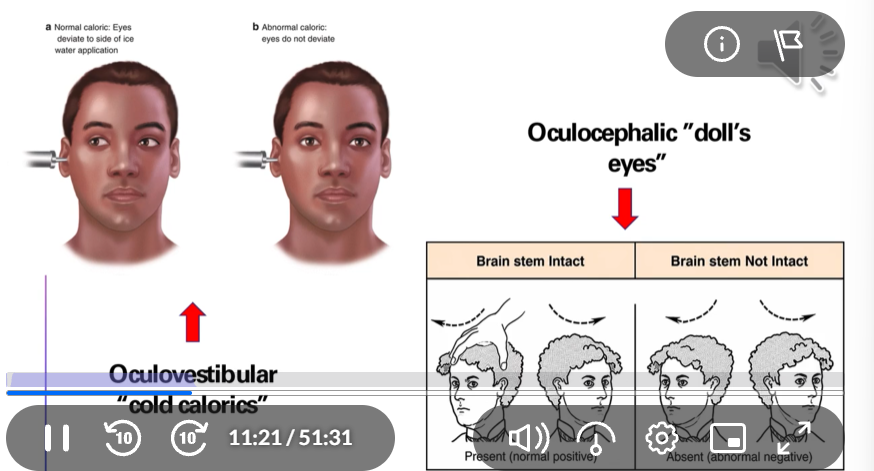
absence of brainstem reflexs: pupillary, oculocephalic(doll eyes), oculovestibular( cold calorics)
corneal and jaw
apnea test- disconnect ventilator, pkace 6 L NV at ETT, observe respiratory moevemnts for 8-10 min, and carbon dioxide levels, abg- > 20 or more, > 60. (getting oxygen in but not gettin gout co2), 8-10 min long, respirtaory acidosis
will stop if sbp is less than 90(can be on vasopressors), have dysrhythmias, pluse ox below 80 for more than 2 min,
if they iniate a breath independetaly the apean test will be negative
cough and gag
absence of respiratory drive

donation afetr cardiac death (CCD)
potential donors with nonsurvivable injuries who do not meet brain death criteria
donation occurs following permannet cessation of circulatory and respirtory function
cardiac astyole must occur within 60-90 min of withdrawal of life sustaining treatment for donation to proceed udner the described protocol
3-5 min observation following cardiac arrest before death is pronounced
organ donor nrusing managemnt
maintain adeqauate oxygen and ventilation
support blood pressure and organ perfusion
monitor i&o and fluid balance
assess electrolytes, glucose, and acid base baalance
collab with the OPO and healthcare team
what can happen in the body when you get a transplant
conro organs contain antigens recognized as forgein
T lymphocytes initiate cell mediated immune reeponses
antibodies may contribute to graft injury
immune activition can result in transplant rejection
immunosuppressants theapy reduces rejection risk
liver transplant
needed for- cholestasis, hepatitis, cirrhosis, malignancies
contraindicated- medical, psychsocial(life long immunosuppressants), absolute, relative
Priorities-
-liver function studies- AST,ALT, bilirubin, albumin
-coagulation studies- PT/INR,PTT
-kidney function-BUN, creatine, eelectrlytes
-other- CBC, hepatitis screening, infectious disease testing
diagnostics- ultrasound wigth doppler, CT, echocardiogram, EKG, pulmonary function
-psychsocial evaluation
MELD score- uses labs and imgaing to dwetrrmine how likley mortaliry is in a certain amount of time— the higher the mroe liekly you are to die without tenaspant
pre transplant nursing prioirities- hepatic encephalopathy, coagulopthy and portal hypertension, fluid and electrolyte imbalances, fludia nd electrolyte imbalances, nutional support, infection survalencd
post op priotities- ABC, temp regulation(hyperthermia is common), hemodynamic stability, fluid baance, kidney function, coagulation studies, blood glucose, potassium, magnesium, liver function tests, bilary drain assessment, bleeding assessment, tachycardia, increased abdominal girth
complications- hemorrhage and coagulopathy, vascular thrombosis, bilary leaks, strictures, or obstruction, pulomary complications and infection, graft nonfunction snd rejection(would start with increased AST/AlT followed by increased bilirubin, decreased bile output, jaundice, fever)
kidney transplant
indications-n end stage renal disease, diabetes mellitus, hypertension, glomerulonephritis, polycustic kidney disease
before transplant-
-BUN, creatine, electrolytes, CBC
blood typing HLA typing, antibody screening
infectious disease screening
ECG, echcardiogram, vasular imaging
pre transplant nursing prioities- fluid balance anc blood pressure mamagement, potassium management, dialysis managemnt if applicable, infection survalence, nutional support and patient education
post op- hemodynamic stability and graft perfusion, strict I&O and measuring output hourly, fluid balance and electrolyte montiroing, kidney fucntion(BUN, creatine), surgical incision and drain assessment, immunosuppressive therapy and infection survalence
complciations- hemorrhage and vasuclar thrombosis, urinary leaks aor obstruction, delayed graft function, infection, acute or chronic rejection
heart transplant
infdications- stage D HF, no alternate surgical poptions, short term poor prognosis, ishchemic cardiopathy, nonsihemic cardiopathy
contraindications-
pre transplant- pulmoanay artery pressures
-reversible vs.irreversable kidney, liver, or lung dysfunction
active ifnection or malignancy
transplant candidacy and prioritization(medical urgency an dhemodynamic stability, need for inotropc meds, mechanical circualtory support such as LVAD, IABP, ECMO)
nrusing priotiies pre transplant- hemodynamicaic stability, fludia nd ectlyte balcne, maintaincardiac output and perfsuion, iontropic/mechanical circulatory support, infection porevention, butirion, and education
post op- ABC, hemodynamic stability, cardiac output, HR(usually 90-100 bpm), rhythm montioring, fludi balance and graft perfusion, iontropic support or temp pacing, immunosuppressive therapy ad infection survelliance, rejection survallience(endomyocardial biopsy)
complciations- primary or secondary graft dysfunction(hypertension, hyperacute rejection, or sepsis), cardiac tamponde, dysrhythmias, right vejticualr dysfunction, acute rejection(fo survalence biospy, monitor hypotnesion, weight gain), infection,

transplant rejection
hyper acute-
-onset within minuteds to hours
-from pre existign antibodies or rapid graft injury/failure
acute-
-days to months or later
-t cell and/or antibody mediated
-treated with adjusting immunosuppresants
chonic
-month to years
-progressive vasualr injury or fiborsis
-gradual decline in graft function
nursingf assesssment- VS and hemodynamic stability, kidney:urien output, and creatine, liver: AST,ALT, bilirubin, heart: cardiac output, rhythm, signs of HF, assess for fever, edema, fatigue, graft dysfunction, reveiw meds adherance and lab trends
nursing interventions if suspected rejection- maintain oxygenation and tisseu perfusion, montior VS, fluid balance, graft function, administer prescrbibed ikmmunosuppressive therapy, montior for med adverse efefcts, prevent infection, prepare for diagnostic evaluaton suhc as biospy
immunosuppresive therapu
induction- intial intensive immunosuppression
-rapid antithymocyte blobulin
maintance therpay- long term rejection prevention
-tacrolimus, cyclosporine, mycophenolate mofetil, azathioprine, everolimus, prednisone
rejection treatment- additional immunosuprresion
-methylpredisonlone, rabbit antihymocyte golobulin
prvent rejection while minimizing infectiona nd toxicity
rabbit antithymocyte
t cell depleting agent
side effects: feevr, chills, hypotension,
montior cbc bc it can cuase lekopenia/thrombocytopenia
tacrolimus/cyclosporine
calcineurin inhibitors
montior drug montioring as it can cuase nephrotoxicity
mycophenolate mofetil/azathioprine
antimetabolites
side efefcts: bone marrow suppresion
monitor CBC
everolimus
mTOR inhibitor
\monitor elevated lipids, impaired wound healing, bone marrow suppresion
methylprednisolone, prednisone
corticosteriods
increased risk fo infection
hypersensiitvity reactions
occurs when immune system produces exagerated response
type I- immediate- IgE-mediated-anapylaxis
II-cytotoci-antobody mediated cell injury-hemlytic transfusion reaction\
IiI- immune complex- antigen antibody complez deposiyoon, serum sickness
IV-delayed- t cell mediated- contact dermatitis
hypersensisivity pathphysiology type I
intial exposure—> IgE production—>IgE binds to mast cells and basophils—> reexposure(degranulation) release of hustamine and other mediators—> cuases bronchoconstriction, edema, vasodilation and icnreased capillary permeability
angioedema- swelling of deeper tissue efefcts lips, tongue face, and throat
signs:
-wheezing, stridor, dyspnea, throat tightness
-hypotension, tahcycardia, syncope, shock’
-urticaria, flsuhing, angioedema
-N/V, abdominal cramping
-ASSESS: hoarsnness or voicxe changes, difficulty swallowingh, stridor or rspirtaory distress
anaphylaxis
recongnize—> stop exposure —> adminsiter IM epi—> establish IV access—> isotonic fluids—> maintain airway and adminster oxygen
med use:
epi
glucagon
H1 antihistamines
cortiocosteriods
H2 blockers
leukotriene recpetor antagonists
post care: reassess ABC—> montior for biphasic reactions—> educate on allergn avodiacne and epi slef injection technquuie—> document tirgger and teratment repsonse

epinehrine
first line tretament for anaphylaxiss;supprots airway and circulation
glucagon
adjunct for refractory anaphyalxis in pateients takign beta blockers
diphenhydramine/cetirizine
rleieevs itchig and urticaria
famotidine
possible ajunct for skin symptoms
montelukast
chronci allergy/asthma management;not acute treatment
Who initiates the conversation about organ donation with the family?
the opo coordinator
complcatio siwth orgsn donation
DI, DIC, dysrhythmias, pulmonary edema, metyabolic acidosis, hypotension