Comprehensive Cancer Types and Nursing Care Strategies
 Call Kai
 Learn
Learn Practice Test
 Spaced Repetition
 Match
Match Flashcards
 Knowt Play
1/105

There's no tags or description
Looks like no tags are added yet.
Name | Mastery | Learn | Test | Matching | Spaced | Call with Kai | Chat |
|---|
No analytics yet
Send a link to your students to track their progress
106 Terms
What is cancer?
A disease characterized by unregulated cell multiplication.
What are the main causes of cancer cell changes?
Inherited traits, errors in cell division, environmental factors, and effects of aging.
How are cancers typically named?
Cancers are named based on the body part of origin and cell type.
What is metastasis?
The spread of cancer cells to different organs through the lymphatic system.

What happens when lymph nodes are removed?
It can lead to lymphedema.

What are primary and secondary tumors?
Primary tumors originate in one location, while secondary tumors spread from the original site.
What is hyperplasia?
An increase in the number of cells, which can be a precursor to cancer.
What is dysplasia?
Abnormal cell growth that may lead to cancer.
What does 'carcinoma in situ' mean?
Cancer that is present but has not spread beyond the original site.
What are common risk factors for cancer?
High-fat diets, low fiber intake, smoking, alcohol consumption, excess body weight, and a sedentary lifestyle.
Which viruses are known to increase cancer risk?
HPV, Hepatitis B, and Hepatitis C.
What are the common cancers in those assigned female at birth?
Breast, lung, colorectal, uterine, and melanoma.
What are the common cancers in those assigned male at birth?
Prostate, lung, colorectal, bladder, and melanoma.
What physiological impacts can cancer have?
Pain, infections, gastrointestinal issues, lymphedema, peripheral neuropathy, and fertility problems.
What cognitive effects can cancer cause?
Sleep disturbances, delirium, concentration problems, and impaired memory.
What are oncologic complications of cancer?
Hypercalcemia, spinal cord compression, superior vena cava syndrome, malignant pericardial effusion, and tumor lysis syndrome.
What psychosocial stressors are associated with cancer?
Distress, depression, and financial stressors.
What is the recommended screening age for colorectal cancer?
Adults age 45 years and older at average risk.
What is the screening recommendation for lung cancer?
Annual low-dose CT scan for adults ages 50 to 80 with a significant smoking history.
What is the TNM staging system?
A system that classifies cancer based on tumor size (T), lymph node involvement (N), and metastasis (M).

What does 'in situ' mean in cancer staging?
Cancer cells are present but have not invaded surrounding tissues.
What does 'localized' mean in cancer staging?
Cancer is present in one organ and has not spread.
What does 'regional' mean in cancer staging?
Cancer has spread to nearby lymph nodes or tissues.
What does 'distant' mean in cancer staging?
Cancer has metastasized to distant body parts.
What is the role of the nurse in cancer care?
To provide care, support, and apply the nursing process while considering clinical judgment.
What is the impact of chemotherapy on blood cells?
Chemotherapy can lead to decreased red blood cells (RBC), white blood cells (WBC), and platelets (PLT).
What are common lab and diagnostic studies for cancer?
MRI, CT scans, PET scans, biopsies, and tumor markers.
What does TNM stand for in cancer staging?
Tumor, Node, Metastasis
What does Stage 0 in cancer staging indicate?
Abnormal cells are present but have not spread.
How does the prognosis typically change from Stage I to Stage IV cancer?
Stage I cancers are generally less serious with a better prognosis, while Stage IV cancers are larger and have spread more.
What are some roles of a nurse in cancer care?
Screenings, providing education and resources, medication administration, physical assessment, and teaching side effects.
What is a key safety precaution for nurses when dealing with chemotherapy patients?
Wear personal protective equipment (PPE).
What is the purpose of radiation therapy in cancer treatment?
To attack cancer cells and help the body's immune system fight cancer.
What are the two main types of lung cancer?
Small cell lung cancer and non-small cell lung cancer.

What are some common risk factors for lung cancer?
Smoking, radon gas, secondhand smoke, asbestos, and air pollution.
What is the survival rate for lung cancer over a 5-year period?
27% survival rate.
What are some common clinical manifestations of lung cancer?
Cough, hemoptysis, shortness of breath, fatigue, weight loss, chest pain, and new wheezing.
What diagnostic tools are used for lung cancer detection?
Low-dose computed tomography (LDCT), chest imaging, biopsy, and sputum cytology.
What is the role of a nurse in managing lung cancer treatment?
Medication administration, teaching about treatment, and coordinating care.
What is the significance of environmental factors in cancer risk?
Factors like ionizing radiation, tobacco, and food or water contaminants can increase cancer risk.
What is the goal of immunotherapy in cancer treatment?
To use the client's immune system to attack cancer cells.
What are some common early effects of chemotherapy?
Fatigue, skin changes, and hair loss near the treatment area.
What is the importance of lung cancer screening?
It is important for health promotion and disease prevention in all age groups.
What are the safety precautions for radiation therapy?
Limit exposure and wear PPE.
What should a nurse do in case of extravasation during chemotherapy?
Stop the infusion, notify the provider, and aspirate any remaining medication if necessary.
What are the main types of radiation therapy?
External Beam Radiation Therapy and Internal Radiation Therapy (Brachytherapy).
What is the role of the nurse in palliative care for cancer patients?
To provide education on managing symptoms and maintaining hygiene.
What are some common side effects of radiation therapy?
Fatigue, skin irritation, and potential damage to surrounding tissues.
What is the significance of analyzing cues in nursing clinical judgment?
To prioritize areas of focus for patient care and identify high-priority problems.
What is the purpose of chemotherapy in lung cancer treatment?
To kill cancer cells and shrink tumors, often combined with surgery.
What is the impact of aging on lung cancer risk?
Aging increases the risk of developing lung cancer.
What are the key components of a physical assessment for lung cancer patients?
Lung sounds and work of breathing.
What is the importance of symptom management in lung cancer care?
To improve quality of life and manage treatment side effects.
What should be monitored in lung cancer patients post-surgery?
Drainage tubes and signs of complications.
What is the primary treatment method for Non-Small Cell Lung Cancer (NSCLC)?
Chemotherapy, usually combined with surgery.
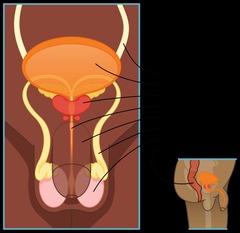
What therapy is used for Small Cell Lung Cancer (SCLC)?
Chemotherapy can also be used for SCLC.
What is targeted therapy in the context of cancer treatment?
Targeted therapy is used when a gene mutation is present in the cancer, inhibiting specific mutations to possibly increase survival.
What are the common risk factors for prostate cancer?
Age (50 and older), family history, smoking, and increased body weight.
What type of cancer is adenocarcinoma associated with?
Prostate cancer, with a 100% survival rate if treated, and 29% if untreated.
Which racial group has a higher mortality rate from prostate cancer?
African Americans.
What are some physiological impacts of prostate cancer treatment?
Many impacts are related to surgery and hormone therapy.
What are common manifestations of prostate cancer?
Urinary frequency, problems with urine flow, erectile dysfunction, and blood in urine or semen.
What diagnostic tools are used for prostate cancer?
Digital rectal examination, PSA test, ultrasound, MRI, and biopsy.
What is the role of the nurse after prostate surgery?
Monitor the client with an indwelling urinary catheter, manage complications like urinary incontinence and erectile dysfunction.
What are the main treatments for colorectal cancer?
Surgery, chemotherapy, radiation, targeted therapy, and immunotherapy.

What are common manifestations of colorectal cancer?
Changes in bowel habits, blood in stool, rectal bleeding, anemia, abdominal discomfort, weight loss, and fatigue.
What screening recommendations exist for colorectal cancer?
Screening should begin at age 45 and continue every 10 years until at least age 75.
What are the risk factors for colorectal cancer?
Ulcerative colitis, Crohn's disease, type 2 diabetes, excess body weight, low activity level, smoking, and diet.
What is the significance of carcinoembryonic antigen (CEA) testing in colorectal cancer?
Positive CEA levels can indicate cancer.
What are the psychological impacts of colorectal cancer?
Fear and concerns about managing an ostomy.
What is the pathophysiology of pancreatic cancer?
It originates from exocrine cells located in the pancreas.
What are the risk factors associated with pancreatic cancer?
Type 2 diabetes, chronic pancreatitis, smoking, family history, and genetic conditions.
What is the current status of routine screening for pancreatic cancer?
No routine screening protocols exist.
What is the role of the nurse in managing colorectal cancer?
Ostomy care, incision care, pain management, and education about treatment side effects.
What are the potential complications of prostate cancer surgery?
Urinary incontinence and erectile dysfunction.
What is the impact of radiation therapy on prostate cancer risk?
It can increase the risk of gastrointestinal or bladder cancer.
What is the significance of PSA testing in prostate cancer?
It is recommended for men under 75 years old to monitor prostate health.
What are the main components of clinical judgment in cancer care?
Recognizing cues, analyzing cues, generating solutions, taking actions, and evaluating outcomes.
What is the purpose of targeted therapy in cancer treatment?
To inhibit specific mutations in cancer cells, potentially increasing survival rates.
What is the role of emotional support in cancer care?
Providing counseling and referrals to social workers for holistic patient support.
What is a common issue faced by patients diagnosed with advanced pancreatic cancer?
Malnutrition due to surgery and the need for a tube to drain the bile duct.
What type of care is primarily focused on comfort for pancreatic cancer patients?
Palliative Care.
What are some common clinical manifestations of pancreatic cancer?
Jaundice, skin itching, dark urine, light-colored bowel movements, pain, anorexia, weight loss, nausea, and vomiting.
Which lab tests are commonly used in diagnosing pancreatic cancer?
CA 19-9 and CEA, liver function tests, tumor markers, biopsy, CT scans, ultrasound, and cholangiopancreatography.
What is the role of the nurse in managing pancreatic cancer?
Managing surgical drains, administering medications, providing education, and collaborating with the healthcare team.
What are the primary treatments for pancreatic cancer?
Surgery (including Whipple Procedure), radiation, chemotherapy, and targeted therapy.
What are the common types of skin cancer?
Basal cell carcinoma, squamous cell carcinoma, and melanoma.

What are the major risk factors for developing skin cancer?
Ultraviolet radiation, family history, advanced age, moles, and immunosuppression.
What are some common manifestations of skin cancer?
Changes in skin appearance, such as smooth, raised, pearly lesions, or irregularly shaped moles.
What is a key aspect of nursing care for patients with skin cancer?
Teaching ongoing skin self-examination and sun protection strategies.
What is the significance of follow-up care in skin cancer management?
It is essential for monitoring potential new skin cancers and reducing the risk of recurrence.
What are common symptoms of brain and CNS tumors?
Headaches, seizures, nausea and vomiting, visual changes, balance issues, and behavioral changes.

What diagnostic studies are used for brain and CNS tumors?
CT scans, MRI, PET scans, and biopsy.
What are the primary roles of nurses in managing brain and CNS tumors?
Administering chemotherapy, providing surgical care, and coordinating rehabilitation.
What are some common treatments for brain and CNS tumors?
Surgery, chemotherapy, radiation, and targeted therapy.
What is the importance of recognizing cues in patients with brain tumors?
To manage treatment side effects and address issues like pain and memory difficulties.
What is the impact of aging on the risk of brain tumors?
Individuals aged 85 and older have the greatest risk of developing brain tumors.
What is the role of targeted therapy in cancer treatment?
To specifically attack cancer cells while minimizing damage to normal cells.
What are some psychosocial impacts of cancer on patients?
Anxiety, depression, and changes in social interactions.
What is the purpose of chemotherapy in cancer treatment?
To kill or slow the growth of cancer cells.