Dendro Lab Quizzes (Cumulative)
 Call Kai
 Learn
 Practice Test
 Spaced Repetition
 Match
 Flashcards
 Knowt Play
1/111

There's no tags or description
Looks like no tags are added yet.
112 Terms
Virginia pine
Pinus virginiana
Pinaceae
lipstick cones - purple inside
thin papery bark
scraggly form
the shortest needles of all the pines

Atlantic white cedar
Chamaecyparis thyoides
Cupressaceae
vertically striped bark, light colored
VERY tiny cones
scaly like needles, thicker
not on final

longleaf pine
Pinus palustris
Pinaceae
HUGE CONE - the biggest of all conifers in the southeast
very long drooping needles, like hair

slash pine
Pinus elliottii
Pinaceae
big cones, a little smaller than longleaf
cone is very stiff, caramel-colored
very orange/brown bark

eastern white pine
Pinus strobus
Pinaceae
circle indents all over the bark, like bullet marks
very soft pine, cone is very soft
rough looking bark

shortleaf pine
Pinus echinata
Pinaceae
pitch pockets! small pinholes in the bark
small grey-colored cones

loblolly pine
Pinus taeda
Pinaceae
long cones
more blocky pine
very stiff needles
painful cone to squeeze

deodar cedar
Cedrus deodara
Pinaceae
HUGE tree by ag builiding
harry-potter looking tree
very unique and dense/heavy cones
non-native

pondcypress
Taxodium ascendens
Cupressaceae
very hairy bark and hair-like needles
little fruit hanging are green fleshy balls

baldcypress
Taxodium distichum
Cupressaceae
branches concentrated at the top like a child's drawing of a tree
tiny short needles, fern-looking
chaotic arrangment

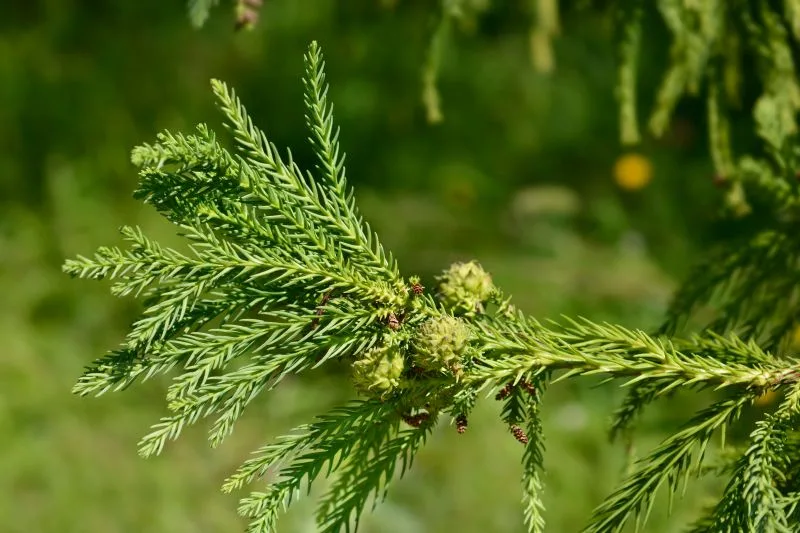
Japanese-cedar/ sugi
Cryptomeria japonica
Cupressaceae
red trunk
smooth vertical lines
teeny cones on branches
not on final
eastern redcedar
Juniperus virginiana
Cupressaceae
grey, ashy, flaky bark
"blueberry" cones on the branches

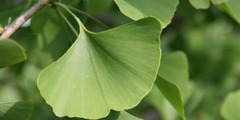
ginkgo
Ginkgo biloba
Ginkgoaceae
fan-like leaves
bright colored leaves
non-native
dawn redwood
Metasequoia glyptostroboides
Cupressaceae
oppositely arranged needles
very neat needles, look like leaves
reddish bark - lantern looking cones/fruit
very thick trunk
non-native

American sycamore
Platanus occidentalis
Platanaceae
green fuzzy fruit balls
base of the leaf is hollow when pulled off the branch
bark flakes off as you go up the tree
CAMO BARK

black locust
Robinia pseudoacacia
Fabaceae
bean pods! legume family
woven braided bark, dark bark
thorns on the branches

yaupon holly
Ilex vomitoria
Aquifoliaceae
very lightly serrated leaves, more rounded serration
small caffeine berries
very smooth bark
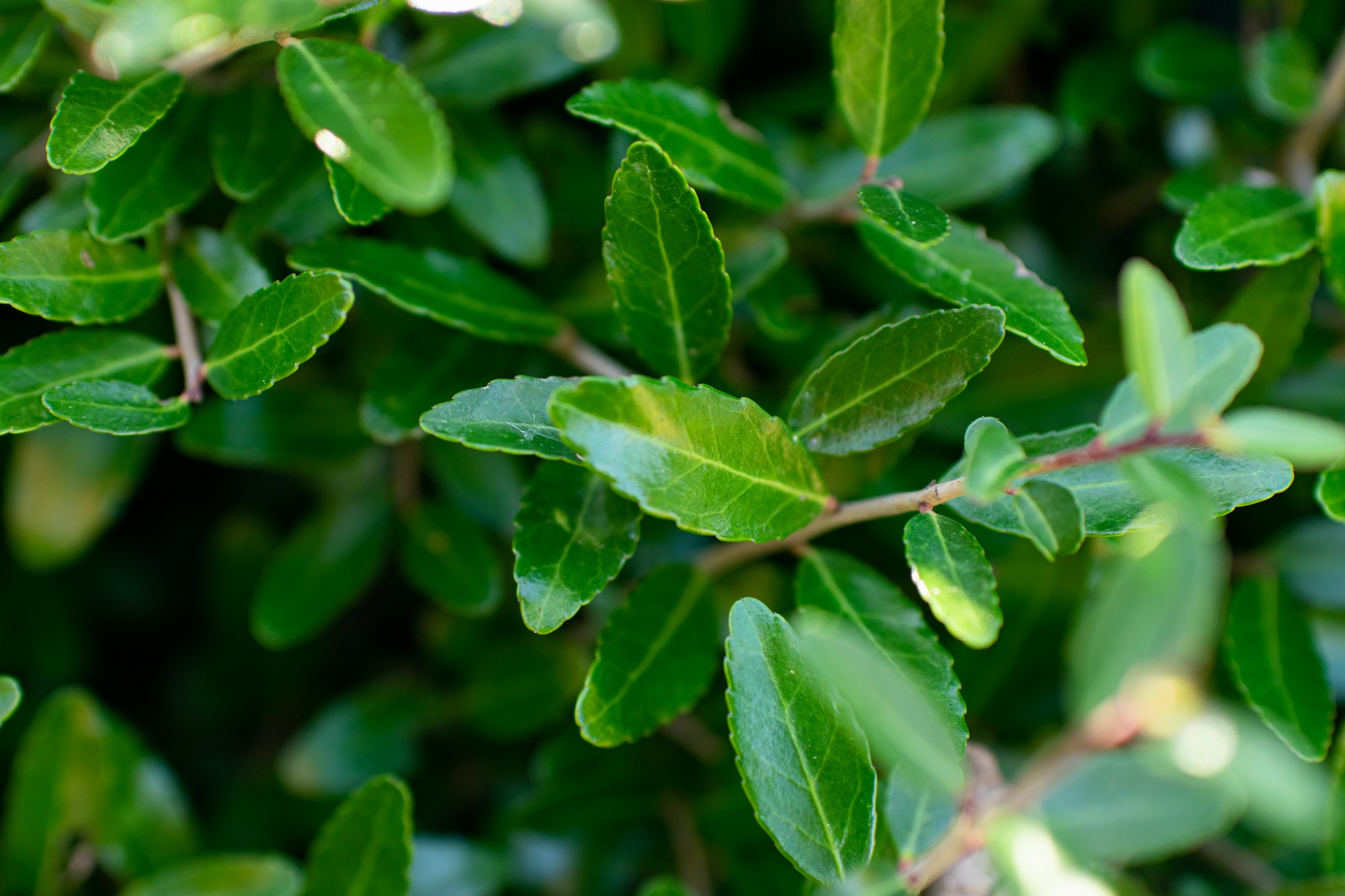
wax-myrtle
Morella cerifera
Myricaceae
tiny yellow glands on the bottom of leaves
sometimes have small blue berries
tiny teeth at the top of the leaves
can be a tree or shrub!!

deciduous holly
Ilex decidua
Aquifoliaceae
berries will turn red for the final, currently green
short shoots off the branches, each line on branch is a year of growth
found in the warnell courtyard
this is the bumpy one

sweetbay magnolia
Magnolia virginiana
Magnoliaceae
little red fruits (looks like the special LA fruit desserts)
smaller than bigleaf magnolia, the smallest features of all the magnolias
leaves smell really good when crushed
look on the ground for aggregate seeds
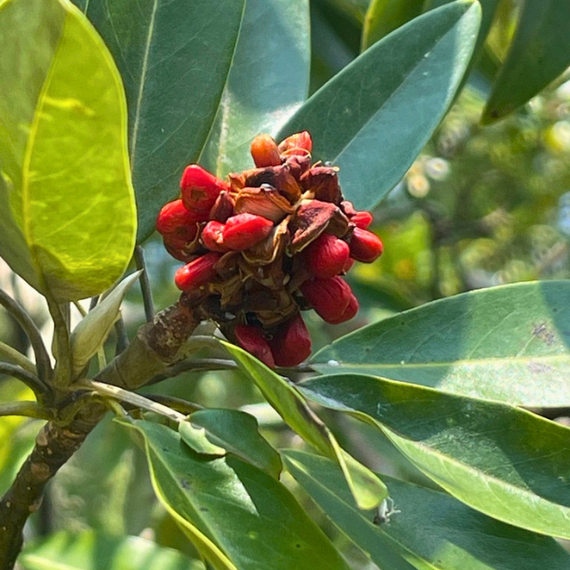
bigleaf magnolia
Magnolia macrophylla
Magnoliaceae
HUGE LEAF
the biggest non-compound leaf

southern magnolia
Magnolia grandiflora
Magnoliaceae
the classic magnolia tree
very thick, leathery shiny leaves

tulip-poplar
Liriodendron tulipifera
Magnoliaceae
cat face leaves
woven-looking bark, with big “scars” from branches falling off
leaves are wide, bark is dark

American elm
Ulmus americana
Ulmaceae
the tree is martini glass shaped
strongly serrated leaves, pokey-feeling

river birch
Betula nigra
Betulaceae
extremely flaky bark
doubly serrated, diamond shaped leaves
only found near water

Chinese elm
Ulmus parvifolia
Ulmaceae
orange dots on bark with grey background
really round shade coverage (this is in the green between sci library and ecology building)
non-native

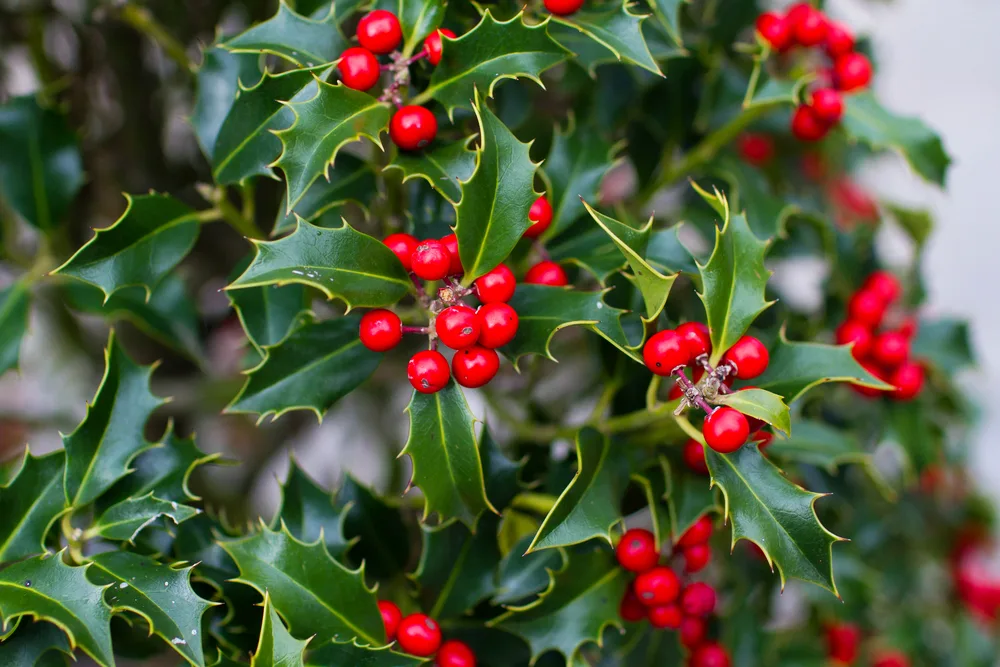
American holly
Ilex opaca
Aquifoliaceae
sharp pokey leaves, 3 sharp points on tip of leaves
the christmas holly, berries will turn bright red
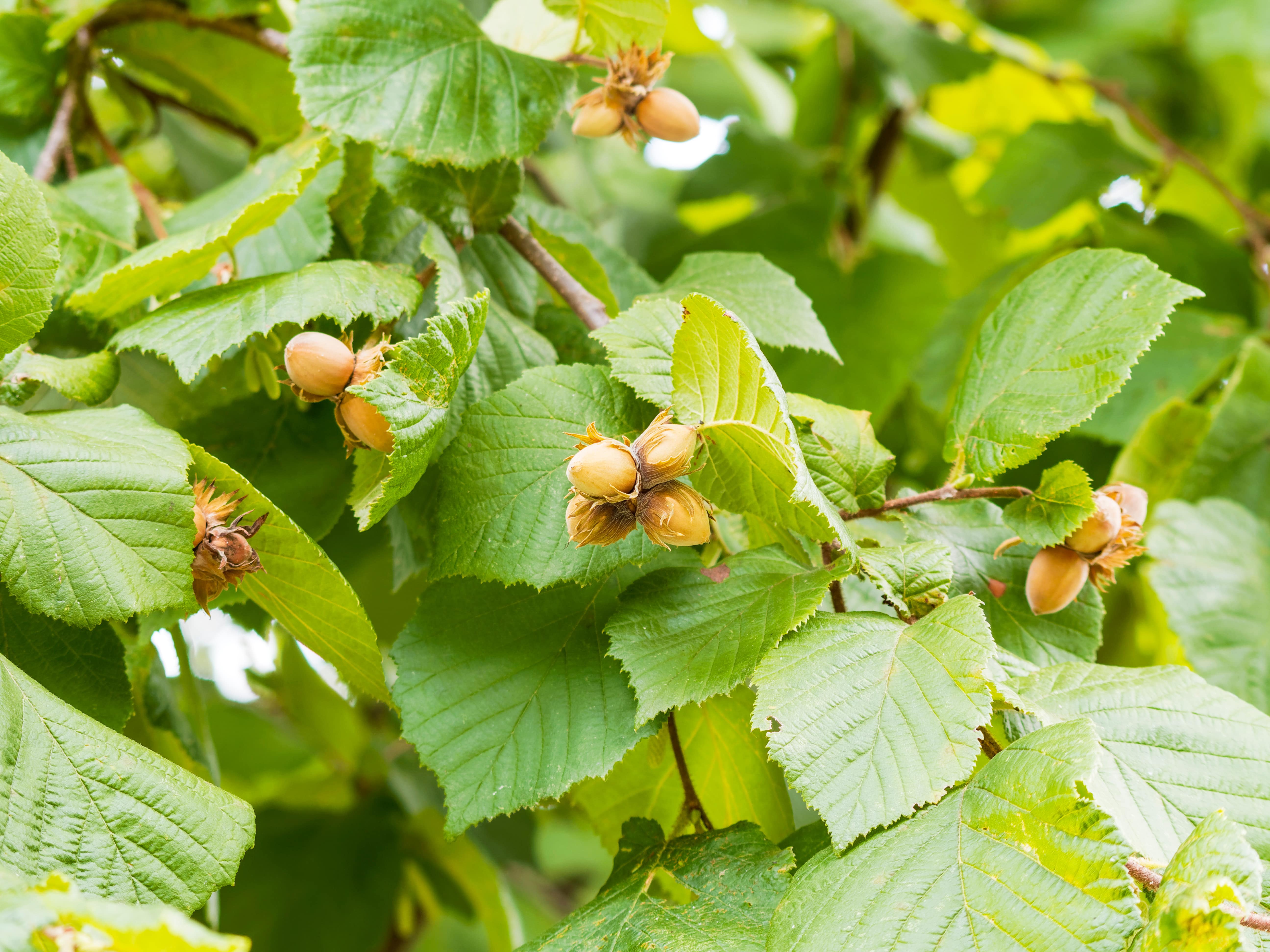
American hazelnut
Corylus americana
Betulaceae
fuzzy soft leaves, leaves are doubly serrated but they are much softer and rounder
kind of like a shrub rather than a tree
lots of sprouts coming out of the base rather than one big trunk
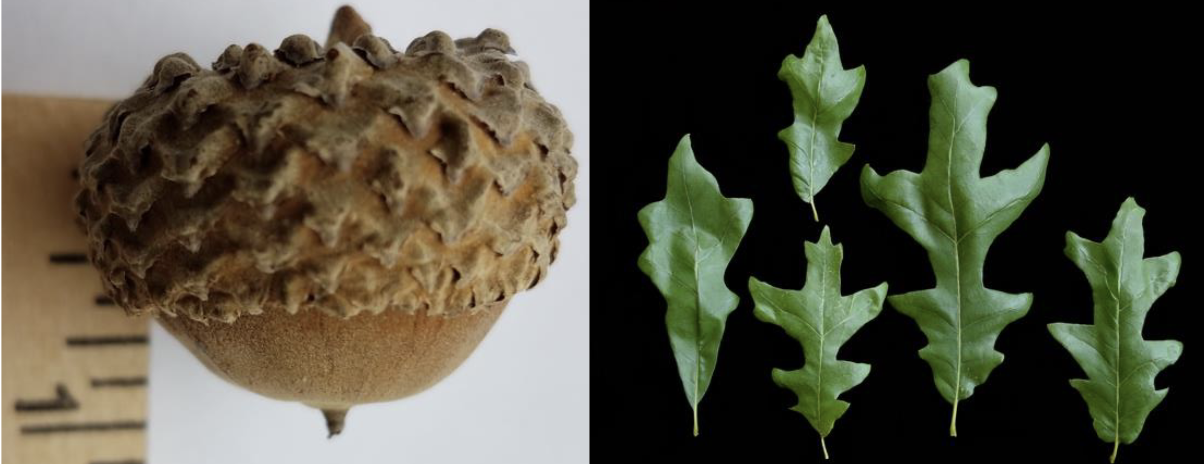
southern red oak
Quercus falcata
Fagaceae
very deep sinuses in leaves, turkey foot leaves
pointy tips on leaves, bell-shaped base
teeny acorns, very small for an oak tree

water oak
Quercus nigra
Fagaceae
when the acorn is crushed, the color is very orangey
very flat cap on the acorn
ashy-gray bark, they like moist sites
small acorns
leaf shape varies between trees

swamp chestnut oak
Quercus michauxii
Fagaceae
big leaves, very rounded teeth and shallow sinuses
the bark is white/grey

overcup oak
Quercus lyrata
Fagaceae
cap of the acorn covers almost the entire nut
rounded teeth on leaves, medium to deep sinuses
alternately arranged
probably not on final
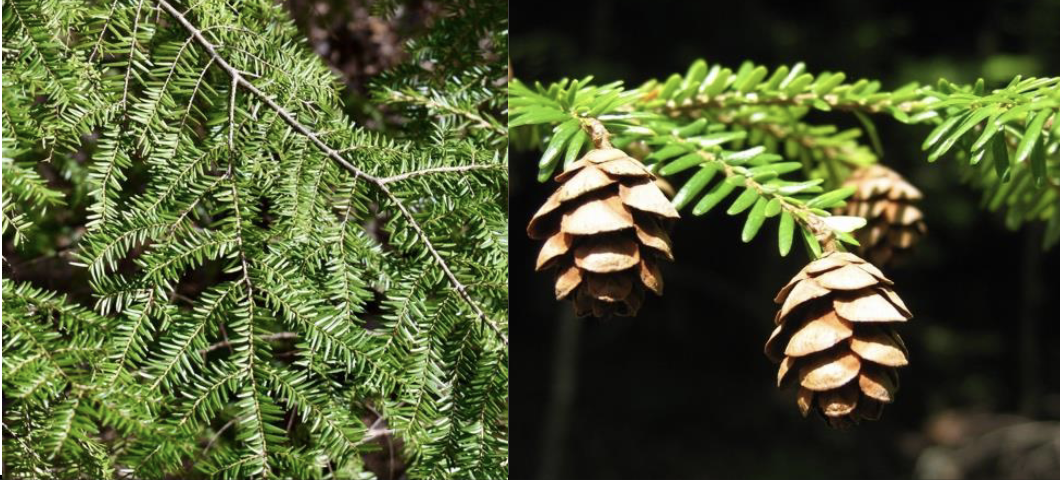
eastern hemlock
Tsuga canadensis
Pinaceae
needles like christmas trees, very brown bark
cute, tiny, squishable cones on bark
bottom-side of needles have white stomata lines
persimmon
Diospyros virginiana
Ebenaceae
very dark block bark that looks like charcoal
leaves are very leaf-looking and oblong
grows small orange fruits

sugarberry
Celtis laevigata
Cannabaceae
very warty base of the trunk, but the top is very smooth grey bark
random patches of warts
simple alternate leaves, serrated
likes moist sites, won’t really be out in the open

white ash
Fraxinus americana
Oleaceae
leaves are very green and pretty
wovenish bark, interlacing like fishnet stockings
branches have little spots on them
samara is more uniform shaped all around (like an oval)
seed will be at very base if samara

live oak
Quercus virginiana
Fagaceae
gigantic, loves savannah GA, not many around campus
very dense bark
evergreen, leaves will stay on
leaves are dark green on top and pale on the bottom
fuzzy underside to the leaves

willow oak
Quercus phellos
Fagaceae
leaves look like fingers, long and skinny
saucer-shaped cap on acorns
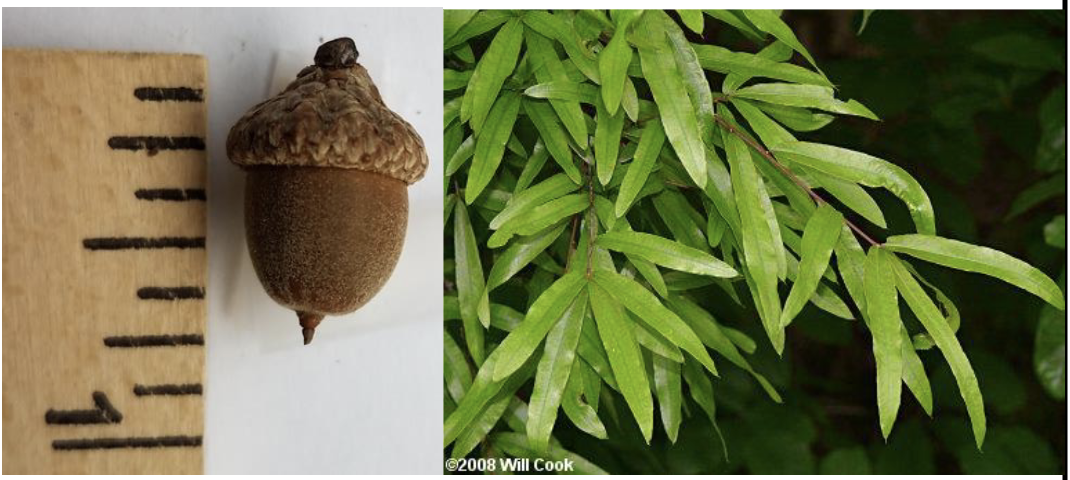
blackgum
Nyssa sylvatica
Nyssaceae
simple very tree-like leaves, the branches look like zigzags
the bark is scaly and has lumps

bur oak
Quercus macrocarpa
Fagaceae
rough lines on bark, extends all the way out onto the branches
makes the tree look rough-feeling
huge acorn, but we didn’t find any in lab
(vertical lines almost like Cupressaceae without having shaggy bark)
probably not on final

sawtooth oak
Quercus acutissima
Fagaceae
medusa acorns! drops so many acorns with hairy tops - very distinctive!
tan/brown bark
the leaves look serrated just like a sawtooth
non-native

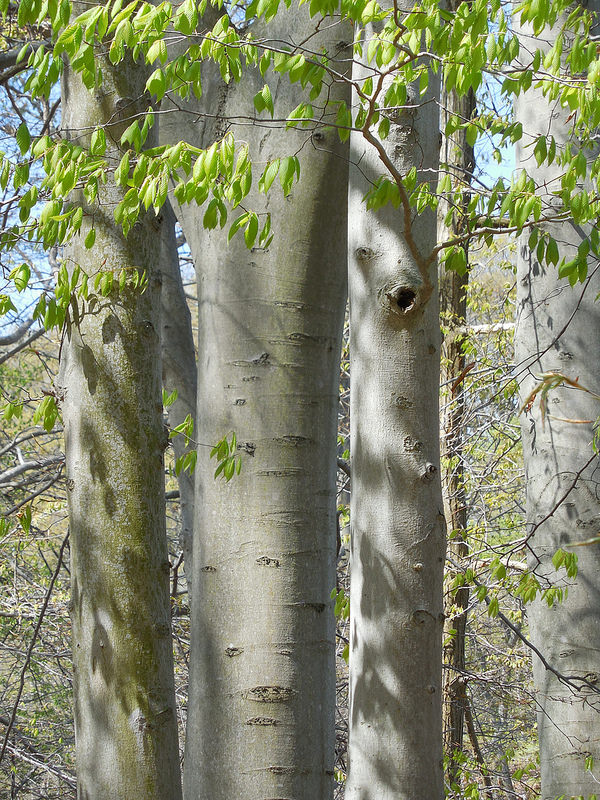
American beech
Fagus grandifolia
Fagaceae
very smooth bark
zig zag branches underneath
post oak
Quercus stellata
Fagaceae
bigger leaves look like a cross, cruciform-shaped
usually five lobes
scaly bark
leaf is thick and has hair on the underside

pin oak
Quercus palustris
Fagaceae
bristle tipped lobes, usually 5-9 lobes
acorn cap is round and then, like a beret
very straight up tree
spiky leaves and deep sinuses
middle lobes are the widest
non-native

honeylocust
Gleditsia triacanthos
Fabaceae
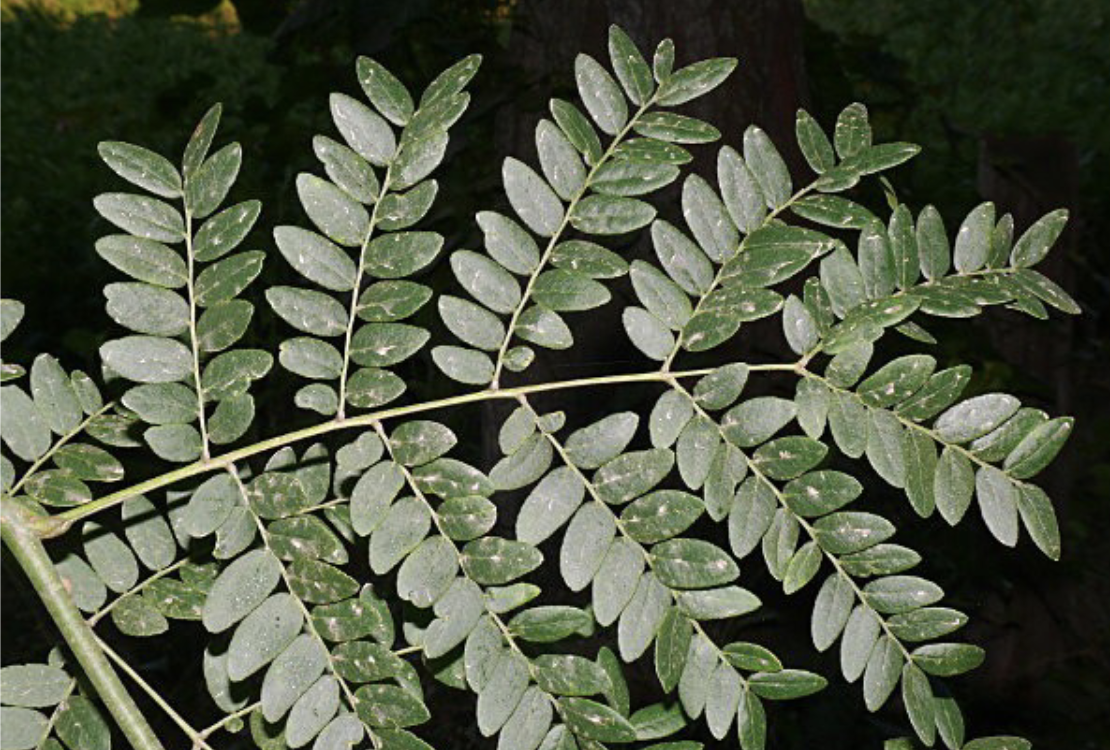
pinnately or bi-pinnately compound leaves
long thorns
legumes
they won’t always have bean pods
Osage-orange
Maclura pomifera
Moraceae
big green bumpy apple-sized fruits
deeply furrowed bark, big cutouts in the bark
non-native

white oak
Quercus alba
Fagaceae
very rounded, uniform leaf
leaves have deep sinuses, but they are narrow
the bark is stripy and gray, younger bark will look scaly

scarlet oak
Quercus coccinea
Fagaceae
hershey kiss topped acorn
bristle tipped leaves, very deep sinuses, 7-9 lobes
buttressed base, ski trails that DON’T extend all the way to the bottom
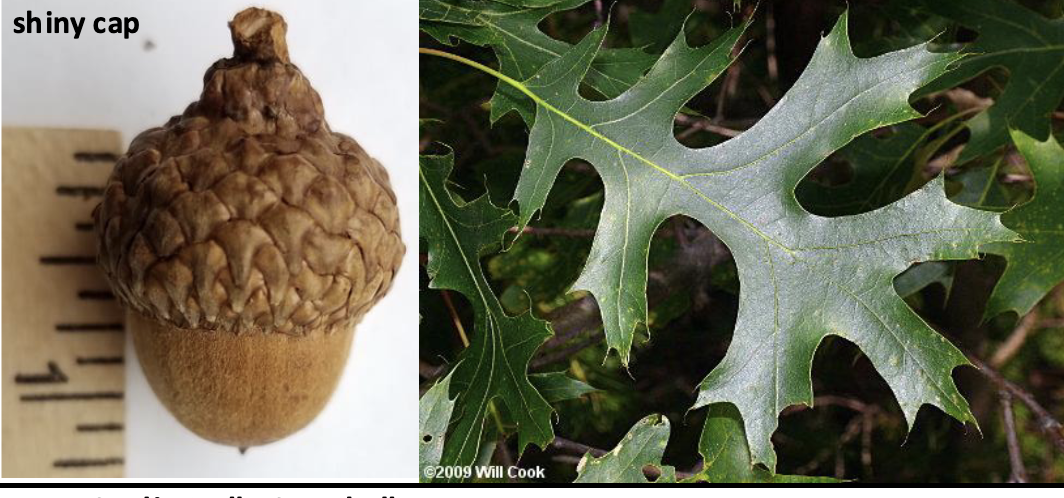
rusty blackhaw
Viburnum rufidulum
Adoxaceae
very spongy, can be squished by human hand
tan brown bark
opposite arrangement
rounded leaves are VERY finely toothed
buds are rusty colored

black oak
Quercus velutina
Fagaceae
leathery leaves, fine (chalky) hairs on leaves VELVET
blocky and dark bark, nearly black (no ski trails)

smallflower pawpaw
Asimina parviflora
Annonaceae
actual shrub, can only get 8ft tall
if there is one, there is more (colony)
really soft leaves, wide and oblong

northern red oak
Quercus rubra
Fagaceae
ski trails that go all the way down to the base
the only other tree with ski trails
no buttressing
big fat leaves, barely any sinuses
bristle-tipped

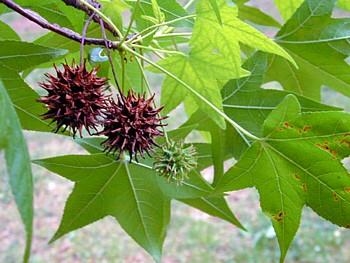
sweetgum
Liquidambar styraciflua
Altingiaceae
iconic 5-stared palmately compound leaf
spiky brown fruit balls
very variable bark
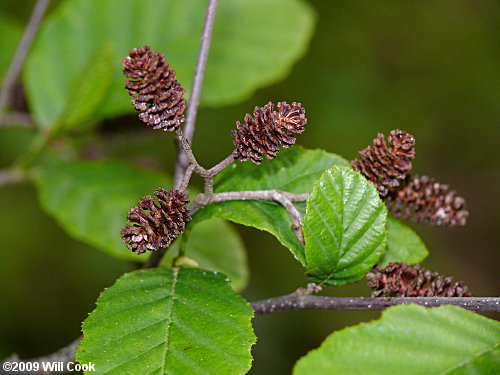
hazel alder
Alnus serrulata
Betulaceae
multi-stemmed shrub/tree
catkins
has cones (unlike american hazelnut)
almost always near water
finely serrated leaves
Carolina laurelcherry
Prunus caroliniana
Rosaceae
leaf smells like maraschino cherries when crushed
leaves look a lot like sweetbay, but NO AGGREGATES
drupe fruits
little nubs on bark, otherwise smooth

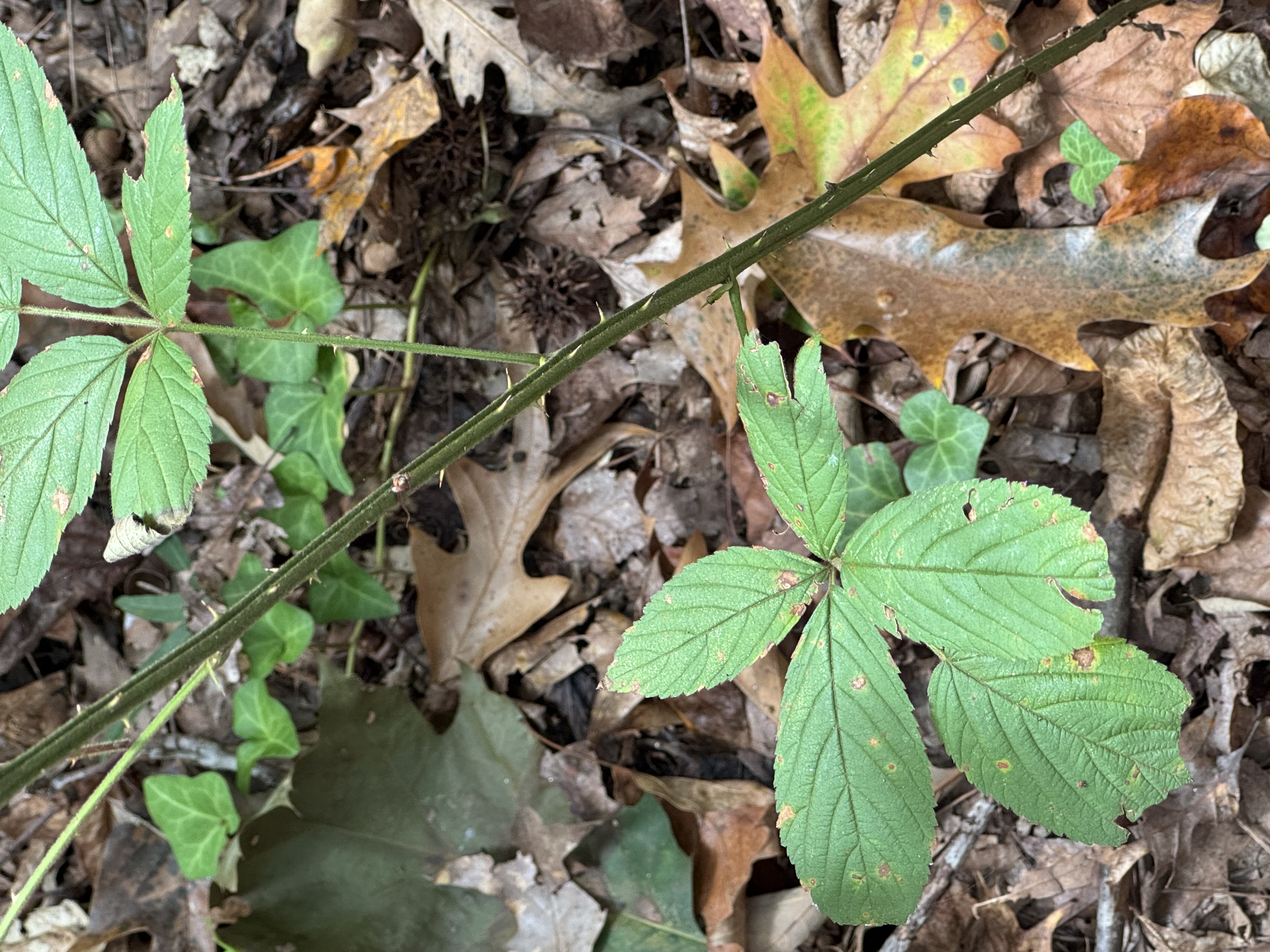
blackberry
Rubus spp.
Rosaceae
palmately compound (like three leaves emerge from one center point)
thorny stem (bristles)
usually vines or ground colonies
red maple
Acer rubrum
Aceraceae
leaf have three lobes, serrated (palmate leaves)
popular ornamental for color in fall
cracks in bark (looks lowkey like american beech but leaves are very different)

winged elm
Ulmus alata
Ulmaceae
corky wings on branches, small serrated leaves

climbing hydrangea
Hydrangea barbara
Hydrangeaceae
always a vine
twiggy, droopy twigs
lighter colored waxy leaves

strawberry-bush
Euonymus americanus
Celastraceae
long, ovate leaves
stem is squared, has four sides
teeny tiny stick thing

musclewood
Carpinus caroliniana
Betulaceae
musclar, toned-looking trunk
usually a short tree, below the canopy

sourwood
Oxydendrum arboreum
Ericaceae
usually crooked
very distinctive bark
light reddish orangy brown bark
pointy leaves at the end

wild azalea
Rhododendron canescens
Ericaceae
multi-stemmed
leaves are slightly whorled and oblong
twigs come from one point like ET finger
wooly, soft leaves

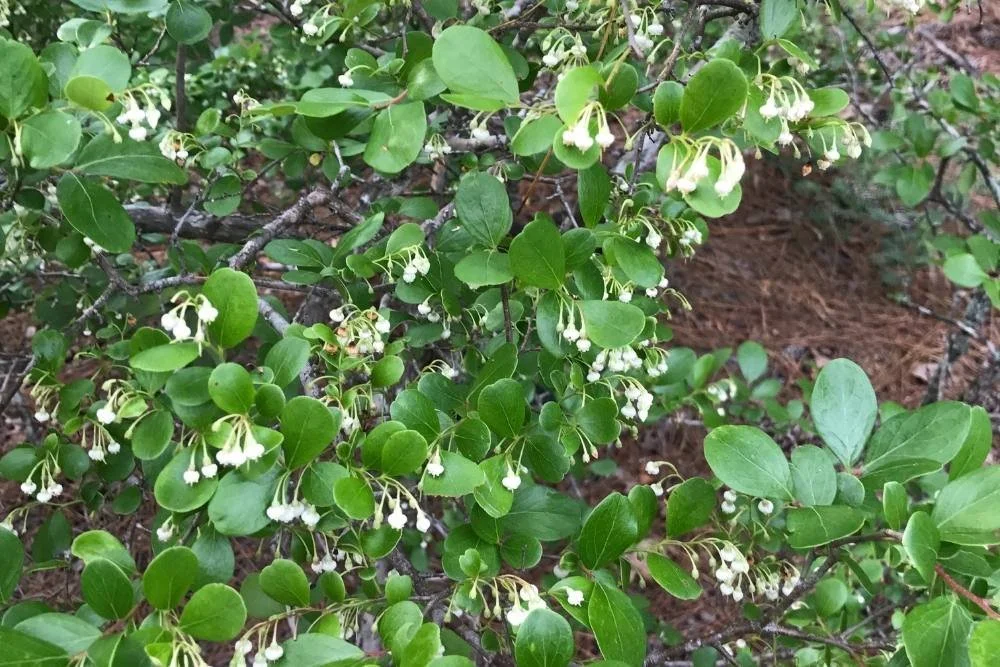
Elliott’s blueberry
Vaccinium elliottii
Ericaceae
droopy
shrub, probably won’t see tree version
small elliptical leaves
very slender green twigs, usually zigzaggy
very fine serrations on leaves

sparkleberry
Vaccinium arboreum
Ericaceae
also shrub, perky
spoon-shaped thick leaves
leaves get very dark red in the fall
eastern hophornbeam
Ostrya virginiana
Betulaceae
doubly serrated leaves
bark is flaky, flakes off easy; looks shredded

hawthorn
Crataegus spp.
Rosaceae
smaller tree, skinny thorns
variable leaves, but usually serrated and lobed
smooth bark when young, scratchy bark when old

black cherry
Prunus serotina
Rosaceae
burnt cornflaky bark
bark can look very different from tree to tree
can have cankers

American mistletoe
Phoradendron leucarpum
Viscaceae
tree thief
parasitic, will always be on a host tree
looks like a small bush that grows on another tree’s branches

glossy privet
Ligustrum lucidum
Oleaceae
shrubby and shiny
opposite arranged leaves!
sharp-tipped leaf, no serrations
non-native

thorny elaeagnus
Elaeagnus pungens
Elaeagnaceae
multi-stemmed, wavy serrated leaf margins
elliptical and waxy leaves
copper scales on underside of leaves
orange lenticels on branch

chinaberry
Melia azedarach
Meliaceae
tree, pinnately compound (like a locust)
bark has vertical striations
green larger berries now, will turn yellow for the winter
non-native

Callery pear
Pyrus calleryana
Rosaceae
little round brown drupes, stinky
leaves are bright sage colored, cute
leaf margins are rounded and wavy
non-native


Amur honeysuckle
Lonicera maackii
Caprifoliaceae
long pointy leaves, darker colored
opposite arrangement
the twigs are hollow in the middle
shredded looking bark
non-native

english ivy
Hedera helix
Araliaceae
spreading vine, everywhere
carpets the ground, grows up trees
palmate leaves, dark green with light green venation

pignut hickory
carya glabra
Juglandaceae
snout-like husks on nuts
odd number of leaflets
smooth and hairless on top, papery feeling underside of leaf

crossvine
Bignonia capreolata
Bignoniaceae
evergreen vine on tree, looks like leaves drooping down together in groups
wavy margins
sticky twiggy branches

mockernut hickory
Carya tomentosa
Juglandaceae
very fuzzy (hairy) leaves
7-9 leaflets, rarely has 5
leaves are very green, nut husks super dark
has a smell

autumn elaeagnus
Elaeagnus umbellata
Elaeagnaceae
silvery scales on underside of leaf
shiny and silvery (thorny has orange scales)
wavy margins
twigs are also lighter, silvery

downy serviceberry
Amelanchier arborea
Rosaceae
multi-stemmed sometimes, very rounded leaves
darker green leaves
compound leaves
has cordate base (heart-shaped base)
will be on the final

poison-ivy
Toxicodendron radicans
Anacardiaceae
brown hairy vine on tree, aerial rootlets
has green leaves that come in three, but don’t look traditional
darker brown than climbing hydrangea

Virginia creeper
Parthenocissus quinquefolia
Vitaceae
vine, palmately compound
tiny little suction cup tendrils
mostly on trees or shrubs, small twiggy vine

black walnut
Juglans nigra
Juglandaceae
really big compound leaf, 12-24 leaflets
very stout twigs, big green fruit like an apple

chinese privet
Ligustrum sinense
Oleaceae
grows in dense colonies
tinyyyy round leaves
little shrub, oppositely arranged
smooth light grey twigs
non-native

muscadine grape
Vitis rotundifolia
Vitaceae
woody vine, grows in dense thickets (dry-looking)
cordate and round leaves with dull serrated leaves
has the little swirly things to grab on

kudzu
Pueraria montana
Fabaceae
sprawling invasive vine, aggressive
bright green, has legumes
non-native

Japanese honeysuckle
Lonicera japonica
Caprifoliaceae
twisty twirly vine
oppositely arranged, strangles trees
straw-like, straw colored
hollow pith (like amur)
shredded fiber bark towards the bottom
non-native

greenbrier
Smilax spp.
Smilacaceae
vine, zig zaggy stem structure
alternate with simple leaf margins
thorns, uses tendrils to climb

silktree
Albizia julibrissin
Fabaceae
distinct bi-pinnately compound leaves
very smooth trunk
shorter tree, branches spread wide
leaves very fern-looking
non-native

river cane
Arundinaria gigantea
Poaceae
bamboo, bladed, found near water
sharp, pointy leaves

boxelder
Acer negundo
Aceraceae
photo-tracking, crooked growing
compound leaves (3-5 leaflets)
the leaf’s twigs are green
bark usually smooth, tan/cream color
helicopter samara

chalk maple
Acer leucoderme
Aceraceae
canadian flag leaves, with more lobes than red maple
hairy underside to leaves
grows near water, in the understory (15ft tall)

Carolina silverbell
Halesia carolina
Styracaceae
purple or orange “stretch marks” on bark
leaves simple
orange lenticils (look like orange lips)
photo-tracking

green ash
Fraxinus pennsylvanica
Oleaceae
samara is shaped like a paddle board or spoon (white ash is more pointed)
usually near water, or in bottomlands
braided bark
compound leaves
leaves are smoother, less venation than white ash

eastern cottonwood
Populus deltoides
Salicaceae
cordate, heart-shaped leaves
very big robust leaves, always near base of tree
sometimes infection causes alien green growths on leaf base
deeply furrowed bark

American elder
Sambucus canadensis
Viburnaceae
raised warts, little circles on most of the bark
green stems, compound leaves

American basswood
Tilia americana
Malvaceae
hollow sounding trunk, sounds like a watermelon
straight-growing, shallow furrows in bark
cordate-ish shaped leaves, very round
mucous inside leaves and buds

American beautyberry
Callicarpa americana
Lamiaceae
purple berries
shrub with rough feeling leaves
white hairs on leaves
little white lenticels on branches

southern catalpa
Catalpa bignonioides
Bignoniaceae
Huge leaves, light green/yellow
scaly greyish bark
Usually twisted growing
Opposite arranged leaves with fuzzy feeling

trumpet creeper
Campsis radicans
Bignoniaceae
very woody vine, like tree trunk vine
coarsely serrated leaves
pinnately compounds
tannish colored peely bark
big green bean capsules
