BIO 224 Lab 6 CSN
 Call Kai
 Learn
 Practice Test
 Spaced Repetition
 Match
 Flashcards
 Knowt Play
1/127

There's no tags or description
Looks like no tags are added yet.
128 Terms
Oral Cavity
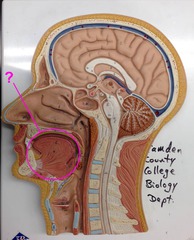
Upper lip

Lower Lip
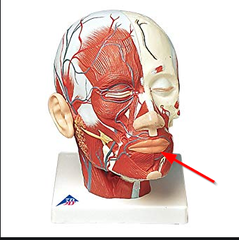
Vestibule
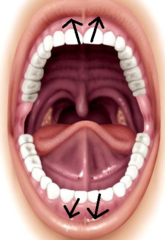
Teeth

Gingiva

Tongue

Hard Palate
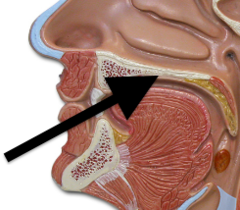
Soft Palate
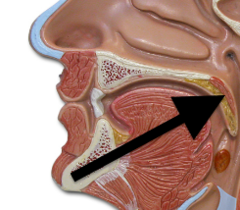
Uvula

Salivary Glands

Parotid Salivary Gland

Sublingual Salivary Gland

Submandibular Salivary Gland

Pharynx
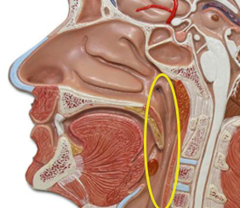
Esophagus
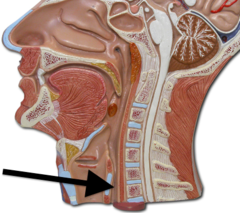
Lower Esophageal Sphincter
What is #1?

Stomach
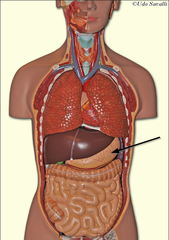
Fundus
#2

Cardia
#3

Pyloric Antrum
#5
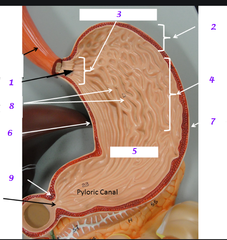
Greater Curvature
#7
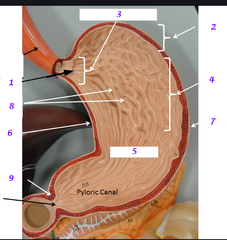
Body
#4

Pyloric Sphincter
#9

Small Intestine

Lesser Curvature
#6
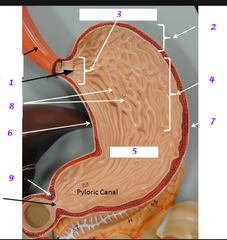
Duodenum

Jejunum

Rugae
#8

Ileum

Ileocecal Valve

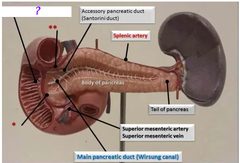
Pancreas
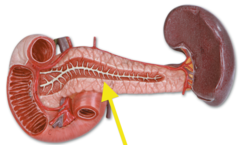
Pancreatic Duct

Major Duodenal Papilla
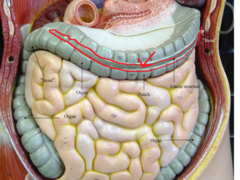
Cecum

Vermiform Appendix

Large Intestine

Ascending Colon

Hepatic Flexure

Transverse Colon

Splenic Flexure

Descending Colon

Sigmoid Colon

Haustra

Taenia Coli
Rectum

Anal Canal

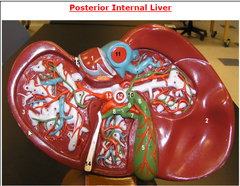
Liver

Right Lobe

Left Lobe

Falciform Ligament

Gall Bladder

Cystic Duct

Right Hepatic Duct
#7
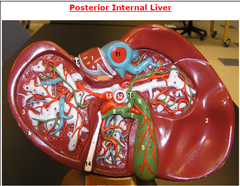
Left Hepatic Duct
#8

Common Bile Duct
#10
Superior Mesenteric Artery
#1
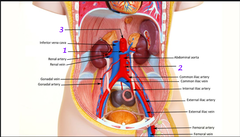
Crown
What is I?

Right Gastric Artery
#1

Left Gastric Artery
#2

Common Hepatic Duct
#9

Cystic Artery

Inferior Mesenteric Artery
#2

Common Hepatic Artery
#3
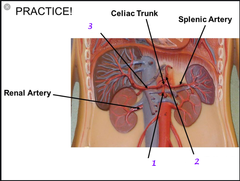
Celiac Trunk
#3

Neck

Pulp Cavity
What is C?

Root

Root Canal
What is J?
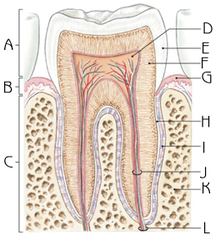
Enamel
What is A?
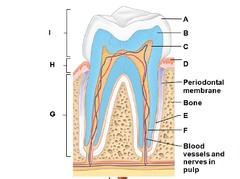
Dentin
What is B?

Hepatic portal vein

Gingiva
What is 4?

RIght Hepatic Artery

Left Hepatic Artery

Proper Hepatic Artery

Hepatic Portal Vein

Hepatic Vein

Superior Mesenteric Vein
#1

Inferior Mesenteric Vein
#2

Cystic Vein
#6
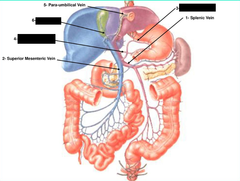
Right Gastric Vein
#4

Left Gastric Vein
#3

Pepsin
________________ is a proteolytic enzyme secreted in an inactive form by the chief cells in the stomach.
2.0
Pepsin activity is most effective at a pH of ________?
Pepsinogen
What is a substance which is secreted by the stomach wall and converted into the enzyme pepsin by gastric acid?
Pancreatic Lipase
_______________________ ______________ digests triglycerides into monoglycerides and free fatty acids.
Monoglycerides
Molecules of glycerol with one fatty acid attached
Free Fatty Acids
Building Blocks of Lipids
Emulsification
The separation of large aggregates of fat into smaller droplets is called _______________________ and is the primary function of bile salts.
Salivary Amylase/Maltose
__________________ _________________ enzyme secreted into the saliva and will break polysaccharides down into the disaccharide ________________.
Lugol's Iodine
_____________ ______________ is a standard test for starch and it will turn dark blue in the presence of starch.
Benedict's Solution
_____________________ _________________ is a standard test for sugar and if a colored precipitate forms (red, yellow, orange. or green floc that settles) after boiling this is a positive test for simple sugars.
Starch
Many of the carbohydrates we eat are in the form of _____________ which is a polysaccharide.
Universal Indicator
An indicator with a different color for each pH value.
Bile Salts
Compounds in bile that aid in emulsification
Lugol's Iodine/Benedict's Solution
What reagents are used for the digestion of carbohydrates?
Tongue

Taste Buds

Salivary Gland
