Art History Test#1
 Call Kai
 Learn
Learn Practice Test
 Spaced Repetition
 Match
Match Flashcards
 Knowt Play
1/32

There's no tags or description
Looks like no tags are added yet.
Name | Mastery | Learn | Test | Matching | Spaced | Call with Kai | Chat |
|---|
No analytics yet
Send a link to your students to track their progress
33 Terms
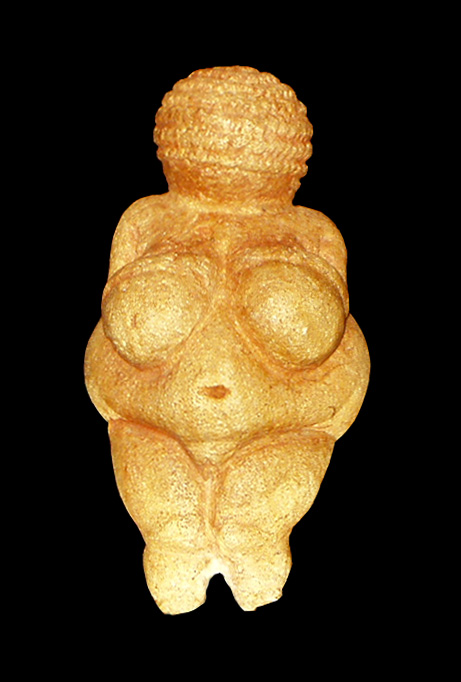
Venus of Willendorf
Who: Unknown
What: Small limestone figure of a female
When: 25,000 BCE
Where: Willendorf Austria
Why: Connected to fertility, motherhood, or female identity. Her exaggerated body and lack of a face or feet may show that the artist wanted to focus on fertility and the female body rather than a specific individual. This moved around because the people that made his were notmatic

Hall of Bulls
Who: Paleolithic Humans
What: Cave paintings showing bulls, horses and other animals
When: 17,000
Where: Lascaux, France
Why: Tells us about hunting, rituals, and paleolithic people. One of the earliest examples of cave painting. Discovered completely intact in the 1940s in France. The original Lascaux cave is closed to the public to protect the paintings. Now there is a closed entrance/door system that helps control the cave's environment.
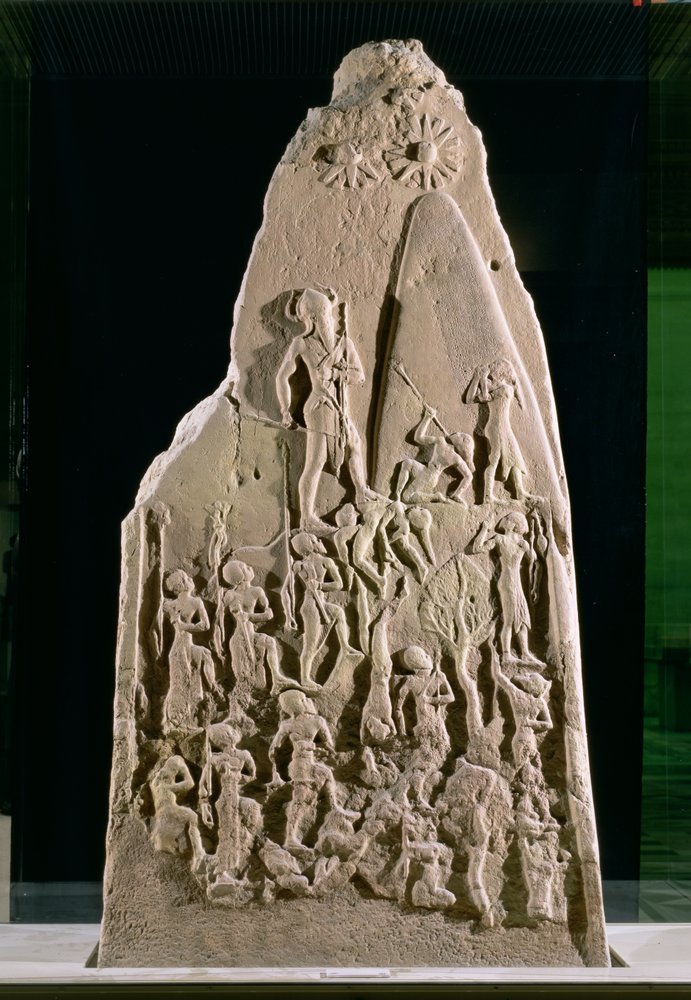
Victory Stele of Naram-Sin
Who: Unknown but made for Naram-Sin
What: Limestone showing Naram-Sin and his army defeating enemies
When: 2000 BCE
Where: Akkadian Empire
Why: The Victory Stele of Naram-Sin shows Naram-Sin defeating his enemies in battle. It celebrates his military victory and success as a ruler. Naram-Sin is shown much larger than the other people to show that he is the most important. He wears a horned helmet, making him appear almost god-like. The artwork shows Naram-Sin as a powerful and victorious leader.

Palette of King Narmer
Who: Egyptian Artist
What: Carved stone palette showing Narmer's victory and bringing together of Upper and Lower Egypt
When: 3000 BCE
Where: Egypt
Why: Shows Narmer as a powerful king and celebrates the joining of lower and upper of Egypt. He is bigger than everyone to show how he is the most powerful and most important. It is a makeup palette. Used to put makeup on for cermonal accasions. Not used everyday because it is so big. One of the oldest Egyptian pieces found which helps show the consistency of Egyptian Art.

Great Pyramids of Giza
Who: Built under the pharaohs Khufu, Khafre (biggest), and Menkaure
What: Three large pyramids/tombs built for Egyptian pharaohs
When: 2500 BCE
Where: Giza, Egypt
Why: They were built as royal tombs to protect the pharaohs and support their journey into the afterlife. Khufu is Khafre’s father and he has his pyramid built at a higher step so it looks bigger. This is meant to be like a flex on his dad.

House Altar of Akhenaten and Nefertiti
Who: Egyptian artist
What: A small limestone relief showing the royal family worshiping the sun god Aten and also shows couple playign with their kids
When: 1300 BCE
Where: Ancient Egypt
Why: Shows the royal family's worship of Aten and the religious changes introduced by Akhenaten and also new type of art with showing couple playing with kids. Amarna period where art became more casual and not “realistic”

Model Bust of Queen Nefertiti
Who: Thutmose
What: Painted limestone bust of Queen Nefertiti
When: 1300 BCE
Where: Ancient Egypt
Why: New idea of beauty looking way more naturalistic and like the sculpture is like lifelike. This piece was looted so it moved to Germany.

Exekias
Who: Exekias
What: A painted ceramic storage vessel showing Ajax and Achilles playing a board game
When: 500 BCE
Where: Ancient Greece
Why: Ajax is looking much more sus and ready to attack (gripping spears tight)

New York Kouros
Who: Greek Artist
What: Marble statue of a young nude male
When: 600 BCE
Where: Ancient Greece
Why: Used as to put at a grave to honor and remember the dead (looks like the ideal man)

Doryphoros (spear bearer)
Who: Polykleitos
What: Statue of an idealized young male athlete/warrior
When: 500 BCE
Where: Ancient Greece
Why: Naturalism became part of what Greek artists considered ideal beauty. Polykleitos wrote a book called the Canon explained his ideas about ideal human proportions how different parts of the body should be measured and balanced to create the perfect human figure. There are many copies because the piece is so perfect.

Who: Ictinus and Callicrates
What: The Parthenon
When: 500 BCE
Where: Athens, Greece
Why: The Parthenon was built as a temple to honor Athena, the patron goddess of Athens. It showed how important Athena was to the people of Athens. The large and beautiful building also showed the wealth and power of Athens. It was built after the Greeks defeated the Persians, so it also represented Athens’ strength and success. The Parthenon showed both the religious and political importance of Athens. Built during the Golden age where they were very sucessful.

Pergamon Altar
Who: Greek Artist
What: A huge U-shaped alter cover in dramatic sculptures
When: 200 BCE
Where: Pergamon, Turkey
Why: The Pergamon Altar was built as a religious altar to honor the Greek gods. Its sculptures show the mythological battle between the Olympian gods and the Giants. The gods are shown defeating the Giants, representing order defeating chaos. The dramatic and emotional sculptures show the Hellenistic interest in movement and strong emotion. The victory of the gods also symbolized Pergamon’s own military victories over its enemies.

Nike (Winged Victory) of Samothrace
Who: Greek Artist
What:
When: 200 BCE
Where: Samothrace, Greece
Why: 30 tons Marble statue of Nike, the Greek goddess of victory. Nike of Samothrace was created to celebrate a military victory. Nike is the Greek goddess of victory, so she represents winning and success. She is shown standing on the front of a ship, connecting the statue to a naval victory. Her wings are spread and her clothing looks like it is blowing in the wind, making her look like she has just landed. The dramatic movement and emotion are examples of the Hellenistic style.

Augustus of Primaporta
Who: Roman Artist
What: Marble statue of Augustus as a powerful military leader (raising right hand as if addressing troops)
Where: Ancient Rome, Italy
When: 20 BCE
Why: First emperor of Rome after the republic. Over life size full body sculpture. It is Contrapposto, where he standing with their weight mostly on one leg, while the other leg is relaxed making him it feel relaxed and balanced. Shows the political ideology of the Augustan era by presenting Augustus as a powerful, victorious, ideal ruler who brought peace and stability to Rome.

The Colosseum
Who: Roman Architects
What: A huge amphitheater used for public entertainment, including gladiator fights, animal hunts, and other spectacles
When: 50 BCE
Where: Rome, Italy
Why: The Colosseum was built to provide entertainment for the people of Rome. It was used for gladiator fights, animal hunts, and other large public spectacles. These events were often free, allowing many people to attend. The Colosseum also showed the wealth, engineering, and power of the Roman Empire. It helped emperors gain popularity by giving the people exciting public entertainment

The Pantheon
Who: Marcus Agrippa
What: A Roman temple with a huge dome and a circular interior
When: 100 BCE
Where: Rome, Italy
Why: The Pantheon was built as a temple to honor the Roman gods. It was used for religious worship and ceremonies. Its huge dome and oculus showed the advanced engineering skills of the Romans. The oculus lets sunlight into the building, creating a connection between the temple and the heavens. The impressive building also showed the power and greatness of the Roman Empire.

Tlatilco Figurine with Two Faces
Who: Unknown
What: Small clay figure of a human with two faces. It has a single body but two faces
When: 1000 BCE
Where: Tlatilco, Mexico
Why: The figurine is important because it shows that Tlatilco artists were making objects that may have had religious or symbolic meanings, rather than simply trying to make realistic portraits

Olmec Colossal HeadsOlmec Colossal Heads
Who: Olmec artist
What: Huge stone heads carved from basalt, showing human faces with helmets
When: 500 BCE
Where: Olmec civilization, Gulf Coast of Mexico
enemies
Why: The really big heads are meant to frighten enemies that come through and to demand respect. Meant to represent important Olmec rulers or leaders. Their enormous size also shows the power and importance of the people they represent.

Who: Teotihuacan civilization
What: Teotihuacan
When: 100 BCE
Where: Central Mexico
Why: Teotihuacan was a major religious and political center in ancient Mexico and is where gods lived. The Avenue of the Dead ran through the city and connected important buildings and religious areas. Huge pyramids, temples, and plazas were built along the avenue for religious and public activities. The Pyramid of the Sun and Pyramid of the Moon showed the power and importance of the city. Overall, the planned city and enormous buildings showed the organization, religion, and power of the Teotihuacan civilization.

Shang Dynasty Ewer
Who: Chinese Artist
What: A vessel used to pour liquids, probably for ritual purposes
When: 1000 BCE
Where: Ancient China
Why: Ceremonial pitcher used for ancestor worship. Warm wine went iside. It was used in rituals to honor ancestors and communicate with the spirit world. It is made out of bronze which symbols wealth and power. The decoration on it is like a magical world of monstrous animals where people are being consumed.

Who: Unknown
What: Tomb of the Marquis Yi
When: 500 BCE
Where: Zeng State, China
Why: The tomb was built to honor Marquis Yi and prepare him for the afterlife. The tomb contained many valuable objects, including bronze bells, weapons, and musical instruments. These objects were meant to provide Marquis Yi with what he needed in the afterlife. The large number of objects also showed his wealth, power, and high social status.

Who: Chinese Artist
What: Mogao Caves
When: 500 BCE
Where: Dunhuang, China
Why: The Mogao Caves were created as a place for Buddhist worship and meditation. The caves contain paintings and sculptures of Buddha, bodhisattvas, and Buddhist stories. These artworks helped people learn about and understand Buddhist beliefs. The caves were located along the Silk Road, so travelers and merchants helped spread Buddhism and other cultures through the area. Overall, the Mogao Caves show the importance and spread of Buddhism in China.

Great Buddha Hall
Who: Emperor of Japan
What: A huge Buddhist temple hall that houses the Great Buddha (Daibutsu)
When: 700 CE
Where: Nara, Japan
Why: Built to house and honor the Great Buddha and promote Buddhism and peace in Japan. Central of Buddhism in Japan. Where it is becoming the state religion of Japan at the time. Buddha is is made out of bronze and copper. When it was built it took all of the available copper in Japan. During the war the temple was burnt down and it was rebuilt.

Nintoku mausoleum
Who: Unknown
What: A huge keyhole-shaped burial mound (kofun) surrounded by trenches
When: 500 CE
Where: Osaka, Japan
Why: It was built as a tomb for Emperor Nintoku and court. The key shape represents the highest class of who is buried in it showing his importance. Circled by moats which makes this place closed to visitors so not anyone can just access it. It is surrounded by all sides from an urban environment.

Who: Roman Artist
What: Portrait of the Four Tetrarchs
When: 300 CE
Where: Roman Empire
Why: The sculpture shows four Roman rulers who shared control of the Roman Empire. Rome was too big to be run by 1 ruler, so they had 4. The four rulers are shown embracing each other to show that they are united and work together. They are dressed as soldiers, showing that they are strong leaders who protect the empire. Their similar appearance shows that the rulers are equal and part of the same system. Overall, the sculpture was meant to show the unity and stability of the Roman Empire.

Who: Byzantine Emperor Justinian I
What: Hagia Sophia
When: 500 CE
Where: Constantinople
Why: A huge Christian church with a massive dome. The enormous dome made the building feel heavenly and connected to God. Showed the power and wealth of Emperor Justinian. The beautiful mosaics and decorations helped create a religious atmosphere. It was meant to promote Christianity in Byzantine

San Vitale Church
Who: Unknown
What: Christian church with a large dome and famous pictures made out of tiny pieces of colored glass and stone inside San Vitale showing Emperor Justinian and Empress Theodora
When: 500 CE
Where: Ravenna, Italy, Byzantine Empire
Why: To promote Christianity and show the power of the Byzantine Empire and Justinian

Who: Prophet Abraham and his son Ishmael
What: Kabba
When: Unknown
Where: Mecca, Saudi Arabia
Why: A large cube-shaped sacred building and the holiest site in Islam. Muslims face toward the Kaaba when they pray, making it an important center of Islamic worship. Muslims also travel to the Kaaba during the Hajj pilgrimage. During Hajj, pilgrims walk around the Kaaba seven times as part of their religious rituals.

Who: Caliph Abd al-Malik
What: Dome of the Rock
When: 700 CE
Where: Jerusalem
Why: The Dome of the Rock was built as an important Islamic shrine in Jerusalem. It was built over the sacred rock that is traditionally associated with Muhammad’s Night Journey and Ascension to Heaven. The building honors this important event in Islamic tradition. Its large golden dome and beautiful decorations also show the importance and power of Islam.

Great Mosque (Masjid-e Jameh)
Who: Unknown
What: A large mosque used for Muslim prayer and worship. It has a large courtyard and domes
When: 700 CE
Where: Isfahan, Iran
Why: To provide a major place for Muslim worship and show the importance and beauty of Islamic architecture

Who: Irish Monks
What: Book of Kells
When: 800 CE
Where: Trinity College in Dublin, Ireland
Why: The Book of Kells was created by Christian monks to spread and celebrate Christianity. It contains the four Gospels of the New Testament. The monks decorated the pages with colorful patterns, animals, people, and large letters. The detailed decorations made the Bible more beautiful and showed how important the Christian stories were. The most known page is Chi Rho Page.

Who: Gislebertus
What: Last Judgment, Tympanum
Where: Autun, France
When: 1000 CE
Why: A stone tympanum (the semicircular space above a doorway) showing the Last Judgment. The Last Judgment shows Jesus judging people after they die. People who are saved are shown going to Heaven, while others are sent to Hell. The scene shows angels and demons separating and judging the souls. The artwork was placed above the church doorway so people would see it when entering the church. There is a heaven side where they look up and praise the lord then a hell side where they are shriveled up and is meant to scare people to make them more faithful.

Who: Abbot Sugar
What: Church of St. Denis
Where: St. Denis, France
When: 1000 CE
Why: An important Gothic church that is meant to feel like heaven on earth inside. It used features like pointed arches, ribbed vaults, and large stained-glass windows. These features allowed more light to enter the church and created a bright, heavenly feeling. Birth place of Gothic architecture and was also the birth place of the royal family in Paris