Unit 2 : Cross Contamination
 Call Kai
 Learn
Learn Practice Test
 Spaced Repetition
 Match
Match Flashcards
 Knowt Play
1/40

There's no tags or description
Looks like no tags are added yet.
Name | Mastery | Learn | Test | Matching | Spaced | Call with Kai | Chat |
|---|
No analytics yet
Send a link to your students to track their progress
41 Terms
What are the five major types of microorganisms
bacteria, viruses, algae, fungi, protozoa
what microorganisms are of most concern
bacteria and viruses
bacteria are
single celled microorganisms that can live independently
viruses are
microorganisms that invade host cells and replicate, need a host
opportunistic bacterium
helpful bacteria that cause infection when entered in the wrong body area
what is a carrier/source
person who carries and spreads microorganism capable to cause disease
what is a mode of transmission
how microorganism are transferred
what is a route of entry
the way microorganisms enter the body
cross contamination is
unintentional transfer of microorganisms from one object to another
main rule of standard precautions
treat all patients as potentially infectious
why are standard precautions important
reduces the risk of transmitting bloodborne pathogens
examples of bloodborne pathogens can be
hbv and hiv
to sanitize is to
make smth as clean as possible, not disinfect
to disinfect is to
destroy most microorganisms but not all
to sterilize is to
destroy ALLLLLLLL forms of life boy
what does aseptic mean
free from living organism / sterile
what does septic mean
contaminated
what is ppe
personal protective equipment
what is the purpose of the unit dose technique
minimizing cross contamination
what is unit dose
using only enough materials for specific procedure
what are the two main requirements of chemical disinfectant
kill microorganisms and dont damage or distort the impression/cast
what needs to be considered when disinfecting impressions
disinfectant type, concentration, exposure time, and material compatibility
3 methods of disinfecting impressions
spraying dipping and immersing
what should you do to INCOMING items
rinse disinfect and rinse again
what should you do w OUTFOING items
clean and disinfect then return to patient
what items should be heat sterilized
instruments that contact oral tissues or contaminated items
examples of heat stable instruments
metal impression trays, polishing points, lab knives
what items are disinfected rather than sterilized
items contaminated through handling ie. mixing bowls, spatulas, articulators
what to wear when using a lathe
protective eyewear
should you leave a running lathe unattended
no
what to do with sharps
put worn/broken blade in puncture resistant sharps contained
what is an sds
safety data sheet about a chemical

GHS01
explosive
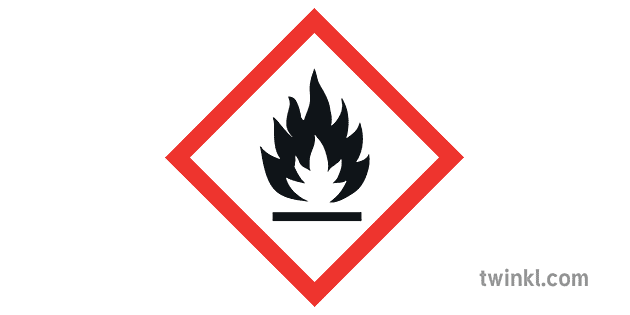
GHS02
flammable

GHS03
oxidizing

GHS04
compressed gas

GHS05
corrosive

GHS06
toxic

GHS07
harmful

GHS08
health hazard
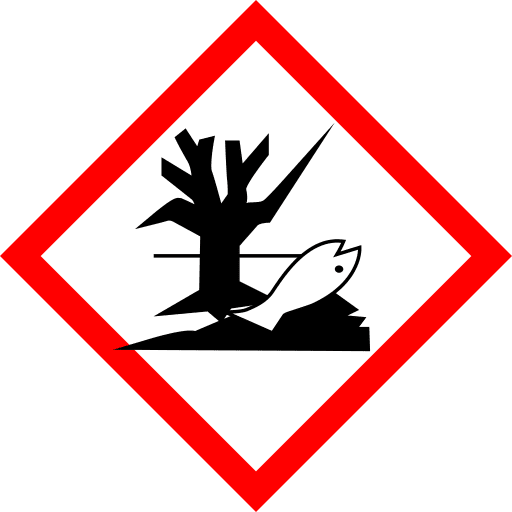
GHS09
environemental hazard