Urinary System
 Call Kai
 Learn
 Practice Test
 Spaced Repetition
 Match
 Flashcards
 Knowt Play
1/44

Earn XP
Description and Tags
Powerpoint + Video as help
45 Terms
Main Organs of the Urinary System (4)
Kidneys
Ureters
Urinary Bladder
Urethra
What don’t you want in Urine? (2)
RBC and Proteins
What is the main way Kidneys aid homeostasis?
They filter blood to maintain blood chemicals and send toxins, metabolic wastes, and excess water out of body
What substances should stay in Blood? (6)
Glucose
Amino acids
Most water
Essential ions
Proteins
Red blood cells
What substances should be excreted as Urine?
Urea
Uric acid
Creatinine
Excess ions
Toxins
Excess water

What is A in the Pathway of Filtrate through Kidneys
Glomerulus
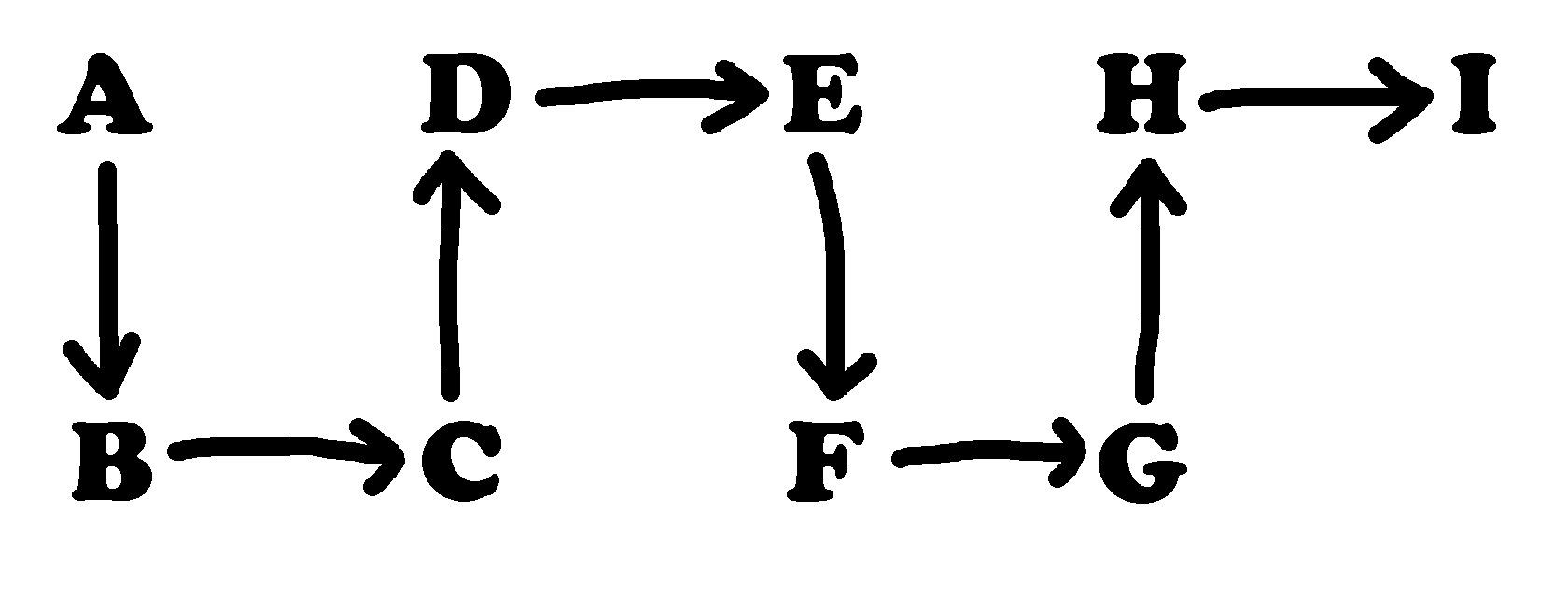
What is B in the Pathway of Filtrate through Kidneys
Glomerular capsule

What is C in the Pathway of Filtrate through Kidneys
Proximal convoluted tubule

What is D in the Pathway of Filtrate through Kidneys
Nephron loop
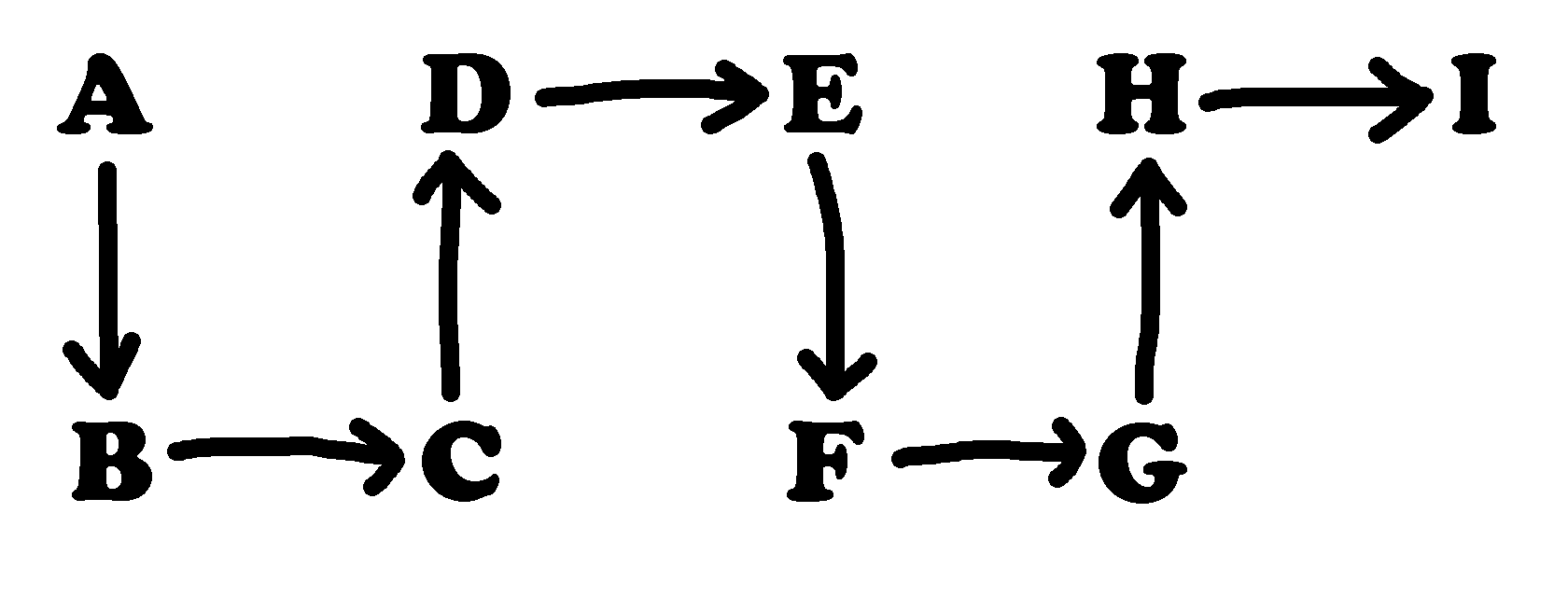
What is E in the Pathway of Filtrate through Kidneys
Distal convoluted tubule
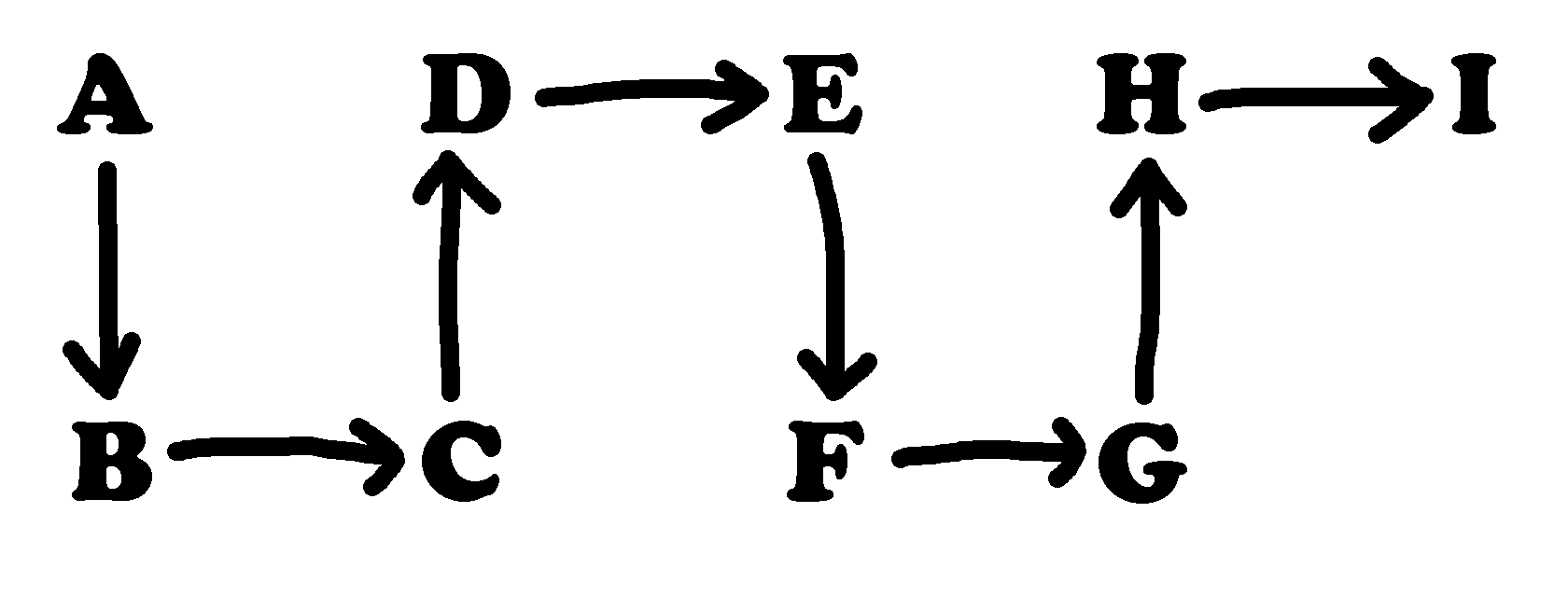
What is F in the Pathway of Filtrate through Kidneys
Collecting duct

What is G in the Pathway of Filtrate through Kidneys
Ureter

What is H in the Pathway of Filtrate through Kidneys
Bladder

What is I in the Pathway of Filtrate through Kidneys
Urethra

What is A in the Pathway of Filtrate through the Nephron Loop
Descending thin limb

What is B in the Pathway of Filtrate through the Nephron Loop
Ascending thin limb

What is C in the Pathway of Filtrate through the Nephron Loop
Thick ascending limb
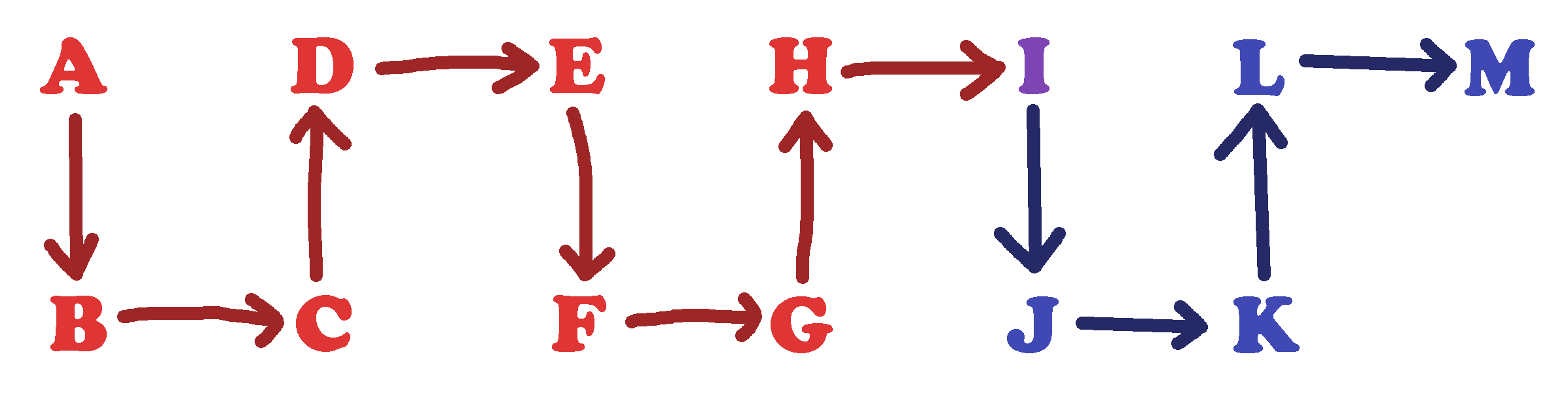
What is A in the Pathway of Renal Vascularization
Renal Artery

What is B in the Pathway of Renal Vascularization
Segmental Artery

What is C in the Pathway of Renal Vascularization
Interlobar Artery

What is D in the Pathway of Renal Vascularization
Arcuate Artery

What is E in the Pathway of Renal Vascularization
Cortical Radiate Artery

What is F in the Pathway of Renal Vascularization
Afferent Glomerular Arteriole
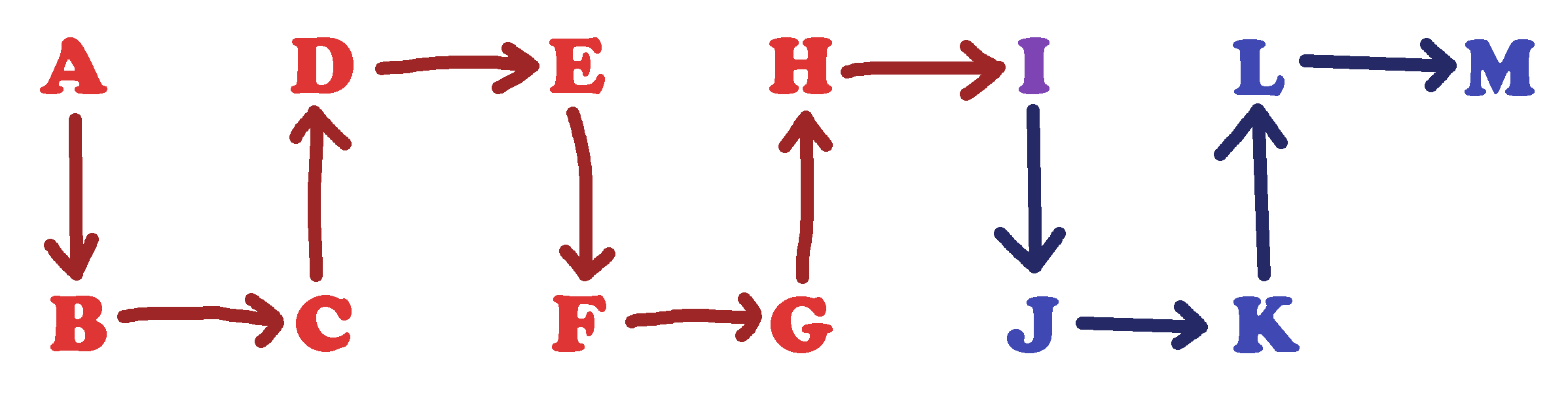
What is G in the Pathway of Renal Vascularization
Glomerulus (Capillaries)

What is H in the Pathway of Renal Vascularization
Efferent Glomerular Arteriole
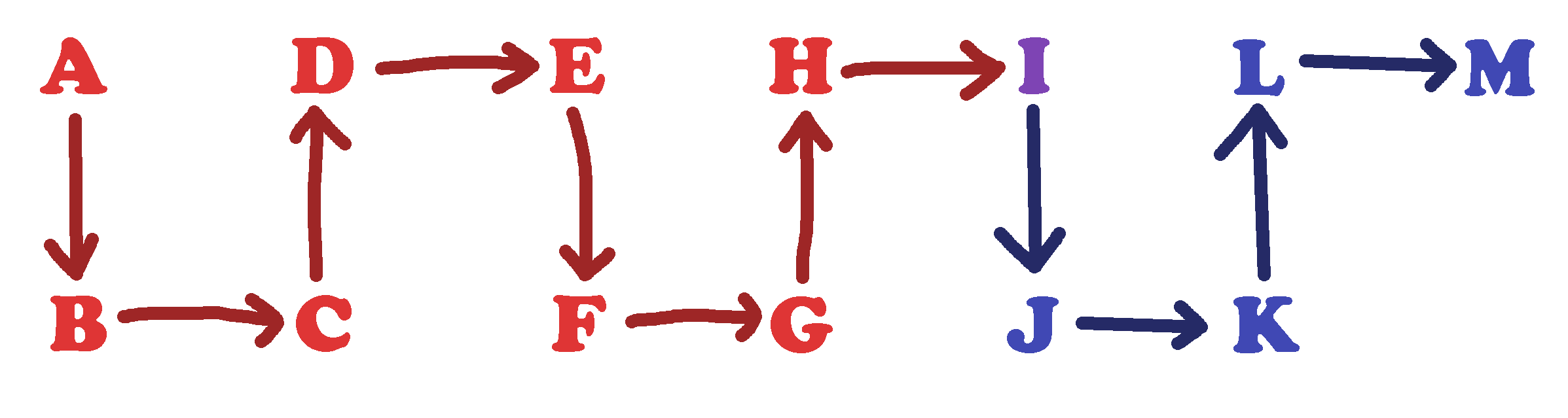
What is I in the Pathway of Renal Vascularization
Peritubular Capillaries & Vasa Recta

What is J in the Pathway of Renal Vascularization
Cortical Radiate Vein
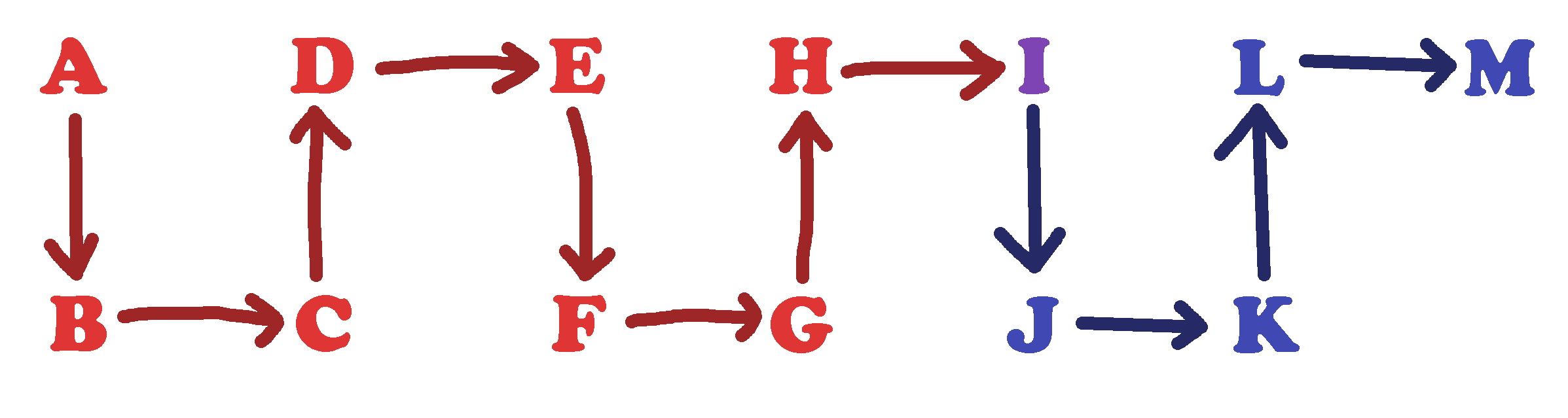
What is K in the Pathway of Renal Vascularization
Arcuate Vein

What is L in the Pathway of Renal Vascularization
Interlobar Vein

What is M in the Pathway of Renal Vascularization
Renal Vein
What are Podocytes?
They are specialized cells in the visceral layer of the glomerular capsule (Bowman's capsule) that create filtration slits with their foot processes
What is Reabsorbtion?
Taking useful substances from the filtrate back into the blood
What is Secretion?
Moving substances from the blood into the renal tubule so they can be eliminated in urine
What cells secrete Renin?
Granular cells of the juxtaglomerular (JG) complex secrete Renin
What is the function of Renin?
Renin helps initiate the renin-angiotensin mechanism, which helps regulate blood pressure
Where are the renal artery and vein found in the Kidney?
They enter/exit the kidney at the renal hilum (concave aspect)
Unique aspect of Urethra in Females
About 3-4 cm long
Unique aspects of Urethra in males (2)
20cm long
Three named regions
What does ADH stand for?
Antidiuretic Hormone
What is the function of ADH?
Helps the body conserve water by increasing water permeability of portions acted upon
Where does ADH act? (2)
Collecting ducts & Distal convoluted tubules
What is the function of Juxtamedullary Nephrons?
Contribute to kidney’s ability to concentrate urine, found in Medulla
What do Macula Densa cells do?
Monitor solute concentration in the filtrate and signals granular cells to secrete renin at end of Ascending Loop
What do Mesangial cells do?
They regulate blood flow within the glomerulus, located around capillaries of the glomerulus
What do JG (granular) cells do?
Secrete renin when blood pressure falls, in the wall of the afferent arteriole