muscles and plant toxins
 Call Kai
 Learn
 Practice Test
 Spaced Repetition
 Match
 Flashcards
 Knowt Play
1/33

There's no tags or description
Looks like no tags are added yet.
34 Terms
plant fmailies
menispermaceae
loganiaceae
fabaceae
solanaceae
apiaceae
3 types of muscle cells
skeletal: under voluntary cotnrol
smooth: under ANS and blood hormones
cardac: autonomic activity and ANS
smooth musclesi nclude
many tubular organs
gastro tract, blood vessels, ariways, eye (iris muscle), uterus, bladder
ANS
paraysmpathetic vs sympathetic
go int odetail
muscle contraction depends on
depolarization that depends on Ach and calcium
Acetylcholine
cholinergic receptors
released at all neuromuscular junctions and therefore nictoinic muscel receptors
understand steps
binds to calcium channel to depolorization

plant toxins types for muscles
paralyzing curares
piperidine alkaloids
quinolizidine
paralyzing curares families
menispermaceae
loganiaceae
fabaceae
tubocurarine, strychine and erysodinenc
piperidine alkaloids families
solanaceae, apiaceae
nictoien and coniine
quinolizidine families
fabaceae
cytisine
paralyzing curares include
chondrodendron tomentosum
strychnos spp
erythrina spp
chondrodendron tomentosum
paralyzign curare
menispermaceae fam
source of arrow poison for hunting and effective only if given parentally (IV/needle)

tubocurarine
alkaloid from chondrodendron tomentosum
antagonsit fo nictotinic type of Ach receptors because they resemble Ach
leads ot muscle paralysis
strychnos spp
paralyzing curare
loganiaceae fam
toxiferine: similar to tubocurarine
strychiome

toxiferine
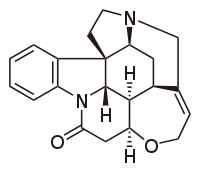
strychnine
spasms and convulsions
antagonsit of glycine receptors causign overactive, hyperpolarization as it agonizes chloride channels
glycine
strychnine structure
dihydroindole
erthyrina spp
fabaceae fam
paralyzing curacae
erysodine
erythrinan alkaloid
orally effective
antagonist of nicotiniv Ach receptors just like the curare
colorines
bright red seeds in erthyrina spp

erythrina herbacea
fabaceae family
in Mexico, seeds as rat poison and bark/leaves as fish poison
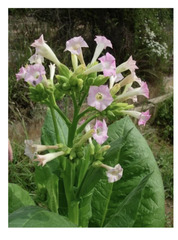
nicotiana spp
solanaceae fam
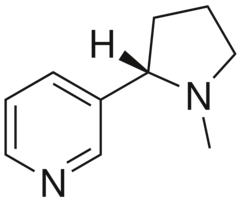
piperidine alkaloid
nicotine causing muscle tremor and pain
anabasine
nicotine structure
conium maculatum
apiaceae family
piperidine alkaloid
poison hemlock/coniine

conium maculatum is characterized by
compound umbels, purple spotted stems, mouse urine odor

coniine
most toxic alkaloid (piperidine) in thsi plant
antagonist of nicotinic Ach receptors
muscle relaxant
muscular problems, convulsions, resp. paralysis, death
piperidine

history of coniine
socrates
coturnism

dermatophyllum
fabaceae family
quinolizidine alkaloid
cytisine-acts liek nicotine
mescal beans
cytisine

piperidine alkaloid
nicotinic effects: ganglionic and neuromuscular stim then blockade -
ataxia, fetal malformations
Quinolizidine alkaloids
They act as mixed nicotinic/muscarinic ligands (with cytisine being a strong nicotinic partial agonist and sparteine acting as a competitive antagonist). Crucially, they also block voltage-gated sodium and potassium channels
They cause muscle weakness and respiratory distress, but this often occurs alongside severe autonomic dysfunction
paralyzing curares
They are highly specialized, purely competitive (non-depolarizing) antagonists that target skeletal muscle-type nicotinic acetylcholine receptors (\(N_{M}\)) at the postsynaptic motor endplate. [1, 2]