environmental toxicology exam 1 material
 Call Kai
 Learn
Learn Practice Test
 Spaced Repetition
 Match
Match Flashcards
 Knowt Play
1/108

There's no tags or description
Looks like no tags are added yet.
Name | Mastery | Learn | Test | Matching | Spaced | Call with Kai | Chat |
|---|
No analytics yet
Send a link to your students to track their progress
109 Terms
definition of anthropogenic
human origin, doesnt exist in nature
Difference between pollutant and contaminant
pollutant: came from human, not natural - PFAS from teflon coatings
contaminant: came from nature, naturally occuring - lead and cadmium residue in chocolate
what is a biomarker
biological response to a toxic compound
mark of toxic event in organism
what is a xenobiotic
anthropogenic products, do not play a functional biochemical role
what is an individual in an ecosystem
1 organism of 1 species
what is a population in an ecosystem
all members of a specific species
what is a community in an ecosystem
multiple populations in one space
what is abiotic environment
a non living component of any environment
affects organisms
what is a biotic environment
organisms in populations and communities
organisms affect
what are abiotic factors
climate
temperature, precipitation
elements
stoichiometry of C/N/P
nutrients
geology
near water/desert?
sandstone? slate?
whaat are ecosystem processes
the physical, chemical, and biological actions or events that link organisms and their environment
1) production
2) decomposition
3) cycling and fluxes
4) resilience
what is primary production
deals with autotrophs who make their own food
what is gross primary production
total plant biomass created in a given time period, usually a year
what is net primary production
total plant biomass created iin a given time period, minus what is consumed by heterotrophs (snails, cows, squirrels)
what is secondary production
biomass made by heterotrophs
how much did the organism grow from consumption?
what are cycles and fluxes
stoichiometry (ratio)
sources: more of something
sinks: less of something
tree= source, organisms= sink
what is recalcitrant mobility
not bioavailable.
either currently in use by an organism or locked in a difficult form
what is labile mobility
bioavailable
either a loose molecule in the environment (soil,water,air)
or a discarded organismal unit (feces,cropse)
what is transformation mobility
coversion of one from to another (nitrogen cycle)
what is resilience
niche redundancy
how many different organisms occupy the same functional niche
what are ecosystem services
many and varied benefits that humans freely gain from the natural environment and from properly functioning ecosystems
supporting, provisioning, regulating, cultural
what are supporting ecosystem services
basal functions (foundational functions) on which all others depend
without supporting ecosystem services none of the other ones can occur
what are regulating ecosystem services
benefits obtained from regulation of ecosystem processes
indirect benefits humans do not put extra effort into
pollination, carbon sequestration, purification of water and air
what are provisioning ecosystem services
involved human labor, put effort into obtaining
tangible prodcuts that humans obtain from ecosystems
food, raw materials, genetic resources, medicinal, energy
what are cultural ecosystem services
nonmaterial benefits people obtain from ecosystems
cultural (books, painting), spritual and historical, recreational experiences
what are ecosystem functions/services
functions: processes
services: what we get from them
what are lipophillic (hydrophobic) molecules
fat loving molecules
non polar
larger
lots of carbons
what are lipophobic (hydrophilic)
fat fearing molecules
polar
smaller
less carbons, more NOS
charcateristics of metal ions
1) good conductor of electricity
2)present on earth since its formation (not anthropogenic)
3) often enter ecotox world through mining activities
4) form cov bonds and can transfer electrons
what is a anthropogenic enrichment factor
described the level of human contribution
why are metals non biodegradable
theyre able to move freely from association to association
they differ in toxicity
what is eutrophication
over enrichment of nutrients in environments
lots of algae
when algae dies —> pulls O2 from H2O
causes fish to die —> pulls more O2
what enzyme changes Fe3+ back to Fe2+ after O2 leaves
methemoglobin reductase
what does nitrate (NO3) break down to in the body and why is it bad
breaks down to nitrite (NO2)
“stickier” to hemoglobin
NO2 keeps the heme as Fe3+
cant be reduced and can’t pick up more O2
why babies turn blue
how can you come across extra NO2 in your body
extrememly rural areas that rely on well water
crops rely on fertilizer (N/P heavy)
runs into ground, well water is ground water
nitrate interferes withe hemoglobin
what are greenhouse gases and why are thye bad?
CO2, CH4, O3, CFC (chloroflurocarbons)
O3, CFC lead to destruction of atmosphere
leads to global warming, ozone destruction, smog, ocean acidification
what are the main air pollutants and where do they come from
NOx, SOx
come from fossil fuel and gas emissions
gas stove —> higher level of NOx and SOx in the house
Acid rain —> aquatic and soil degragation
nitric and sulfuric acid
what are types of pesticides
herbicide
insecticide
rodenticide
what are types of industrial processes
direct use
waste/byproduct
safety
what are organochlorides
organic molecules containing chlorine
chlordane, aldrin, dieldrin
aldrin and dieldrin use Na+ channels in neurons
what are cyclodienes
classic organochlorines
lipphilic
persistent, dont break down easily
very neurotoxic, but we dont know the mechanism to it

what is the structure of dis molecule
chlordane
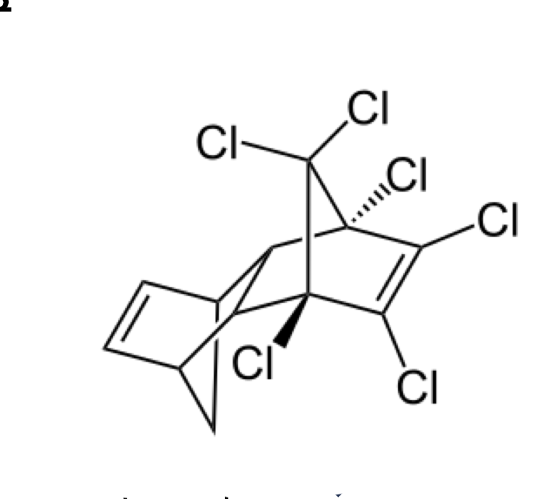
what is the structure of dis molecule
aldrin
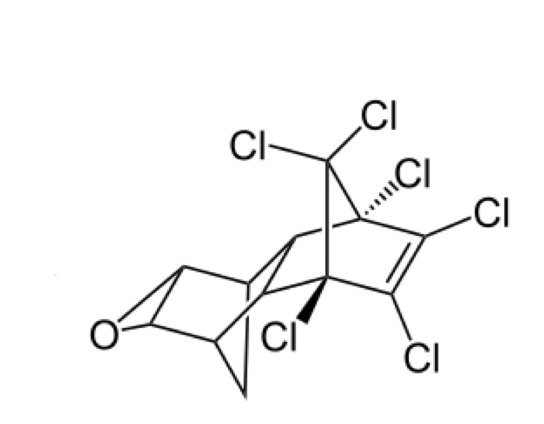
what is the structure of dis molecule
dieldrin
what are polychlorophenols
chlorine + wood phenols
acidic
water soluble
chemically reactive

what are polychlorinated biphenyls (PCBS)
two phenyls with many chlorines
they are anthropogenic
bioaccumulate in tissues due to the lipophilic abilities of them
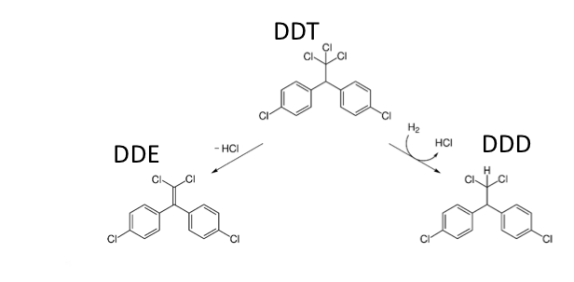
what is DDT
dichloro diphenyl trichloroethane
doesnt break down very well metabolically
banned in 1972

what do organophosphorus do
stop enzymes nerve signals
inhibity acetylcholinesterase
neurotoxic
volatile and lipophilic (can bioaccumulate in tissues)
short lived in environement
non systemic - dont travel very far in body
if you survive can metabolically break down


what are carbamates
derived from carbamic acid
inhibit acetylcholinesterase
lipophobic-ish (depends on R-groups)
typically used to target mollusks and insects

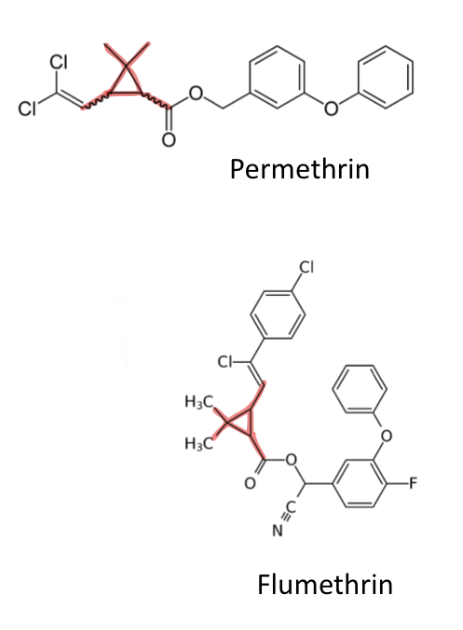
what are pyrethroids
non-anthropogenic derived from mums
inhibit insect muscle action
photodegraded - if deep in soil can persist for some time
generally not toxic to humans (very toxic to cats)
usually used for vector insects
mosquitos and ticks are growing resistance
what are neonicotinoids
can be sprayed
compete with acetylcholine for receptor - neurotoxic
somewhat polar, some lipophilia
insects more sensitive that vertebrates
usually used as an insecticide for biting and sucking insects that attack plants
systemic - applied one place but incorporated throughout

what are phenoxy herbicides
share same pathway as plant growth signals
lipophilic
control dicot (eg.soy) weeds in monocot (eg.corn)
mimics growth hormone auxin - dicots grow to death
agent orange
mutagen, apoptosis trigger
used in vietnam to get rid of jungle

what are phenoxy herbicides
DEET (diethyltouluamide)
original use was a pesticide
topical repellent
targets insect olfactry neuron receptors
mosquitos are attracted to CO2 and butric acid, DEET makes these scents unrecognizable
low rate of bioaccumulation
toxic for river fish and zooplankton
why is white nose syndrome in bats bad?
invasive cold loving fungus species
fewer bats —> more insect pests —> higher pesticide use —> higher infant mortality
what are rodenticides
blood thinner and rat poison
antagonist to vitamin K
many rats have resistance
accumulate in liver
also biomagnified harming birds who eat rats

what are the three main types of rodenticides
bromadiolone
anticoagulant
super warfarin, internal hemorrhaging
diphacinone
anticoagulant
longer active half-life than warfarin
bromethalin
not an anticoagulant
lowers ATP synthesis and shuts down Na/K pump
leads to a buildup of CSF, causing high intracranial pressure
damaged neurons, causes paralysis, convulsions, and death

what are detergents
typically act as surfactant
either polar or totally nonpolar
form micelles around nonpolar or polar substances
can use internally to get drugs into cells
can be endocrine disruptors
binds to a hormone receptor but doeesnt inhibit the response
can also mimic hormones to over produce a response

what are PFAS
per or polyfluoroalkyl substances
synthetic organo-fluoride chemical compounds that have multiple fluorine atoms attached to an alkyl chain
CnH2n+1
should have atleast one fully fluorinated methyl group
large family of chemical compounds that dont break down in environment
resistance to heat oil and water
most common PFAS
1) PFOS - perfluorooctanesulfonic acid

firefighting foam, fabric treatments, semiconductors
problematic
2) PFOA - perfluorooctanoic acid
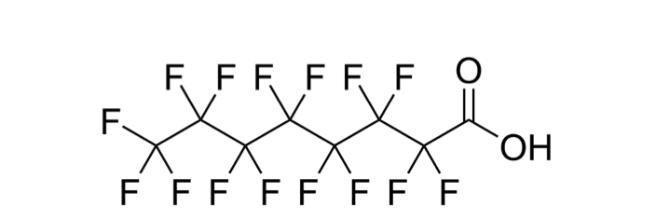
firefighting foam, surfactant (forms micelles), insulation, waxed surfaces
when does a pollutant become toxic
when a threshold is exceeded
how can substances be transported in the ATMOSPHERE
as gases or particles
ozone, smog, fossil fuels, CFC, Diesel fuel
what are greenhouse gases
gasses from fossil fuels
CO2 from combustion
cows emit lots of methane
methane is better at trapping heat in the atmosphere
acid rain!!!! NOx and SOx
what are ozone and smog
come from fossil fuel emissions, smoke, and particulates
how is ozone formed
CO2 and NOx are ionized by sunlight
why is ozone bad in the troposphere
aggravates asthma allergies and lung irritation
why are chlorofluorocarbons present in the stratosphere
they were used in fridges freexers and air conditioners
ended up concentrated over the south and broke a hole into the atmosphere
montreal protocol 1987
why is diesel fuel bad for the atmosphere
has many metals
antimony, chromium, cobalt, selenium, mercury, lead
along with other compounds
sulfur, dioxins, cyanide, polycyclic organics
what are the health effects diesel fuel poses
cancer, heart and lung disease, mental function, headache, dizziness, nausea, coughing, tightness of chest
how are pollutants transported in the terrestrial
landfills, fertilizer, chemical sprays
wash down to waterbodies
aerosolized back into the air
how are metals polluting the terestrial
mining activities
smelting, high conc, acid waste (gold extraction)
Burning fuel
sulfur and metal dispersal (diesel trucks)
Ecosystem effects
soils, biodiversity
mitigation and rehabilitation
spreading sewage, filtering emissions, change compostion (gasoline, birdshot), soil remediation
how much of freshwater are rivers, lakes, and wetlands
0.8%
what is residence time
how long water stays in a comparment
how much of freshwater is frozen
87.2%
how much of freshwater is ground water
12%
used for drinking water and irrigation
what does size as discharge mean
volume of water passing through a point in a period of time
what does oligotrophic mean
low in nutrients
fewer species
generally younger colder and deeper
what does eutrophic mean
high in nutrients
more species
generally older warmer and shallow
what does eutrophication mean
process by which addition of nutrients takes ecosystem past stable points
oligotrophic —> eutrophic
what is mesotropic
moderate levels of nutrients
moderate levels of species
moderately older, warmer and shallower
what is a point source
single thing/event that you are able to point to
discharge pollution from a specific location/structure
drain pipes, ditches, sewer output
what is a nonpoint source
multiple things/events that you cannot point to
diffuse, non specific source of pollution
fields. lawns, golf courses, highways (the cars)
harder to regulate - more sources
what does organic pollution include
pathogens and waste
pesticides and industrial substanes
what is biological oxygen demand
the amount of dissolved oxygen consumed by aquatic organisms
sewage inputs spike biological oxygen demand and decrease available dissolved O2
what do aerobic organisms require
require oxygen
what do inorganic pollutants include
metals, salts, and acids
where do acids and bases come from
byproduct of industrial processes and mining
acid rain deposition
where do salts come from
result of a neutralization reaction
excess road salt
cause developmental problems in people and kill wildlife
details of Gold King Mine
opened in 1887, closed in 1923
exposed metal sulfide minerals such a pyrite to water and air
created sulfuric acid soup
in 2014, AMD began draining
in 2015 landslide buried pipes, uncovering led to repture of the pipes
happened for days on end
how can organic chemicals get into the earth
improper disposal of industrial and household wastes
pesticide runoff from farms fields roadsides golf courses lawns (non point)
what is sediment
natura;, carries nutrients in the water, makes fertile soil on shore
what can sediment be bad
internal shading, abrasive (scores algae and invertebrates), prevents fish nesting, clogs industrial equipment
what is thermal pollution
effulent from industrial cooling structures (data centers)
decreases dissolved O2, can kill aquatic life
think of it like a fever in humans - too hot —> death
Jackson MS no water example
predominantly POC town
reduced tax base, prompted slow decline of city services
lead pipes, bad pressure, many failures
2022 crisis
Jul 29, boil water advisory following rain/flooding
Aug 27, storm flooding causes pumps to fail - no water
Sep 10, water pumps restored, boil water advisory still in place
how can directional currents play a role in transporting pollutants in aquatics
dead zones, algal blooms, toxic chemicals, heavy metals, oil, sediment, garbage
directional currents can sweep these all up and take them from place to place
how does ocean acidification play a role in transporting pollutants in aquatics
excess CO2 shifts Ca(CO3)2 towards acid dissociation preventing Ca(CO3)2 formation
happens due to CO2
seaweed can help with this in colder places!
what is a partition coefficient
measure of the differnce in solubility of the compound between two phases
what does Log Kow provide
index of hydrophobicity
conc. in octanol/conc. in water
what does a Log Kow of 1 mean
equal concentrations in octanol and water
what does a Log Kow of less than 1 mean
its lipophobic
the higher concentration will be in water
what does a Log Kow of greater than 1 mean
its lipophillic
higher concentration will be in octanol