Telecommunications and Networking Vocabulary
 Call Kai
 Learn
 Practice Test
 Spaced Repetition
 Match
 Flashcards
 Knowt Play
1/21

Earn XP
Description and Tags
Vocabulary practice flashcards covering software review, networking fundamentals, transmission channels, broadband specifications, and connection methods from the BTE 210 lecture.
22 Terms
System Software
A category of software that includes operating systems, programming languages, and utilities to manage computer hardware and basic system operations.
Application Software
Software programs that perform specific tasks for users, including spreadsheets, word processors, computer games, databases, and internet browsers.
Operating System (OS) Functions
Core responsibilities including providing a user interface (GUI), hardware independence, managing processing tasks and memory, providing networking capability, controlling resource access, and managing files.
Computer Network
A system that connects computers and other devices (e.g. printers) via communications media so that data can be transmitted among them.
Bandwidth
The transmission capacity of a network, representing the rate of data transfer, measured in bits per second (bps).
Broadband
An internet connection defined by the FCC as having download speeds of at least 25Mbps and upload speeds of at least 3Mbps.
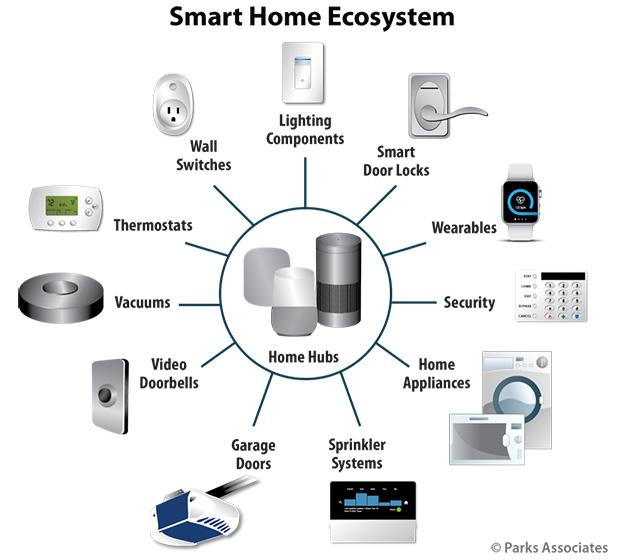
Personal Area Network (PAN)
A network that connects electronic devices in an individual person's workspace, such as a smart home ecosystem.
Local Area Network (LAN)
A network that connects two or more devices in a limited geographical region, usually within the same building, serving multiple users.
Wide Area Network (WAN)
A large-capacity network covering a broad geographical area that typically connects multiple LANs and is provided by common carriers such as telephone companies.
Network Clients (Workstation)
Computers on a network that request resources or services from servers.
Network Servers
Computers with high processing power, memory, and disk space that manage and provide network resources, services, data, users, and security to clients.
Communications Media
The physical media used to send data across networks, including twisted-pair wire, coaxial cable, fiber optic cable, and satellite.
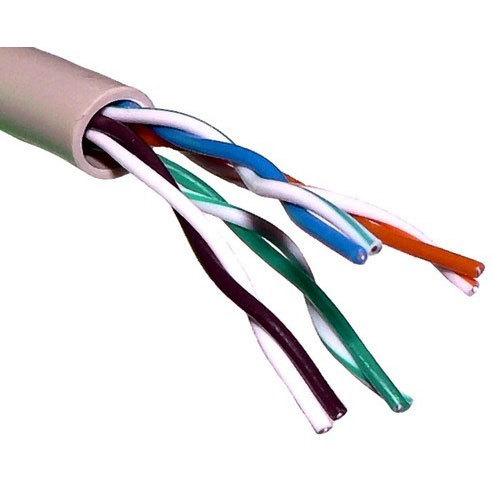
Twisted-Pair Wire
The most prevalent form of business telephone wiring, consisting of strands of copper wire twisted in pairs; it is inexpensive and widely available but slow and subject to interference.

Coaxial Cable
A communication cable made of a single strand of insulated copper wire that carries high-speed data traffic and TV signals with higher bandwidth than twisted-pair wire.
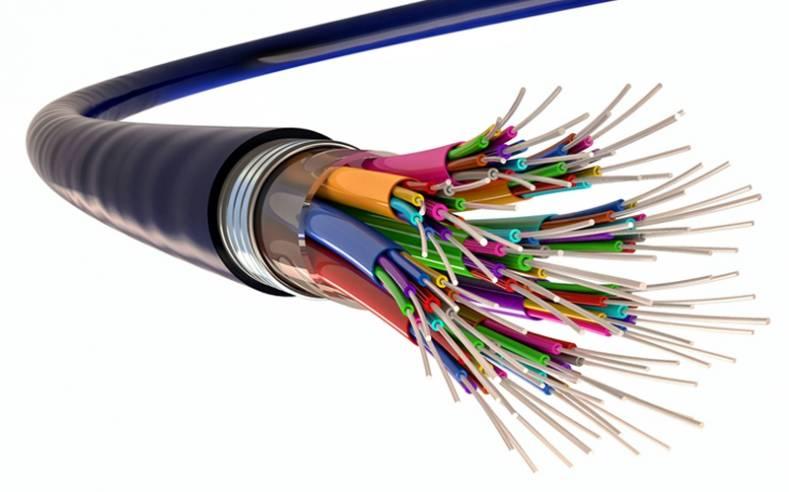
Fiber Optics
A high-bandwidth channel composed of thousands of thin filaments of glass fibers that transmit information as light pulses generated by lasers.
Cladding
A protective coating surrounding a fiber-optic cable that prevents light pulses from leaking out of the glass fiber.
Starlink
A satellite-based network service offering global accessibility with speeds of 50–250Mbps, latency of 20–40ms, a setup cost of $599, and a monthly fee of $120/month.
Fiber Optic Service Metrics
A land-based connection providing speeds up to 1Gbps, ultra-low latency of ∼5ms, high installation costs with cheaper monthly rates, and extreme reliability.
Dial-up
An internet connection method still used in parts of the United States where broadband access is unavailable.
DSL
Broadband internet access delivered via telephone companies.
Cable Modem
An internet connection provided over cable TV coaxial cable, which may suffer performance degradation when many neighbors access the network simultaneously.
Fiber-to-the-home (FTTH)
An expensive internet delivery method using fiber optics directly to residential units, typically installed in new housing developments.